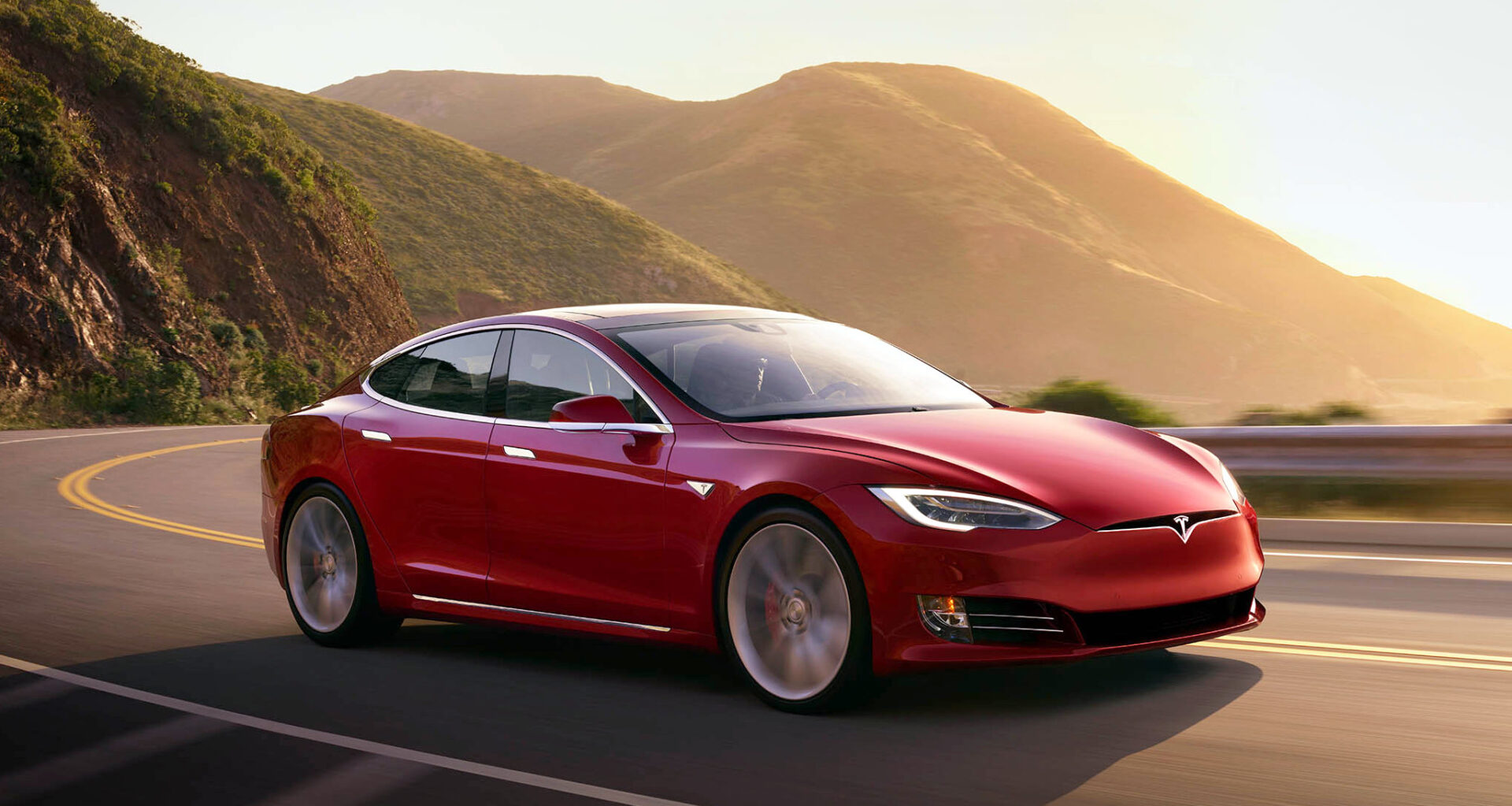
Tech: How Foolproof Is Tesla’s Autopilot?
One of the most exciting aspects of a Tesla isn’t that it’s battery-powered or fully electric—but the fact that it can drive itself.

One of the most exciting aspects of a Tesla isn’t that it’s battery-powered or fully electric—but the fact that it can drive itself.
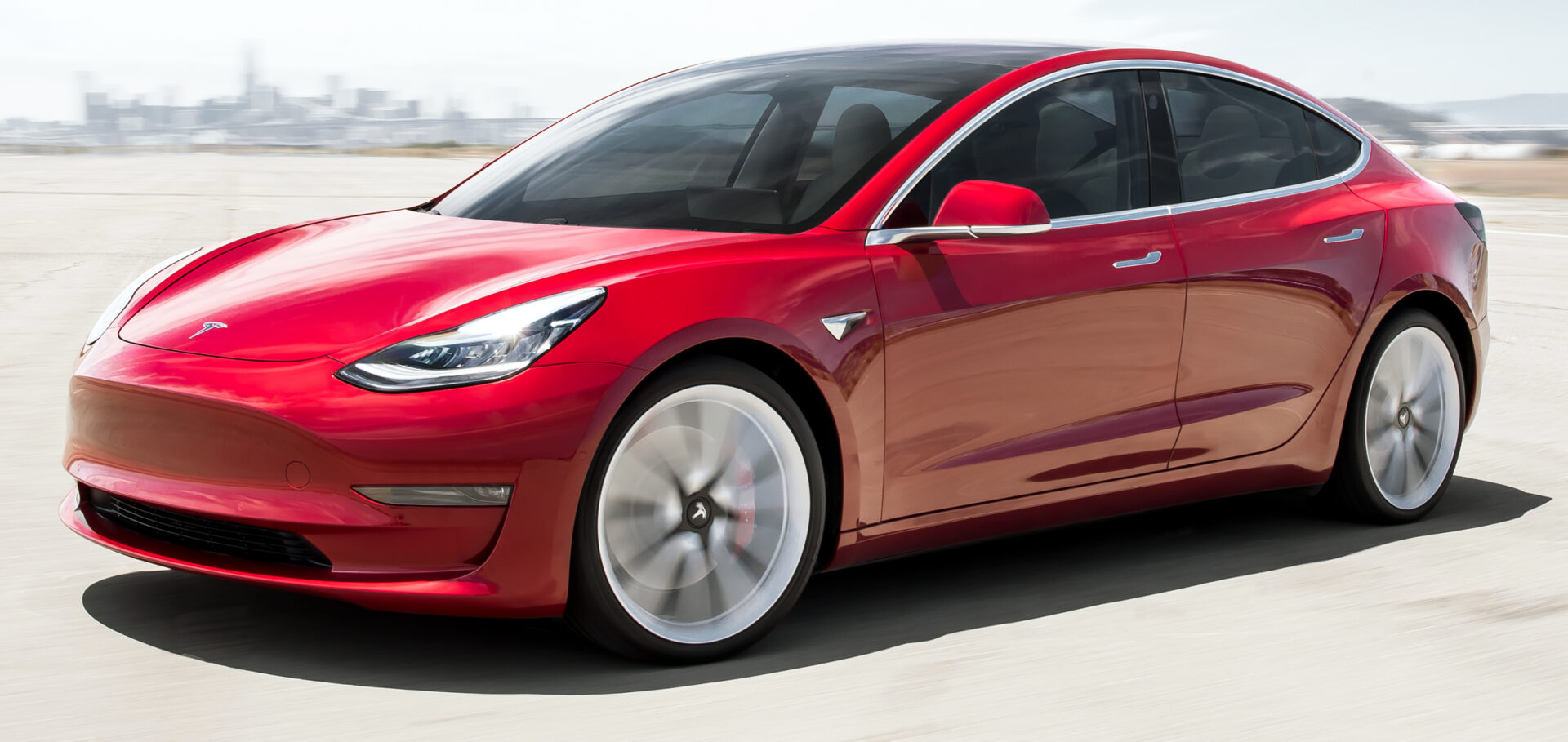
Tesla continues to get mixed marks with owners vexed by quality issues, but still in love with their advanced electric cars.
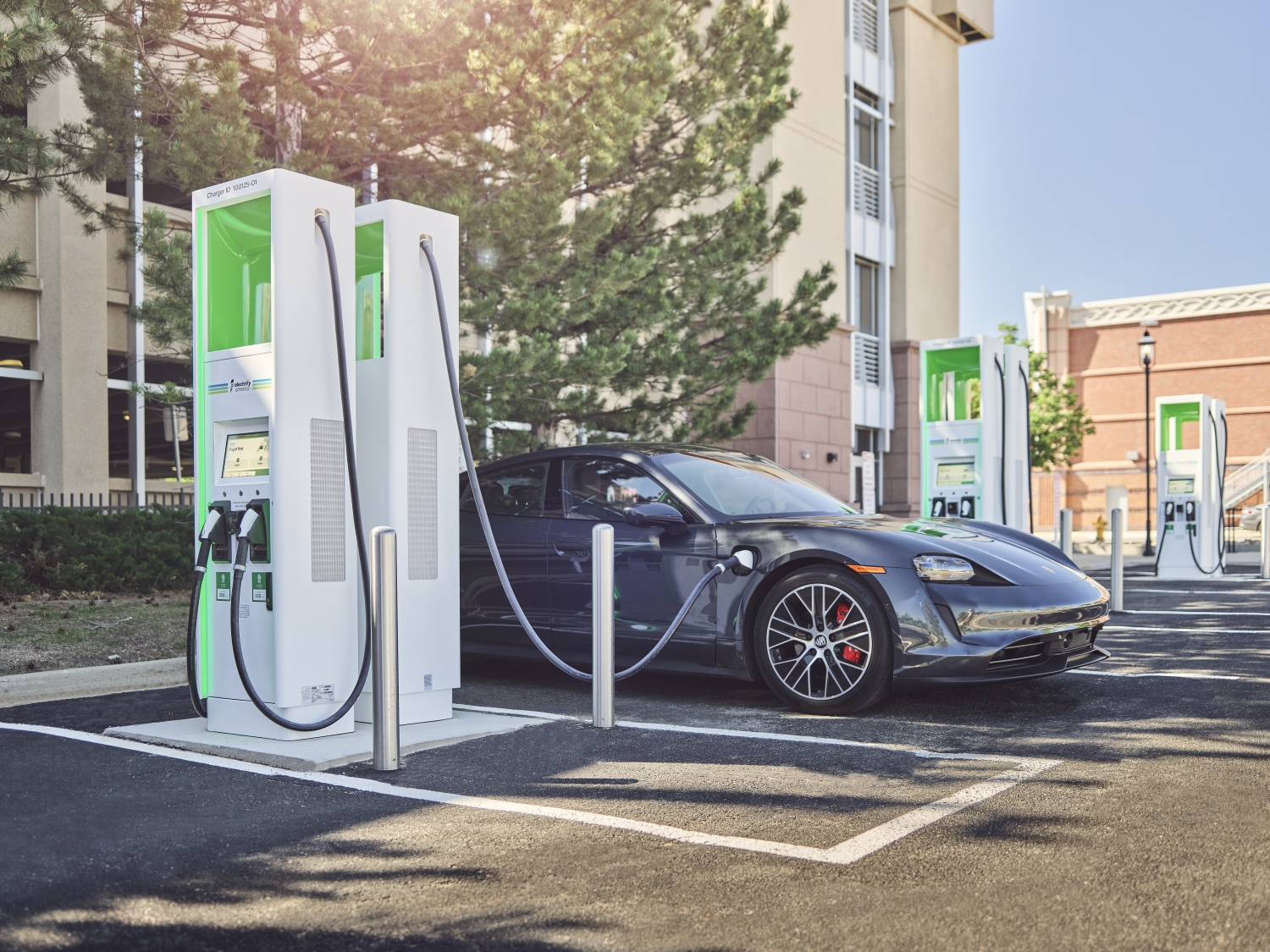
The plug-in or plug-less charging options are expanding in parallel with EV adoption, so expect options to grow.
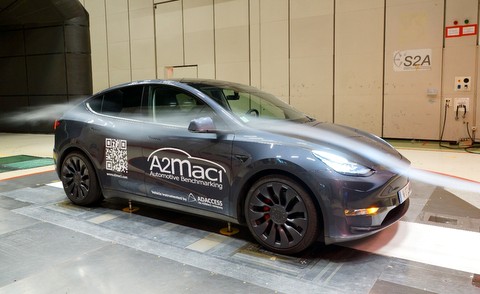
In this blog, we’ll compare the physical wind tunnel test with a CFD simulation applied on a high-quality exterior of the Tesla Model Y.
Two recent electric vehicle sales reports tell a similar tale—the Tesla Model 3 is dominating the market worldwide and in its home market of California, and other models and manufacturers have a lot of catching up to make it a competitive situation.
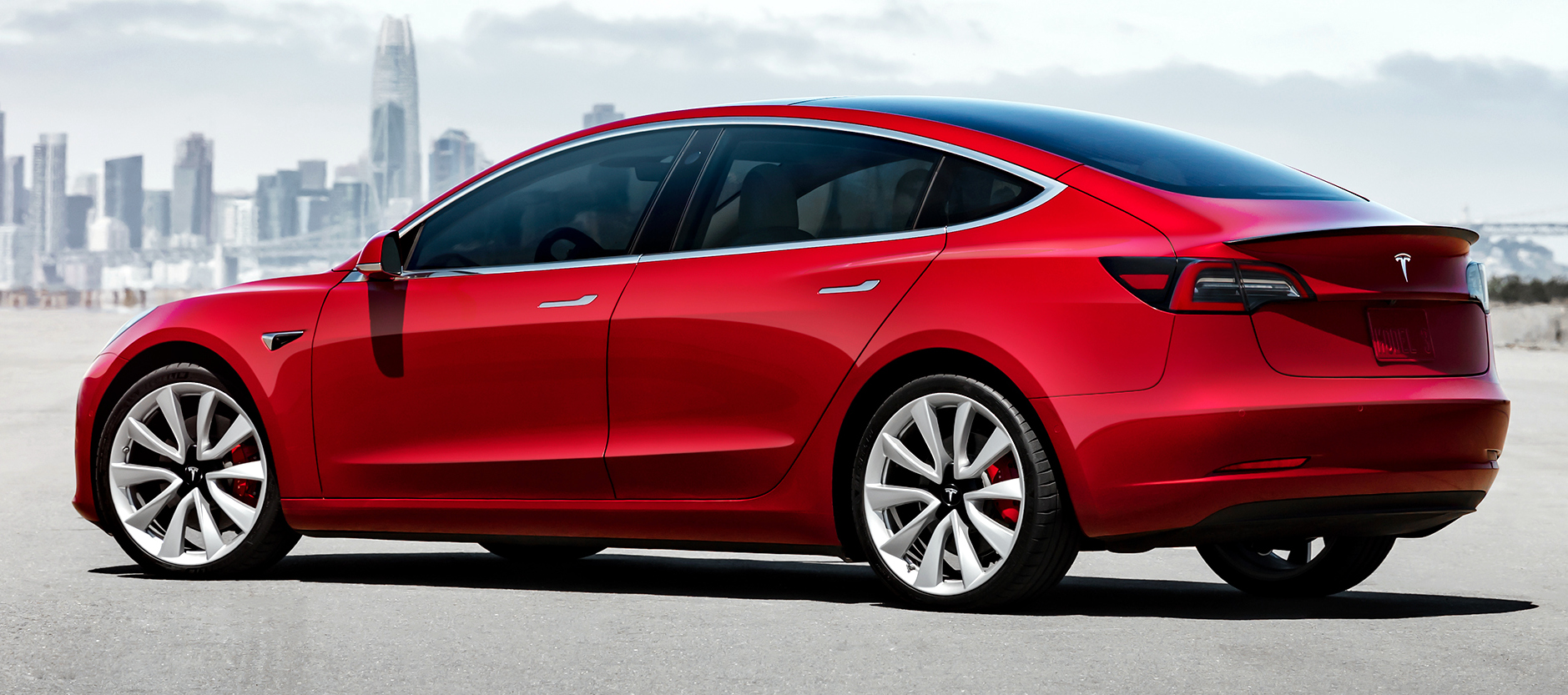
The 2020 Tesla Model 3 continued findings of the earlier tests, receiving Good marks on all IIHS tests and 5 Stars in all NHTSA tests.

Electric cars are safer than conventional cars due to the fact they don’t carry highly combustible gasoline.
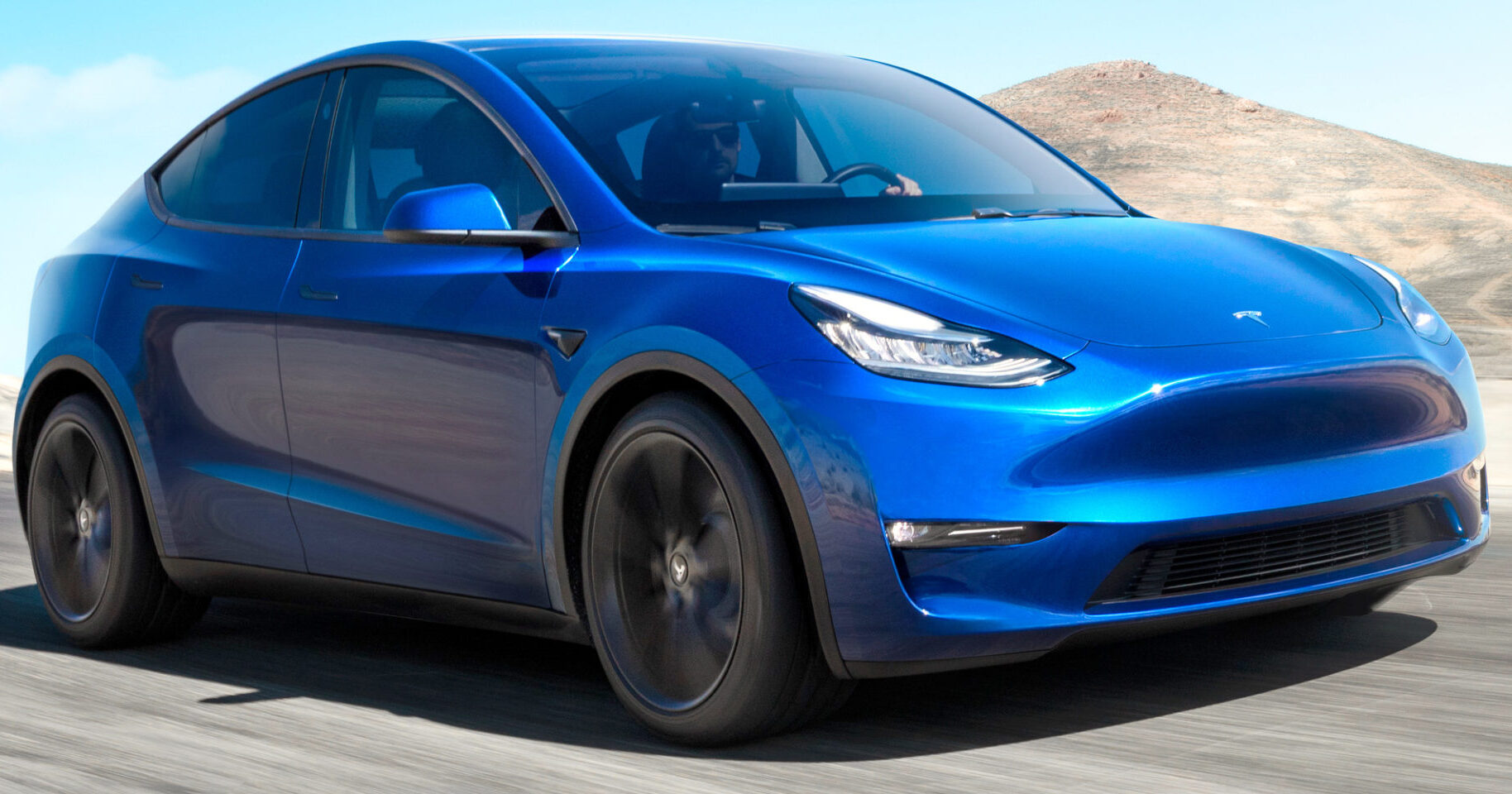
Two major, much-anticipated models arrive this year—the Tesla Model Y and the Ford Mustang Mach-E.
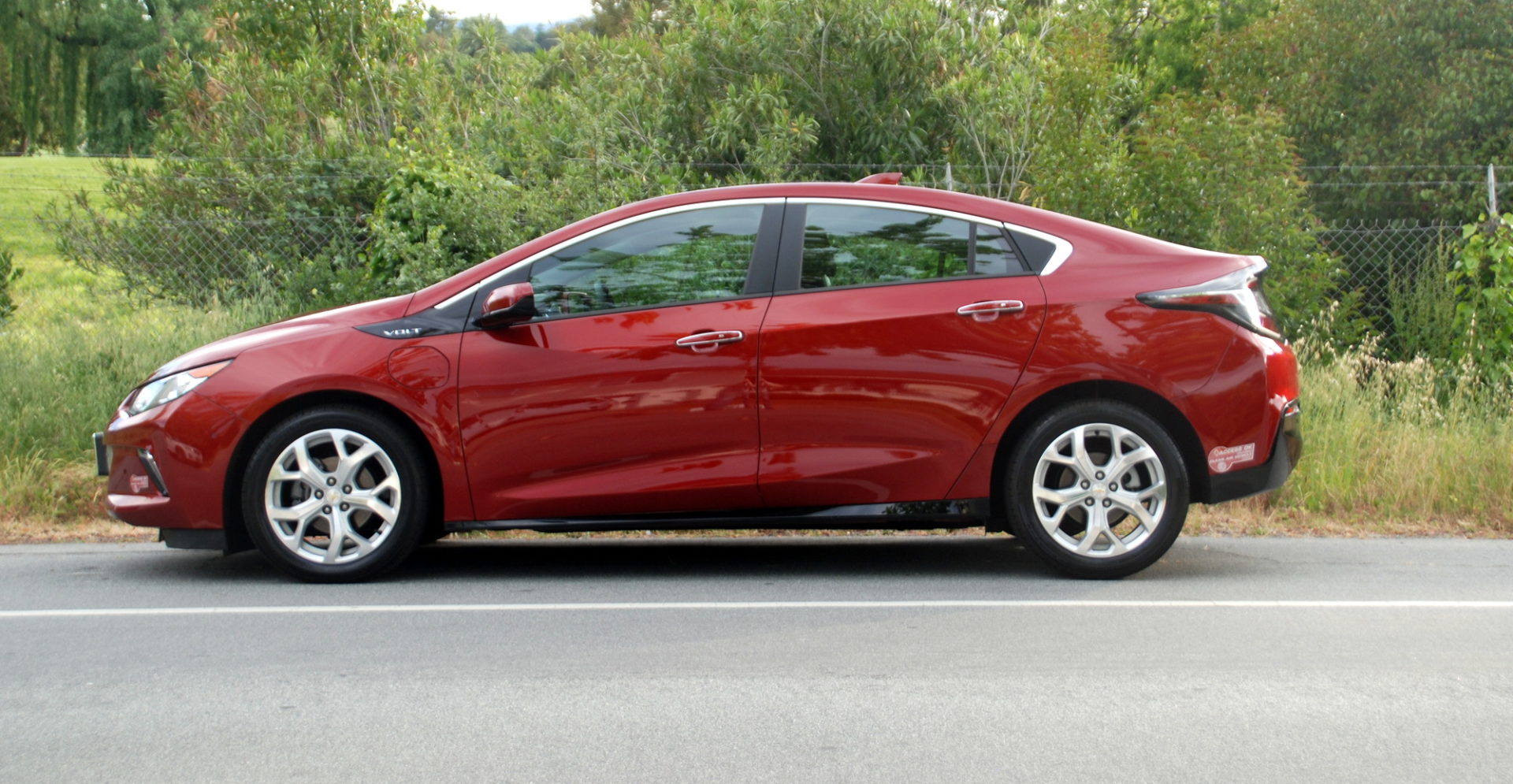
Plug-in vehicles sales (pure battery electrics and plug-in hybrids) hit a speed bump after a meteoric rise in 2018, dropping from 361,300 to 325,800.
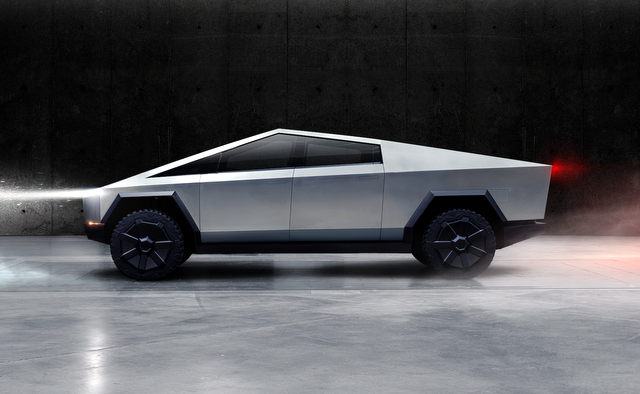
The breaking glass during the unveiling of the Tesla Cybertruck wasn’t the only shock: the exterior design completely breaks with the hyper-streamlined styling of the other Tesla models.