
This article may contain affiliate links.
Effective fleet management is a cornerstone of operational efficiency for businesses that rely on vehicles to deliver products or services.
From controlling costs to guaranteeing driver safety, managing a fleet requires careful planning, consistent oversight and informed decision-making. As fleets grow in size and complexity, small inefficiencies can quickly turn into significant expenses if left unaddressed.
Successful fleet management goes beyond keeping vehicles on the road. It involves balancing financial responsibility, regulatory compliance, maintenance planning, and driver accountability.
When these elements work together, organizations can reduce downtime, improve safety and maximize the return on their fleet investments.
Understanding Cost Drivers in Fleet Operations
One of the first steps toward fleet management success is understanding where costs originate. Fuel, maintenance, insurance and depreciation are often the largest expenses, and each can fluctuate based on usage patterns and management practices.
Monitoring these factors closely allows fleet managers to identify trends and address issues early.
Insurance costs, in particular, can change unexpectedly. Understanding reasons auto insurance rates increase helps fleet managers make informed decisions around driver training, vehicle selection, and risk reduction. Awareness of these factors allows businesses to implement preventive strategies that help control long-term insurance expenses.
Clear labels reduce confusion for new riders or staff who may not be familiar with the space. Using durable, water-resistant labels helps them remain readable.
Color-coding can further improve efficiency by grouping similar equipment or assigning gear to specific riders. Establishing simple rules for returning items reinforces accountability and consistency. These small habits prevent disorder from creeping back into the storage area.
Establishing Preventive Maintenance Programs
Preventive maintenance is crucial for reducing breakdowns and extending the lifespan of your vehicle. Regular inspections, oil changes, tire rotations and brake checks help identify potential problems before they lead to costly repairs or downtime.
A structured maintenance schedule guarantees consistency across the fleet and reduces reliance on reactive fixes.
Well-maintained vehicles operate more efficiently, consuming less fuel and performing more reliably. This saves money and improves safety by reducing the likelihood of mechanical failures on the road.
Tracking maintenance activities with digital logs or fleet management software improves visibility and accountability.
These records help managers spot recurring issues and adjust schedules based on real-world performance. Preventive programs make budgeting more predictable by spreading costs instead of absorbing sudden repair expenses.
Using Technology to Track and Optimize Performance
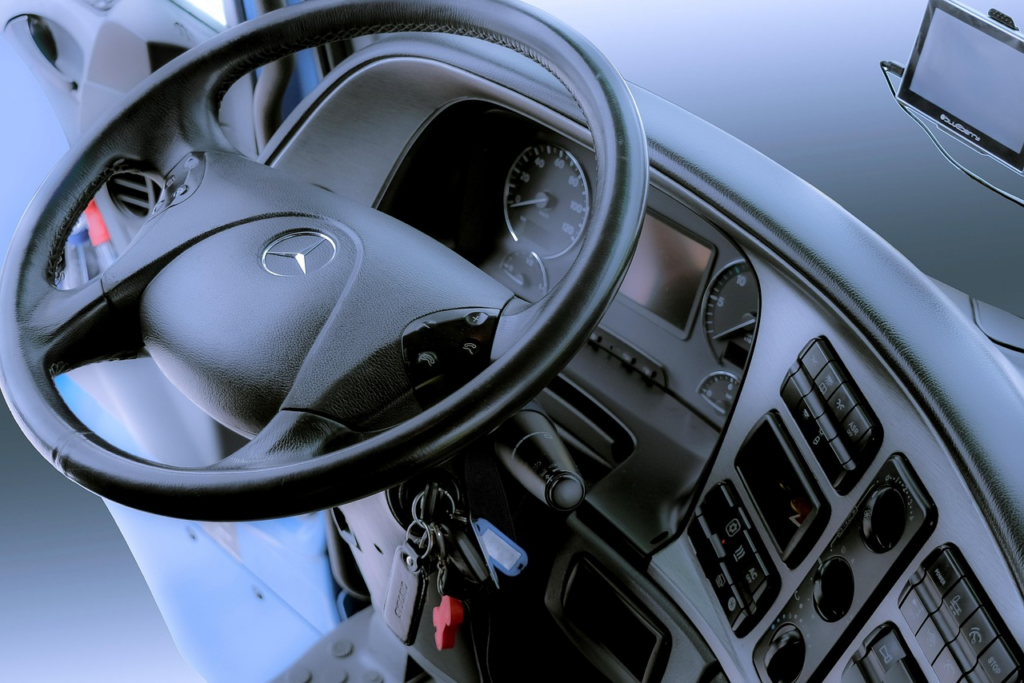
Modern fleet management relies heavily on technology. Telematics systems provide real-time data on vehicle location, fuel usage, idle time and driver behavior. This information allows managers to optimize routes, reduce fuel consumption and improve productivity.
Tracking performance metrics supports accountability. When drivers understand that their habits are monitored, they are more likely to follow safe driving practices. This data-driven approach leads to measurable improvements in efficiency and safety.
Advanced analytics can turn raw telematics data into actionable insights over time. Patterns in speeding, harsh braking or excessive idling help identify training needs and policy adjustments.
Technology supports preventive maintenance by flagging engine codes or usage trends before failures occur. Integrating these systems into daily operations creates a clearer picture of fleet health.
Prioritizing Driver Safety and Training
Drivers play a critical role in fleet success. Investing in comprehensive training programs helps guarantee drivers understand company policies, vehicle operation and safe driving techniques.
Regular refresher courses reinforce best practices and adapt training to changing regulations or technologies.
A strong safety culture reduces accidents, protects employees and minimizes liability. Safer driving records contribute to lower operating costs by reducing repair expenses, insurance claims and downtime caused by incidents.
Managing Fuel Consumption Effectively
Fuel is one of the most variable fleet expenses. Monitoring fuel usage patterns helps identify inefficiencies such as excessive idling, poor route planning or aggressive driving. Addressing these behaviors can lead to immediate cost savings.
Optimizing routes using GPS tools reduces unnecessary mileage and fuel waste. Encouraging drivers to follow fuel-efficient driving techniques further improves savings and reduces environmental impact.
Checklist for Fleet Management Success
- Monitor fuel usage and idle time regularly
- Implement preventive maintenance schedules consistently
- Use telematics to track vehicle and driver performance
- Provide ongoing driver safety and efficiency training
- Review insurance policies and risk factors annually
- Analyze data to identify cost-saving opportunities
This single checklist highlights core practices that support sustainable and efficient fleet operations.
Regulatory Compliance
Fleet managers must stay informed about regulations related to vehicle safety, emissions, licensing and driver hours.
Non-compliance can result in fines, legal issues, and reputational damage. Maintaining accurate records and conducting regular audits helps guarantee adherence to applicable laws.
Compliance protects drivers and the public by enforcing standards designed to promote road safety. Proactive compliance management reduces risk and supports smoother operations across the fleet.
Evaluating Vehicle Selection and Lifecycle Planning
Choosing the right vehicles for your fleet impacts costs, performance and reliability. Factors such as fuel efficiency, maintenance requirements and suitability for specific tasks should guide purchasing decisions.
Standardizing vehicle models where possible simplifies maintenance and parts management.
Lifecycle planning guarantees vehicles are replaced at optimal times. Keeping vehicles too long increases repair costs and replacing them too early may not maximize value. Data-driven replacement strategies balance cost efficiency with reliability.
Improving Communication and Accountability
Clear communication between fleet managers and drivers supports smoother operations. Providing drivers with clear expectations, performance feedback, and access to reporting tools develops accountability and engagement.
When drivers feel informed and supported, compliance and performance improve.
Regular check-ins allow managers to address concerns early, identify training needs and reinforce safety and efficiency goals. Strong communication builds trust and improves fleet performance.
Planning for Scalability and Growth
As businesses expand, fleet operations must scale accordingly. Planning for growth involves evaluating infrastructure, staffing and technology needs in advance. Scalable systems prevent operational bottlenecks and guarantee consistent standards as fleet size increases.
Anticipating future requirements allows organizations to invest strategically rather than reactively. This forward-thinking approach develops long-term success and adaptability in a changing market environment.
Fleet management success depends on a balanced approach that integrates cost control, safety, technology and compliance.
By understanding key cost drivers, prioritizing preventive maintenance and utilizing data effectively, organizations can operate more efficiently and mitigate risk.
Consistent driver training, thoughtful vehicle selection and proactive planning further strengthen fleet performance.
With structured processes and informed decision-making, fleet managers can build resilient operations that support business goals and maintain safety and financial stability.
