Another Electric Off-Road Contender
Toyota entered the electric vehicle world in 2023 with the BZ4X small SUV. It never really caught the eye of EV savvy consumers that had many options to choose from then, and many more introduced since. Toyota, the largest auto manufacture in the world, didn’t stand pat, but moved to the vastly improved 2026 BZ (no longer called BZ4X) that can now compete head-to-head with the all-electric vehicle field. But wait, there’s more.
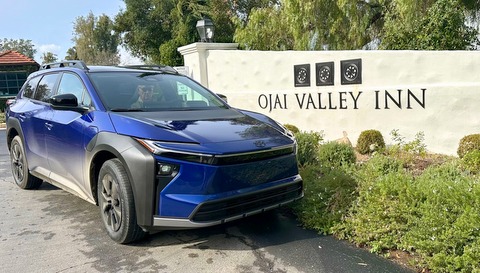
Toyota brought automotive journalists to Ojai, California, last week for the first drives of the all-new 2026 BZ Woodland EV, the more rugged and off-road capable version of the BZ.
This Flash Drive overview of the 2026 BZ Woodland is what we experienced in a couple hours behind the wheel. Clean Fleet Report will write a more detailed Road Test review in the coming months when we spend a week in the car and dive deeper into the BZ Woodland. Until then, this primer is a good place to start.
Power and Range
- All-wheel drive (AWD)
- Dual motors
- Power: 375 horsepower (hp) and 198 pound-feet of torque (lb.-ft.)
- 0-60 mph: 4.4 seconds
- Battery: 74.7 kWh
- Onboard Charger 11 kW
- Curb Weight: 4,545 pounds
- All-Electric Range (AER): 281 miles with all-season tires; 260 with all-terrain tires
Hitting the Road
Smooth and instant acceleration and torque, available at any speed, is what makes driving an electric vehicle so wonderful. There is no engine or transmission lag, just seamless power when needed. The all-new 2026 BZ Woodland more than competently delivers all those.
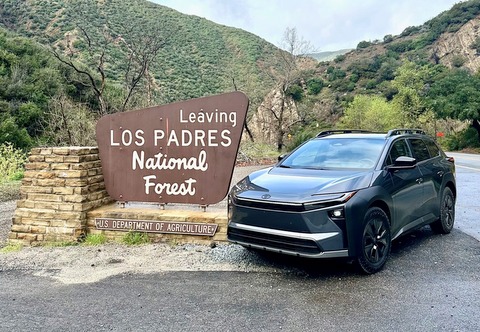
The BZ Woodland shines in town and on the open road. My drive partner and I took the BZ Woodland, which has standard AWD with dual motors, out for a few hours in sunny and dry weather. We departed the Ojai Valley and headed into the Topatopa Mountains that are part of the Los Padres National Forest. The different conditions experienced on this drive route included city streets, mountain twisties, the 101 freeway and some fun off-roading.
The BZ Woodland was more than up to the task for everything we threw at it. The spirited acceleration from a stop or needing to pass traffic when on the freeway at 60 mph got us over 70 mph quickly. Climbing CA33 over Pine Mountain Summit at 5,160 feet was a breeze.
There are two drive modes—Normal (default) and Eco. The former is where we spent most of the time as Eco is meant for long-range cruising on the open road, something we did not experience. Most EVs we test have an additional Sport drive mode. When asking a Toyota rep why there wasn’t one, the reply was: “Did you think you needed Sport?” This was a good question as when ascending and descending the mountain roads we didn’t feel anything was lacking.
The BZ Woodland has steering wheel-mounted paddles to control the brake regeneration (technically this is reversing the electric motors and not applying the brakes), which replenishes the battery by converting kinetic energy into electricity when braking or coasting. Four pulls on the left paddle increases regeneration; three on the right paddle decreases it.
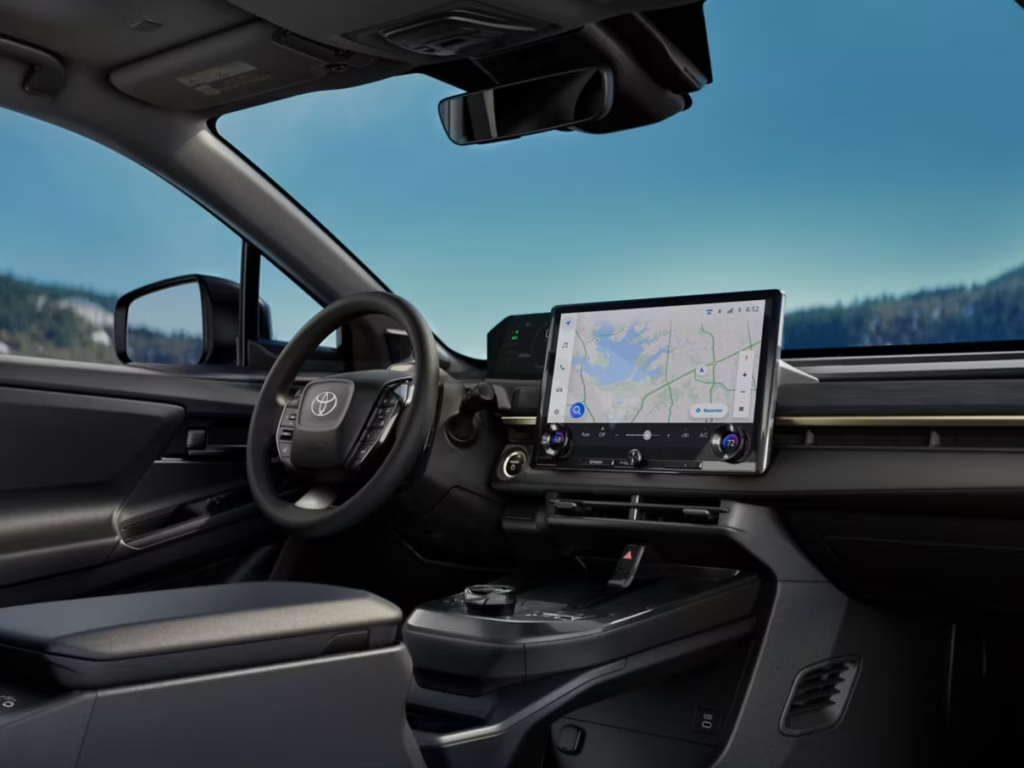
The regen levels are not as strong as on other EVs we have driven, but after a short time we grew to get a feel for what Toyota engineers had designed. We mastered descending the mountains without touching the brake pedal, relying on our fingertips to slow (left paddle) into a corner and release the slowing (right paddle) to let the motors turn faster. Employing this technique results in the smoothest and fastest way to go through curves without needing to tap the brake pedal. In town, not applying the brakes is a smooth and easy way to negotiate traffic.
Handling, Suspension and Grip
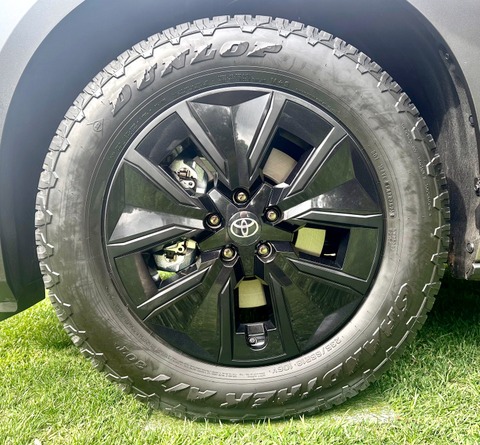
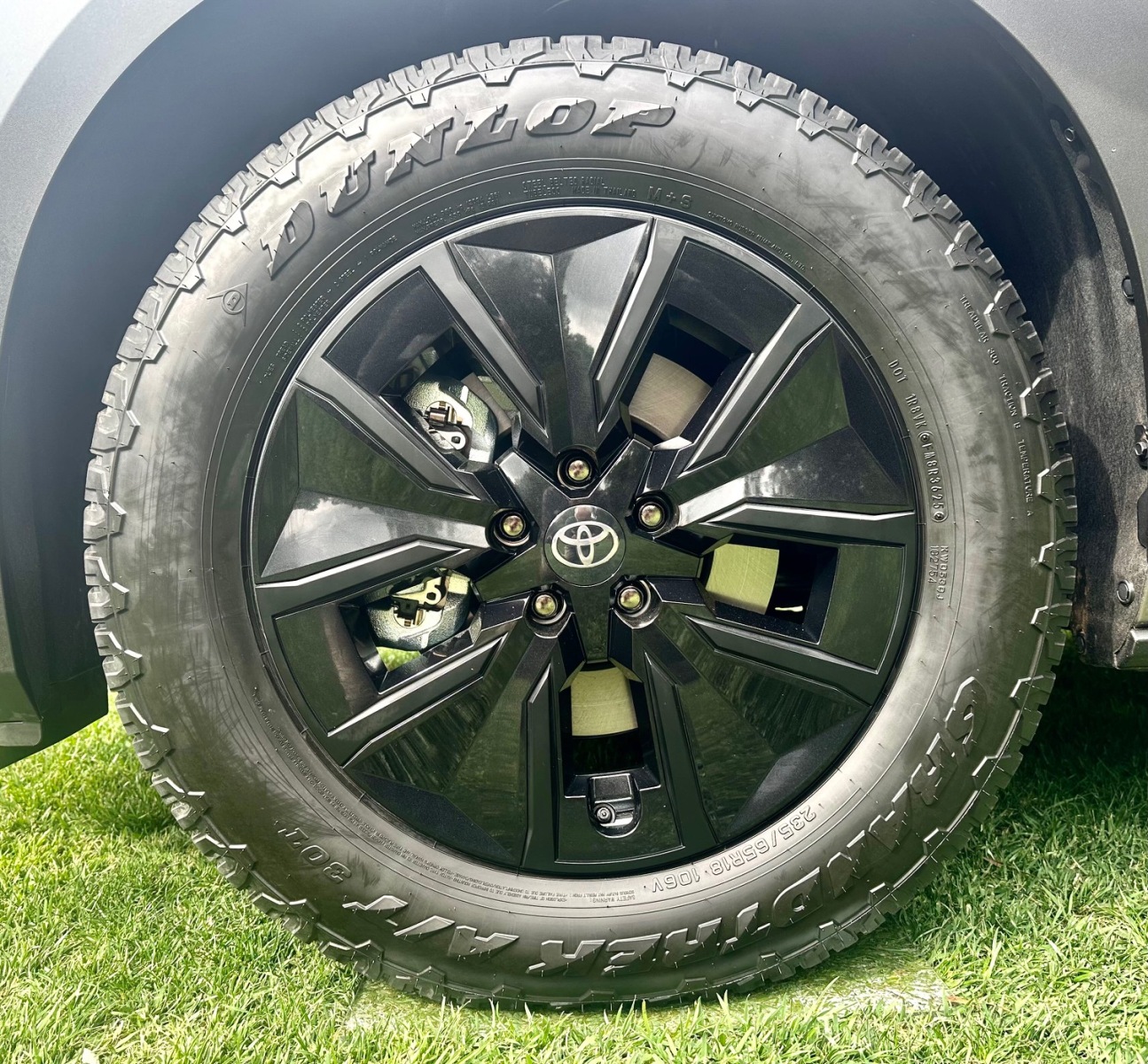
Handling was solid with a low center of gravity as the batteries, weighing approximately 1,000 pounds, are placed under the floor. The BZ Woodland comes with either 18-inch all-season tires or 18-inch all-terrain tires. We tested both, driving into the mountains on CA33 and found they performed very similarly, with the all-season having a slightly softer ride.
The independent MacPherson struts up front, a multi-link rear suspension and stabilizer bars all around allowed for corners to be taken briskly with little-to-no body roll. We liked how the electronic torque distribution, from front to rear, sustained higher speed cornering without any sense of losing grip. Another way to say it is: Our cornering ambition never exceeded the BZ Woodland’s adhesion.
Slowing and Stopping
The BZ Woodland does not have full one-pedal driving, where it would come to a complete stop through regenerative braking. The Woodland slows to 4 mph, what is known as creep mode, so it is necessary to tap the brake pedal to come to a complete stop. Toyota did include a Brake Hold button that holds the Woodland at a stop, eliminating the need to continue to press on the brake pedal waiting for the light to change. This is a welcome feature as it relieves pressure on the driver’s right leg.
The ventilated front and rear anti-lock disc brakes, with electronic brake-force distribution and brake assist, delivered straight stops without pedal fade.
Charging
The Woodland comes with a pre-conditioner that brings the battery to an optimum charging temperature when DC fast charging. The battery can be trickle-charged with a 120V common wall plug, but expect replenish times to be long and slow. The best bet for owners will be to install a Level 2 (240V) home charger that will deliver a full charge in about seven hours.
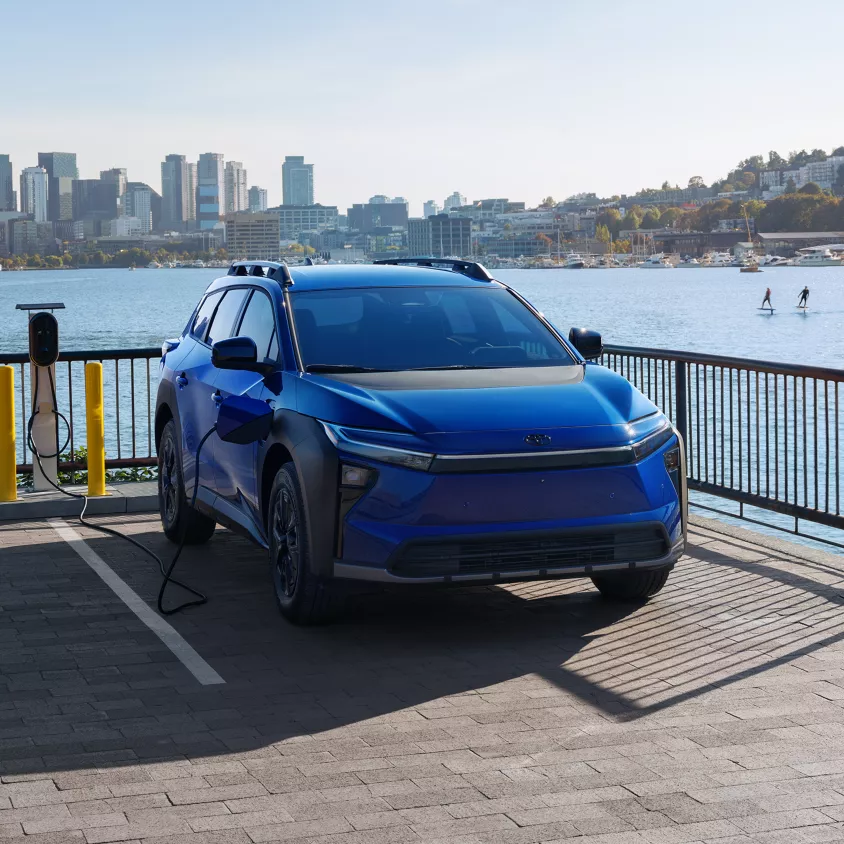
The standard North American Charging System (NACS) charging port provides access to thousands of high-speed Tesla SuperCharger stations nationwide. DC fast charging at a 150 kW maximum will take the BZ from 10-80% battery capacity in around 30 minutes.
New for 2026 the BZ Woodland has Plug & Charge that allows automatic identification, authentication and authorization at selected charging networks, reducing the need for multiple mobile charging applications. Plug & Charge is accessed through the Toyota App.
Contemporary Exterior
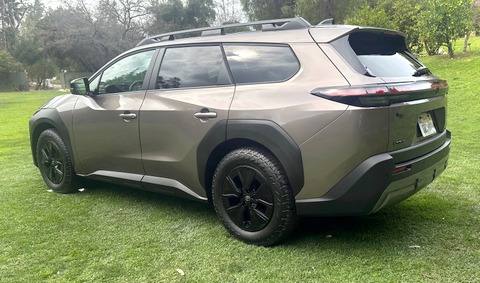
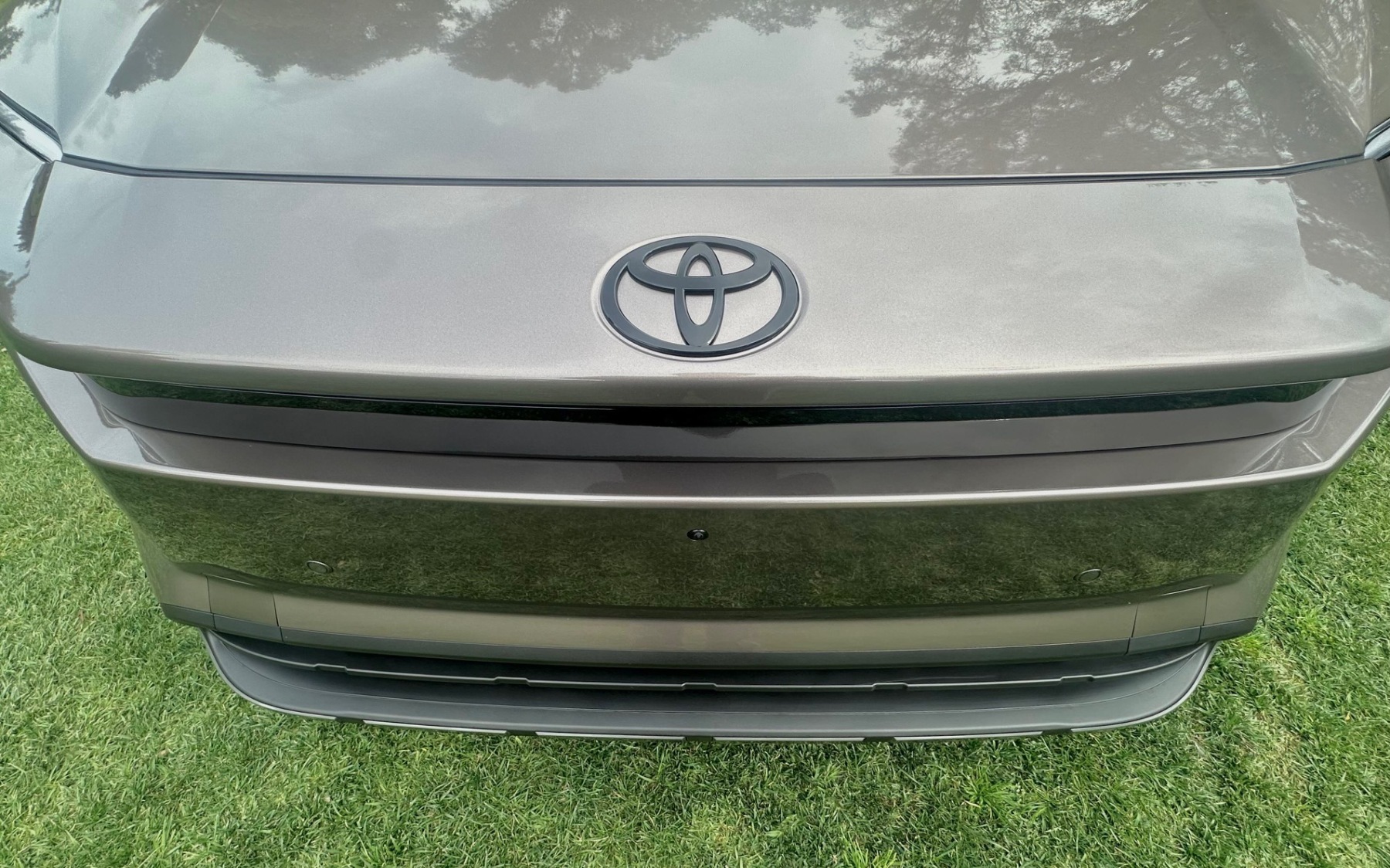
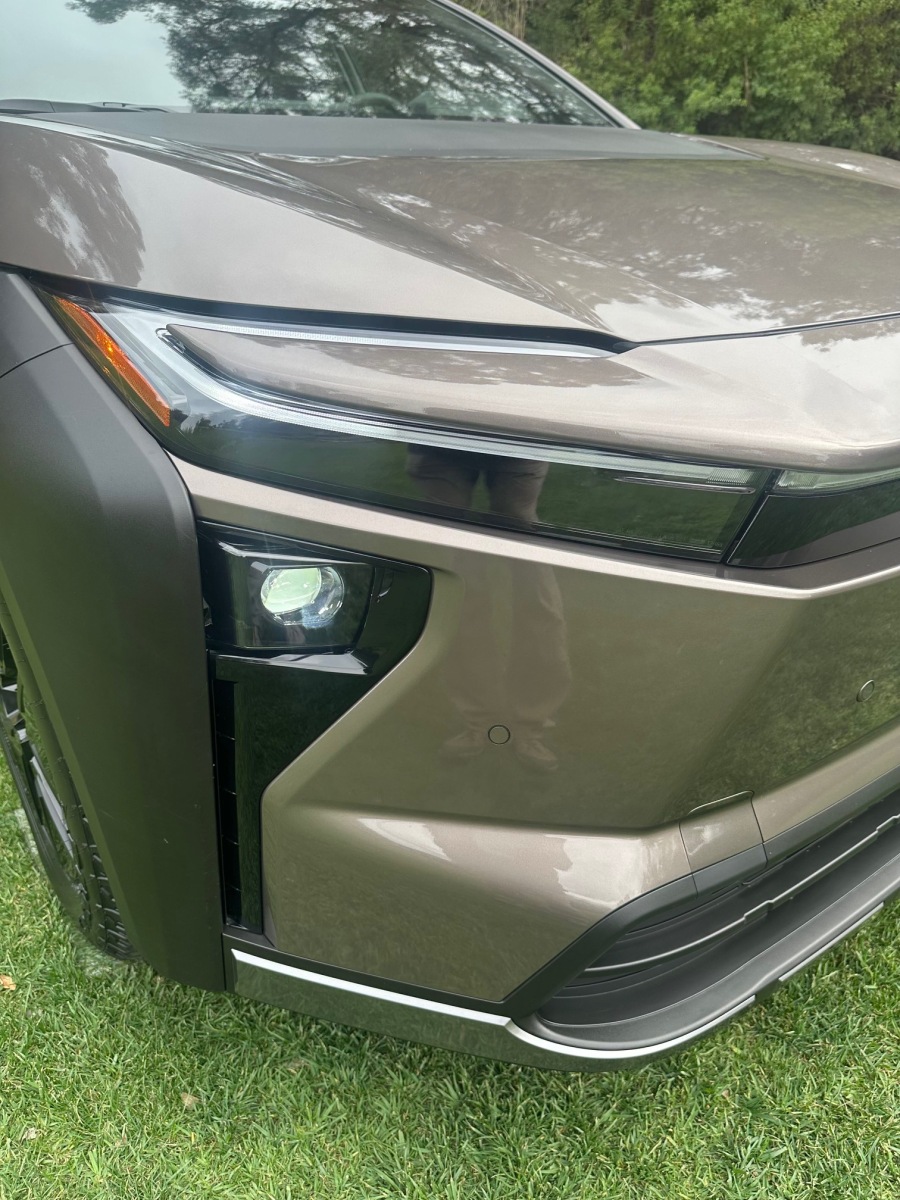
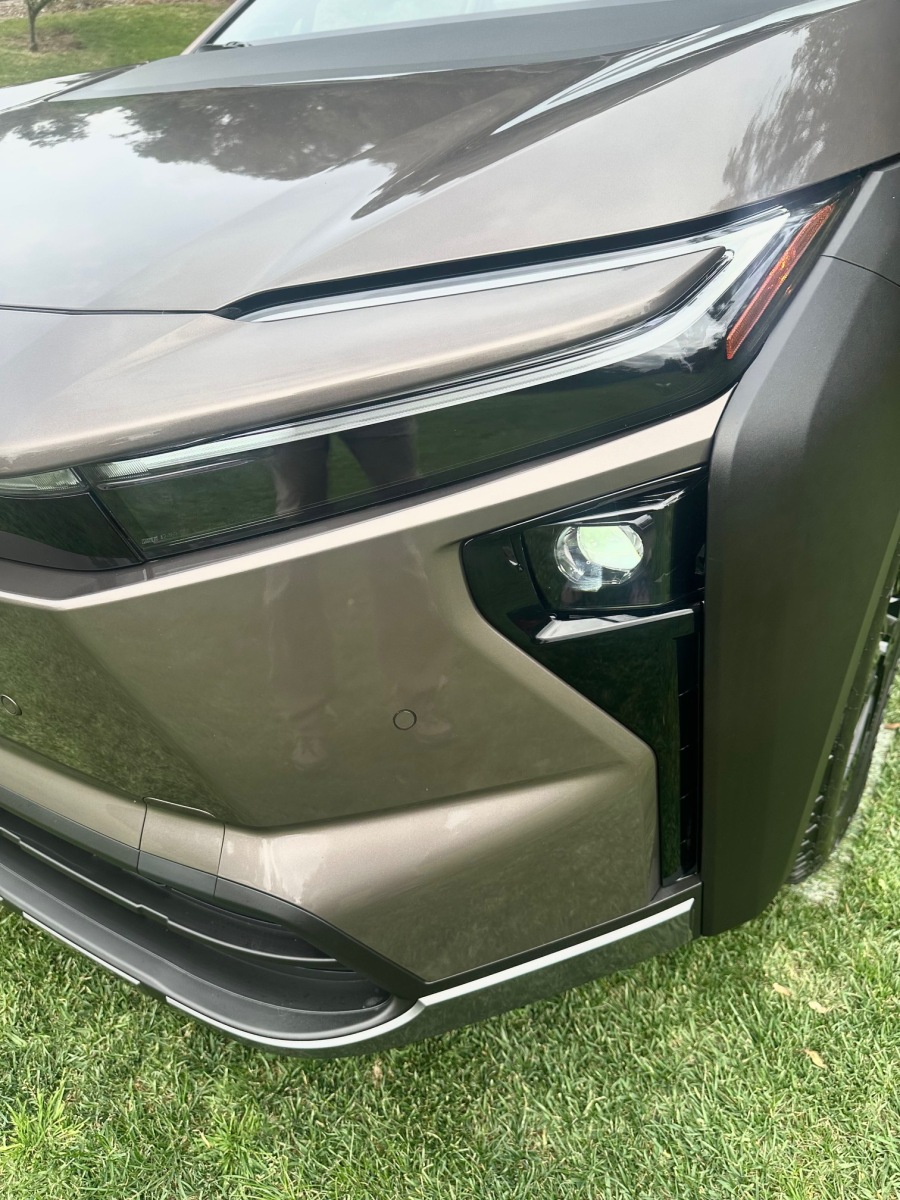
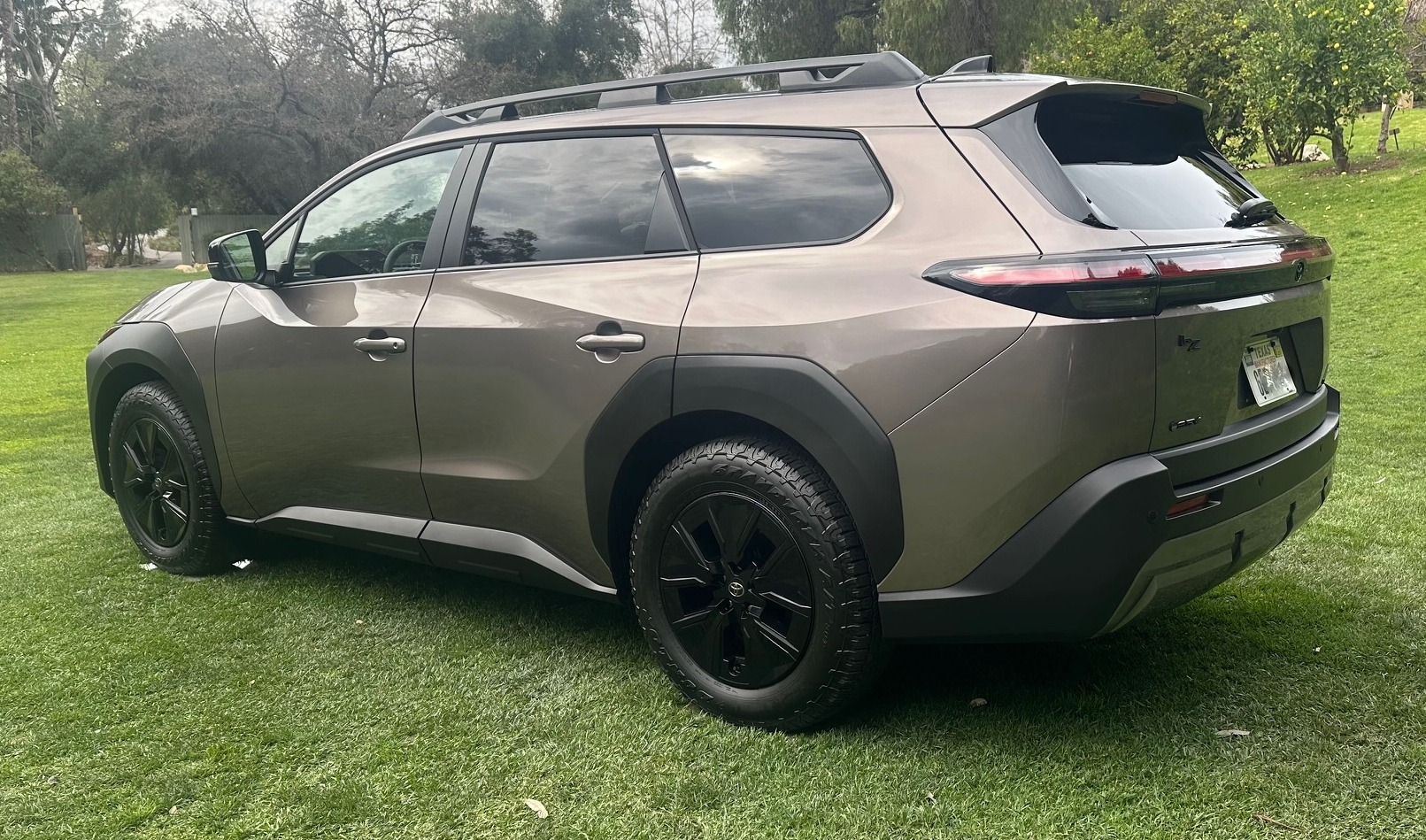
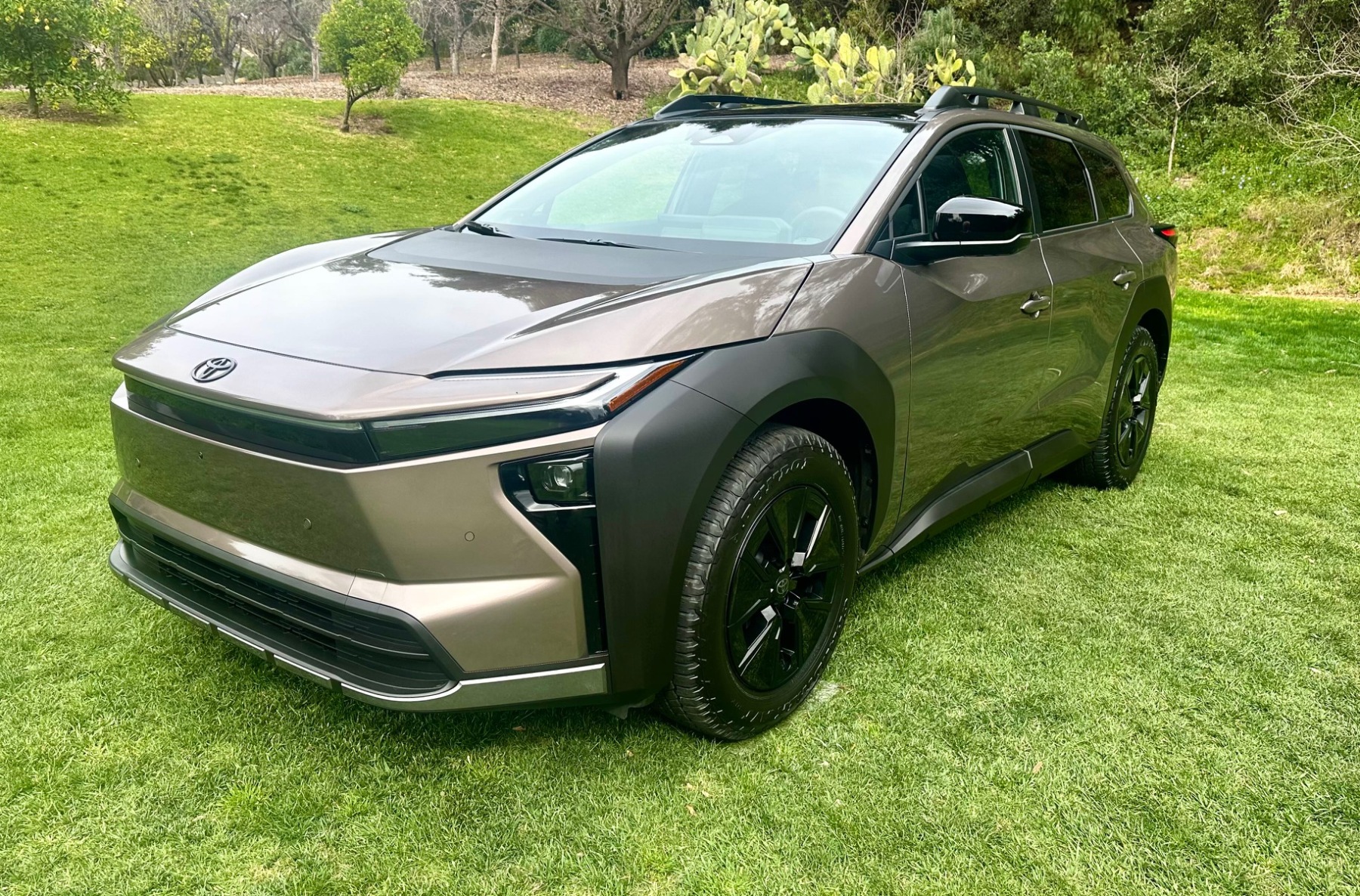
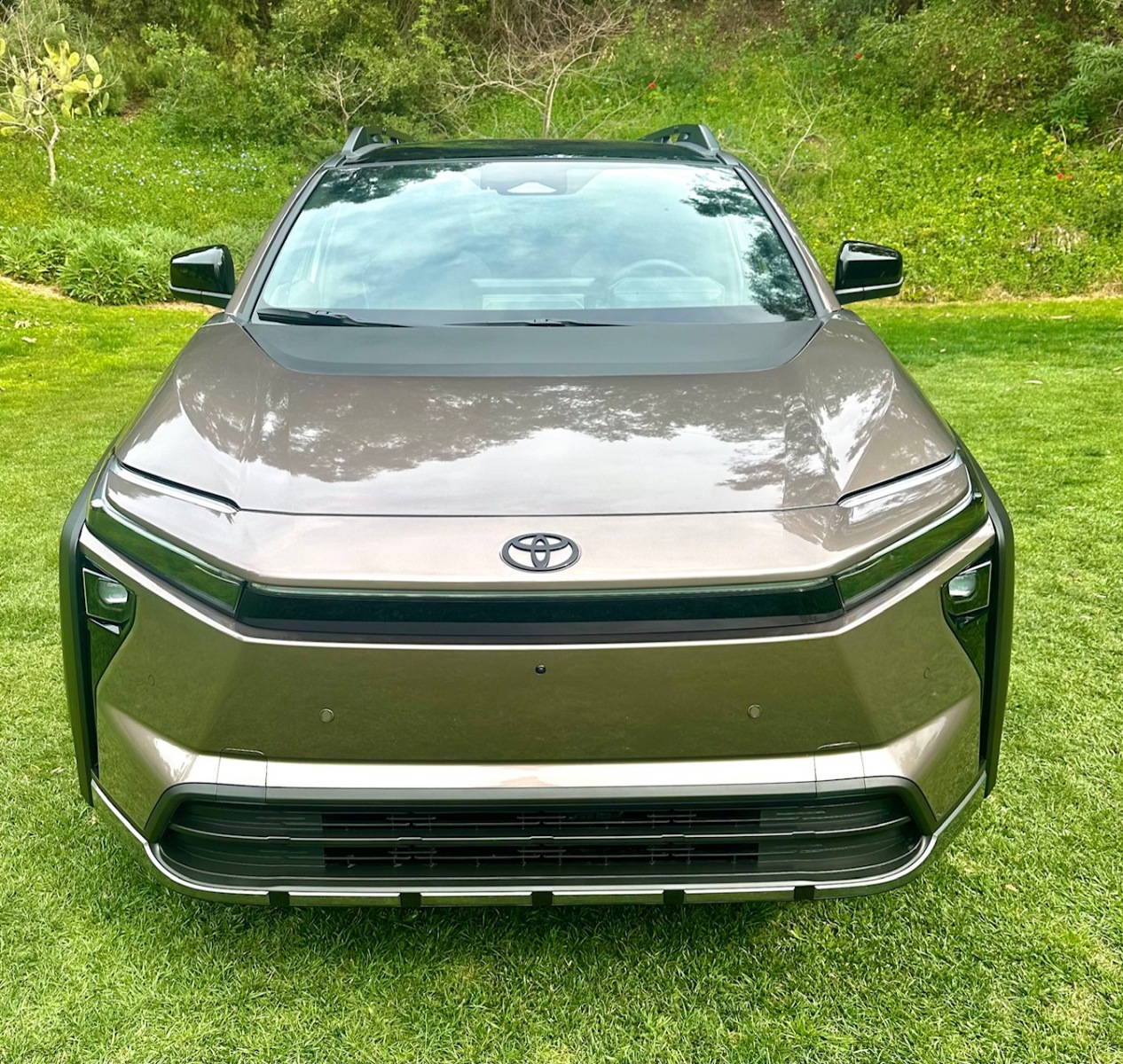
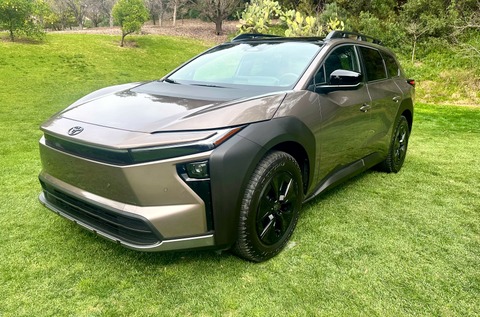
The 2026 BZ exterior has been completely redesigned from the first generation BZ4X. The changes to the fascia and lighting create a sleeker front end. On some colors the option for color-matched fender cladding make the new BZ a much more contemporary-looking crossover. The hammerhead shark-like front end consists of a flat nose, curved bumper corners with a slim grille, narrow multi-LED projector headlights and daytime running lights that complete the look. Sculpting on the doors and rear quarter panels has been added.
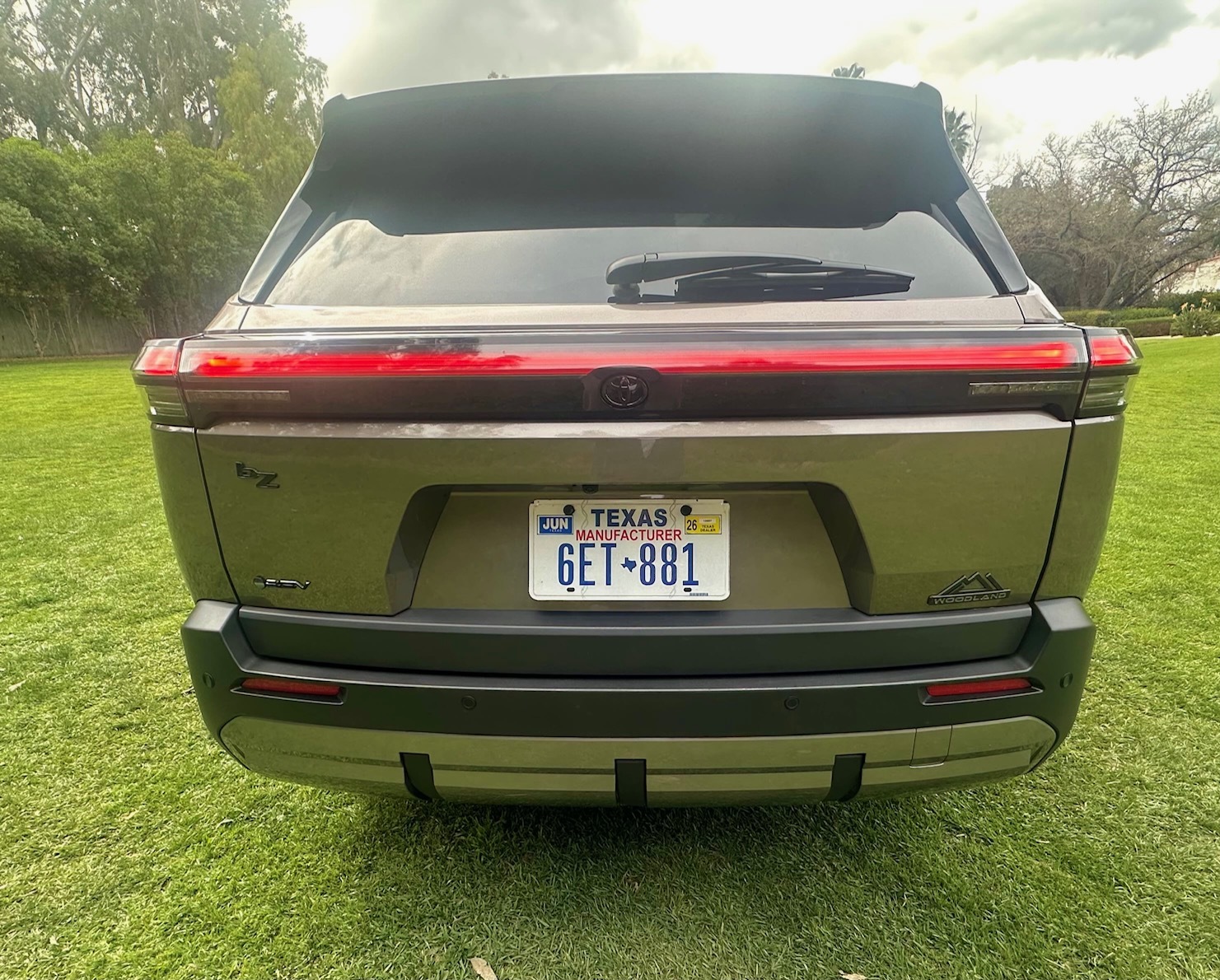
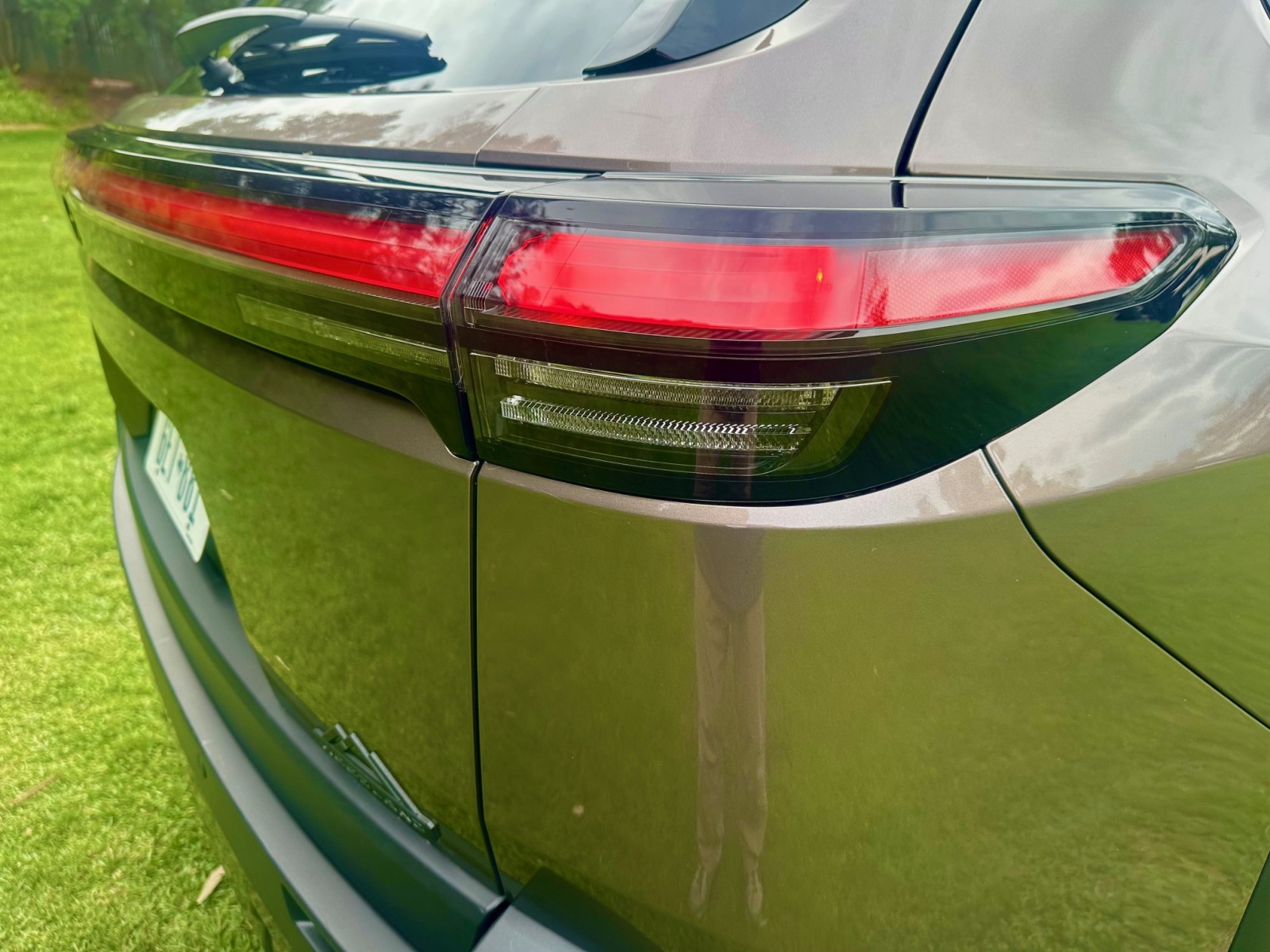
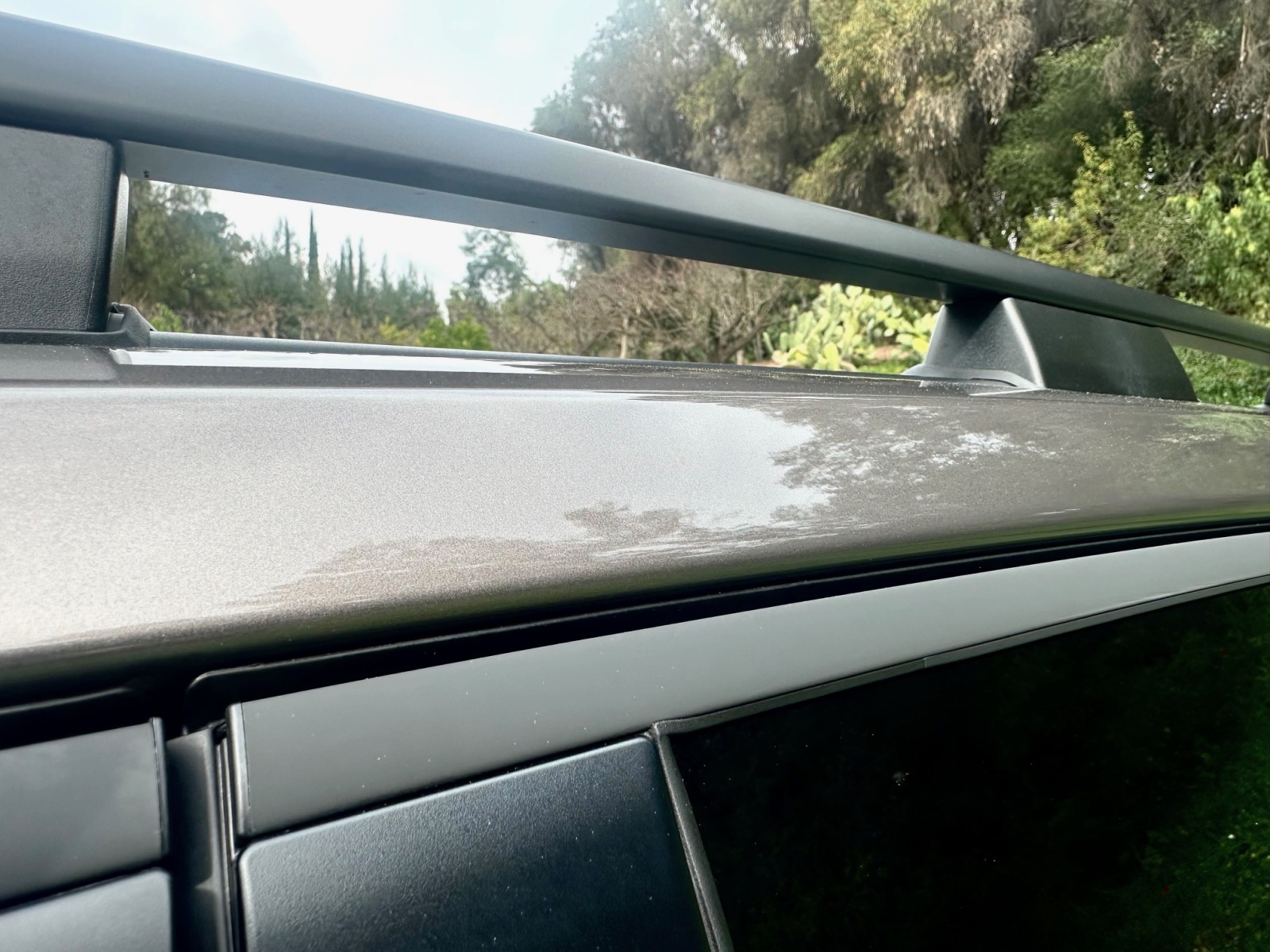
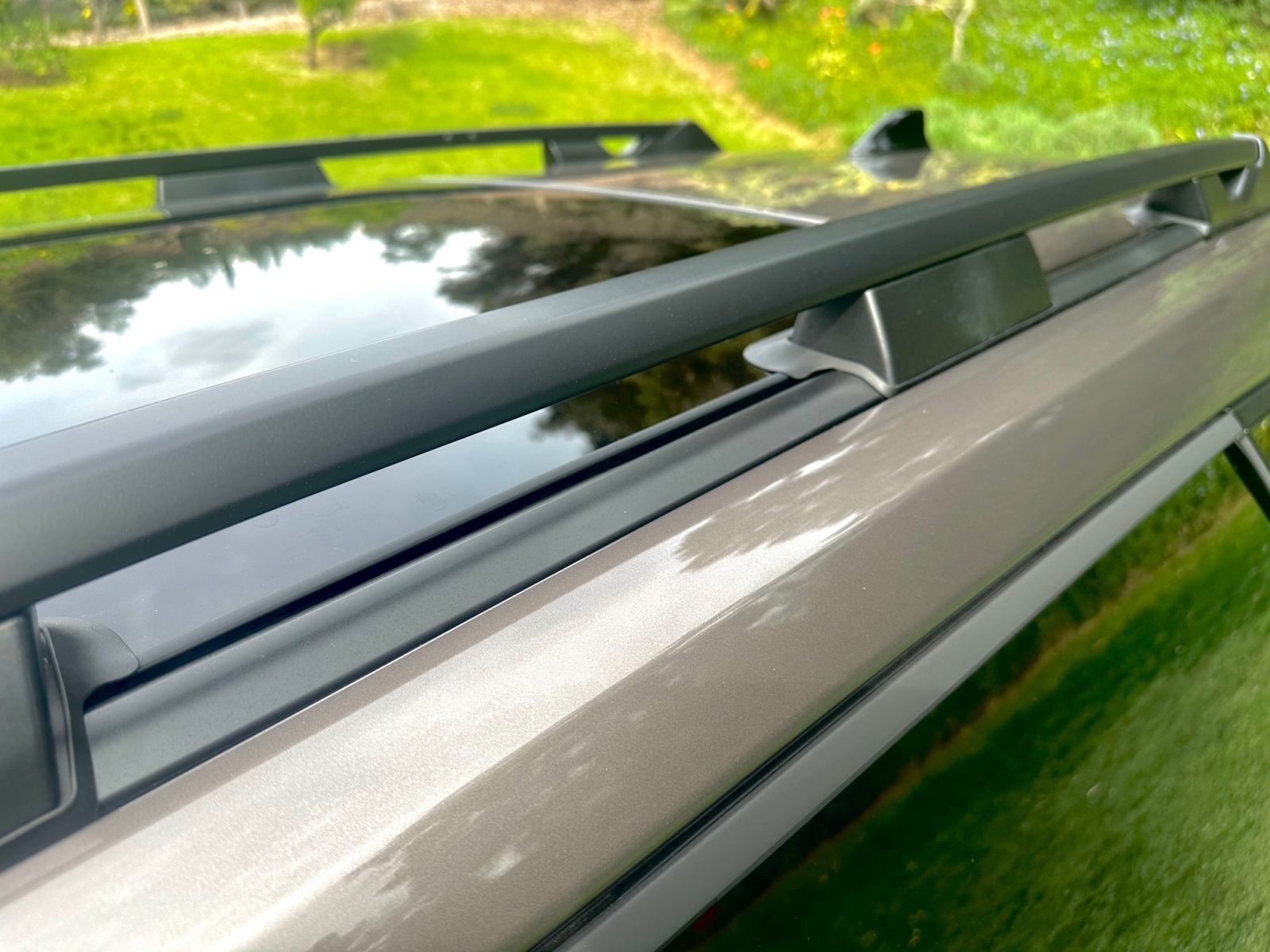
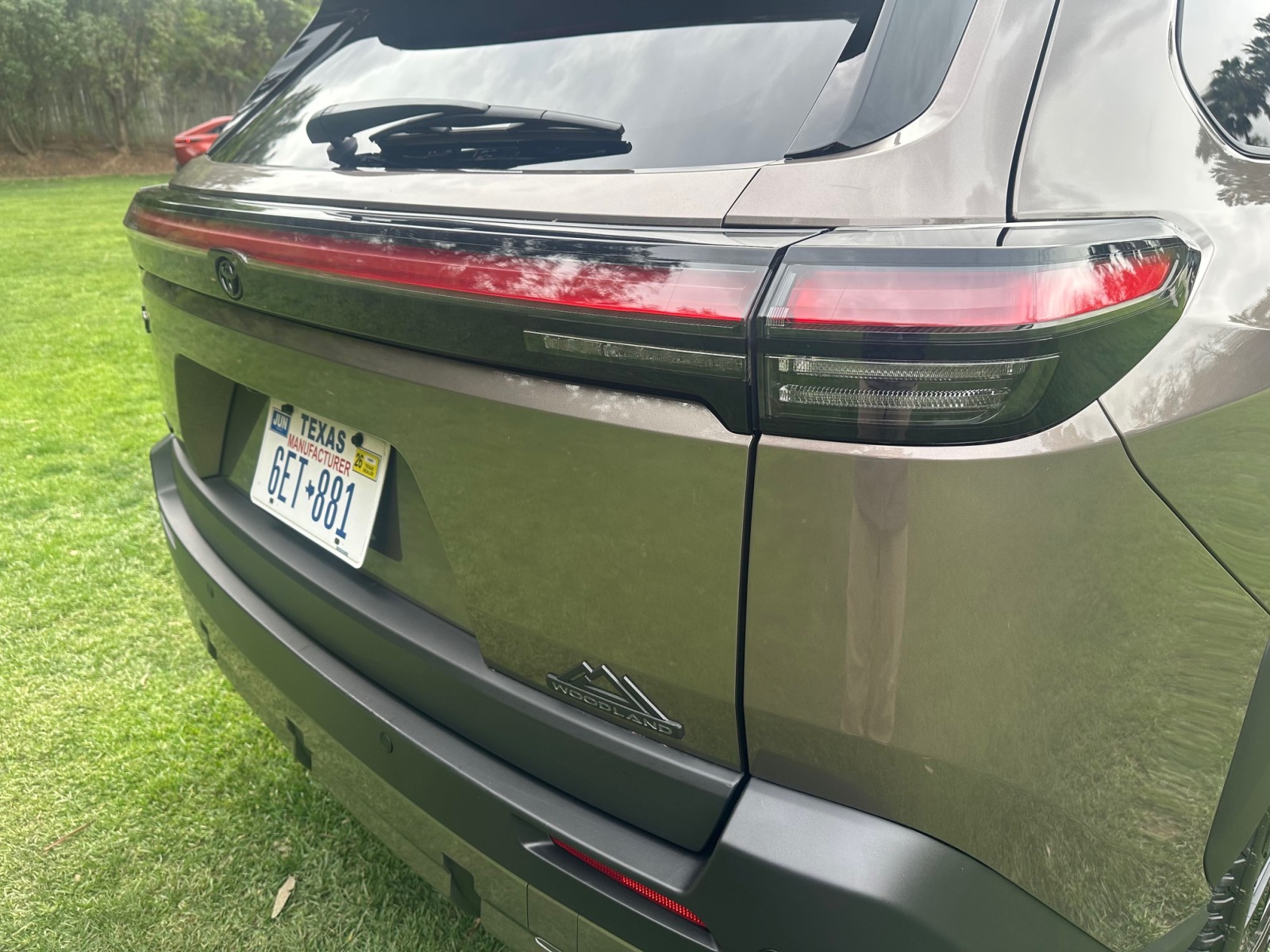
The front and rear overhangs are short, while low-profile roof rails frame the optional glass moonroof. The foot-activated power lift gate has an interesting dual-wing ducktail top spoiler with a more conventional lip spoiler at the bottom of the steeply sloped glass. Narrow LED tail lights, with a connecting light strip, take-up little space on the rear.
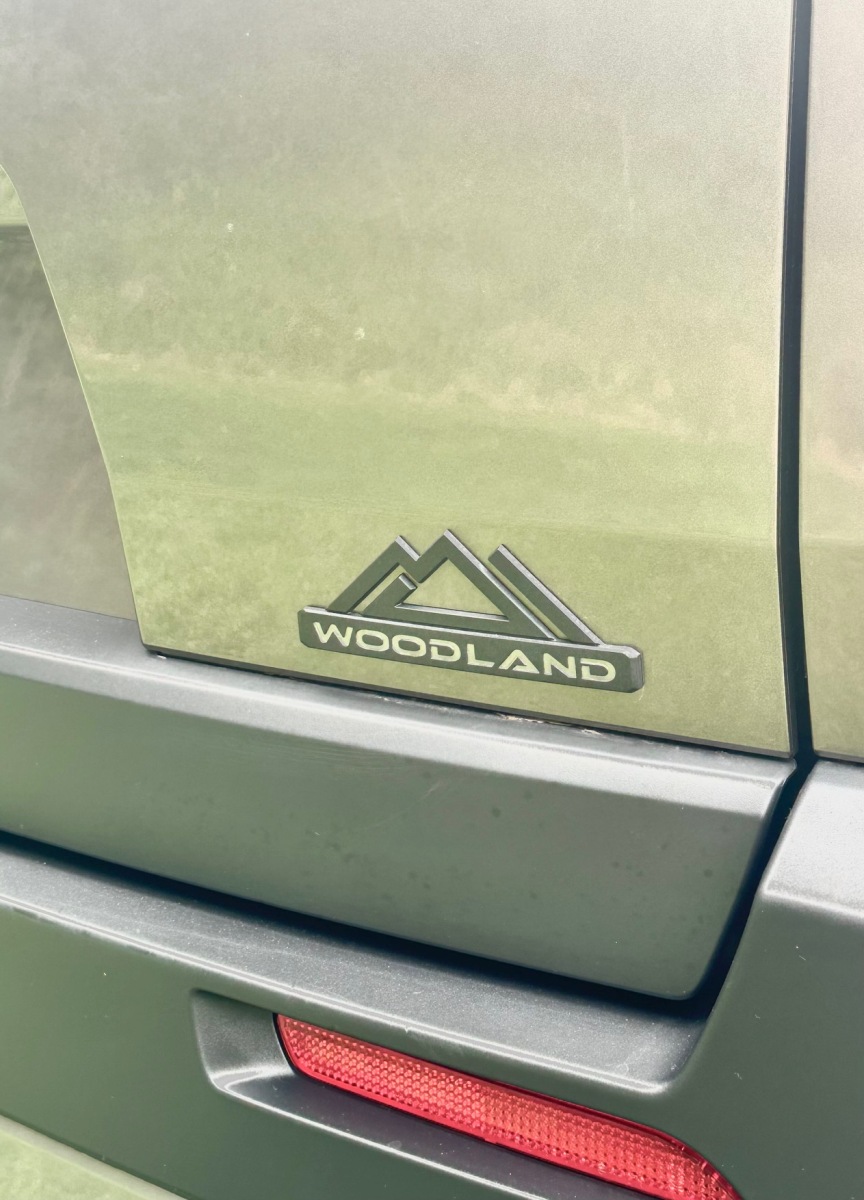
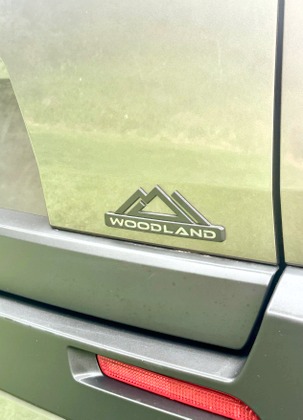
Woodland-only treatment includes black ladder-type roof rails, 18-inch wheels with black covers, a color-keyed front center bumper and lower grille, black window trim, rear spoiler, color-keyed door handles, auto tilt mirrors with memory and a panoramic fixed-glass roof with power sunshade (Premium trim, the only other trim available). Exclusive colors for the Woodland are Stepping Stone, Halo, Steel, Pavement, Raven Black and Trueno Blue.
Upgraded Interior
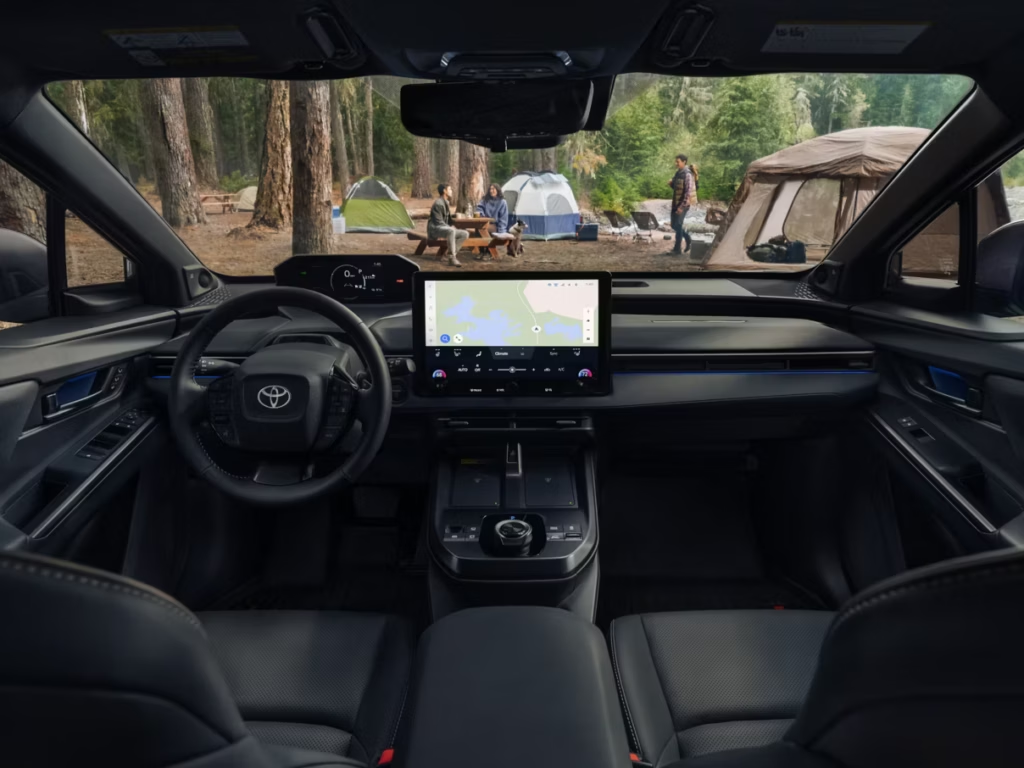
Driver visibility is very good with thin A-pillars, a sloping hood and tall windows. The front seats are supportive. The driver and passenger 8-way power seats are covered in fabric with SofTex trim. They are heated and ventilated (Premium trim), with heated rear seats standard. The all-weather floor mats and cargo liner are a welcome standard feature for those muddy off-road adventures.
The base Woodland and Woodland Premium each have a multimedia system with a 14.0-inch touchscreen. The base Woodland gets the Toyota audio system with six speakers while the Premium grade gets the fine-sounding 9-speaker JBL audio set-up that includes a subwoofer and amplifier. Both systems get navigation, SiriusXM (90-day trial), AM/FM radio and wireless Apple CarPlay and Android Auto. USB-C ports (4), a 1,500-watt AC outlet and wireless phone charging are standard.
Convenience
The BZ Woodland comes with a dual-zone automatic climate system with dust and pollen filters, rear passenger vents, power door locks and windows with auto up/down, digital key, Wi-Fi, tilt and telescoping steering column, soft touch dash and armrests, rain-sensing windshield wipers, 64-color ambient lighting and an auto-dimming rear view mirror with Homelink. A nice and unique feature are radiant foot-and-leg heaters for the front occupants on the Premium trim.
Wi-Fi Connect includes an AT&T Wi-Fi hotspot with compatibility for streaming for Apple Music and Amazon Music. A subscription required after trial and is 4G network dependent.
Safety Connect is standard as are backup and Bird’s Eye View cameras, child protector rear door locks and power window lockout, a tire pressure monitoring system and an anti-theft system with engine immobilizer. Active and passive advanced driver-assist systems (ADAS) include eight airbags, and the Toyota Safety Sense technology. Also standard is a pre-collision system that includes pedestrian detection, lane departure alert with steering assist and full-speed adaptive cruise control.
Pricing and Availability
Prices include the $1,450 dealer processing and handling fee.
- Woodland $46,750
- Premium $50,300
Both Woodland grades are set to arrive in Toyota dealerships during March 2026.
Warranties
- Battery – Eight years/100,000 miles
- Comprehensive – Three years/36,000 miles
- Powertrain – Five years/60,000
- Corrosion Perforation – Five years/Unlimited miles
- Complimentary Maintenance – Two years/25,000 miles
- Roadside Assistance – Two years/25,000 miles
Observations: 2026 BZ Woodland EV
The total number of electrified models in the Toyota lineup, including full battery electric, plug-in hybrid, and its fuel cell electric vehicle (California only) now totals 21 models. This is to be applauded, especially in the current climate of tariff whims. It is hard enough for an auto manufacturer to forecast consumer interest in a specific type of vehicle without external forces creating havoc in the planning process.
David Christ, group vice president and general manager Toyota Division, said Toyota will have a “multi-powertrain strategy” offering a wide range of vehicle options in different segments.
The BZ and BZ Woodland were designed with the American driver in mind. We certainly liked them for efficiency, handling, performance and their light environmental footprint.
Make sure to opt-in to the Clean Fleet Report newsletter (top right of page) to be notified of all new stories and vehicle reviews. We will write a full report on the BZ Woodland’s performance, charging speed, and driving range when we get the chance to drive it for a week or more.
Story by John Faulkner. Photos by John Faulkner and Toyota.