Wall Street Journal Op-Ed Needs a Better Accountant
Rebuttal of a misleading Wall Street Journal op-ed that trashes clean cars.
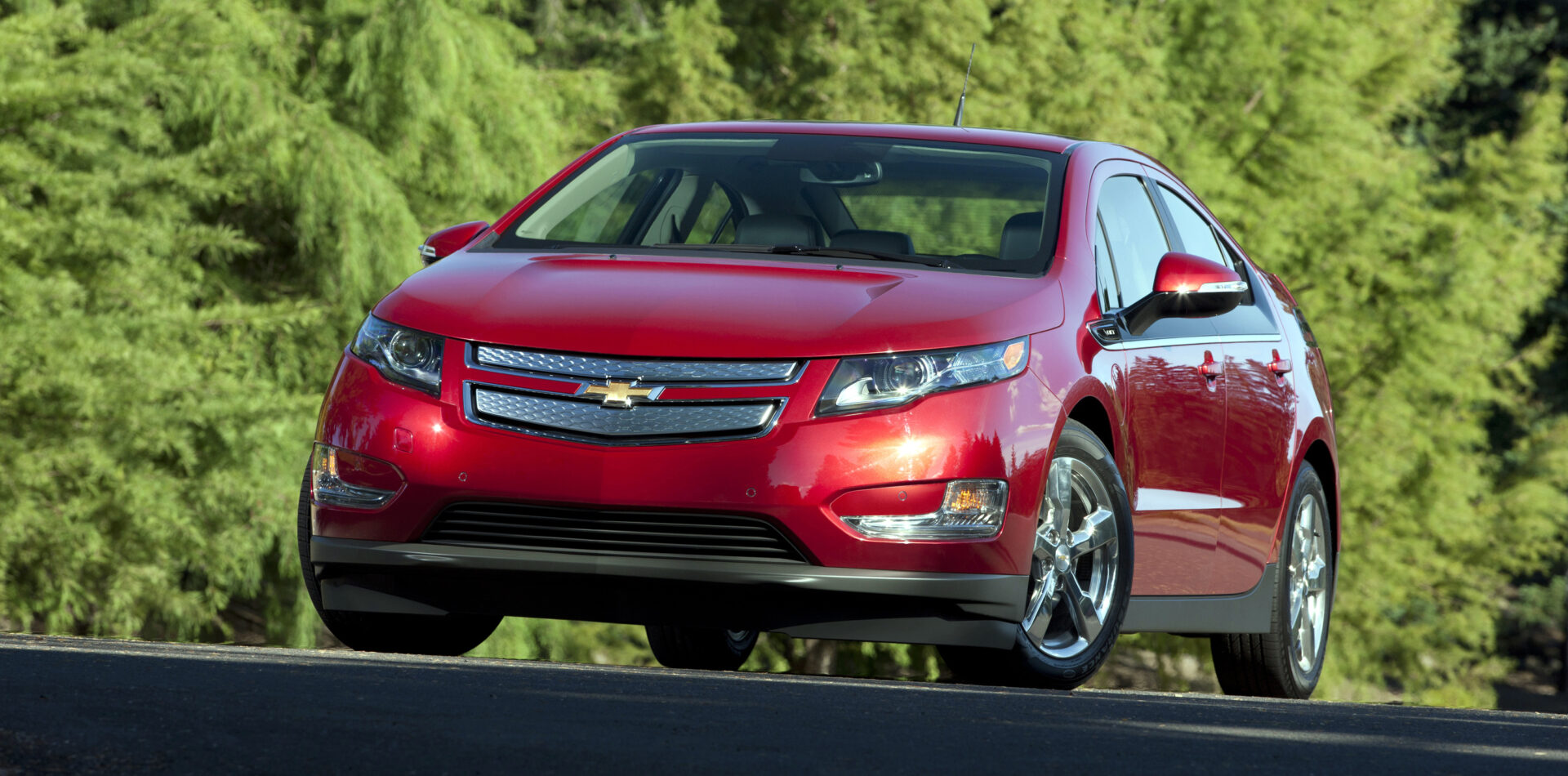
Predictions for 2013 plug-in sales range from enthusiasts who hope for a culture shift that would allow EVs to take a major share of the market to more realistic analysts who expect growth less dramatic than the 200 percent increase in 2012 compared to 2011.
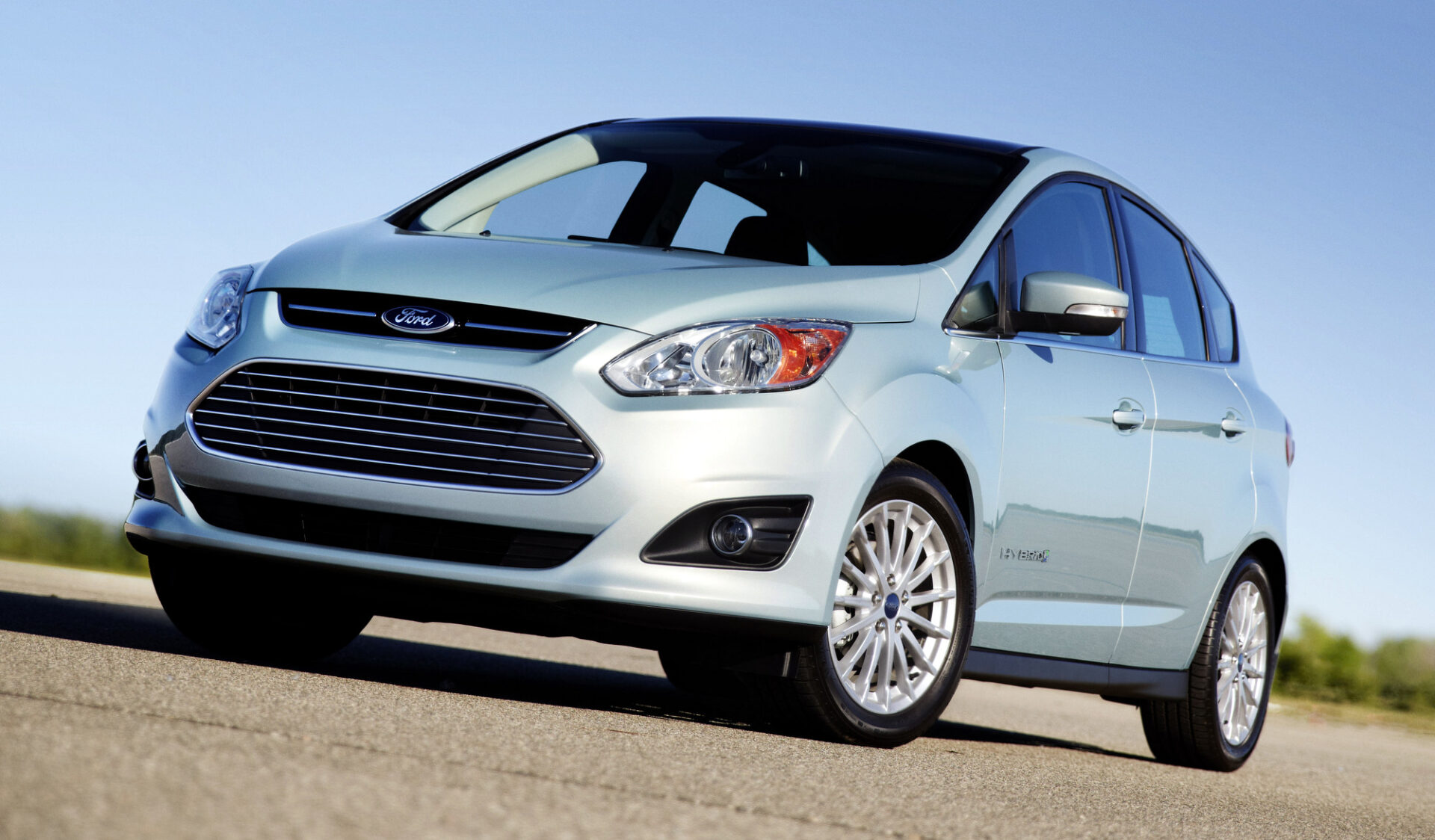
Before stepping inside Ford’s new crossover for an 80-mile test-drive, I can’t help admiring the looks of this 2013 Ford C-MAX. This 5-seater rides tall like an SUV with a height of 63.8-inches. Here you can buy the C-MAX Hybrid starting at $25,200 and get 47-miles per gallon and 570-mile range, or you can buy the C-MAX Energi plug-in hybrid starting at $32,900 and get 100 mpg and 620 mile range.
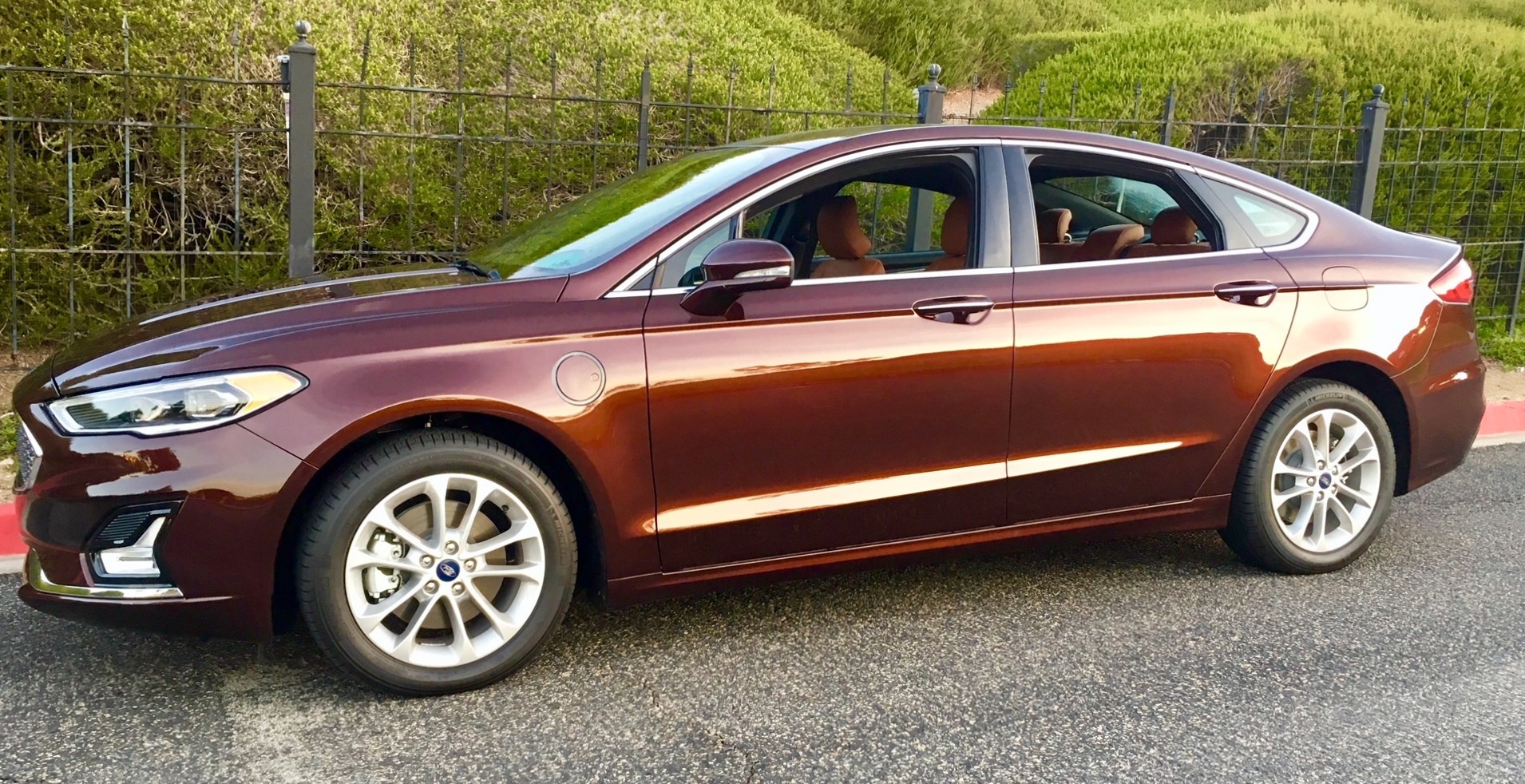
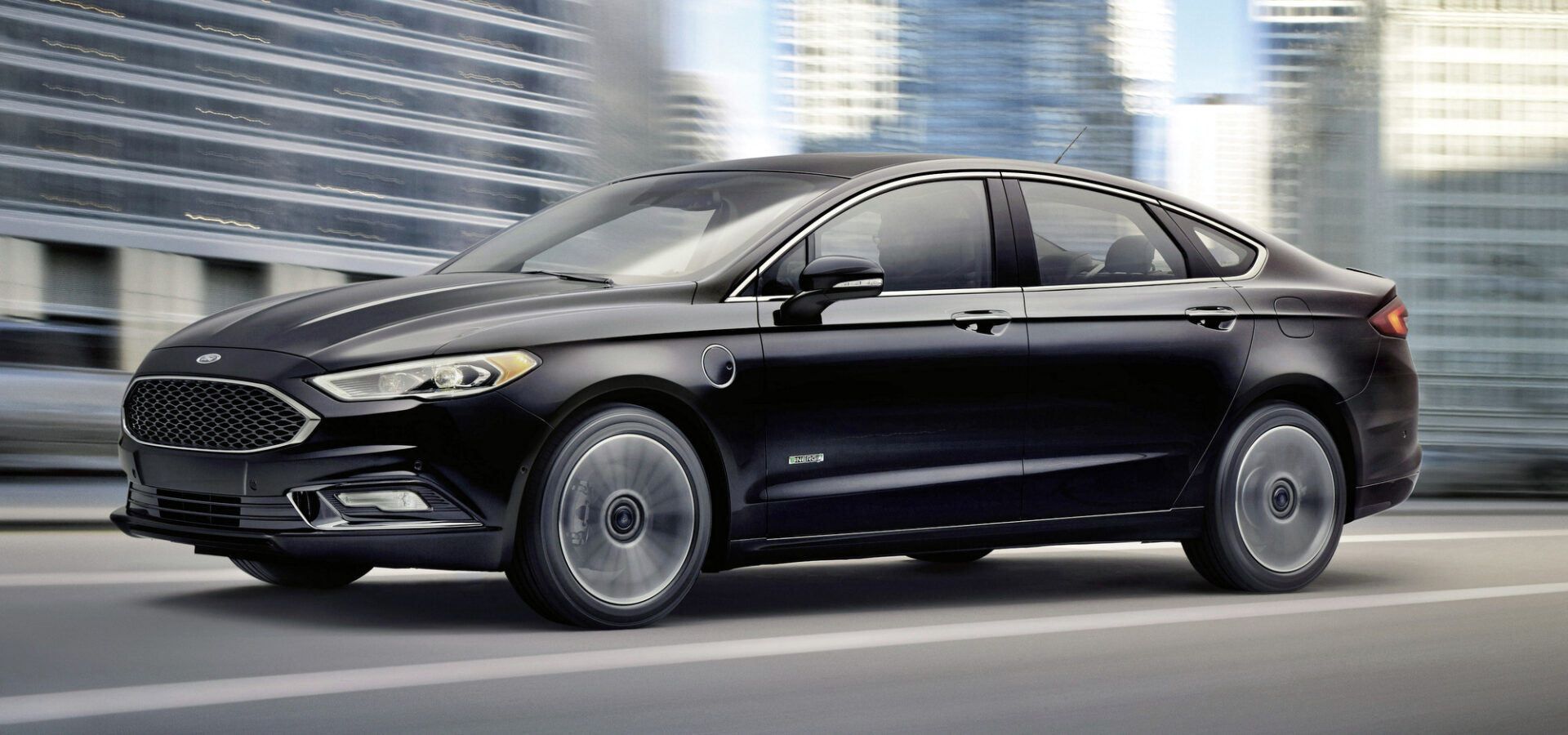
This city traffic is heavy and the parking space is tight. Like Luke Skywalker, I listen to “The Force” and I let go of the steering wheel. This 2013 Ford Fusion Hybrid then parks itself. The Fusion Hybrid starts at $27,200 delivering 47 MPG, a $6,000 premium over the least expensive Fusion that delivers 26 MPG.
The THINK City EV for the U.S. is a 2 seat, 2-door hatchback. THINK got adequate acceleration on city streets, even in its range extending Eco mode. My brief test drive did not include steep hills or entering a freeway. Acceleration did not come close to my Mitsubishi iMiEV test drive; on a freeway, I would have acceleration concerns. THINK already has 1,700 of its new generation EVs on the road in northern Europe. As THINK prepares for U.S. manufacturing, it is in discussions with a number of U.S. fleets.
We must move past fuel from food and haste to fuels from wood and waste. Although the economics do not yet favor major production, pilot plants are taking wood and paper waste and converting it to fuel. Other cellulosic material is even more promising. Some grasses, energy crops, and hybrid poplar trees promise zero-emission fuel sources. These plants absorb CO2 and sequester it in the soil with their deep root systems.
Ford will introduce a battery-only commercial van in 2010, followed by a passenger car built on the same technology in 2011, and exciting plug-in vehicles by 2012. To accelerate commercialization, Ford will partner with leaders in drive systems, lithium batteries, specialty electric vehicles, and electric utilities.
In 2006, Detroit held high hopes of being profitable by selling millions of flexfuel vehicles. The vehicles delivered sub-par fuel economy and zero profits. Although millions of electric vehicles will displace cars with gasoline engines, the internal combustion engine will be with us for decades in hybrids, plug-in hybrids, and heavy-duty trucks. Biofuels are not a panacea; rather, they are part of the energy security solution. The big story is the shift to electric drive.