Personal: To PHEV or not PHEV–That Is the Question
I’ll plan to serve up a few plug-in hybrid (PHEV) stories myself once I let my test fleets know my change of heart.

I’ll plan to serve up a few plug-in hybrid (PHEV) stories myself once I let my test fleets know my change of heart.
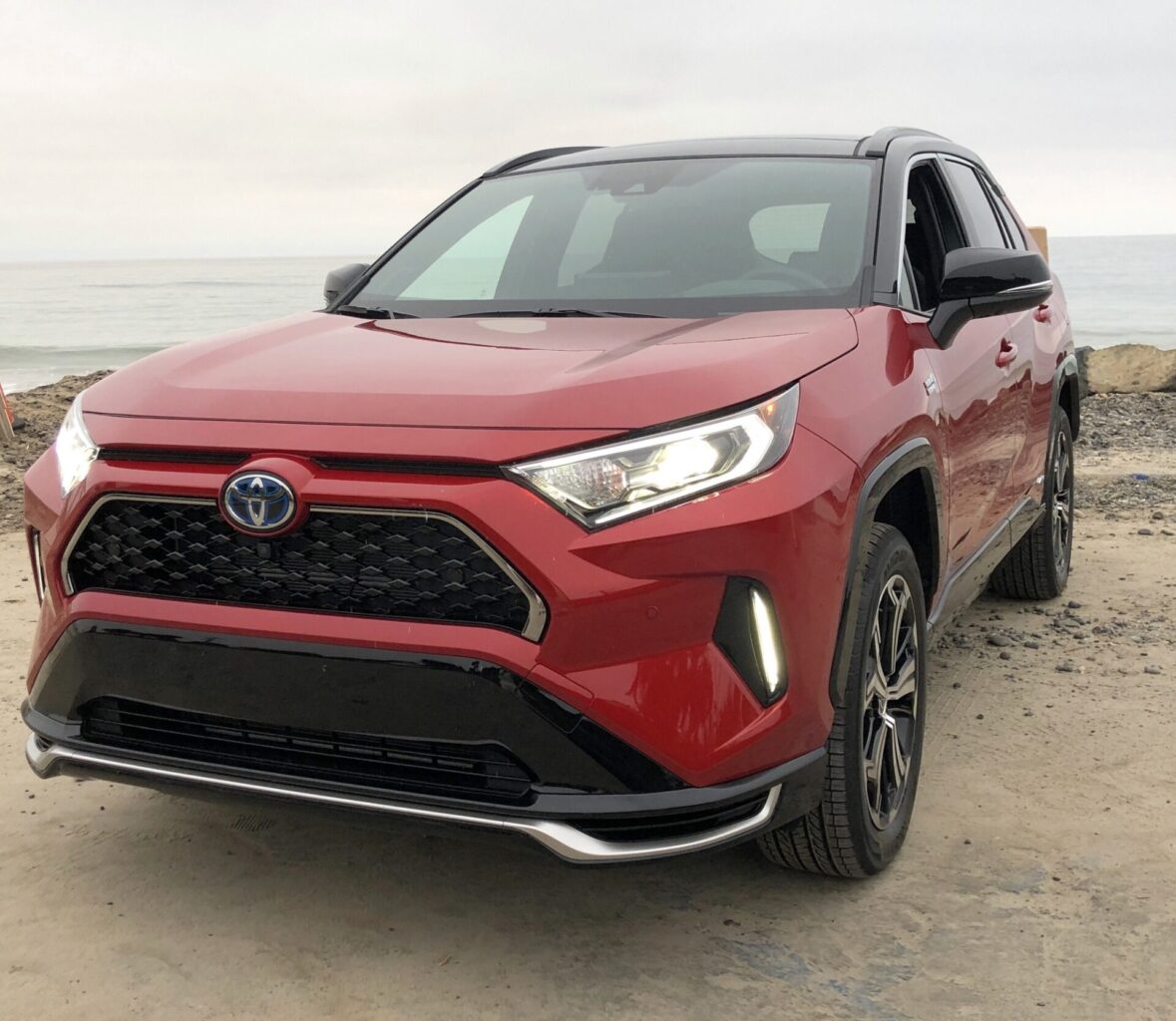
Not satisfied with the RAV4 being the best-selling crossover SUV in America, Toyota is introducing the all-new 2021 RAV4 Prime, a plug-in hybrid electric vehicle (PHEV), to join the RAV4 and RAV4 Hybrid.
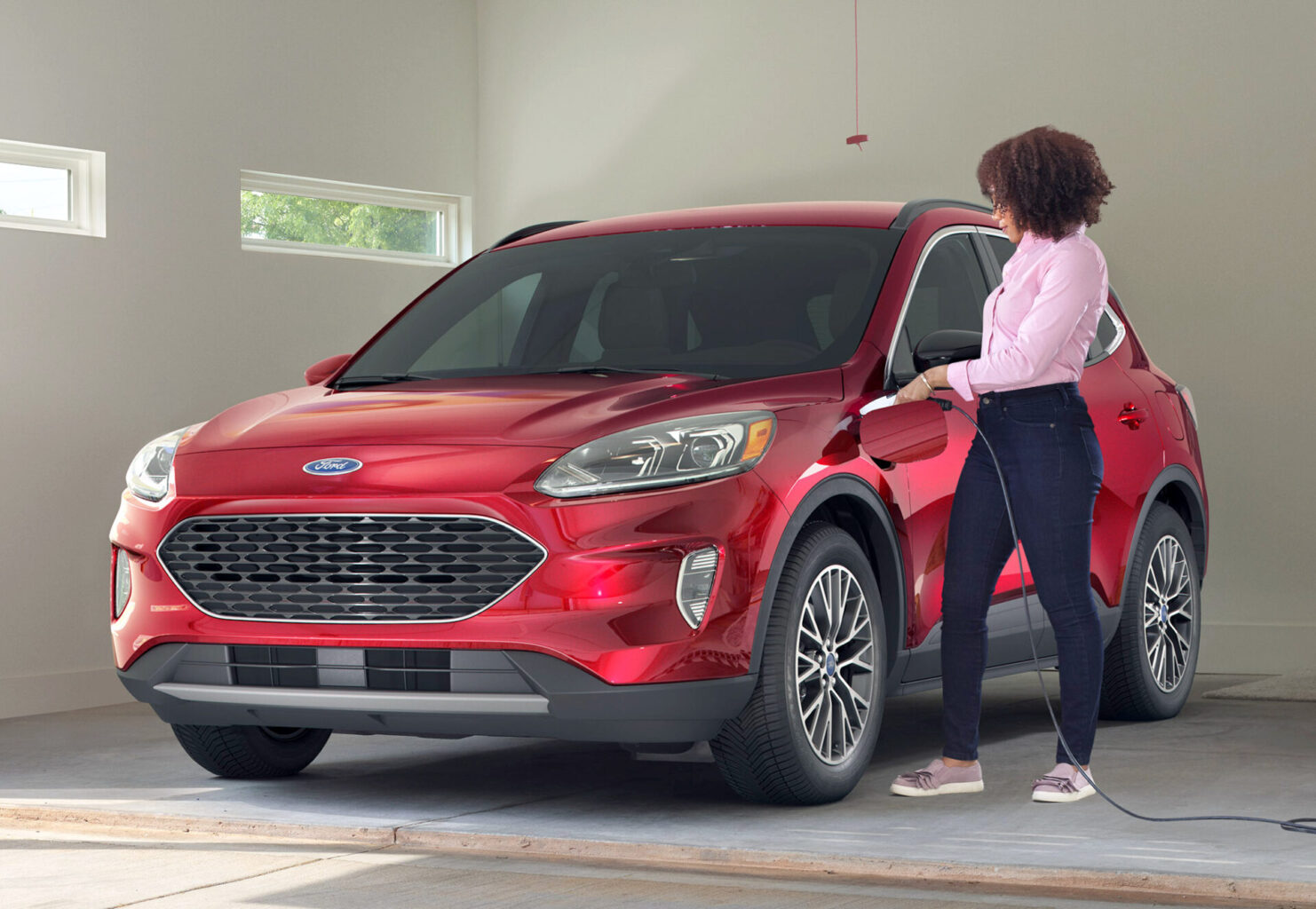
Over the next few months to major players promise to turn this market segment into a serious competition as two powerhouses charge into the market—the 2020 Ford Escape Plug-in Hybrid and the 2021 Toyota RAV4 Prime.
As automakers bring out more pure EVs and the charging infrastructure is built out, we must move away from hybrids and PHEVs entirely.
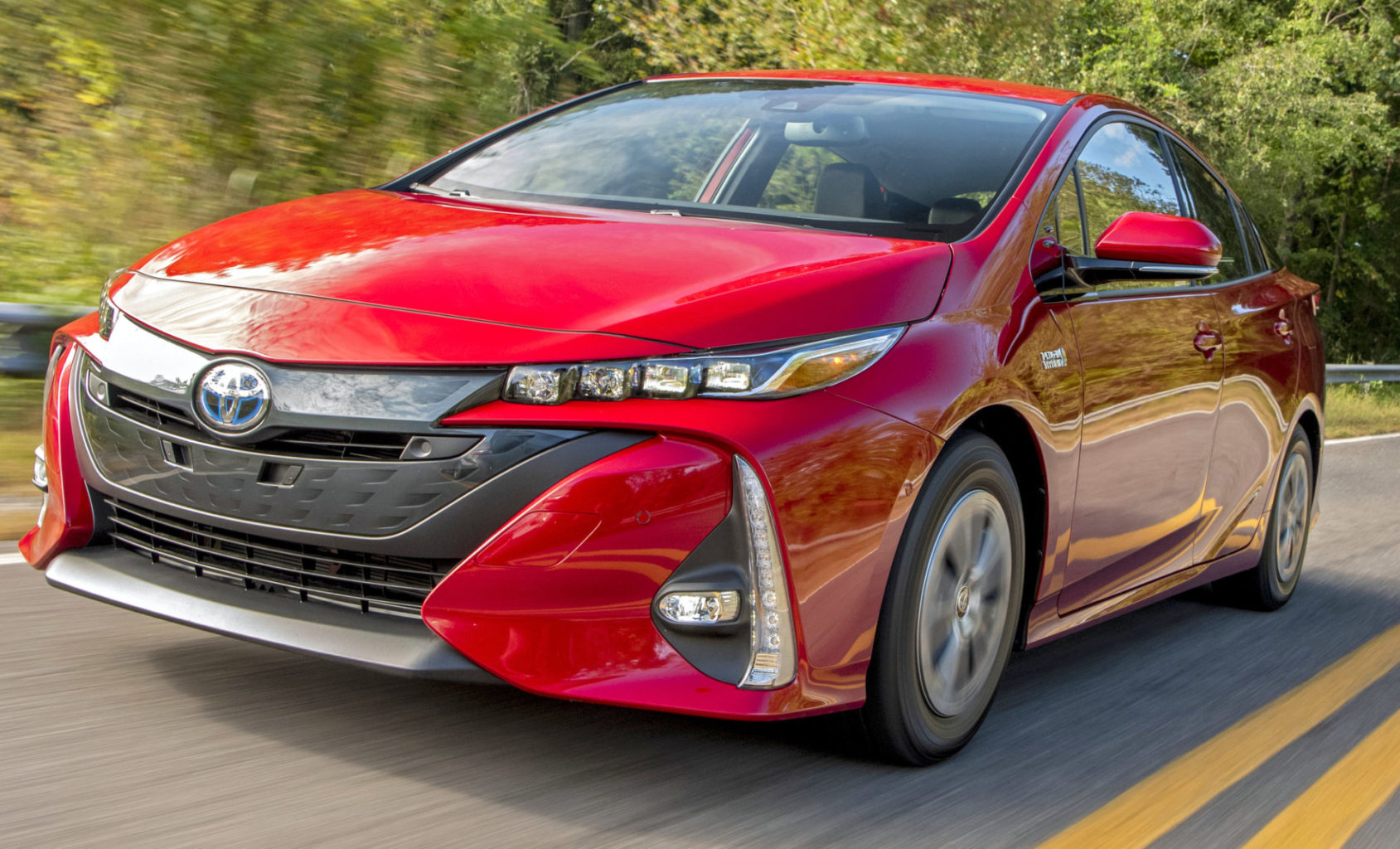
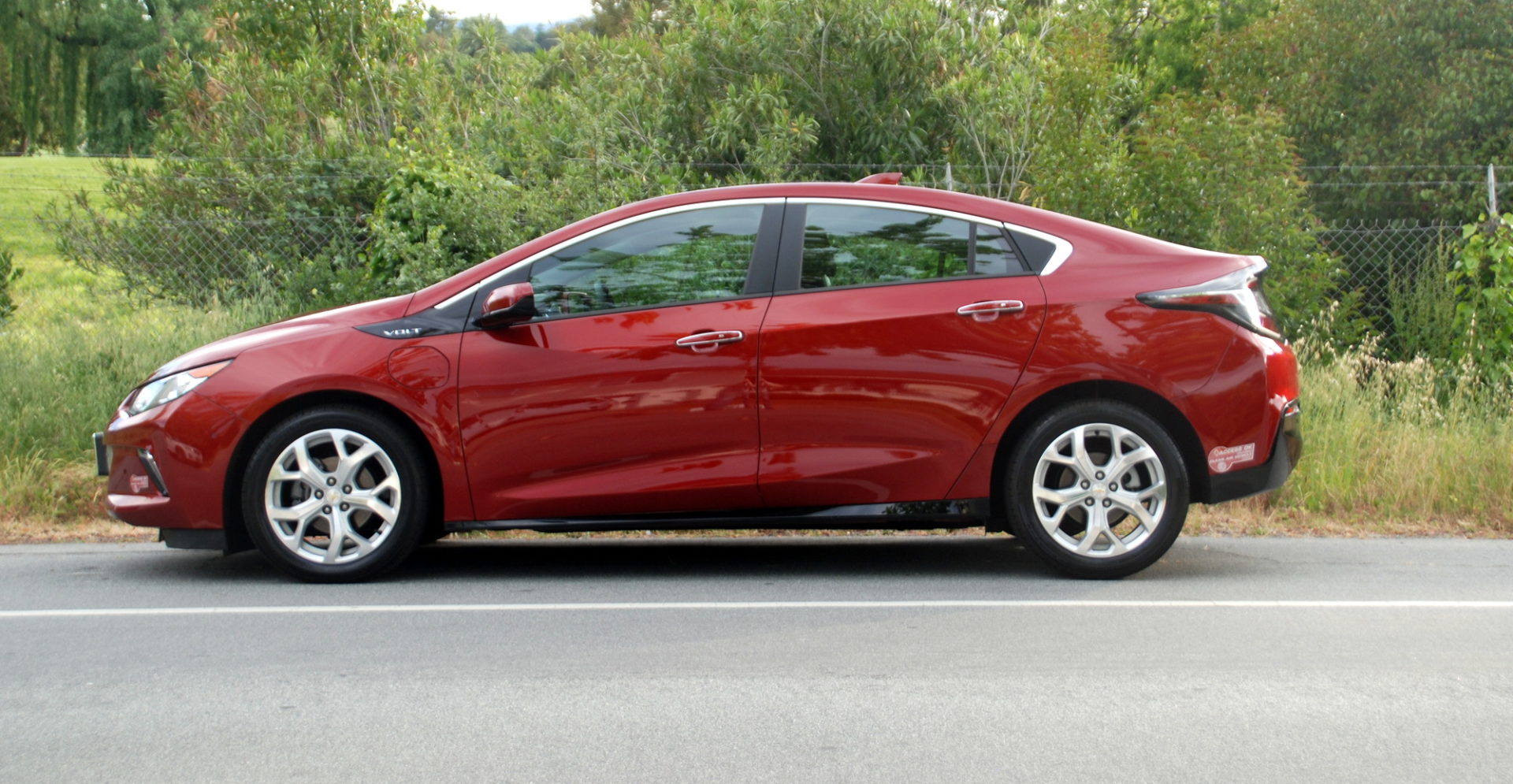
The 133 MPGe EPA rating places the 2020 Toyota Prius Prime into a lofty space of high-mileage plug-in hybrid vehicles, including the Hyundai Ioniq, Honda Clarity, Kia Niro and the now-defunct Chevrolet Volt.
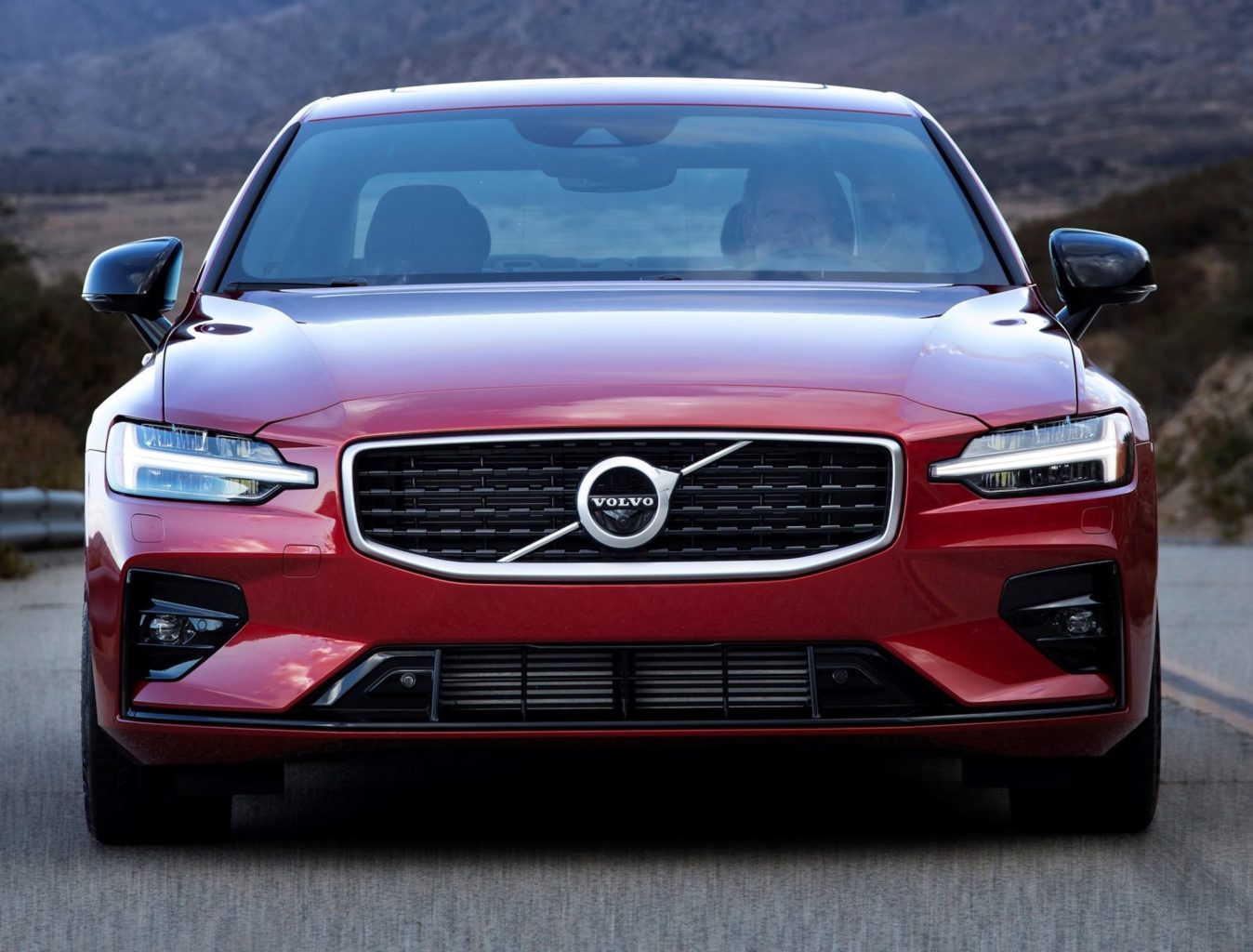
Most of the coming Volvos will not be all-electric cars, but plug-in hybrids (PHEVs) like my recently tested 2020 Volvo S60 T8 E-AWD R-Design midsize sedan.
Plug-in vehicles sales (pure battery electrics and plug-in hybrids) hit a speed bump after a meteoric rise in 2018, dropping from 361,300 to 325,800.
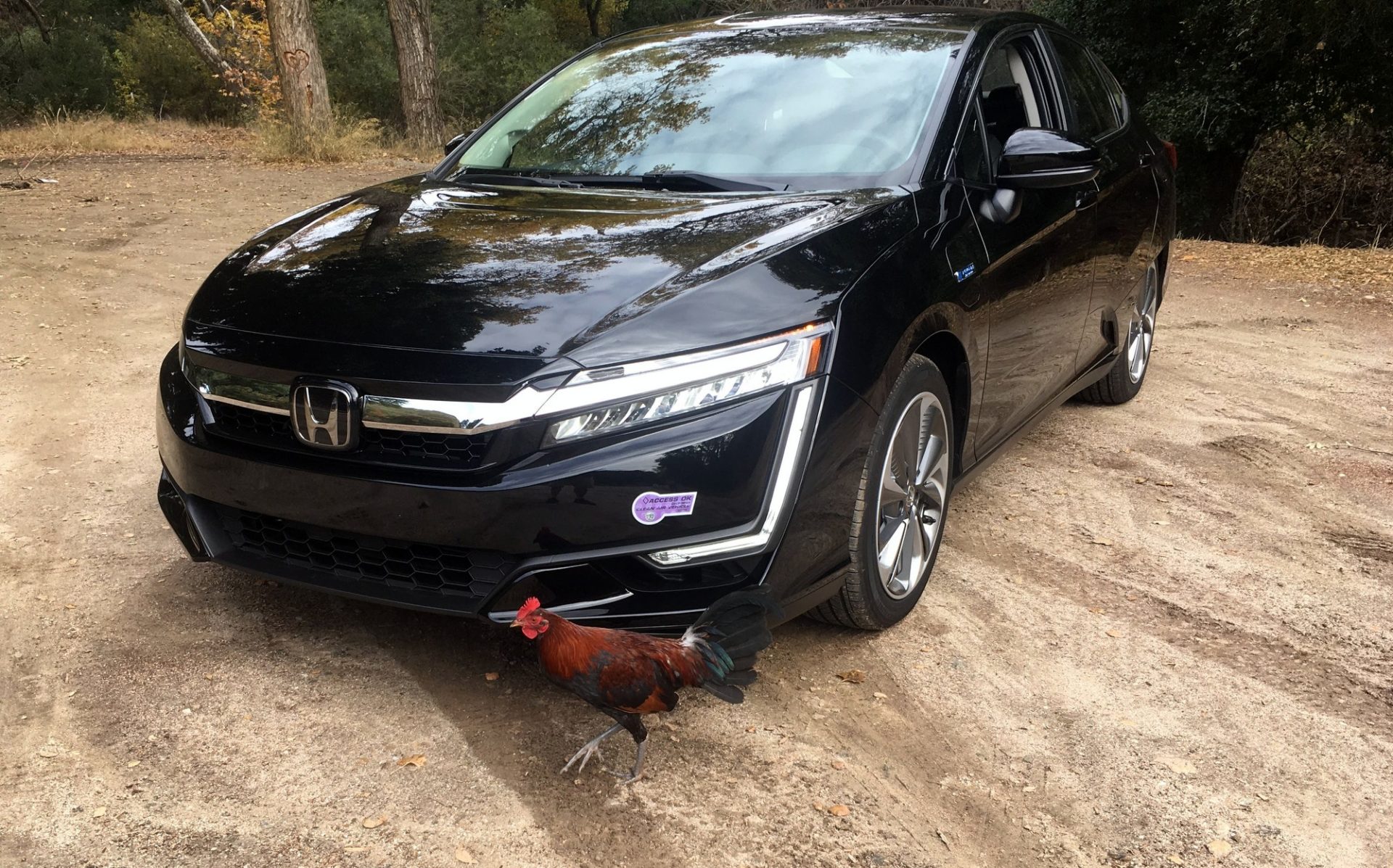
The 2019 Honda Clarity was designed as an electric vehicle, and the packaging of interior space for people and gear shows, rivaling compact crossovers. The interior, which seats up to five adults, is made with eco-friendly materials.
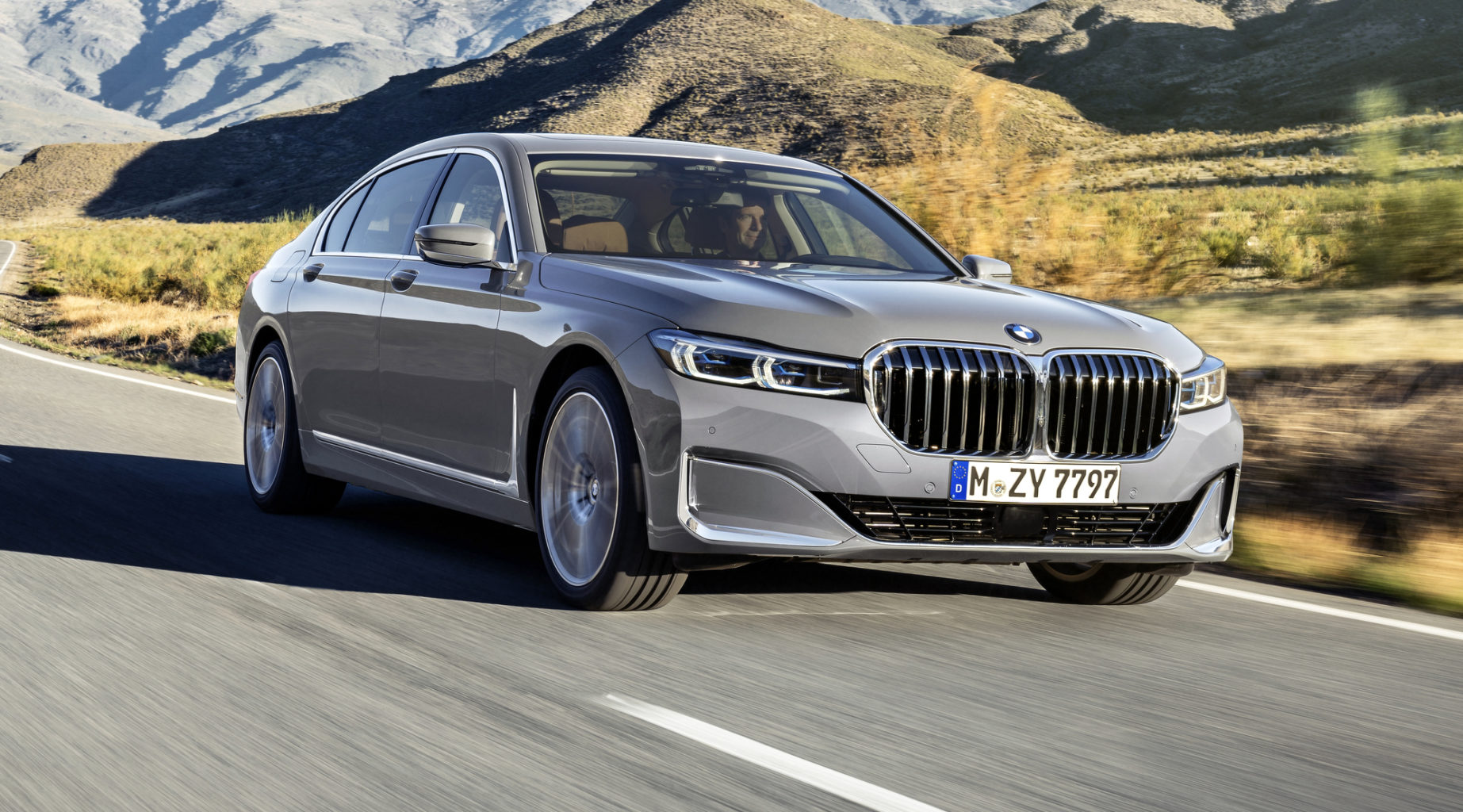
The 2019 BMW 745e combines the inline, 280-horsepower, 3.0-liter six-cylinder with an 111-horsepower eDrive electric motor and a 10.3 kilowatt-hour lithium-ion battery pack to deliver a potent 389 total horsepower. That’s good for a 4.9-second zero-to-60 sprint.

The 2019 Chrysler Pacifica Hybrid is the best choice for families seeking a vehicle that can seat seven, which includes adults (not little kids) in the third-row seat.