
This article may contain affiliate links.
Zero-emission vehicles dominate corporate ESG strategies while federal and state emissions mandates accelerate fleet electrification across the country. This environmental win comes with a catch: electric commercial trucks create forensic and legal complications that differ sharply from traditional diesel litigation. Battery weight, silent operation and telematics systems change how we approach post-accident liability. Understanding these variables is essential for safe fleet integration.
The Physics of Battery Weight and Impact
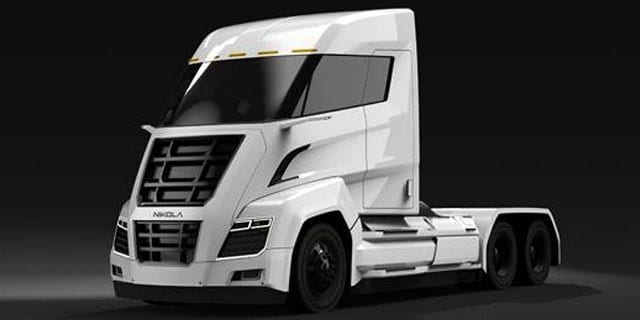
Class 8 electric trucks carry battery packs weighing several thousand pounds, pushing gross curb weight beyond internal combustion equivalents. This mass difference can create safety consequences. Heavier trucks carry greater momentum, extending stopping distances and amplifying kinetic energy during collisions. This result is more severe underride incidents and great damage to passenger vehicles.
The legal implications are substantial. High-voltage commercial vehicle cases require specialized knowledge that general practitioners lack. When collisions occur in major shipping corridors, victims need attorneys who understand both the physics of battery-powered trucks and data-preservation unique to electric fleets. A Dallas truck accident law firm has a critical path for navigating these technical complexities. The added weight factor alone can shift liability calculations and insurance settlements significantly.
A Quiet Threat to Vulnerable Road Users
Electric drivetrains operate nearly silently at low speeds, creating distinct hazards in urban last-mile delivery zones. Pedestrians and cyclists rely on auditory cues to detect approaching vehicles, cues that electric trucks don’t naturally provide. The minimum sound requirements for electric vehicles address this gap, mandating artificial sound generation for vulnerable road users. Key compliance factors include:
- Minimum sound output requirements at low speeds
- Automatic activation systems that cannot be manually disabled
- Regular maintenance verification protocols
- Documentation of system functionality
When these systems fail, liability shifts dramatically. A disabled or malfunctioning sound system transforms straightforward driver negligence claims into product liability cases against manufacturers or maintenance negligence claims against fleet operators.
Decoding the Telematic Data of Electric Vehicles
Electric commercial vehicles function as rolling computers, generating real-time telemetry at unprecedented granularity. These systems track regenerative braking efficiency, battery temperature fluctuations, and pedal positions data down to millisecond intervals. This information revolutionizes forensic investigation.
The data cuts both ways. It can exonerate drivers by revealing software glitches or mechanical failures that caused accidents. Conversely, it provides irrefutable evidence of driver fatigue, distracted operation or safety protocol violations. Cloud-stored telematics are generally more safe, but data can still get corrupted or disappear. Critical data preservation steps include:
- Immediate spoliation letters to fleet operators
- Preservation notices to telematics service providers
- Requests for battery management systems logs
- Securing drivers-assist technology recordings
Fleet owners routinely overwrite cloud data as storage fills. Without prompt legal actions, crucial evidence vanishes. The window for preservation is narrow, making immediate response essential.
The Era of Fleet Sustainability
Green fleet adoption is inevitable and necessary for environmental sustainability. However, it requires parallel advancement in safety protocols and legal expertise. The technology continues to mature, but one thing remains constant: the ability to interpret complex vehicle data will determine both road safety outcomes and corporate accountability. The future of commercial transportation depends on mastering these new complexities.
