
This article may contain affiliate links.
Commercial trucks play an essential role in transporting goods across the country. Every day, thousands of large trucks travel highways and city roads carrying cargo that supports industries, retailers and consumers. While these vehicles are necessary for economic activity, they also pose serious safety risks when cargo is not loaded correctly.
Improperly loaded trucks can become unstable, difficult to control or prone to cargo spills. When cargo shifts during transit, it can affect braking, steering and the overall balance of the vehicle. These issues may lead to severe collisions involving passenger vehicles, pedestrians or other commercial trucks.
Understanding how improperly loaded trucks cause accidents, and the types of injuries that may result, can help drivers remain aware of these risks and recognize when legal assistance may be necessary.

Why Proper Cargo Loading Matters
Cargo loading is a critical safety responsibility in the trucking industry. Federal and state regulations require cargo to be secured in ways that prevent shifting, falling or imbalance during transportation.
When loading procedures are ignored or rushed, the results can be dangerous. Improper weight distribution may cause trucks to lean or become unstable during turns. Overloaded trucks may require longer stopping distances. Loose cargo can also fall into traffic or cause drivers to lose control of their vehicles.
Because commercial trucks are significantly larger and heavier than passenger cars, even small loading errors can have serious consequences.
Common Causes of Improperly Loaded Truck Accidents
Improper loading can occur for several reasons. Sometimes the issue stems from inadequate training or rushed work schedules at loading facilities. In other cases, cargo may not be secured with the correct restraints or equipment.
Common causes include uneven weight distribution, overloaded trailers and cargo that is not properly tied down. In some situations, cargo may shift suddenly during braking or when navigating curves, causing the truck to become unstable. Improperly loaded trucks may also be more likely to experience rollovers or jackknife accidents. When the trailer becomes unbalanced, the driver may lose control, placing nearby motorists at risk.
Types of Truck Accidents Caused by Cargo Problems
Improper loading can contribute to several types of serious truck accidents.
Cargo Spill Accidents
When cargo is not properly secured, it may fall onto roadways. Drivers traveling behind the truck may have little time to react, leading to multi-vehicle collisions. Cargo spills are especially dangerous when trucks carry heavy equipment, construction materials or hazardous substances.

Truck Rollovers
Uneven cargo distribution can raise the center of gravity within a trailer. When a truck enters a curve or makes a sudden maneuver, the imbalance may cause the vehicle to tip over. Truck rollovers often block multiple lanes of traffic and create major hazards for surrounding drivers.
Jackknife Collisions
A jackknife accident occurs when the truck’s trailer swings outward at an angle relative to the cab. Improper cargo loading can contribute to these accidents because shifting weight affects braking stability. Once a truck begins to jackknife, the driver may struggle to regain control.
Common Injuries in Improperly Loaded Truck Accidents
Accidents involving large commercial trucks often lead to severe injuries due to the size and weight of the vehicles involved. When improperly loaded cargo contributes to a collision, the impact forces can be significant.
Traumatic Brain Injuries
Traumatic brain injuries are among the most serious outcomes of truck accidents. These injuries may occur when a person’s head strikes part of the vehicle during a crash or when the brain experiences sudden movement inside the skull.
Symptoms may include headaches, confusion, memory loss, and difficulty concentrating. In severe cases, traumatic brain injuries can lead to long-term cognitive challenges.
Spinal Cord Injuries
Spinal cord injuries can occur when the spine experiences extreme force during a collision. Damage to the spinal cord may result in partial or complete loss of mobility. These injuries often require extensive medical care, rehabilitation and long-term support.
Broken Bones
The impact of a truck accident can easily cause fractures in the arms, legs, ribs or pelvis. Some fractures require surgical treatment, while others may take months to heal. Broken bones can significantly affect a person’s ability to work or carry out daily activities during recovery.
Internal Injuries
Internal injuries are particularly dangerous because they may not be immediately visible. Damage to organs such as the liver, lungs or spleen may occur during high-impact collisions. Medical evaluation is important after any truck accident to ensure internal injuries are properly diagnosed and treated.
Whiplash and Soft Tissue Injuries
Even lower-speed truck accidents can cause soft tissue injuries. Whiplash occurs when the neck moves rapidly forward and backward during impact. Symptoms may include neck pain, stiffness and reduced mobility. While some cases improve with time, others may require physical therapy or medical treatment.
Long-Term Effects of Truck Accident Injuries
Recovering from injuries caused by improperly loaded truck accidents can take significant time. Some individuals experience lasting health complications that affect their ability to work or perform everyday tasks.
Chronic pain, mobility limitations and emotional distress may develop following serious accidents. These challenges can impact quality of life for months or even years. The financial burden of medical treatment, rehabilitation, and lost income can also create additional stress for accident victims and their families.
Determining Liability in Improperly Loaded Truck Accidents
Truck accident investigations often focus on identifying who was responsible for cargo loading and whether safety regulations were followed. In many cases, multiple parties may share responsibility. The truck driver, trucking company, cargo loading team or third-party shipping company may all play roles in ensuring cargo is secured properly. Investigators may review shipping records, loading procedures, driver logs and inspection reports to determine what went wrong.
Because these cases can involve complex liability questions, accident victims may benefit from consulting attorneys like the Westchester County truck accident lawyers, who understand trucking regulations and accident investigation processes.
How Legal Professionals Help After Truck Accidents
Truck accident cases often involve extensive evidence and multiple insurance policies. Legal professionals can help injured individuals understand their rights and pursue compensation when negligence contributed to the accident.
Working with a trusted truck accident lawyer may help victims gather important evidence, communicate with insurance companies, and build a strong case.
Attorneys may also collaborate with accident reconstruction experts to determine how cargo loading errors contributed to the crash.
Compensation Available After a Truck Accident
Individuals injured in improperly loaded truck accidents may face substantial medical costs, rehabilitation expenses, and lost wages. Compensation may help address these financial challenges.
A leading truck accident attorney can help evaluate damages related to medical bills, lost earning capacity and other accident-related losses. Legal guidance may also assist victims in navigating insurance claims and negotiations.
Improving Cargo Safety in the Trucking Industry
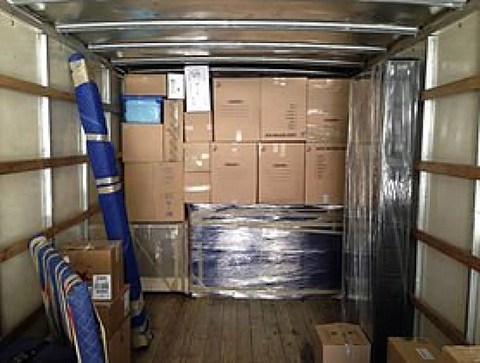
Preventing improperly loaded truck accidents requires cooperation across the trucking industry. Drivers, freight companies and cargo loading teams must all follow strict safety procedures to ensure cargo remains secure during transport.
Training programs, inspection protocols and compliance with federal cargo securement regulations all play roles in improving safety. Technology is also helping address cargo safety challenges. Load monitoring systems, weight sensors and improved cargo restraints allow companies to identify problems before trucks reach the road.
When these safety measures are implemented properly, the risk of cargo-related truck accidents can be reduced.
Federal Cargo Securement Regulations and Safety Standards
Preventing improperly loaded truck accidents begins with strict cargo securement regulations. In the United States, the Federal Motor Carrier Safety Administration (FMCSA) establishes rules that trucking companies, drivers and cargo handlers must follow when transporting freight. These regulations are designed to ensure that cargo remains stable during transportation and does not shift, spill or create hazards on the roadway.
FMCSA regulations require that cargo be firmly immobilized or secured using appropriate equipment such as tie-downs, chains, straps, and locking mechanisms. The goal is to prevent movement caused by acceleration, braking, or road vibrations. Drivers must also inspect their cargo before starting a trip and periodically throughout the journey.
For example, drivers are typically required to inspect cargo within the first 50 miles of a trip to confirm that securement devices remain tight and effective. Additional inspections are required at regular intervals during long hauls.
These regulations apply to many types of cargo, including construction materials, machinery, lumber and packaged goods. Specialized rules exist for certain types of freight that present higher risks, such as metal coils, logs or heavy equipment.
Failure to follow these standards can significantly increase the risk of accidents. Even a small shift in weight can affect the balance of a trailer traveling at highway speeds.
The Role of Truck Drivers in Cargo Safety
Although cargo loading is often performed by warehouse employees or freight handlers, truck drivers still play an important role in ensuring cargo safety. Drivers are responsible for inspecting their vehicles and confirming that cargo is properly secured before beginning a trip.
A careful inspection may include checking that straps and chains are tight, verifying that cargo has been distributed evenly, and ensuring that the trailer doors are properly closed and locked. Drivers should also confirm that the cargo weight does not exceed legal limits.
If a driver notices a problem with cargo securement, they have the responsibility to address the issue before operating the vehicle. Driving with improperly secured cargo places the driver and everyone else on the road at risk.
Drivers must also remain alert during transit. Changes in vehicle handling, unusual trailer movement or abnormal vibrations may indicate that cargo has shifted.
If such issues arise, the safest course of action is to stop and inspect the load before continuing.
How Freight Companies Can Improve Cargo Safety
Freight companies and shipping organizations also have responsibilities when it comes to preventing improperly loaded truck accidents. These companies must ensure that employees responsible for loading cargo receive proper training in safe loading procedures.
Training programs typically cover weight distribution, securement techniques and the correct use of restraints and tie-down equipment. Workers must understand how different types of cargo behave during transportation.
For example, cylindrical objects such as pipes or logs require special blocking techniques to prevent rolling. Heavy machinery must be secured with reinforced chains capable of withstanding strong forces during transport.
Freight companies should also implement internal inspection procedures to verify that cargo loading standards are being followed consistently. Supervisors may perform spot checks to confirm that cargo has been loaded correctly.
These quality control measures can significantly reduce the likelihood of dangerous cargo shifts during transport.
Warning Signs of Improperly Loaded Trucks on the Road
Drivers sharing the road with commercial trucks can sometimes identify warning signs that suggest a truck may be improperly loaded. Recognizing these signs can help motorists maintain safe distances and avoid hazards.
One common indicator is a truck that appears to lean or tilt noticeably to one side. This may suggest uneven weight distribution within the trailer.
Another warning sign involves trailers that sway or move excessively when traveling at highway speeds. While some movement is normal, extreme swaying may indicate cargo instability.
Drivers may also notice cargo protruding from trailers or unsecured materials that appear loose. In flatbed trucks, straps or chains that appear slack could signal improper cargo securement. When drivers observe these warning signs, it is safest to maintain extra distance from the truck and avoid driving directly beside it for extended periods.
Giving large trucks additional space provides time to react if cargo shifts or the driver loses control.
Technology and Innovations Improving Cargo Safety
The trucking industry continues to adopt new technologies designed to improve cargo safety and reduce accident risks. These innovations help trucking companies monitor cargo conditions and detect problems earlier.
One emerging solution involves load sensors that measure weight distribution across axles and within trailers. These sensors can alert drivers or fleet managers if cargo shifts during transit.
Some fleets also use smart tie-down systems that monitor tension levels in cargo restraints. If a strap becomes loose, the system can notify the driver so the issue can be addressed before it becomes dangerous.
Telematics systems are another important development. These systems track vehicle performance and driving behavior in real time. Fleet managers can analyze braking patterns, acceleration rates and other driving data to identify situations where cargo stability may be affected.
By combining proper training with advanced technology, trucking companies can improve cargo security and reduce accident risks.
The Importance of Industry Accountability
Preventing improperly loaded truck accidents requires accountability across multiple levels of the transportation industry. Truck drivers, freight companies, loading teams and transportation regulators all share responsibility for maintaining safe cargo practices.
When safety standards are taken seriously, the likelihood of cargo-related accidents decreases. Proper inspections, training programs and compliance with federal regulations help create safer conditions for drivers and passengers alike.
Public awareness also plays a role. Understanding how cargo loading affects truck stability helps motorists recognize hazards and drive more cautiously around commercial trucks.
As freight transportation continues to grow alongside expanding supply chains, maintaining strong cargo safety practices will remain essential for protecting everyone on the road.
Promoting Awareness Among Drivers
Passenger vehicle drivers also benefit from understanding the risks associated with large commercial trucks. Maintaining safe following distances, avoiding blind spots and allowing trucks additional space for turning or braking can help reduce accident risks.
Improperly loaded trucks may behave unpredictably if cargo shifts or becomes unstable. Staying alert around large trucks and anticipating hazards can improve safety for everyone sharing the road.
As trucking operations continue to expand alongside growing freight demands, maintaining high standards for cargo loading and transportation safety remains essential for preventing serious accidents and injuries.
