
This article may contain affiliate links.
You can spot an EV renter within minutes at the airport lot. They pause at the charge port, scan the dash for range and start hunting for settings. That first five minutes shapes the rest of the trip.
In places where short city drives mix with long scenic routes, EV rentals can work well with a little prep. In Iceland, for example, companies like Blue Car Rental offer electric options alongside traditional models, with pickup points that suit common arrival and departure patterns. The difference is not the vehicle, it is how you plan energy use.
Start with the Rental Questions that Matter
Most EV rental stress comes from unclear expectations, not from the car itself. Before you take the keys, get answers that match how you will drive that week. This saves time later when you are tired or behind schedule.
Ask about the battery level at pickup, and whether the car must return at a set level. Confirm which charge connector the vehicle uses and whether the car includes an adapter. Also ask how charging fees work, since some rentals bill through an app or card on file.
It also helps to know what the rental company considers normal use. Some plans price in a set charging level on return, while others treat charging like refueling. A short conversation at the counter can prevent an avoidable end of trip fee.
Charging Basics You Can Use on Day One
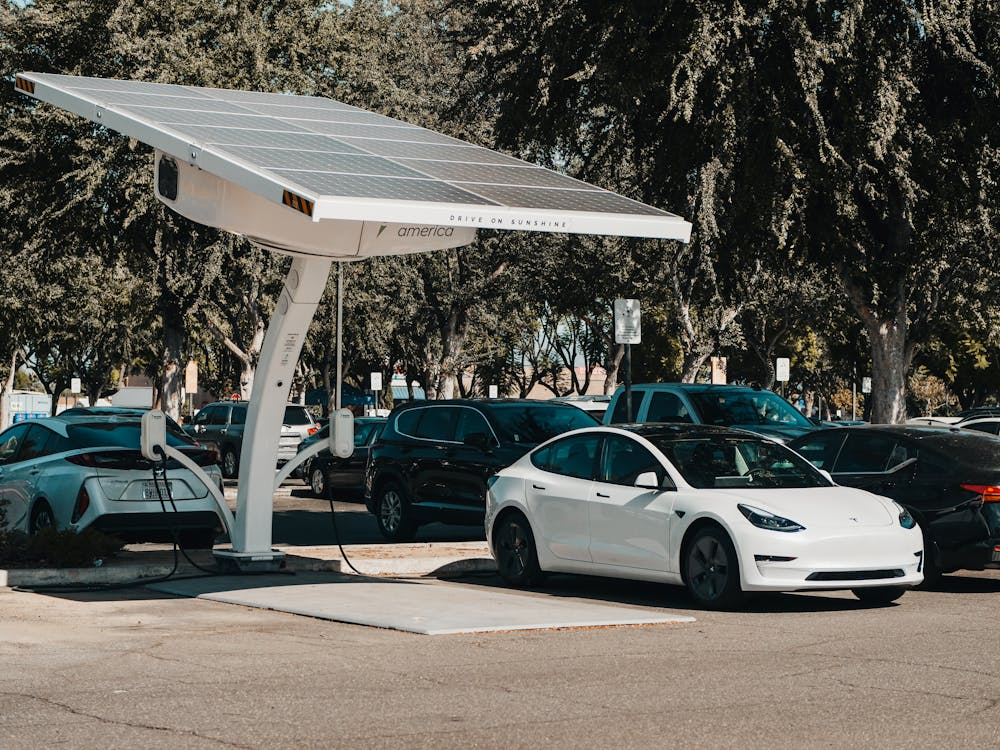
Think of charging as parking with a purpose, not as a chore you do at random. Level 2 chargers are the common sweet spot for travelers, because they add range while you eat or shop. Fast chargers are useful on route days, but they cost more and vary by site.
Two details matter more than most first time renters expect. Charging slows down at higher battery levels, so the last stretch takes longer. That is why many drivers plan to charge from a lower level up to a practical buffer, then leave.
If you want a quick refresher before you travel, the charge speed and connector overview on the electric car charging guide covers the terms you will see on apps and station screens. For a government reference on connectors and public charging types, the U.S. Department of Energy Alternative Fuels Data Center breaks it down on its electric vehicles for consumers page. Those basics make charger selection feel routine instead of stressful.
Cost and Time Planning for Real Trips
EV rentals can be economical, but only if you treat time like part of the fuel cost. A cheap charging session is not a win if it adds an hour to a packed day. The goal is to pair charging with something you already planned.
A good rule is simple: charge while you are parked anyway. That may be a hotel, a grocery run, a museum stop or a long dinner. When you do that, the car is ready when you are, and the trip stays smooth.
If you want to compare costs with more detail, the breakdown on home versus public charging costs helps frame what you are paying for. It also explains why pricing varies by charger type and location. With that context, you can decide when fast charging is worth the premium.
Here is a quick planning checklist that works in most regions:
- Pick one reliable fast charging stop for your longest drive day.
- Use Level 2 charging for overnight or long meal stops when possible.
- Keep a buffer so you are not arriving at stations near empty.
- Avoid charging to 100% unless you need it for a remote stretch.
Temperature, Speed and Comfort Can Change Your Range
Range is not a fixed number, especially when weather shifts fast. Cold air increases energy use, and cabin heat can pull meaningful power from the pack. Wind and high speed also matter, since aerodynamic drag rises quickly on open roads.
This is where route style beats route length. A shorter drive at higher speed can use more energy than a longer drive on slower roads. If you are renting in winter conditions, plan for a wider buffer than you would in mild weather.
Government testing has shown major winter impacts in typical cold conditions. One U.S. Department of Energy report notes that battery electric vehicle range dropped 41% at about 20°F in its cold condition testing. You can review the details in the Energy.gov report, Impact of Cold Ambient Temperature on BEV Performance. That is a strong reminder to treat winter range estimates as best case, not guaranteed.
Comfort choices can help without making the cabin miserable. Preheat while plugged in when you can, then use seat heaters to maintain comfort. Keep tires properly inflated and clear snow from wheel wells, since friction costs energy. These steps are small, but they reduce surprises when you are far from the next charger.
A Practical Way to End the Trip Smoothly
The last day is where many renters lose time, because charging becomes a deadline. Build a short charging window into your return plan, even if you think you will not need it. That buffer lets you handle a busy station, a closed lot or a route change.
Aim to return the car with the required battery level, but do not chase perfection. If the rental policy asks for a set level, hit it with a small margin and head in. Take a photo of the battery level and the return condition, then you are done.
A Simple Wrap Up Before You Hand Back the Keys
Renting an EV is easiest when you plan charging the same way you plan meals and stops. Know the pickup level, the return rul and the connector type before you leave the lot. Keep a buffer for cold weather, wind and high speeds, since those can cut range fast. Charge while you are already parked, and use fast charging only when it truly saves time. If you do those few things, the rest of the trip feels normal, and the return process stays quick and predictable.
