
This article may contain affiliate links.
India’s automotive industry is entering a transformative period. Electric vehicles, once considered experimental alternatives, are rapidly becoming mainstream transportation options across the country. In 2026, the shift toward electrification is no longer simply about environmental responsibility—it is about performance, innovation and long-term economic practicality.
Several factors have accelerated this transformation. Government incentives, expanding charging infrastructure and continuous advances in battery technology are reshaping how consumers evaluate their next vehicle purchase. At the same time, major automakers are launching electric models designed specifically for Indian driving conditions, offering improved range and modern technology.
For buyers attempting to navigate this rapidly evolving market, research platforms such as Mera Gadi have become valuable resources for comparing models, analyzing specifications and understanding the long-term ownership implications of electric mobility.
As one industry analyst recently noted: “Electric vehicles in India are no longer defined by compromise. Modern EVs now offer competitive range, strong performance, and advanced technology that rivals traditional combustion vehicles.”
Why 2026 Is a Pivotal Year for India’s EV Market
Electric mobility has been developing steadily in India for several years, but 2026 represents a critical turning point. A new generation of vehicles built on dedicated electric platforms is beginning to replace earlier models that were adapted from gasoline vehicles.
This shift is bringing substantial improvements in efficiency, performance, and vehicle design.
Key forces driving EV adoption include:
- Government support programs encouraging electric mobility
- Rapid improvements in lithium-ion battery technology
- Increasing fuel costs are making EVs financially attractive
- Urban air pollution concerns are pushing demand for cleaner transport
- Expansion of public charging infrastructure
These developments are encouraging both domestic manufacturers and international brands to invest aggressively in the Indian EV ecosystem.
Buyers evaluating available options can explore the top 5 electric cars in India in 2026 to better understand which models are shaping the current market.
A New Generation of Electric Vehicles
Today’s EV landscape in India reflects a wide spectrum of design philosophies. Some manufacturers focus on affordability and practicality, while others emphasize performance or luxury.
Five vehicles in particular illustrate how diverse and competitive the electric market has become.
Mahindra BE 6: A Bold Step in Electric Performance
[Ed note: Vehicle specs are in local metric terms.]
Mahindra’s BE 6 represents one of the company’s most ambitious EV projects to date. Built on Mahindra’s dedicated INGLO electric platform, the vehicle combines aggressive styling with strong performance capabilities.
Key Specifications
- Range: Up to 619 km
- Top speed: 200 km/h
- Battery capacity: 59–79 kWh
- Motor performance: 282 bhp and 380 Nm torque
The interior emphasizes modern technology and driver convenience.
Top Features
- Adaptive cruise control
- Automatic parking assist
- Digital instrument cluster
- Head-up display (HUD)
The BE 6 signals Mahindra’s intention to compete globally in the electric SUV segment.
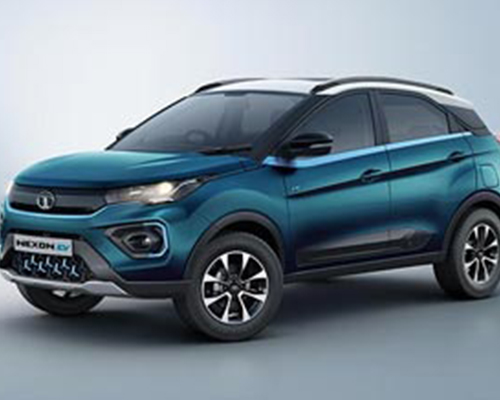
Tata Nexon EV: India’s Most Recognizable Electric SUV
The Tata Nexon EV has become one of the most important vehicles in India’s electric mobility movement. By combining affordability with everyday practicality, the model has introduced thousands of drivers to electric transportation.
Key Specifications
- Range: 395 km
- Battery capacity: 30–40.5 kWh
- Motor output: 143 bhp and 215 Nm torque
Top Features
- 360-degree parking camera
- Panoramic sunroof
- Digital instrument cluster
- Keyless start system
Industry observers often credit the Nexon EV with helping bring electric vehicles into the mainstream Indian market.
“The success of vehicles like the Nexon EV proves that affordability and innovation can coexist in the EV space,” says one mobility researcher studying India’s electrification efforts.
Volvo EX30: Compact Electric Luxury
Volvo’s EX30 demonstrates how premium manufacturers are adapting to the growing demand for electric vehicles in emerging markets.
As the smallest electric SUV in Volvo’s lineup, the EX30 focuses on safety, sustainability and modern Scandinavian design.
Key Specifications
- Range: 480 km
- Battery capacity: 69 kWh
- Motor output: 272 bhp and 343 Nm torque
Key Technology Features
- Adaptive cruise control
- 360-degree camera
- Wireless smartphone charging
- Advanced safety systems
Produced locally in Bengaluru, the EX30 represents Volvo’s strategy to expand its electric footprint in India.
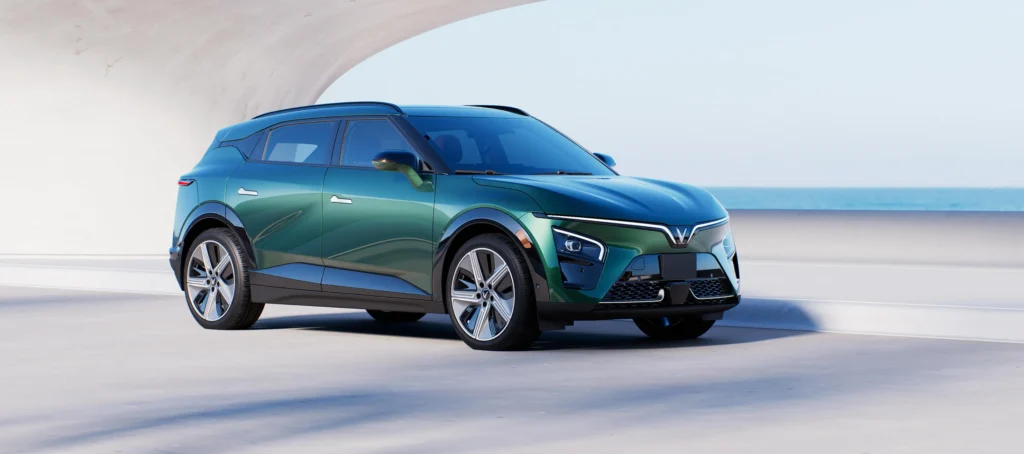
VinFast VF7: A New Global Challenger
Vietnamese manufacturer VinFast is rapidly expanding internationally, and the VF7 represents its entry into India’s competitive EV landscape.
The SUV offers impressive performance for its segment.
Key Specifications
- Range: 485 km
- Top speed: 160 km/h
- Motor output: 349 bhp and 500 Nm torque
Top Features
- Ventilated front seats
- Anti-lock braking system (ABS)
- Hill-hold control
VinFast’s arrival highlights the growing international competition in India’s EV market.
Tata Curvv EV: Design Meets Practical Electric Range
Tata Motors continues expanding its electric lineup with the Curvv EV, a coupe-style SUV that blends distinctive styling with practical performance.
Key Specifications
- Range: 466 km
- Battery capacity: 45–55 kWh
- Motor output: 165 bhp and 215 Nm torque
Top Features
- Panoramic sunroof
- Adaptive cruise control
- 360-degree parking assist
- Fully digital instrument cluster
The Curvv EV reflects the growing trend of bringing premium design concepts into more accessible vehicle segments.
Why Electric Vehicles Are Becoming More Attractive
Beyond environmental benefits, EVs offer several practical advantages that appeal to modern drivers.
Key ownership benefits include:
- Lower running costs compared with gasoline vehicles
- Reduced maintenance due to fewer mechanical components
- Quiet and smooth driving experience
- Zero tailpipe emissions in urban environments
Many analysts believe that these advantages will accelerate EV adoption in major metropolitan areas over the coming decade.
As one clean-mobility expert explains:
“The biggest shift in consumer perception is that EVs are no longer experimental technology—they are quickly becoming the most practical option for urban transportation.”
The Road Ahead for India’s EV Industry
While adoption is accelerating, the EV transition in India still faces several challenges. Charging infrastructure remains unevenly distributed, and upfront vehicle prices can still be higher than those of traditional vehicles in some segments.
However, the long-term trajectory appears clear. Battery costs are steadily declining, charging networks are expanding and manufacturers are introducing new EV models at an unprecedented pace.
Industry analysts predict that by the end of the decade, electric vehicles could account for a significant share of new car sales in India.
Final Thoughts
The electric vehicles emerging in India in 2026 represent far more than incremental improvements—they signal a fundamental transformation in how mobility will function in the future.
From long-range performance SUVs to compact urban EVs, manufacturers are rapidly expanding the choices available to consumers. As technology continues to improve and infrastructure grows, electric vehicles are likely to become an increasingly practical option for drivers across the country.
For buyers considering this transition, understanding vehicle specifications, ownership costs and real-world performance will be essential to making an informed decision in the evolving electric mobility landscape.

1 thought on “India’s Electric Turning Point: What the Top EVs of 2026 Reveal About the Future of Mobility”