
This article may contain affiliate links.
Keeping mixed construction fleets spotless requires preventing hydraulic leaks to reduce environmental messes. Operators must execute planned cylinder maintenance to extend machine life and source quality aftermarket parts to lower ownership costs.
While electrification dominates clean transportation conversations, real-world fleet managers must prioritize smart and budget-conscious upkeep of their existing equipment. Implementing these practical maintenance strategies minimizes preventable downtime and immediately improves operational sustainability.
Picture a fleet manager sitting in a sustainability seminar last spring. They are surrounded by glossy electric vehicle brochures and optimistic range projections. The presenter highlights zero-emission futures while an aging backhoe quietly weeps hydraulic fluid onto the gravel just two miles away. Nobody is calling that machine dirty, but a slow three-week drip tells a different story.
The conversation around clean fleet operations has become almost inseparable from new vehicle technology. Electrification is indeed a meaningful trend that deserves serious attention.
However, the more immediate path to a cleaner and more sustainable operation requires smarter habits rather than a new purchase order. This involves proactive equipment maintenance using reliable replacement parts to keep heavy machinery running efficiently. True cleaner fleet maintenance means minimizing fluid spills and reducing unnecessary waste. It also involves cutting preventable downtime and managing total operating costs with discipline.
For operators who rely on heavy construction equipment, those goals are achievable right now with the machines already on the ground.
1. Stop Hydraulic Leaks Before They Start
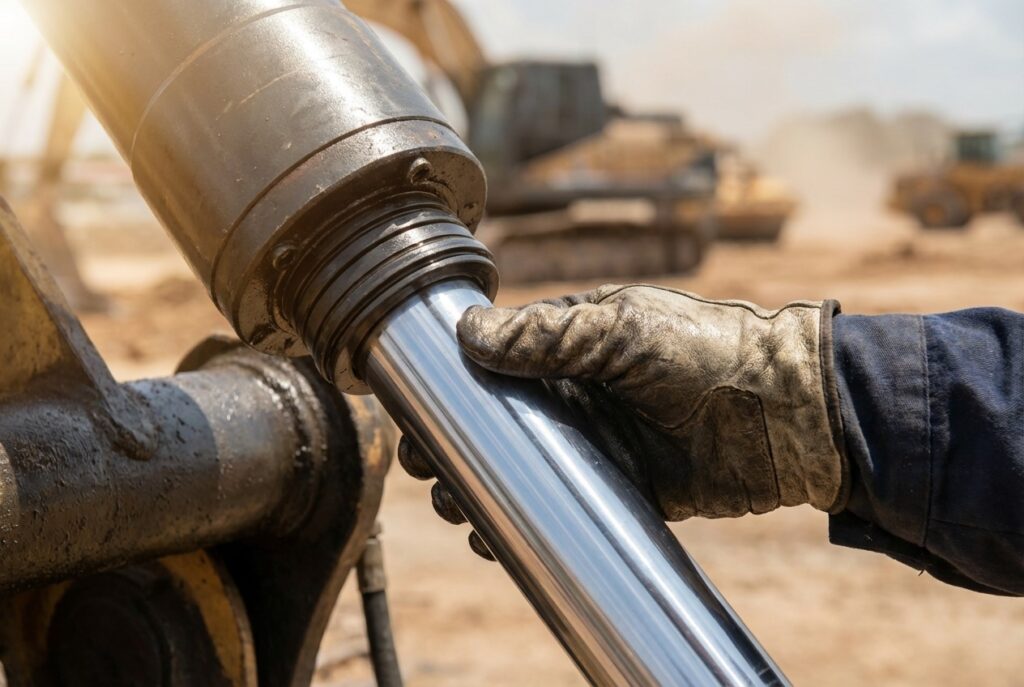
Hydraulic leaks are one of the most overlooked sources of environmental contamination on active job sites. A slow drip at a cylinder rod seal might seem insignificant during a busy work week. However, that same leak can deposit gallons of hydraulic fluid into soil and surface water over a full season.
Regulatory bodies take these spills seriously due to their long-term ecological impact. In fact, the Environmental Protection Agency notes that common fluid replacement activities involving hydraulic fluids and oils are major pollutant sources.
Furthermore, the improper waste disposal of greasy rags and hydraulic fluids produces heavy metal contamination. Job site contamination can easily trigger cleanup obligations that dwarf the cost of the original mechanical repair. Hydraulic leak prevention is both a sustainability practice and a straightforward operational priority. Operators should focus on specific areas during their scheduled checks.
Key visual inspection points include:
- Cylinder rod seals and wiper seals for surface cracking.
- Hose connections and fittings for micro-cracks under pressure.
- Fluid color and consistency to identify internal contamination.
Quick field habits make a real difference in maintaining a cleaner fleet. Building a hydraulic check into every pre-shift routine takes under five minutes and catches problems early. Keeping a simple maintenance log makes trends visible so technicians can address minor seal wear promptly. This small organizational effort costs a fraction of an environmental cleanup or a full cylinder rebuild.
| Warning/Important: A single leaking seal can result in gallons of soil contamination over a season. The cost of environmental remediation often far exceeds the price of a timely hydraulic cylinder repair or seal kit replacement. |
2. Extend Machine Life with Planned Cylinder Maintenance
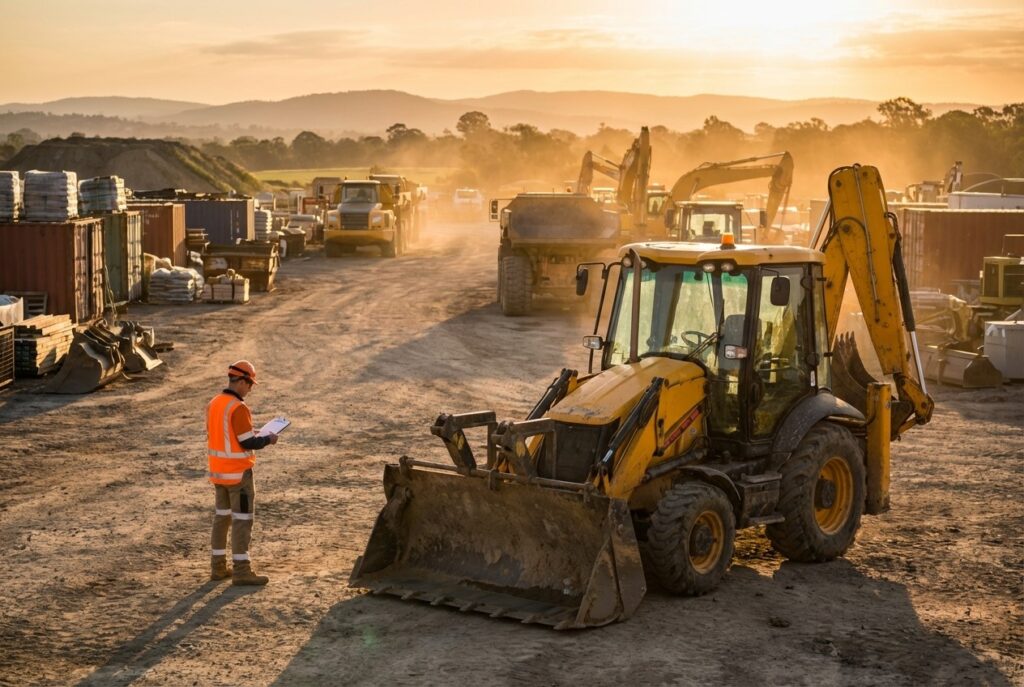
Hydraulic cylinders are the workhorses of construction equipment. They lift, push, tilt and hold under enormous pressure across a machine’s entire lifecycle. Like any high-stress component, they reward attention and punish neglect. The gap between a weekend repair and a week-long delay often comes down to acting quickly on early warning signs.
The cost of reactive maintenance is well-documented and creates significant operational strain. For those managing a handful of machines, a single unexpected breakdown strains client relationships and project timelines. Taking preventative action is the only reliable way to protect margins and meet project deadlines.
Building a practical cylinder maintenance plan requires setting inspection intervals by machine hours rather than calendar dates. It also involves knowing exact machine models to secure highly specific seal kits.
For contractors maintaining older backhoes, sourcing correctly matched components quickly is often the difference between a clean weekend fix and an extended delay. To bridge this gap, operators frequently bypass general hardware outlets in favor of specialized providers like HW Part Store, which maintains a deep inventory of specific Case backhoe parts.
3. Lower Total Ownership Costs with Quality Aftermarket Parts
Total cost of ownership is the metric that separates proactive fleet managers from reactive ones. When calculating construction fleet total cost of ownership, parts sourcing rarely gets the credit it deserves as a primary budget lever.
Most operations simply default to whatever ordering process requires the least immediate research. Rethinking this habit yields massive financial benefits over a machine’s lifetime. The exclusive sourcing approach has a certain logic to it by offering familiar part numbers and manufacturer backing. However, this strategy often inflates maintenance budgets well beyond what the performance difference justifies.
As an industry analysis highlights, standard OEM parts are estimated to cost approximately 60% more than comparable aftermarket alternatives. Quality aftermarket equipment parts consistently meet or exceed original performance standards for much less.
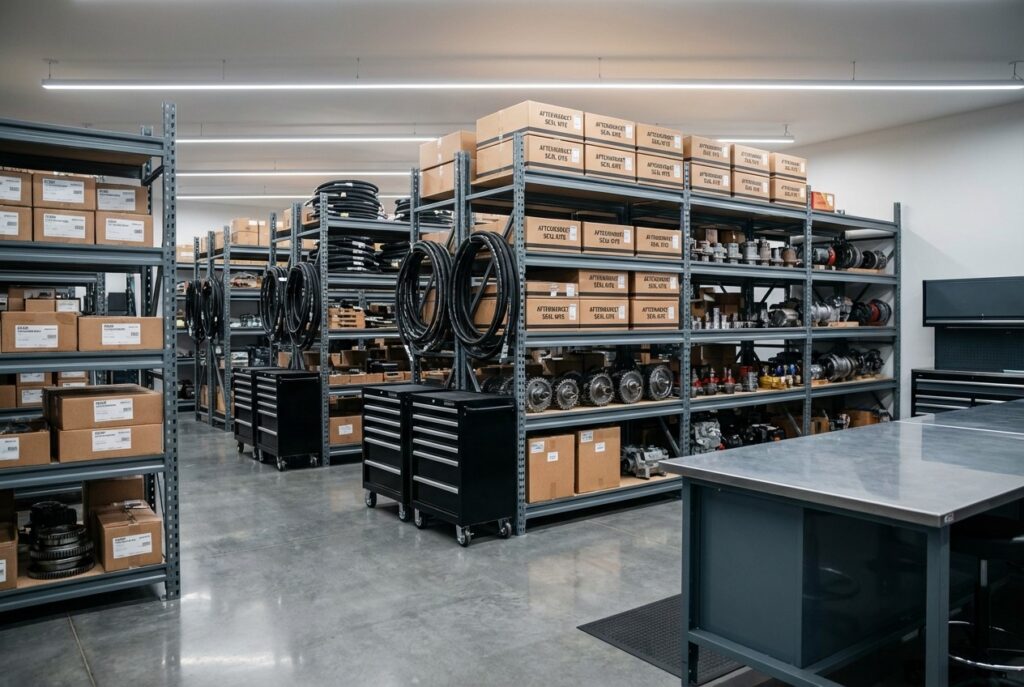
In practice, quality aftermarket means components tested in real-world working conditions. It also involves clear return policies that reduce purchasing risk and access to reliable manufacturing materials. For rental operators and contractors, the cumulative savings across a single season of planned maintenance add up quickly.
Those extra funds can then be redirected toward equipment upgrades, operator training, or reserve capacity.
The sustainability angle often goes unmentioned when discussing replacement components. Sustainable equipment maintenance is not always about what is purchased next. It is often about taking better care of what is already owned.
Extending machine life through affordable maintenance directly reduces the environmental footprint associated with manufacturing entirely new equipment.
| Key Insight: Sustainability isn’t just about buying electric; it’s about maximizing the lifecycle of existing assets. Quality aftermarket parts make it financially viable to keep older machines running cleanly and efficiently for years longer. |
The Bottom Line
Returning to the fleet manager in the sustainability seminar, paying attention to emerging vehicle technology matters because the industry is moving fast.
However, the cleaner fleet operation he is trying to build is not waiting for a breakthrough product announcement. It is waiting for Monday morning. Immediate improvements come from taking better care of current inventory.
Preventing hydraulic leaks protects job sites from contamination and saves money before small problems escalate.
Planned cylinder maintenance keeps machines productive and operators in control of their own schedules. Smart aftermarket sourcing makes long-term fleet management financially realistic for operations of every size.
Fleet managers must navigate real budget pressures while working toward genuine sustainability goals.
The path forward combines thoughtful adoption of new tools with smarter stewardship of the assets already doing the heavy lifting. The cleaner fleet is already in the yard right now. It just needs the expert attention to match its full potential.
