
This article may contain affiliate links.
Anyone who has returned to a parking lot in a major city like Los Angeles to find a fresh door ding knows how quickly minor damage adds up in a city built around cars. Tight parking structures, crowded street parking and long daily commutes create the kind of everyday wear that leaves small dents and dings across door panels, hoods and quarter panels.
For damage where the original paint is still intact, paintless dent repair (PDR) offers a practical path forward that skips the filler, primer and color-matching involved in conventional bodywork. PDR works by carefully massaging dented metal back to its original shape from behind the panel, preserving the factory finish entirely.
That approach matters to a lot of vehicle owners for straightforward reasons: shorter repair time, meaningful cost savings and no disruption to the original paint that protects the vehicle’s resale value. For minor dents and door dings that haven’t cracked or creased the surface, it is often the faster and more sensible option compared to traditional dent repair.
Why PDR Makes Sense for Many Drivers
For Los Angeles drivers and others, the case for paintless dent repair comes together quickly. Dense parking conditions, frequent door dings and long commutes mean that minor cosmetic damage is almost inevitable, and owners who want less downtime need a repair method that keeps pace with their schedules.
The fastest decision factors are straightforward: PDR preserves the factory finish, shortens repair time, delivers cost savings and causes far less disruption than traditional dent repair. It works best for minor dents, door dings and certain hail damage where the original paint remains intact, making it a natural fit for the kind of everyday parking-lot damage that LA drivers and others encounter regularly.
What Modern Vehicles Gain from PDR
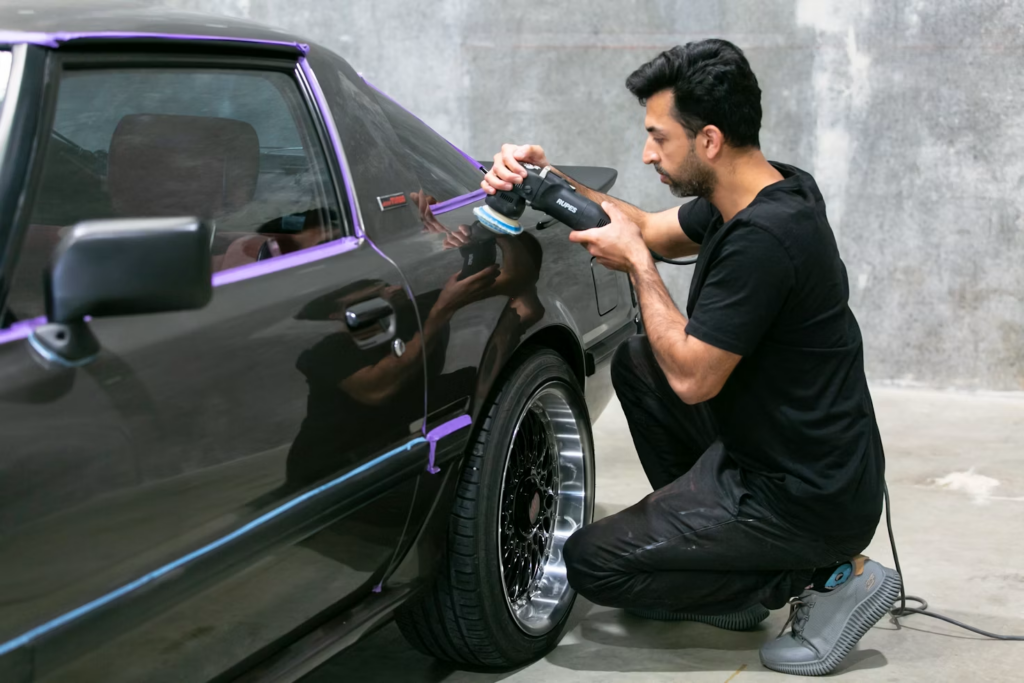
Newer vehicles tend to arrive with more sophisticated factory finishes than cars from even a decade ago, including multi-stage clears and color coats engineered for durability and depth. Once that original paint is sanded, primed and resprayed, the match is rarely perfect, and the repair can become visible under certain lighting conditions.
When Original Paint and Panel Materials Matter
This is where PDR has a clear advantage for modern vehicle owners. By working the metal back into shape without disturbing the surface, the factory finish stays fully intact, which eliminates the color-mismatch risk that comes with repainting.
Compatibility does vary by material. Steel panels generally respond well to the technique, while aluminum panels require a more experienced hand due to the metal’s lower malleability. Avoiding body filler entirely also reduces the chance of future cracking or surface irregularities.
For late-model cars, where Carfax vehicle data shows that repair history can affect valuation, a paint-preserving repair is one of the more straightforward ways to preserve your car’s resale value.
When PDR Beats Traditional Dent Repair
Choosing between PDR and traditional dent repair comes down to a few clear factors: the condition of the paint, the depth of the dent and where it sits on the panel. When paint remains unbroken and the metal hasn’t been sharply stretched or creased, PDR consistently delivers faster repair time and meaningful cost savings compared to conventional bodywork, which involves body filler, sanding, priming and repainting.
Hail damage is a strong example of where PDR often performs well. When a hail event leaves dozens of small dents across a hood or roof without cracking the paint surface, restoring each one through PDR can preserve the original paint entirely while avoiding the expense of panel repainting.
Where Traditional Repair Is Still the Better Call
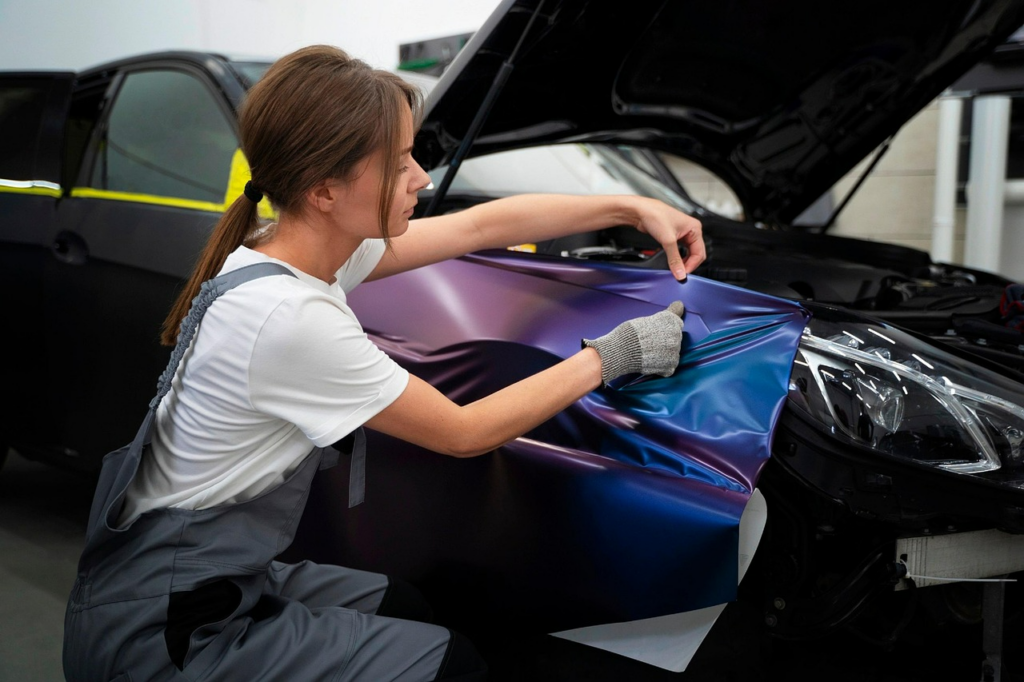
Traditional dent repair becomes necessary when the paint has cracked, the metal has creased sharply or the damage sits near a panel edge. Body filler and repainting are better suited to those conditions, where the metal has been distorted beyond what PDR can safely correct.
Cost, Insurance and Downtime to Weigh
PDR typically costs less than traditional dent repair because it eliminates sanding, body filler, primer and extended labor time. For minor dents where the paint is still intact, that simplified process translates directly into lower repair bills without sacrificing quality.
Insurance coverage is worth reviewing before assuming any out-of-pocket expense. Depending on the policy and damage type, some providers cover eligible dent repair, which can reduce costs further, though policy details vary and are worth confirming directly with the insurer.
Repair time is another factor that carries real weight in a city like Los Angeles. In a city where daily vehicle access is often non-negotiable and sun, heat and coastal air take a toll on your vehicle year-round, a same-day or next-day turnaround is a practical advantage that conventional bodywork rarely offers.
The most useful starting point is evaluating whether the damage actually qualifies for PDR, then comparing estimates from there rather than assuming every dent falls within its scope.
Why the Smart Choice Depends on the Dent
For Los Angeles and other drivers dealing with minor dents, paintless dent repair is often the more practical option when the paint surface remains intact and the metal hasn’t been sharply creased. As discussed in the sections above, modern vehicles benefit most from this approach, since preserving the factory finish protects both the appearance and the resale value that a repaint can quietly diminish.
That said, no single method fits every situation. The right call ultimately comes down to dent depth, paint condition and panel location, which is why evaluating the specific damage first leads to a better outcome than defaulting to either method.
