
This article may contain affiliate links.
Travel has changed dramatically over the past decade. While flights, accommodation and destination guides remain important, today’s travelers are increasingly focused on something else: freedom of movement once they arrive.
Whether it’s a weekend city break, a month-long road trip or a digital nomad lifestyle that spans multiple countries, modern travel is no longer just about getting from Point A to Point B. It’s about exploring destinations more deeply, discovering places beyond the typical tourist routes and having the flexibility to move independently without relying entirely on cars, taxis or public transportation. This shift is helping drive interest in a growing category of travel-friendly mobility solutions. Among them, lightweight electric bikes are emerging as one of the most practical tools for travelers who want to explore more while carrying less.
Travel Is Changing Beyond Flights and Hotels
For years, travel planning largely focused on transportation and accommodation. Travelers compared airline tickets, searched for the best hotels and created itineraries around major attractions.
Today, however, travel trends increasingly emphasize experiences over logistics. Many travelers are choosing slower, more immersive forms of travel. Rather than rushing through a destination, they prefer spending more time exploring local neighborhoods, hidden cafés, scenic coastal roads, countryside villages and places that rarely appear on traditional sightseeing lists.
This approach often creates a new challenge: local mobility. Once travelers arrive at their destination, how do they efficiently explore the surrounding area without constantly depending on rental cars or public transport schedules?
The answer is becoming increasingly important as travel habits evolve.
The Last-Mile Problem Many Travelers Face
One of the most common frustrations in travel is what transportation experts often call the “last-mile problem.”
A traveler may successfully arrive in a city, campground, beach town or rural destination, only to discover that many interesting places are still just far enough away to be inconvenient.
Common examples include:
- Hotels located outside city centers
- Campgrounds several kilometers from nearby towns
- Scenic viewpoints inaccessible by public transportation
- Coastal paths and regional attractions spread across large areas
- Train stations located far from accommodations
In these situations, walking may be impractical, while driving can feel unnecessary or expensive. Many travelers are therefore looking for solutions that provide independence without creating additional logistical burdens.
Why E-Bikes Are Becoming Popular Among Travelers
The growing popularity of the e-bike reflects this changing travel landscape. Unlike traditional bicycles, e-bikes allow riders to cover greater distances with less physical effort. This makes them accessible to a wider range of travelers regardless of age, fitness level or travel style.
For visitors exploring unfamiliar destinations, e-bikes offer several advantages:
- Greater travel radius without fatigue
- Faster access to local attractions
- Reduced dependence on cars and taxis
- Lower transportation costs during trips
- More environmentally responsible travel
An e-bike allows travelers to move beyond the areas immediately surrounding their accommodation and discover destinations at a pace that feels both efficient and enjoyable.
This combination of flexibility and convenience is one of the reasons e-bikes have become increasingly visible in cities, coastal regions and tourist destinations worldwide.
Why Weight Matters More Than Most Travelers Realize
While electric bikes offer many advantages, not all e-bikes are equally suitable for travel.
One factor that is often overlooked is weight. Travelers regularly encounter situations where mobility equipment needs to be carried, lifted, transported or stored. This can include:
- Carrying luggage up stairs
- Navigating train stations
- Moving between accommodations
- Loading equipment into vehicles
- Storing transportation devices in small apartments or hotel rooms
Heavy equipment can quickly become inconvenient, especially during multi-destination trips.
This is why lightweight mobility solutions are attracting growing attention among experienced travelers. A product that performs well while remaining easy to transport offers a significant practical advantage.
The Growing Appeal of the Carbon Fiber E-Bike
As demand for lighter mobility solutions increases, many travelers are discovering the benefits of a carbon fiber e-bike. Carbon fiber has long been used in industries where strength and weight reduction are critical, including aviation, motorsports and high-performance cycling.
When applied to electric bikes, carbon fiber offers several advantages that align particularly well with travel needs:
- Reduced overall weight
- Easier carrying and handling
- Improved portability
- Greater convenience when using trains or public transportation
- Enhanced maneuverability in urban environments
For travelers who frequently move between locations, these benefits can make a noticeable difference in day-to-day experiences. The appeal is not necessarily about speed or performance. Instead, it is about simplifying mobility and reducing the friction associated with transportation during travel.
A Real Example: The Fiido Air
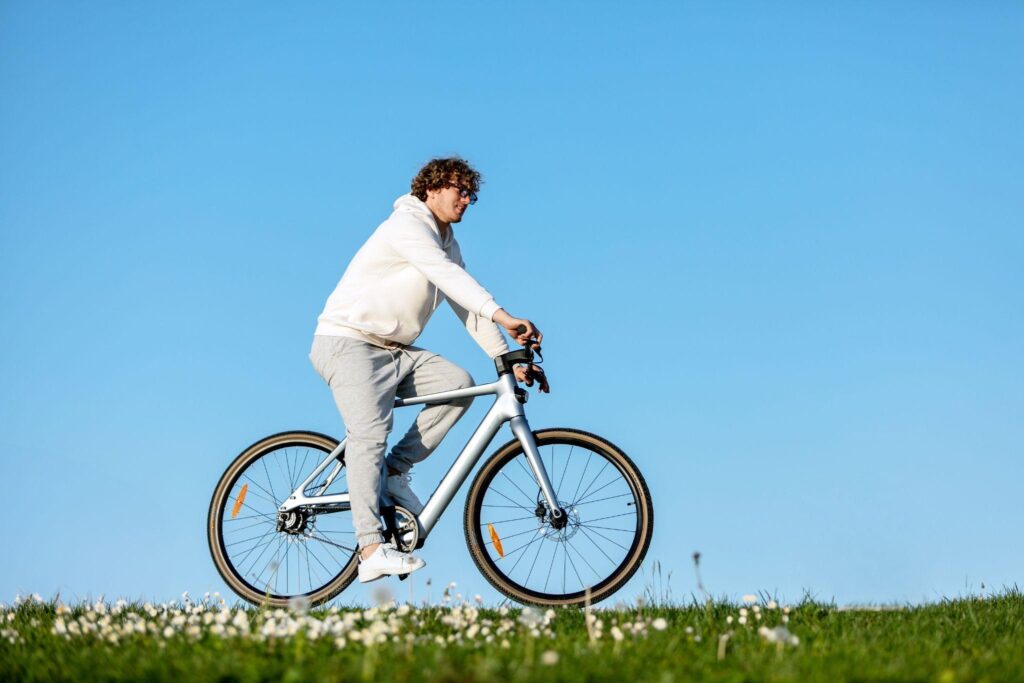
The growing popularity of lightweight travel-oriented e-bikes can be seen in models such as the Fiido Air. Rather than focusing solely on motor power or battery size, the Fiido Air emphasizes portability and ease of use through its carbon fiber construction.
This design philosophy reflects broader changes in traveler priorities. Many people are no longer looking for the most powerful mobility solution; they are looking for the most practical one.
For travelers, several characteristics are particularly relevant:
- Lightweight carbon fiber frame
- Easy handling in urban environments
- Convenient transportation between destinations
- Compatibility with multi-modal travel involving trains and public transport
- Everyday usability during extended trips
These qualities make lightweight e-bikes increasingly attractive for individuals who value flexibility over complexity.
Where Lightweight E-Bikes Make the Biggest Difference
The advantages of lightweight electric bikes become especially apparent in specific travel scenarios.
City Breaks
Urban travelers often spend entire days exploring neighborhoods, parks, markets, museums and waterfront districts. A lightweight e-bike allows visitors to cover larger areas efficiently while avoiding traffic congestion and parking challenges.
Coastal Destinations
Many coastal regions feature scenic roads and attractions spread across long stretches of shoreline. An e-bike enables travelers to visit multiple locations in a single day without relying on a car.
Camping and Outdoor Travel
Campgrounds are frequently located outside town centers. A lightweight e-bike provides a convenient way to access restaurants, shops, beaches and nearby attractions.
Long-Term Travel
Digital nomads and long-term travelers often prioritize possessions that offer maximum utility with minimal weight. A lightweight mobility solution aligns naturally with this mindset.
Multi-City Journeys
Travelers moving between several destinations during one trip benefit from equipment that is easy to transport and manage throughout changing environments.
Sustainable Travel Is Also About Local Mobility
When discussing sustainable travel, attention often focuses on flights and long-distance transportation. While these are important considerations, local mobility also plays a significant role.
The transportation choices travelers make after arriving at their destination influence both environmental impact and travel experience. Short car trips that could easily be completed by bike contribute to congestion, emissions, and parking demand in many tourist destinations. By contrast, e-bikes offer a practical way to reduce reliance on motor vehicles while still maintaining convenience and flexibility.
For many travelers, sustainability is no longer simply about reducing environmental impact. It is also about engaging more directly with the places they visit. Traveling at a slower pace often leads to richer experiences, greater spontaneity and stronger connections with local communities.
The Future of Travel May Be More Flexible Than Ever
Several travel trends suggest that flexible mobility will become increasingly important in the years ahead. These trends include:
- Growth of slow travel
- Expansion of cycling infrastructure
- Increased interest in sustainable tourism
- Rise of digital nomad lifestyles
- Growing demand for car-free travel experiences
As these shifts continue, lightweight transportation options are likely to play a larger role in how people explore destinations. Rather than replacing existing transportation systems, they complement them, creating more choices for travelers seeking independence and flexibility.
Conclusion
Modern travel is evolving beyond simply reaching a destination. Increasingly, travelers are thinking about how they move once they arrive. The ability to explore freely, efficiently and sustainably has become an important part of the travel experience itself.
E-bikes have emerged as a practical solution to this challenge, offering greater flexibility and accessibility than traditional forms of local transportation. At the same time, lightweight models are addressing an often-overlooked aspect of travel: portability.
As interest grows in travel-friendly mobility, the carbon fiber e-bike represents a particularly compelling option. By combining electric assistance with lightweight construction, models such as the Fiido Air demonstrate how transportation can become both more efficient and easier to manage.
For travelers who want to explore more while carrying less, lightweight e-bikes may become one of the defining tools of modern travel.
