
This article may contain affiliate links.
Electric pickup trucks have quickly moved from being niche vehicles to practical options for drivers who want the versatility of a traditional truck while benefiting from modern electric technology. Improvements in battery performance, charging infrastructure and vehicle design have made electric pickups attractive for commuters, outdoor enthusiasts, business owners and families alike. As more manufacturers introduce new models, buyers have a growing number of choices, making it increasingly important to understand how to evaluate these vehicles before making a purchase.
While online reviews, specification sheets and comparison videos provide valuable information, they cannot replace firsthand experience. An electric pickup offers a different driving experience than a conventional gasoline or diesel truck, and understanding those differences requires time behind the wheel. A thoughtful test drive allows buyers to assess not only performance, but also comfort, technology, practicality and how well the truck fits into everyday life.
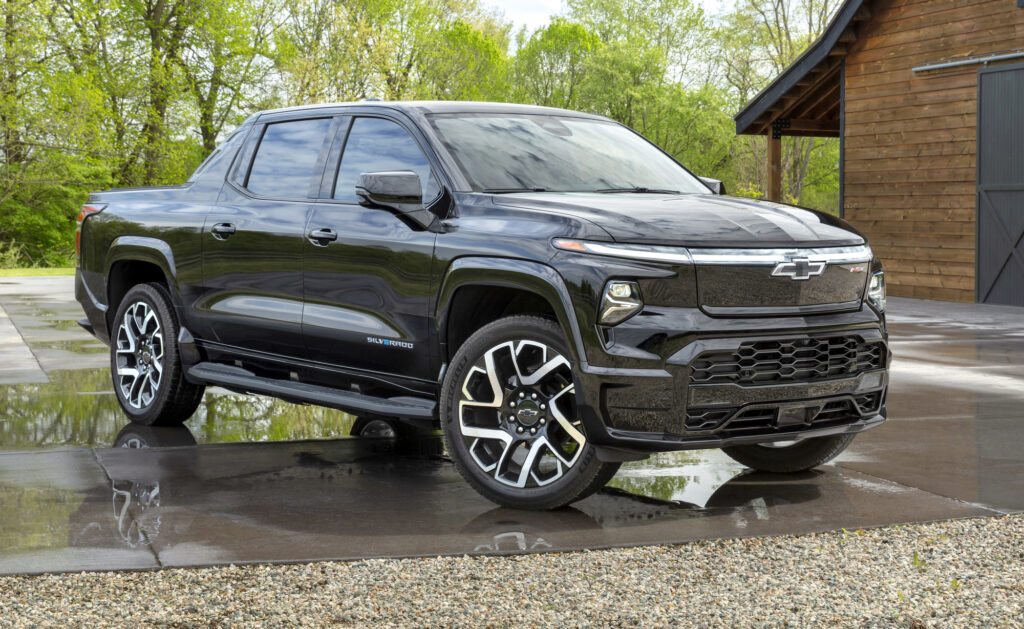
Why Test Driving Is More Important Than Ever
Electric pickups deliver power differently than traditional trucks because electric motors produce instant torque. This creates smooth, immediate acceleration that many first-time drivers find surprising. Whether merging onto a busy highway or navigating city traffic, the vehicle often feels more responsive than expected. However, each manufacturer calibrates steering, suspension, braking and power delivery differently, making personal experience an essential part of the buying process.
Comfort should receive equal attention during a test drive. Seat support, cabin visibility, road noise, ride quality and ease of entry all contribute to long-term satisfaction. A truck that feels comfortable during a five-minute drive may reveal strengths or weaknesses during a longer trip over different road surfaces.
Looking Beyond Performance Numbers
Driving habits, weather conditions, terrain, passenger load and cargo weight all influence real-world efficiency. Instead of concentrating solely on official estimates, buyers should consider whether a vehicle comfortably supports their normal weekly driving routine.
Charging convenience deserves similar consideration. Understanding home charging options, public charging availability and estimated charging times can provide a more realistic picture of ownership than simply comparing battery capacities.
Interior usability is another factor that often becomes more important after daily use begins. Large digital displays, navigation systems, smartphone connectivity, storage compartments and climate controls should all feel intuitive without distracting the driver. Spending time exploring these features before beginning the test drive can help buyers determine whether the layout feels natural.
Comparing Multiple Trucks Objectively
With several manufacturers now producing electric pickups, comparing different models has become easier than ever. Rather than approaching the process with strong brand preferences, buyers often benefit from evaluating each truck according to their individual needs.
Ride comfort, visibility, cargo flexibility, charging capabilities, technology and available driver-assistance features should all influence the decision. Some trucks emphasize luxury and advanced digital features, while others focus on durability and familiar truck characteristics.
One frequently discussed comparison is Chevy vs Ford. Both manufacturers have invested heavily in electric truck development, but each takes a different approach to design, technology and overall driving experience. Instead of relying exclusively on published comparisons, prospective buyers should evaluate how each vehicle feels during similar driving conditions, paying close attention to comfort, handling and everyday practicality.
Evaluating Practical Utility
Although electric pickups introduce new technology, they still serve the same fundamental purpose as traditional trucks. Buyers should carefully consider how they intend to use the vehicle throughout the year.
Some drivers need a truck primarily for commuting, while others regularly transport equipment, recreational gear or building materials. Bed size, storage compartments, passenger space, payload capacity and available accessories all contribute to the truck’s usefulness.
Checking out a Chevrolet Silverado EV for sale is one stop on your research. While manufacturers publish maximum towing ratings, buyers should also ask how hauling heavier loads affects battery range and charging frequency. Understanding these practical trade-offs provides a more accurate picture of long-term ownership than relying solely on advertised specifications.
Making Technology Work for You
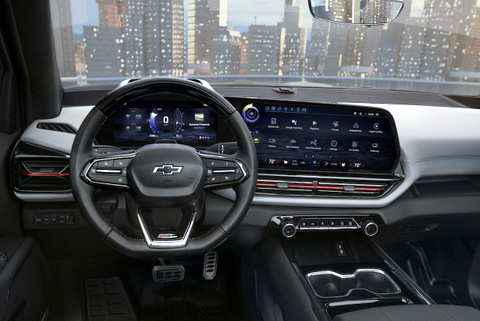
Today’s electric pickups include technologies that would have seemed futuristic only a few years ago. Large infotainment screens, wireless smartphone integration, advanced navigation, voice controls, over-the-air software updates and driver-assistance systems have become common features across many models.
Rather than assuming every system works the same way, buyers should spend time interacting with the controls during a test drive. Simple tasks such as adjusting climate settings, changing navigation routes or customizing display layouts can reveal whether a system feels intuitive during everyday driving.
Technology should enhance the ownership experience rather than create unnecessary complexity. Finding a vehicle whose controls feel comfortable and easy to use can significantly improve long-term satisfaction.
Research Before Making a Final Decision
A successful vehicle purchase combines firsthand driving experience with careful research. Reading independent reviews, comparing ownership costs and understanding warranty coverage all contribute to making a well-informed decision. Buyers should also explore charging infrastructure in the locations where they travel most frequently. Although public charging networks continue to expand, convenience varies depending on the region and driving habits.
Maintenance is another area where electric pickups differ from traditional trucks. Because electric vehicles have fewer moving mechanical components, routine maintenance requirements are generally lower. Even so, prospective owners should understand battery warranties, recommended service intervals, tire maintenance and available software updates before making a purchase.
Experiencing Different Driving Conditions
A meaningful test drive should include more than a quick trip around a dealership. Whenever possible, drivers should experience a combination of city streets, highways, intersections and parking situations. Each environment highlights different aspects of the truck’s performance.
Highway driving demonstrates acceleration, stability and cabin noise during higher-speed travel. Urban roads reveal steering precision, regenerative braking performance and overall maneuverability in stop-and-go traffic. Modern camera systems and parking assistance features can make large pickups significantly easier to manage, but drivers should evaluate these technologies firsthand.
Testing the truck under conditions that closely resemble daily use provides valuable insight into whether it will remain comfortable and practical long after the excitement of a new purchase has faded.
Choosing the Right Trim and Features
Many electric pickups are available in multiple trim levels, each offering different combinations of technology, comfort, and performance features. Buyers should resist the temptation to focus only on premium packages without first considering which features they are most likely to use.
For some drivers, advanced driver-assistance systems, upgraded audio equipment or enhanced interior materials may justify the additional cost. Others may prioritize practical features such as larger cargo storage, additional power outlets or improved charging capabilities. Taking the time to compare trims helps ensure that the selected vehicle matches both budget and lifestyle.
Finding the Right Vehicle
Once buyers understand which features matter most, they can begin exploring available inventory through reputable dealerships. Whether someone is searching for a Chevrolet Silverado EV. GMC Sierra EV, Ford Lightning, Rivian R1T or Tesla Cybertruck, or comparing several electric pickups before making a final decision, visiting a dealership or showroom remains one of the best ways to experience the differences between available models.
Dealership personnel can explain trim levels, charging accessories, financing options and warranty coverage while giving prospective owners the opportunity to evaluate a vehicle in person. For example, Kearny Mesa Chevrolet is one dealership where shoppers can learn more about available Silverado EV models and gain practical experience behind the wheel before making a purchase.
The Future of Electric Pickups
Electric pickup trucks continue to evolve rapidly. Manufacturers are introducing improved battery technology, longer driving ranges, faster charging systems and increasingly sophisticated driver-assistance features. As these advancements continue, buyers will have even more options to consider.
An electric pickup represents a significant investment, making preparation an essential part of the buying process. Taking the time to compare models objectively, ask informed questions, and experience multiple vehicles firsthand increases the likelihood of choosing a truck that meets both current and future needs. By focusing on everyday usability rather than marketing claims, buyers can make confident decisions and enjoy the many advantages that modern electric pickups have to offer.
