
This article may contain affiliate links.
Most drivers know the seasonal maintenance drill. Check the tires, test the battery, top off the fluids and make sure the wipers are not smearing rain across the windshield like an abstract art project. But the part of the vehicle where drivers actually spend their time often gets much less attention, the interior.
A car cabin puts up with a lot during the year. Summer brings heat, UV rays, sunscreen, sand, spilled drinks and snack wrappers that somehow reproduce under the passenger seat. Winter swaps those problems for slush, road salt, muddy boots, damp coats, fogged windows and the unmistakable smell of wet floor mats.
Fortunately, seasonal interior care does not require a professional detailer or a complete emotional commitment to cleaning every air vent with a cotton swab. A few practical steps can keep your car clean and sanity in check.
Start With the Great Cabin Cleanout
Before reaching for cleaners or conditioners, remove the clutter.
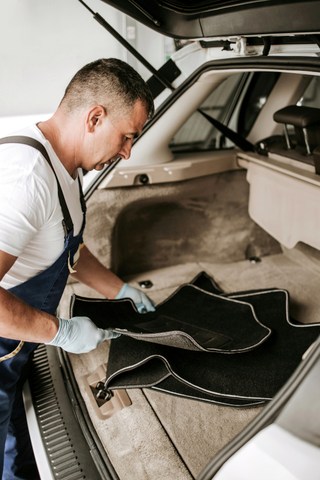
Empty cups, receipts, charging cords, fast food napkins, gym bags and at least one object no one remembers putting in the car should all come out. Check the door pockets, center console, under the seats, rear-seat storage and cargo area.
Seasonal changes are also a good time to swap gear. A snow brush probably does not need to ride around in July, while beach towels and sunscreen can head back to the garage when winter arrives.
Once the cabin is empty, vacuum the seats, carpets, mats, and seat rails. Slide the seats forward and backward to reach the places where crumbs go to retire. Even this basic cleanup can make a car feel dramatically better.
Help the Interior Survive Summer
Summer heat can be brutal on a vehicle interior. Dashboards, steering wheels, seats, touchscreens and trim can get extremely hot after the car sits in direct sunlight. Continued heat and UV exposure can also contribute to fading, drying and cracking.
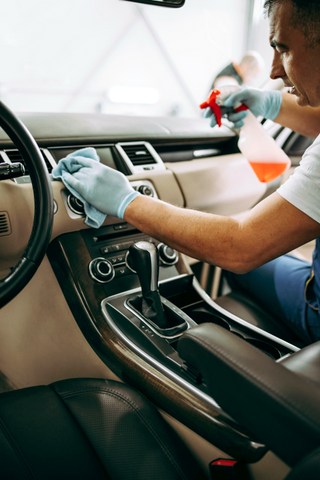
Clean hard surfaces with a product made for automotive interiors. Household cleaners may leave residue, damage certain finishes or create a glossy dashboard that reflects in the windshield at exactly the wrong moment.
Meguiar’s Ultimate Interior Detailer is one recognizable example. The company says it is designed to clean common touchpoints such as dashboards, door panels, center consoles, screens and steering wheels while also providing UV protection. Whatever brand is used, a matte or low-gloss finish is usually preferable to the “freshly buttered dashboard” look.
Leather seats deserve attention before the hottest weeks of the year. Heat, sweat, sunscreen and body oils can leave the surface looking tired. Use a cleaner and conditioner intended for automotive leather, and test it in a hidden spot first.
Fabric seats benefit from quick stain treatment after road trips, sports practices or the iced coffee that hit a pothole before the driver did. Cleaning a spill right away is much easier than waiting six months and pretending the stain is part of the upholstery design.
And yes, the windshield sunshade still works. It is not connected, voice-activated or subscription based, which may be why it feels so refreshing. A properly fitted shade can reduce direct sunlight on the dashboard and front seats, making the cabin less punishing when the driver returns.
Check the Cabin Air Filter
The cabin air filter is one of those components many drivers forget exists until the airflow weakens or the vents start producing a scent best described as “grandma’s basement.”
The filter catches dust, pollen, leaves and other particles before they enter through the climate-control system. Replacement schedules vary by vehicle and driving environment, so owners should follow the manufacturer’s recommendation.
Spring and early summer are logical times to inspect the filter, particularly in areas with heavy pollen. Fall is another good opportunity because leaves and debris can collect around exterior air intakes.
Do Not Let Moisture Move In
Humidity, storms, wet swimsuits and leaky drink cups can leave moisture trapped in carpeting and upholstery.
That moisture can create musty odors and, in more serious cases, mold or mildew. Wet mats, towels and clothing should be removed instead of left sealed inside the vehicle. If an area gets soaked, blot up the liquid, remove the mats and let the cabin dry.
Recurring dampness may point to worn door seals, blocked sunroof drains, damaged weather stripping or a leak around the windshield. Those problems should be investigated instead of ignored.
Covering the smell with a tropical air freshener does not solve the source of the moisture. It simply creates “moldy pineapple,” which is not an upgrade and probably will not become the next scent from the folks at Little Trees.
Prepare for Winter Slush and Salt
Winter creates a different kind of interior battle. Snow, slush, road salt, mud and water all collect on the floor, usually moments after the owner has cleaned it.
All-weather mats or molded floor liners are a smart winter upgrade. WeatherTech FloorLiners, for example, are measured for specific vehicles, while the brand’s all-weather mats use channels designed to trap water, mud, road salt, and sand.
Whatever brand a driver chooses, fit is critical. The mat must be secured and should never interfere with the accelerator or brake pedal.
Do not stack a rubber mat over a carpeted one. That may appear to provide double protection, but the upper mat can slide around. General Motors has specifically warned against stacked or incorrectly fitted driver-side mats because of possible pedal interference.
Clean the carpet before installing winter liners, then empty and wash the liners regularly. Road salt can dry into a white, crusty residue that gets increasingly stubborn by spring.
Win the Battle Against Fogged Windows
Fogged windows are more than annoying; they can quickly become a visibility problem.
Fog forms when warm, moist cabin air meets cold glass. Damp coats, snowy boots, wet mats
and passengers all add moisture. The defroster is the main tool for clearing the glass, and a properly working air-conditioning system can help remove humidity even in colder weather.
AAA recommends using the vehicle’s climate controls to clear condensation rather than wiping the glass with clothing, which tends to leave streaks without solving the moisture problem.
Add Fragrance, But Do Not Use It as a Cover Story
Once the interior is clean, dry and protected, an air freshener can be a good finishing touch.
Automotive fragrance has moved well beyond the single hanging cardboard tree that vaguely smells like a pine tree. Drivers can now choose from vent clips, sprays, gels, fiber cans, under-seat products and refillable diffusers. Or if you like something dangling from the rearview mirror, there’s everything from a homemade bottle of essential oils to a well-designed custom air freshener with a company logo on it that you get from the local car wash promotion.
Little Trees remains one of the best-known names in the category and offers more than 40 fragrances. Its lineup includes seasonal-friendly choices such as Summer Linen, Royal Pine, Warm Pumpkin Spice and, of course, Black Ice. Febreze CAR vent clips are another familiar option designed to add fragrance while fighting odors. And both can be found just about anywhere car accessories are sold.
The key is restraint. A car cabin is a small space, not the fragrance department of a shopping mall. Installing three vent clips, two hanging air fresheners, and a gel container under the seat is less “fresh mountain breeze” and more “chemical weather event.”
That is especially important for rideshare vehicles, rentals, dealership demos and family cars. A scent one person finds refreshing may cause another passenger to open the window at highway speed.
Air fresheners should also be the final step, not the first line of defense. They will not fix mildew, smoke residue, pet accidents, spoiled food, coolant leaks or a dirty climate-control system.
Better packaging, premium designs and wider scent selections have also made car air fresheners feel more like interior accessories than afterthoughts. Drivers already personalize vehicles with wheels, lighting, seat covers and phone mounts. Choosing how the cabin smells is simply another part of that personalization.
Build a Small Seasonal Kit
A small seasonal-care kit can keep minor messes from turning into major projects.
For summer, useful items include microfiber towels, interior cleaner, glass cleaner, a sunshade, trash bags and a light fragrance. For winter, add an ice scraper, snow brush, absorbent towel, spare gloves and a small brush for dried salt.
Keeping a few cleaning wipes in the glove compartment can also help, although the glove compartment may first need to be cleared of expired registration copies, drive-through receipts and an owner’s manual that has not been opened since the day the vehicle was purchased.
A Better Cabin Makes a Better Drive
Seasonal interior care is not just about appearance. It can improve comfort, visibility, air quality and resale appeal. Buyers notice stained seats, cracked trim, damaged mats, cloudy glass and unpleasant odors, even when the vehicle is mechanically sound.
The routine is straightforward. Clear the clutter, clean and protect surfaces, control moisture, inspect the cabin filter, install proper floor protection, clean the glass and finish with a subtle fragrance.
Drivers may spend plenty of time talking about horsepower, torque, range, fuel economy, tires and technology. But every mile still happens inside the cabin.
