
The Process Is the Key to Real Gains
The transition to electric vehicle (EV) fleets represents a pivotal step toward corporate sustainability goals, yet the path to reducing environmental contamination is complex. While replacing internal combustion engines with electric alternatives promises significant emissions reductions, the process introduces its own ecological challenges. From acquiring polluted land to managing battery life cycles, fleet electrification requires careful planning to ensure the cure does not perpetuate the problem.
The Scale and Promise of Fleet Electrification
Fleet electrification’s primary appeal lies in its measurable environmental impact. Organizations worldwide recognize this potential, particularly as ambitious policies could drive carbon reduction to approximately 2 gigatons of carbon dioxide equivalent by 2035. Despite operational complexities, these projections make electrification a sustainability priority for forward-thinking corporations.

Managing Preexisting Environmental Hazards
New charging depots often occupy previously developed land that carries a legacy of environmental contamination from prior industrial use. The nation currently has 450,000 brownfields, defined as properties undergoing redevelopment after prior contamination. These sites differ substantially from Superfund locations, which represent more severe pollution cases that directly endanger public health and ecological wellness.
Although brownfield remediation presents challenges, it also delivers measurable economic benefits. Redevelopment projects at these sites have generated 183,817 jobs, demonstrating that addressing land contamination can advance both ecological restoration and economic development goals.
Overcoming Logistical Hurdles in Infrastructure Development
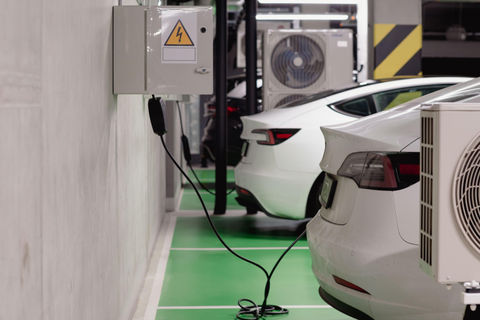
The specific characteristics of potential depot sites introduce operational complications that extend well past land acquisition. For instance, fleet managers face logistical challenges in certain areas that seem ideal on paper but prove problematic in practice.
Remote industrial yards and underground parking structures often lack reliable network connectivity, yet they often offer optimal configurations for fleet charging operations. Solutions for infrastructure in unconventional fleet locations address these signal gaps, enabling effective charging deployment where traditional network-dependent systems would fail.
The Life Cycle of EV Batteries and Environmental Contamination
The battery itself represents the most significant ongoing source of potential environmental contamination. From mineral extraction through end-of-life disposal, each phase of the life cycle requires deliberate management.
Meeting the Surging Demand for Critical Minerals
Battery manufacturing expansion places unprecedented strain on supply chains for essential raw materials. Projections indicate nickel demand will reach levels 4.8 times greater than current consumption, while cobalt faces even more dramatic pressure at 6.7 times current usage rates. These extraction activities carry environmental consequences that supersede mining sites themselves, affecting watersheds and ecosystems throughout mineral-rich regions.
Handling End-of-Life Batteries as Hazardous Waste
Once batteries reach the end of their operational life, they present distinct ecological and safety concerns. Most discarded lithium-ion batteries can ignite or explode when mishandled due to their reactive chemical properties, designating them as hazardous waste under federal regulations. Proper management protocols protect workers and prevent environmental contamination incidents at recycling and waste facilities.
Preparing for the Coming Wave of Used Batteries
Based on standard 10-year battery lifespans, the United States could face 2 million EV batteries reaching end-of-life annually by 2040, translating to an estimated 4 million metric tons of material requiring safe recycling or disposal management each year. Fleet operators who plan now for end-of-life battery handling position themselves ahead of what will become a universal operational requirement.
A Case Study in Sustainable Fleet Transition
Railway operator Keolis Amey Docklands in the UK completed a comprehensive electrification program that illustrates achievable outcomes when organizations commit to systematic planning. After transitioning its entire light commercial vehicle fleet to electric in just eight months, the company documented significant environmental gains. The fleet reduced carbon dioxide emissions by 2 tons within the first seven months compared to previous diesel operations.
The company also saw a 41% reduction in daily operating costs, driven by lower maintenance requirements and electricity expenses. This case validates that well-executed transitions address both sustainability objectives and operational efficiency.
Charting a Sustainable Course for a Greener Fleet
The transition from internal combustion engines to EVs presents ecological challenges throughout the entire process. However, a truly sustainable outcome remains possible through proactive planning, responsible material sourcing and rigorous protocols for managing environmental contamination at every phase. Organizations that address these complexities systematically can meet sustainability goals without simply shifting burdens.
