
This article may contain affiliate links.
Honda has built its reputation on reliability, but reliability is never accidental. It comes from good engineering, sensible maintenance and owners who understand that even the most dependable car needs the right care at the right time. That is exactly where a proper Honda manual earns its place.
Many drivers think of a manual as something that lives in the glovebox and gets opened only when a warning light appears. In reality, it is one of the most practical tools you can keep on hand throughout the life of the vehicle. Whether you drive a Civic, Accord, CR-V, Pilot or an older Integra that you are trying to keep on the road, a manual helps turn guesswork into informed decisions.
That matters more now than it did a decade ago. Modern Hondas are packed with electronics, sensors, integrated safety systems and model-specific service procedures. Even a task that sounds simple, like replacing brake pads or changing transmission fluid, can have details that affect performance and long-term durability. Using the wrong fluid specification, overlooking a torque setting or skipping a reset procedure can create problems that cost far more than the original job.
Why a Honda Manual Still Matters in the Age of Search Engines

It is tempting to rely on forum posts, short videos or general repair articles when a maintenance issue comes up. Those sources can be helpful, but they are often incomplete, outdated or based on a different trim level, engine or model year. Hondas may share design DNA across generations, yet small differences in engine layout, electrical routing or service intervals can make a big difference once you start working on the car.
A dedicated manual gives you a reliable baseline. Instead of piecing together advice from five different sources, you have one structured reference that is specific to the vehicle in front of you.
Accuracy Saves Time and Prevents Expensive Mistakes
A good Honda manual does more than explain how to remove and replace parts. It helps you diagnose issues methodically. That includes torque specifications, wiring diagrams, fluid capacities, service intervals, component locations and manufacturer-recommended procedures. For anyone who does their own maintenance or even just wants to better understand a mechanic’s recommendations, access to accurate information is essential.
If you are maintaining an older model or managing repairs beyond basic oil changes, having access to detailed resources such as technical manuals for Honda servicing can make the difference between a clean repair and a frustrating weekend of trial and error.
Better Maintenance Starts With Better Information
Routine maintenance is where manuals quietly deliver the most value. Most major repair bills do not begin with catastrophic failures. They begin with overlooked basics: delayed fluid changes, missed inspections or wear items replaced too late.
Honda manuals help owners stay ahead of those problems by clarifying what needs attention and when. That sounds obvious, but schedules can vary depending on engine type, driving conditions and model year. A generic service checklist rarely captures those distinctions.
Knowing What “Normal” Looks Like
A manual helps you identify what is expected before something becomes a fault. For example, it can show you:
- The correct engine oil grade and capacity
- Proper tire pressures and rotation patterns
- The replacement interval for spark plugs, filters and timing components
- Correct procedures for brake service and bleeding
- Warning light meanings and diagnostic starting points
That kind of information encourages preventative maintenance rather than reactive repairs. Over time, that approach protects both the car and your budget.
Manuals Make DIY Work Safer and More Confident
Not every Honda owner wants to tackle repairs personally, and that is perfectly reasonable. Still, even a basic understanding of the vehicle changes how confidently you manage ownership. If you do handle simple jobs at home, a manual adds an important layer of safety.
The Hidden Risks of “Simple” Jobs
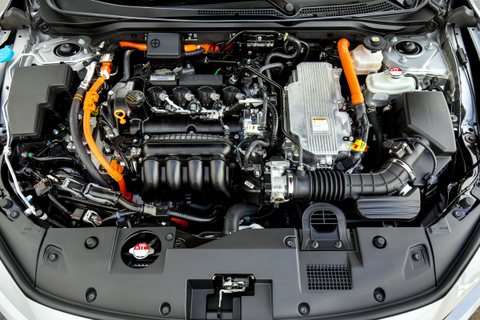
Consider something as ordinary as replacing a battery. On some vehicles, the process is straightforward. On others, disconnecting power may trigger radio security codes, reset modules or require system relearning. The same goes for brake work, coolant replacement or removing interior panels near airbag components. Without the correct instructions, it is easy to damage clips, trip warning systems or create hazards unintentionally.
A manual also tells you where to support the vehicle safely, which fasteners require replacement rather than reuse and which procedures should not be improvised. That is not just helpful information; it is risk management.
Even If You Use a Mechanic, a Manual Helps
One common misconception is that manuals are mainly for DIY enthusiasts. In practice, they are just as useful for owners who never pick up a wrench.
Better Conversations, Better Decisions
When you understand your car’s service requirements, it becomes easier to ask better questions. If a shop recommends a repair, you can compare it against the maintenance schedule, understand what related components may also need inspection and make more informed decisions about timing and cost. You are not trying to out-diagnose the technician. You are simply becoming a more informed customer.
That can be especially valuable with older Hondas, where owners often weigh whether to repair, postpone or replace. A manual gives you context. Is the issue a common wear item? Is it part of a larger service interval? Is there a specific diagnostic sequence that should happen before expensive parts are swapped? Those questions matter.
A Small Habit That Protects Long-Term Value
Keeping a manual is also a smart ownership habit from a resale standpoint. Buyers notice when a car has been maintained carefully and documentation supports that impression. A seller who understands service history, follows proper intervals and keeps records typically inspires more confidence than one who relies on vague memory.
For enthusiasts, the value goes beyond resale. Older Hondas often stay on the road because owners are willing to maintain them properly rather than treat them as disposable. Manuals play a quiet but important role in that longevity. They preserve knowledge, standardize repairs and help keep well-built vehicles operating the way they were designed to.
The Bottom Line
A Honda manual is not just a reference book. It is a practical tool that helps you maintain reliability, reduce unnecessary repair costs and understand your vehicle with more clarity. In a world full of fragmented online advice, having one dependable source of model-specific information is still incredibly valuable.
Whether you perform your own maintenance or simply want to make smarter service decisions, keeping the right manual close at hand is one of the easiest ways to take better care of your Honda.
