Clean Fleet Articles

Fueling Station Locator – Alternative Fuels

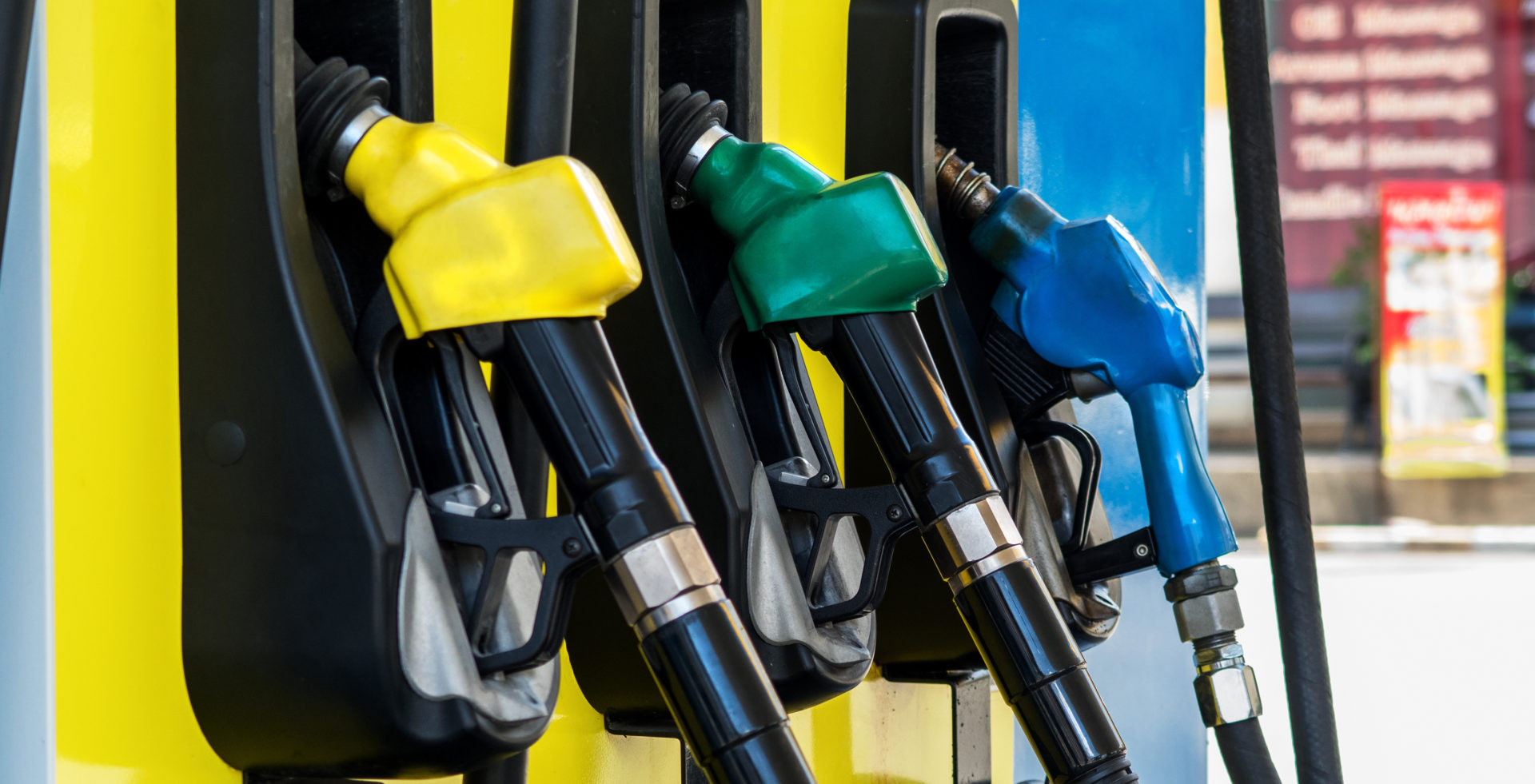
Many fleets have specific goals to reduce petroleum dependency, meet cleaner emission mandates, reduce greenhouse gas emissions, and begin pilot fleets that model their future goals. Fleets are expanding their use of hydrogen, natural gas and biofuels. Sometimes, they even save money in the process. Here’s a source to find alternative fuel fueling stations.

Biofuel Innovators with Alternatives to Oil

Oil soars to $125 per barrel and economies around the world sputter or fall into recession. Enough is enough. Many biofuels can be blended with gasoline and diesel refined from oil, then pumped into our existing vehicles. The new biofuels have the potential to encourage sustainable reforesting and soil enrichment. Biofuel 2.0 provides a path to fuel from wood and waste, not food and haste.

The Secrets of Curitiba

Talking with the former Mayor of Curitiba and architect, Jamie Lerner, is like talking with Santiago Calatrava about designing buildings or having an imagined conversation with Frederick Olmsted about designing parks. Jamie Lerner designs cities. More accurately, he helps all create a strategic vision of cities for people, not cities for cars.

General Motors Looks Beyond Oil

“One of the most serious business issues currently facing General Motors is our product’s near total dependence on petroleum as a source of energy. To address this issue, we have been implementing a strategy to displace petroleum through energy diversity and efficiency,” explained Dr. Larry Burns, Vice-President of Research and Development for General Motors, during his keynote speech.

UCSD transit

UC San Diego Saves Millions with Realtime Management

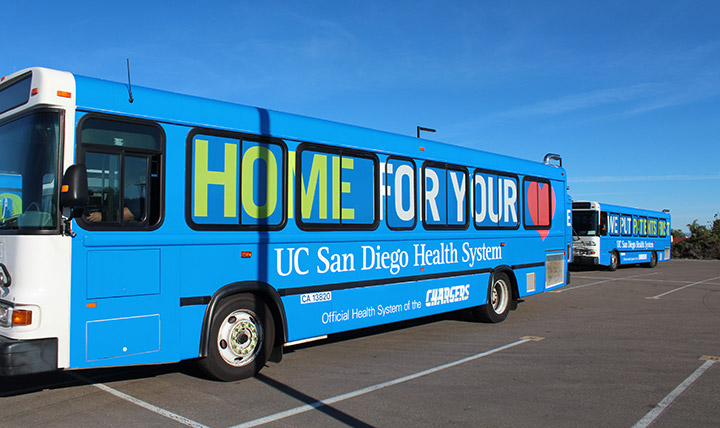
Like all great universities, the University of California at San Diego, must either spend millions for car parking or spend millions for improved transportation. Using transportation demand management, UC San Diego is spending millions less in both areas. 27,500 students attend the university. “We encourage commuters to use alternate forms of transportation,” said Brian d’Autremont, TPS director. “Approximately 43 percent of UC San Diego commuters use some form of alternative transportation, including, bikes, buses, trains and vanpools.”

Oil Consumption Peaks for World’s #3 Consumer

Only the USA and China consume more oil than California,” observes Jim Boyd, CEC. With oil prices soaring, California must reduce its dependency on oil to sustain prosperity and achieve energy security. As 38 million Californians deploy a range of solutions to reducing oil usage, the world will learn valuable lessons. In 2006, California consumption of gasoline peaked. In California, more people are driving fewer miles; importantly, fewer solo miles. More efficient vehicles are being used, often benefiting from hybrid-electric drive systems. As an alternative to oil, there is a growing use of biofuel, natural gas, hydrogen and renewable electricity.

Heavy-Duty Vehicle Trends for 2008

Most oil consumption and greenhouse gas emissions from transportation are not from passenger vehicles; they are from the heavy-duty vehicles, ships, and planes that move all our goods, serve public transit, and provide the infrastructure that keeps cities running. Heavy-duty operators have often been years ahead of passenger vehicle owners in using advanced technology to do more with less fuel. Article describes use of hybrids, plug-in hybrids, idle-off, natural gas, hydrogen fuel cells, energy security and green supply chains.

Smart Grids and Electric Vehicles

Several early models of passenger vehicles have enough energy stored in advanced batteries to power several homes for hours. Hybrid electric buses and heavy trucks could power many homes or a school or a hospital in an emergency. Recent announcements demonstrate that electric utilities and some auto makers want to make V2G a reality. The Smart Grid Consortium, established in December 2007 by Xcel Energy, will select a community of approximately 100,000 residents to become a Smart Grid City using V2G. The Renault-Nissan Alliance and Project Better Place have signed a MOU to create a mass-market for electric vehicles in Israel.