Suddenly, Hydrogen Cars Are Back
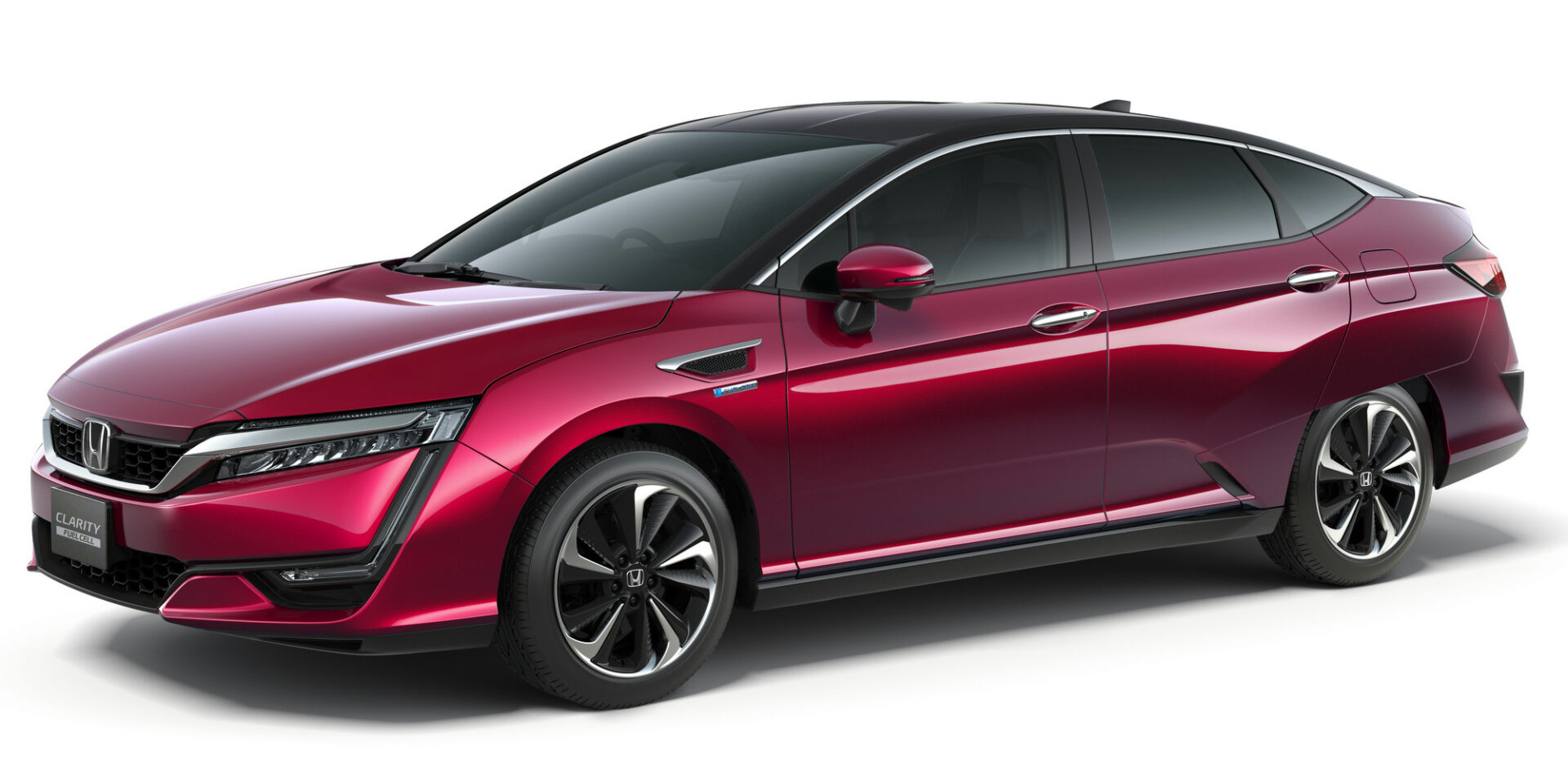
Many automakers consider fuel cell vehicles the most “elegant” solution to the challenge of replacing the internal combustion engine, which is why they’re banding together to make sure they come to market.
May continues the trend of good sales for hybrids, electric cars, plug-in hybrids and clean diesels. Consumers are seeking out these cars and keeping their sales numbers high.
The enthusiast group Plug In America noted that, for the first time, U.S. sales of plug-in electric cars (either pure electrics or plug-in hybrids) market will pass a significant milestone this month (May). The 100,000th mark was reached just past two years after their introduction to the market.
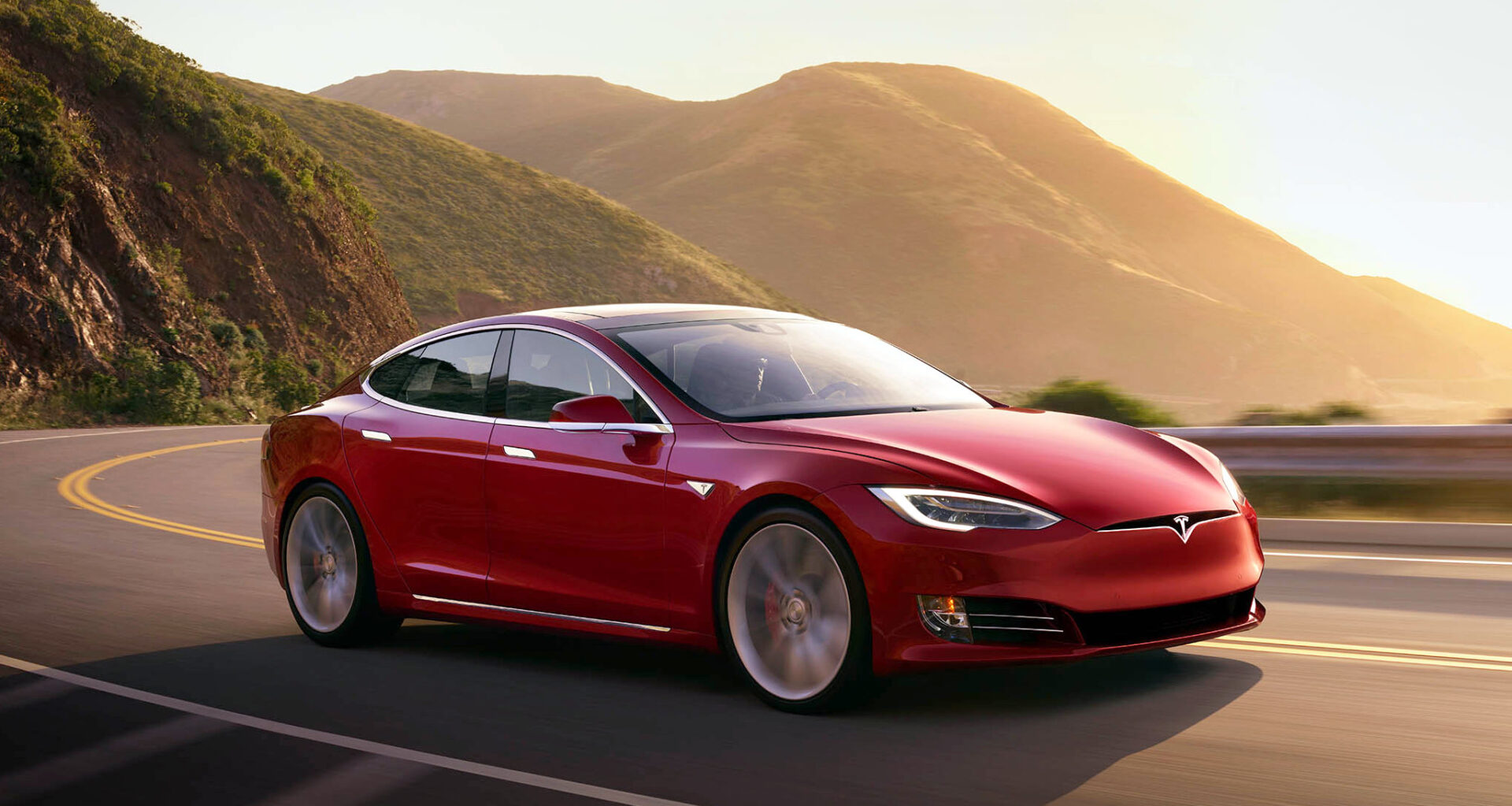
Mercedes, the traditional automaker, offers choice to its customers while the upstart Tesla bets on one power source–electricity. The early returns for the year show the newcomer charging ahead, but this is a long race and one being fought on a worldwide stage.
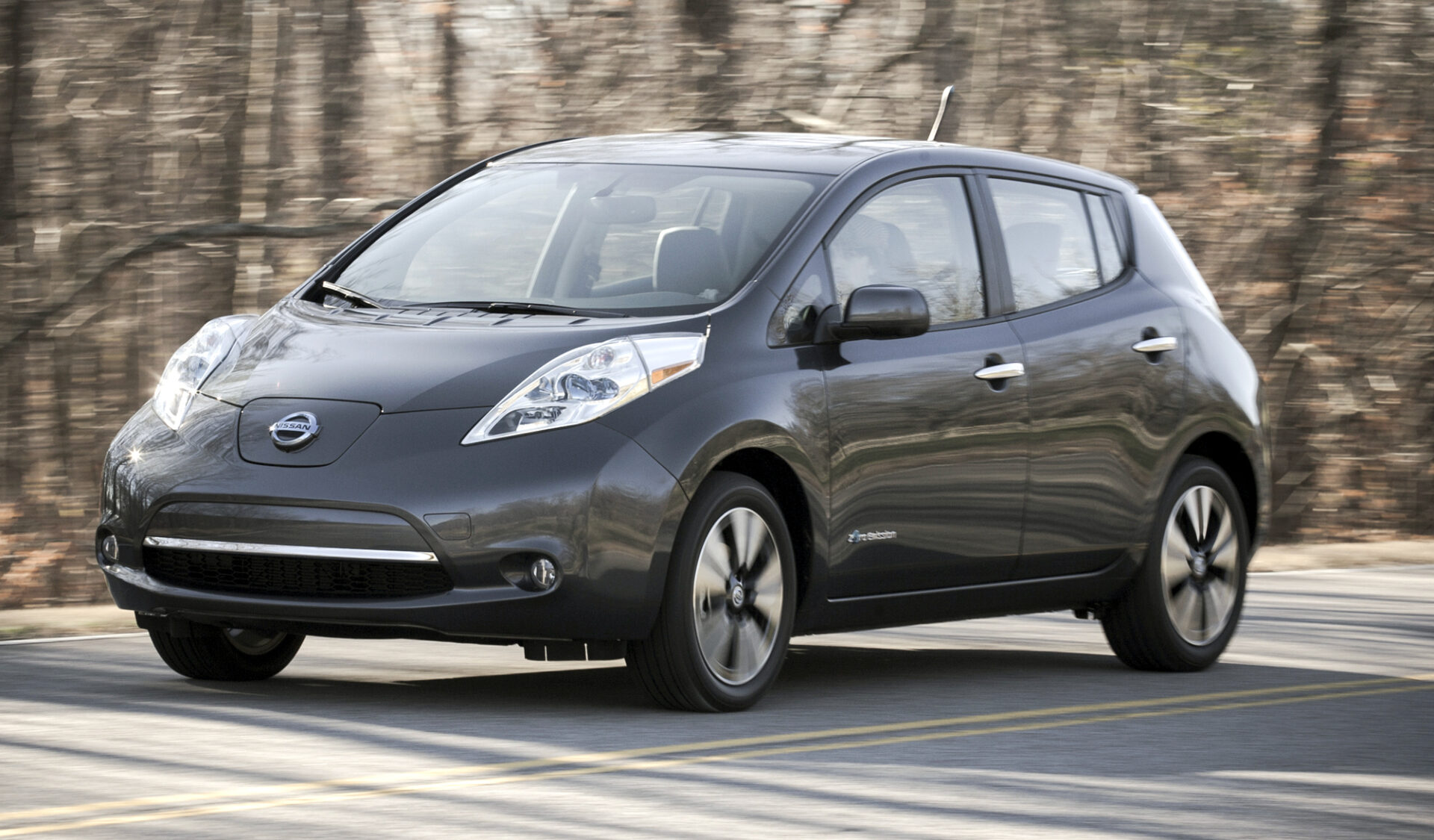
When speaking recently at a “Open Garage” talk at Stanford’s Automotive Innovation Center, Nissan-Renault CEO Carlos Ghosn pointed with pride that his Alliance has put 70,000 EVs on the road around the world (of the roughly 100,000 pure battery electrics currently out there). He said that in spite of failing to hit his own targets for volume, he believes electric vehicle technology will be the winner as it approaches scale production – and he believes that is inevitable. The secret ingredient, he said, was emotion.
You need look no further than the 2013 New York International Auto Show media preview this last week to see that automakers are aggressively laying out multiple paths to get to the fuel economy goals of the U.S., Europe and Japan. Electric vehicles, plug-in hybrids, hybrids, diesels and advanced gasoline engines (as well as other technologies) point to a diverse future.
While many recent headlines paint a grim picture of electric vehicle sales and the market future for those vehicles, in reality consumer acceptance of the new vehicles has been stronger than hybrids and can be expected to grow in the future.
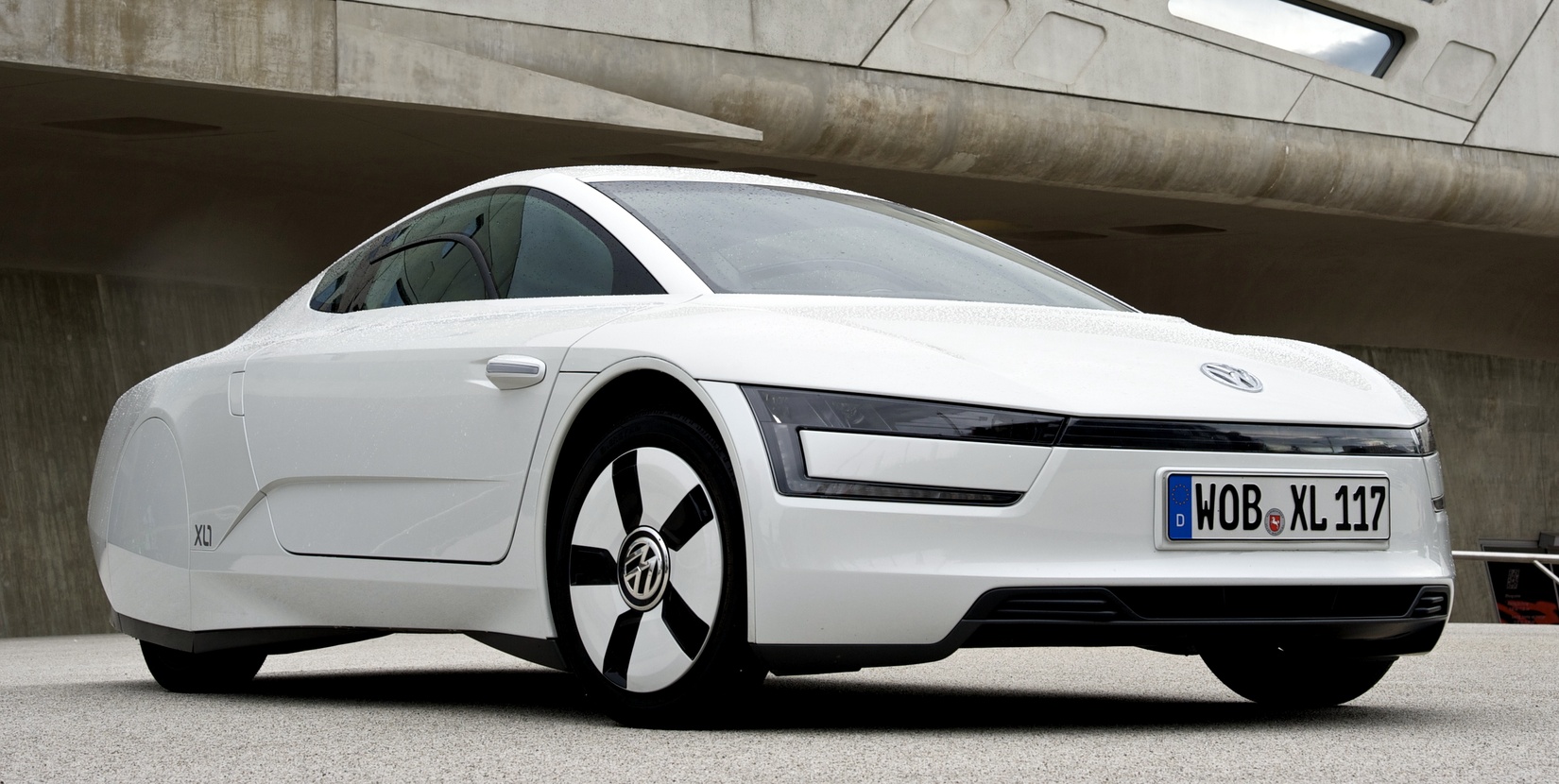
Volkswagen showed the latest version of its super-high-mileage cars–and this time said it would put it into production. In testing the two-passenger car delivers 261 miles per gallon. It’s body is made of lightweight but strong carbon fiber and its plug-in hybrid powertrain combines a small diesel engine and electric motors powered by lithium-ion batteries.
Vehicle congestion in the 10 large cities in the U.S. is costing drivers and the economy money and increasing greenhouse gas emissions. It doesn’t look much better in medium size cities and predictions are it won’t get any better as the economy improves. In Top 10 most congested cities it is likely that plug-in vehicles will get special privileges and access to reduce CO2 while other vehicles are charged.
High mileage hybrids, plug-ins and diesels like the Toyota Prius, Chevy Volt and Passat TDI, had a good month to begin the year, bettering the high bar set by the overall market. Hybrids pushed past 3 percent of the total market.