
This article may contain affiliate links.
Neglecting your vehicle after a collision is one of the most significant things drivers may do.
Many take a quick look over the hood, decide nothing is broken, and drive away. The worst part is that decision leads to:
- Hidden mechanical damage
- More expensive repair costs
- Serious safety risks
The reality is, even a minor fender bender can result in severe and unseen problems. The good news is, by following simple steps, you can keep your vehicle, your wallet and your safety protected after an accident.
In This Guide, You Will Learn:
- Why maintenance after an accident is important
- The hidden risks drivers typically overlook
- Essential inspection steps you need to take
- When to get professional assistance
Why Maintenance after an Accident Is Important
Let’s face the facts. The average driver will be involved in three to four car accidents during their lifetime. Since driving is a part of life, taking care of your car after an accident is not a one-time thing to do. It’s a set of skills that every driver must know.
Here’s the problem. Most drivers don’t know that damage on the outside of the vehicle is just the beginning. Modern cars are highly complex and have numerous interconnected safety features. A small dent on the outside of the vehicle can mean misaligned sensors, internal frame misalignment or broken electronic systems on the inside.
If you’ve been in a collision, consulting with a personal injury lawyer such as The Collins Law Firm can help you take care of your legal rights. Once the collision is taken care of, you should make sure your vehicle gets thoroughly inspected and repaired. Caring for your vehicle after an accident means repairing the visible and invisible damage.
The consequences of skipping proper maintenance after an accident can be devastating. Hidden damage can impact your vehicle’s:
- Structural stability
- Brake performance
- Airbag system deployment
- Overall handling and safety
The Hidden Dangers Drivers Don’t Realize
Think your car looks okay after a small bump? Think again.
Consumer Reports shows that hidden damages, such as compromised suspension systems, misaligned vehicle frames and unseen electronic issues are the most commonly missed without a thorough check. When we are talking about damages, we are not only concerned about the aesthetics. It’s about your safety.
Here’s what could be hiding behind a seemingly fine exterior:
Frame Damage
The frame is your vehicle’s backbone. Even a minor collision can bend or warp the frame in ways that are invisible. This can affect how the car handles and protects you in another collision.
Suspension Problems
Your suspension system handles the impact of the road conditions. After an accident, damaged suspension components can result in uneven tire wear, poor handling and a rough ride.
Fluid Leaks
Collisions can crack or loosen radiator components, transmission and brake lines. These slow leaks can be difficult to spot immediately but can lead to overheating, brake failure and other issues.
Electrical System Issues
Cars today are highly dependent on electronic systems. Sensors, wiring and control units can be damaged in an accident though they may show no visible signs of damage. This can affect everything from your dashboard warnings to your safety features.
Essential Steps for Car Inspection after a Collision
So what should you do after an accident? Here’s a proven checklist that covers all of the important steps:
Step 1: Document Everything
Before you do anything else, take photos. Lots of them. Make sure you capture the damage from every angle, including areas that weren’t directly hit. Documenting the damage with clear images is essential to your insurance claim and potential legal action.
Step 2: Check the Exterior
Walk around the vehicle slowly and inspect:
- Dents and scratches (yes, even the small ones)
- Misaligned body panels
- Cracked or broken lights
- Damage to mirrors and trim
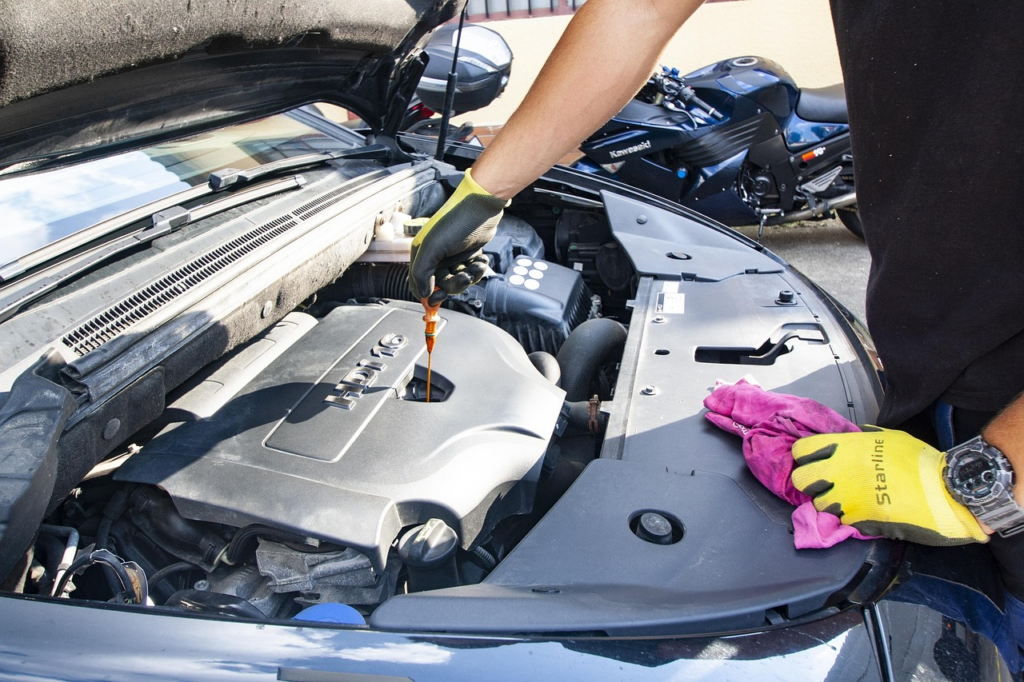
Step 3: Check Under the Hood
Open the hood and look for visible problems. Check:
- Visible leaks (oil, coolant, brake fluid)
- Displaced or damaged components
- Cracked hoses or loose connections
- Strange odors
Step 4: Take Your Car for a Test Drive
If you can drive your car after an accident, then take it out for a short, slow test drive. Listen for:
- Unusual noises (clunks, squeaks, grinding sounds)
- Vehicle pulling to one side
- Vibrations in the steering wheel
- Brake performance
If anything feels or sounds wrong, stop driving immediately. Contact a professional for assistance.
Step 5: Check Your Tires and Alignment
Even if your tires look fine, they could be damaged after a collision. Check for:
- Signs of misalignment, such as uneven tire wear
- Steering wheel not centered when driving straight
Accidents can cause your wheel alignment to be off even if the tires seem fine. Misalignment can cause excessive tire wear and handling problems.
When To Contact a Professional after an Accident
Here’s a thing most drivers don’t know. Even if you don’t find any serious issues during your initial inspection and DIY checks, you still need to get a professional assessment. Professional mechanics and certified collision repair specialists have the tools and knowledge to find damage that is invisible to the naked eye.
Here’s another thing to consider. If the cost of vehicle repairs is 50% or more of your vehicle’s value, insurance companies usually declare your vehicle a total loss. So it’s in your best interest to get a reliable, professional assessment and know for sure.
The best way to get an assessment from a certified professional is to take your vehicle to an established, insured and certified repair shop. The professional inspection will usually include:
- Structural integrity checks
- Mechanical system examination
- Electronic diagnostic scanning
- Detailed damage report
Don’t skip this step. The cost of a professional vehicle inspection is nothing in comparison to potential safety issues or expensive repairs down the line.
How To Protect Your Vehicle in the Long Run
Car maintenance after an accident doesn’t end with an initial inspection and repair. You need to be aware of and monitor your vehicle for developing issues in the weeks and months after a collision. Pay attention to these warning signs:
- New noises or vibrations
- Changes in handling or braking
- Dashboard warning lights
- Fluid leaks under the vehicle
- Strange smells
If any of these show up, make sure your vehicle gets checked ASAP. Most problems are cheaper and easier to fix when caught early.
Bringing It All Together
Caring for your car after an accident is not only about fixing what’s visible to the naked eye. It’s also about protecting your safety while on the road and preventing expensive surprises in the future.
Let’s recap the most important steps quickly:
- Document all of the damage right away
- Do a thorough visual inspection
- Test drive and look for problems
- Contact a professional for an assessment
- Monitor your vehicle for warning signs
The steps are not difficult, but they can save you:
- Money on unexpected repairs
- Time handling preventable breakdowns
- Your safety on the road
Hidden damage is your biggest enemy after an accident. Just because it looks okay on the outside, things can be affecting your vehicle’s safety systems and structural integrity on the inside. Take no chances with something as precious as your car. Make sure to have it properly inspected after any accident, even if you think it’s minor.
