
Getting Fleets Ready for Climate Threats
In recent years, American trucking companies have faced a growing risk that directly affects insurance: severe weather. Coastal hurricanes, Midwest tornadoes, Northeast snowstorms, and southern rains all make roads unpredictable. For commercial vehicles, this poses not only a threat to trucks and drivers but also impacts insurance coverage needs across liability, physical damage, and cargo lines, often increasing costs, operational complexity, and compliance obligations.
How Climate Affects Auto Insurance
Traditionally, insurance pricing followed a simple rule: higher risk, higher premium. Storm season has made this equation more complex. Flooding, falling debris, ice, and landslides now carry the same financial weight as driver-related accidents. Where weather once played a secondary role, it now directly influences underwriting and premium calculations.
Transport businesses may encounter the following impacts:
- Increased rates and deductibles in storm-vulnerable areas (Florida, Louisiana, Texas, Oklahoma, Mississippi, etc.);
- More rigorous documentation and safety compliance (e.g., ELD data, vehicle inspection reports);
- The need to reroute or modify delivery schedules to avoid weather hazards and evacuation areas.
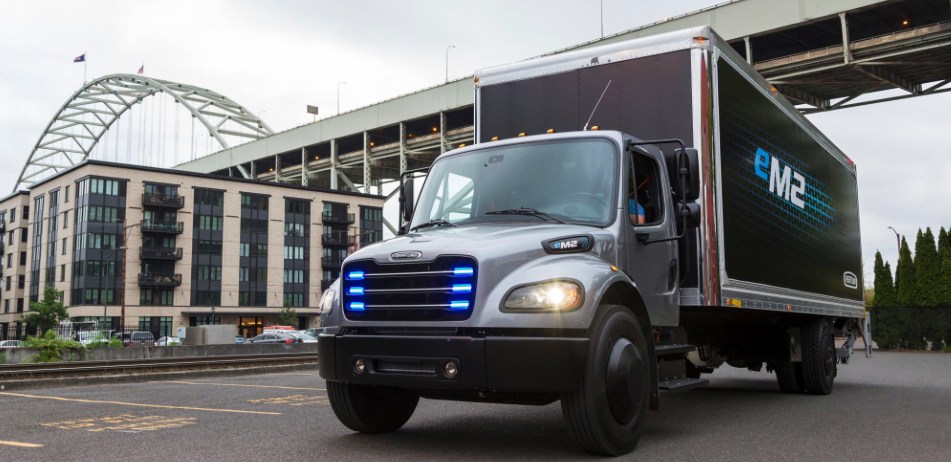
Insurance as a Survival Tool
During storm season, insurance isn’t just a legal requirement, it’s a lifeline. A single flooded truck can create losses in the hundreds of thousands if physical damage coverage isn’t properly structured, and cargo losses may be even higher.
Therefore, choosing the appropriate insurance is not an issue of cost-cutting, but one of tactical robustness.
Where an Agency Comes In
Insurance agencies serve as the critical link between transportation companies and insurers. For businesses without the time to navigate hundreds of policy pages and endorsements, agencies provide the clarity and expertise needed to match coverage to operational realities.
They help tailor policies to the company’s specifics, define what risks need to be covered from wind, flood, hail, and debris impact to seasonal variation in shipping volume, and ensure coverage aligns with seasonal fluctuations in route and cargo patterns. Overall, this support helps companies avoid both under-insurance and unnecessary expenses, keeping protection consistent throughout the year.
The Role of an Independent Commercial Auto Insurance Agency
An independent commercial auto insurance agency like GIA Group LLC exemplifies the proactive mindset that seeks to help trucking businesses navigate the changing risk conditions, optimize insurance strategies and protect their operations year-round. Its agents focus on aligning transportation businesses with appropriate insurance options, monitoring regulatory changes, and helping clients build resilient risk-management programs.
Clients receive documentation and expert guidance to help support FMCSA and DOT compliance, as well as access to competitive markets and policy customization based on route, cargo type, and fleet structure.
GIA Group LLC acts as an informed partner, helping companies prepare for storm season with better coverage coordination, stronger risk awareness, and more effective cost management.
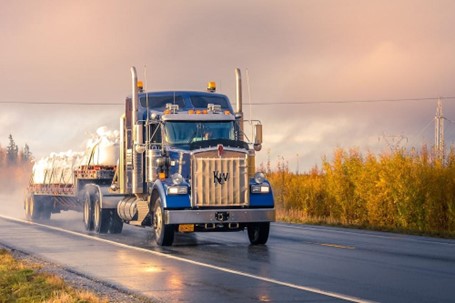
What Needs to Be Done?
To minimize losses and stay competitive, transportation companies should prepare well before storm season.
Below is a list that summarizes significant steps:
- Checking the condition of the fleet before the start of the season: brakes, tires, electrical items and body seals;
- Installing telematics to monitor routes and vehicle condition in real-time;
- Planning alternative routes in case of road closures due to flooding or icing;
- Training drivers in adverse weather conditions and evacuation procedures;
- Insurance coverage expansion: physical damage, high-risk cargo, additional liability;
- Hiring an agency for selecting the best insurance package (for example, GIA Group, LLC).
The above enumeration combines steps of a technical, organizational, and financial measures that are essential for real preparedness, not just paperwork.
Looking to the Future
Trends confirm that climate risks grow. Insurers are testing dynamic premium models that adjust based on real-time weather data. Coverage for vehicles traveling in high-risk areas may soon become a standard requirement.
For transportation companies, this means storm preparedness is no longer a seasonal measure—it’s a long-term business strategy.
Conclusion
Storm season is not just a temporary disruption. It’s one of the defining factors for the future of commercial auto insurance. Those transportation companies that proactively adapt their risk management—through telematics, maintenance planning and strategic insurance review—will gain a real competitive advantage.
An independent agency like Gia Group LLC exemplifies the proactive mindset that seeks to help trucking businesses navigate the changing risk conditions, optimize insurance strategies and protect their operations year-round.

1 thought on “Storm Season and Commercial Auto Insurance”