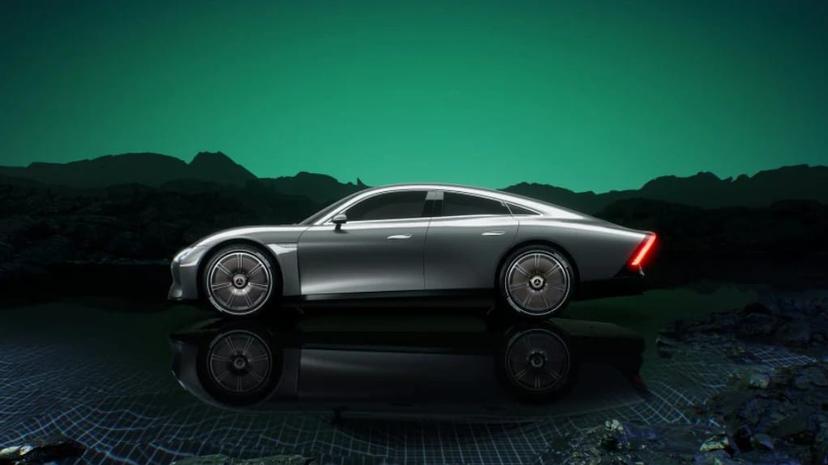
Tech: Aerodynamics Is the Key To EV Range
The aerodynamic efficiency of vehicles has increased dramatically, especially with the emphasis on range for electric vehicles. Yet it feels as though we have not yet reached the limits yet.

The aerodynamic efficiency of vehicles has increased dramatically, especially with the emphasis on range for electric vehicles. Yet it feels as though we have not yet reached the limits yet.
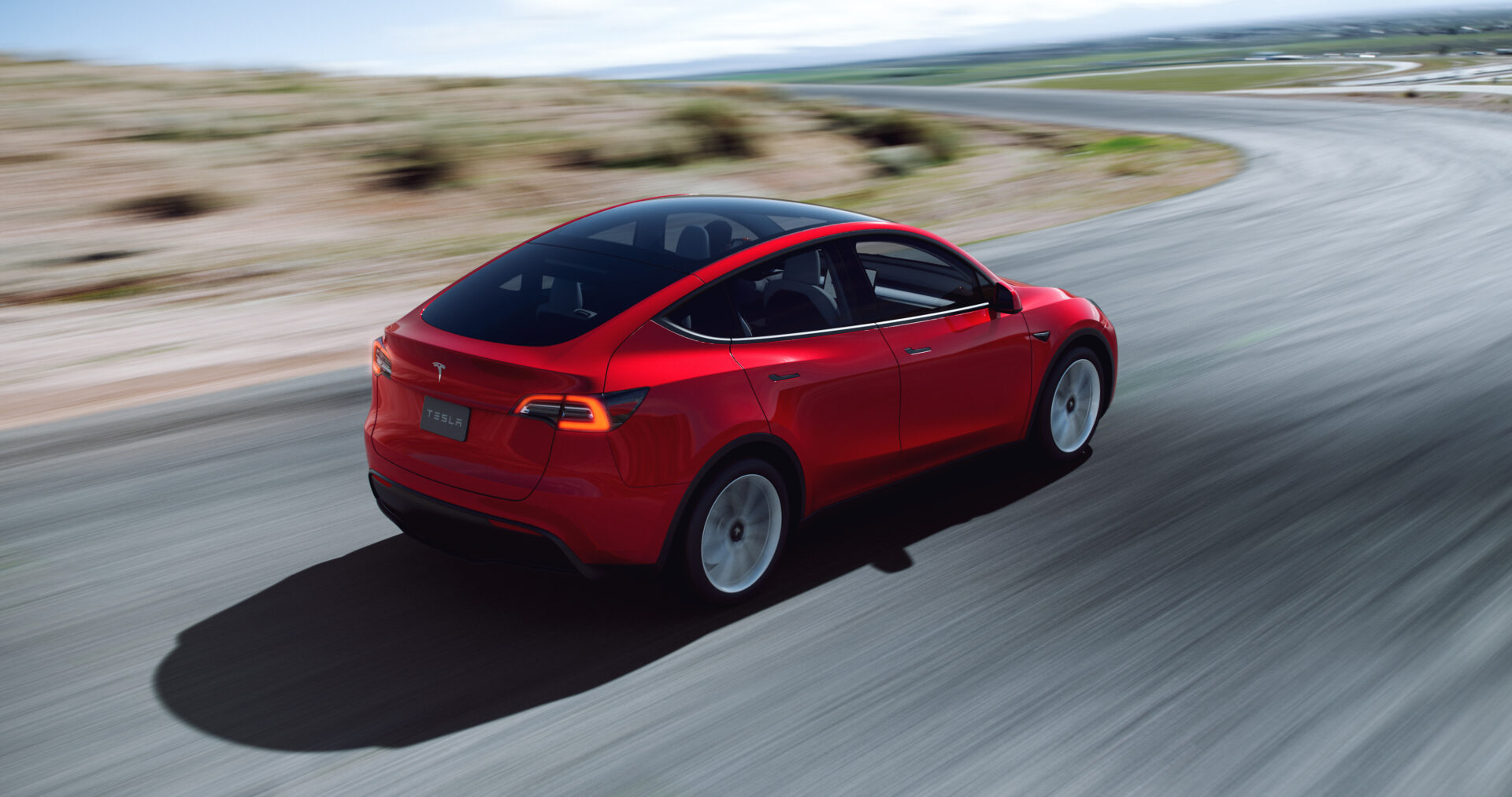
At last week’s announcement of its quarterly and annual earnings after a record year, CEO Elon Musk actually downplayed the potential for this year’s profit and indicated the company’s focus would shift from introducing new models to maximizing production at its existing factories.

QuantumScape unveiled new data showing its solid-state lithium-metal batteries with ceramic separators could charge in less than 15 minutes for at least 400 consecutive charges
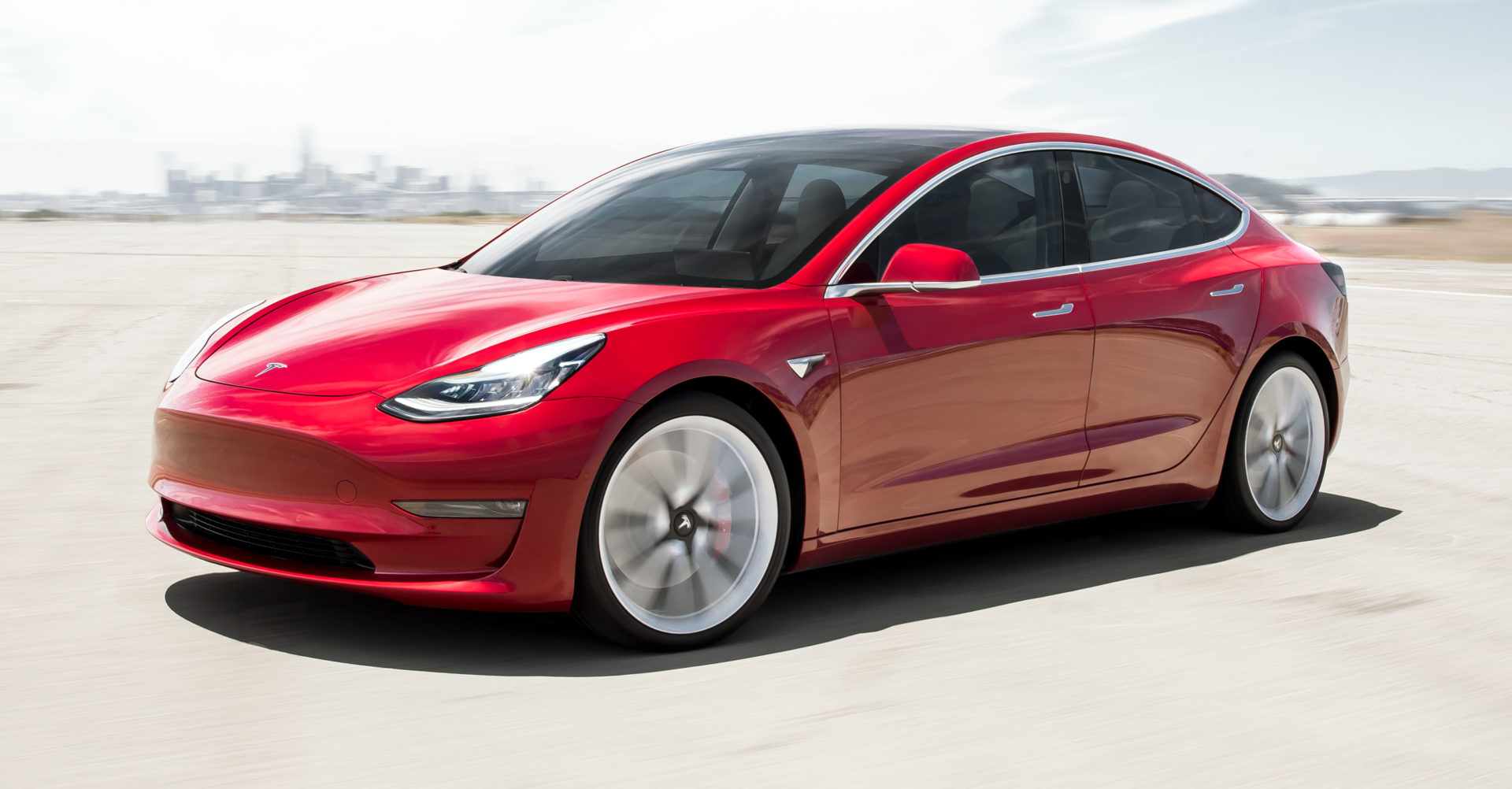
This year–2022–is shaping up to be the year we have been expecting for two years—when the population of EVs expands so a great variety of vehicles at a range of prices spur the market to new heights.
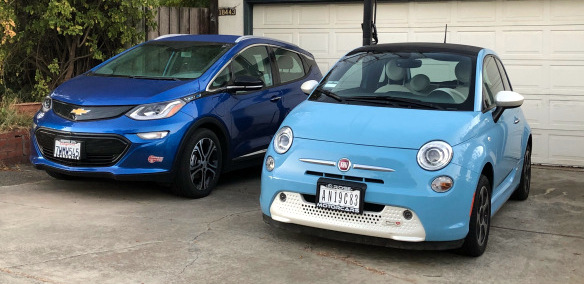
Because EVs contain different components than conventional gas-powered cars, they require little maintenance, even when storing them for long periods of time. Still, there are a few things you should remember to do before taking it on one last joy ride and parking it long-term.
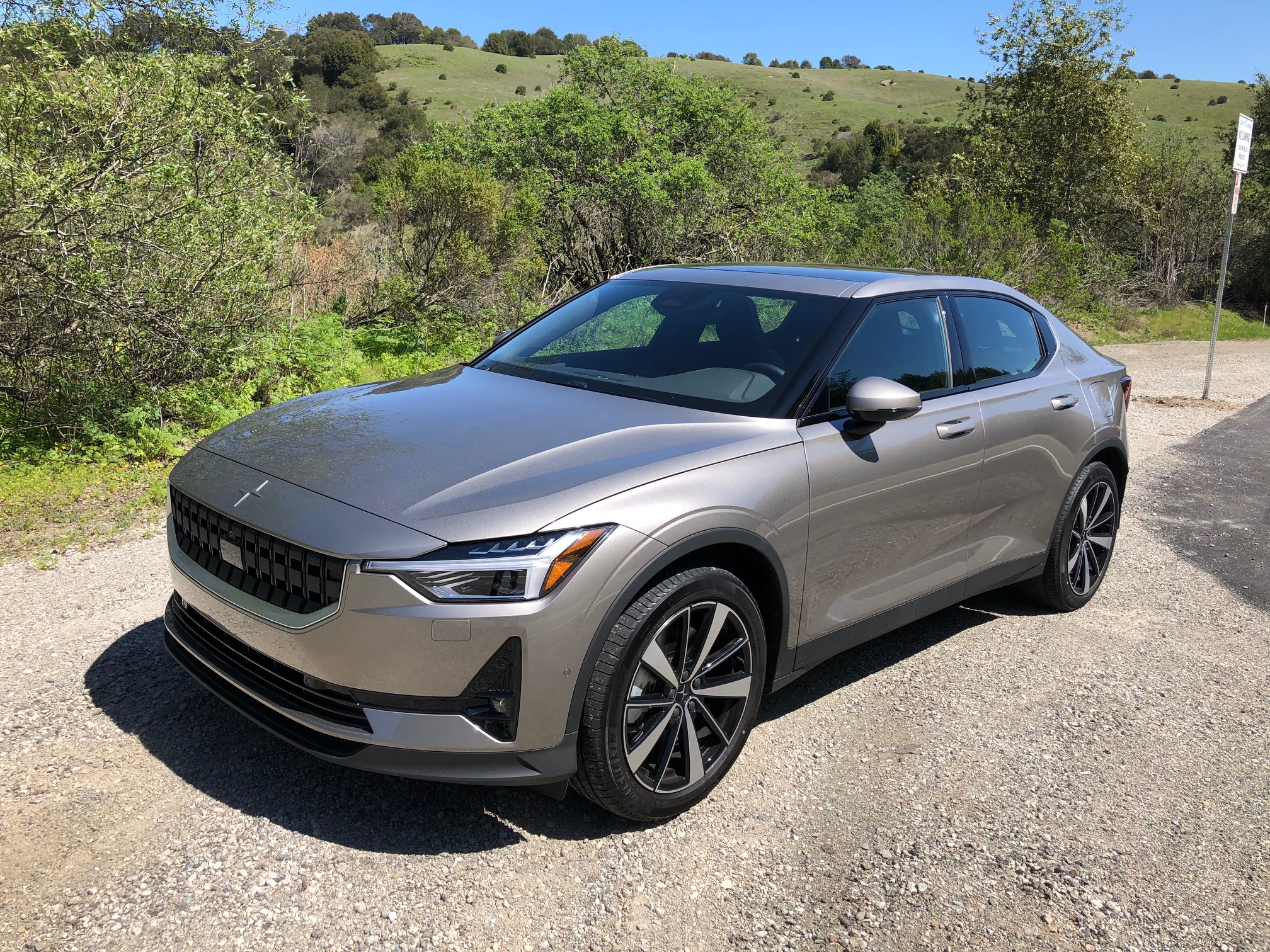
If you needed a more definitive marker for the imminent end of the internal combustion engine, look no further than Wards 27th annual 10 Best Engines & Propulsion Systems.
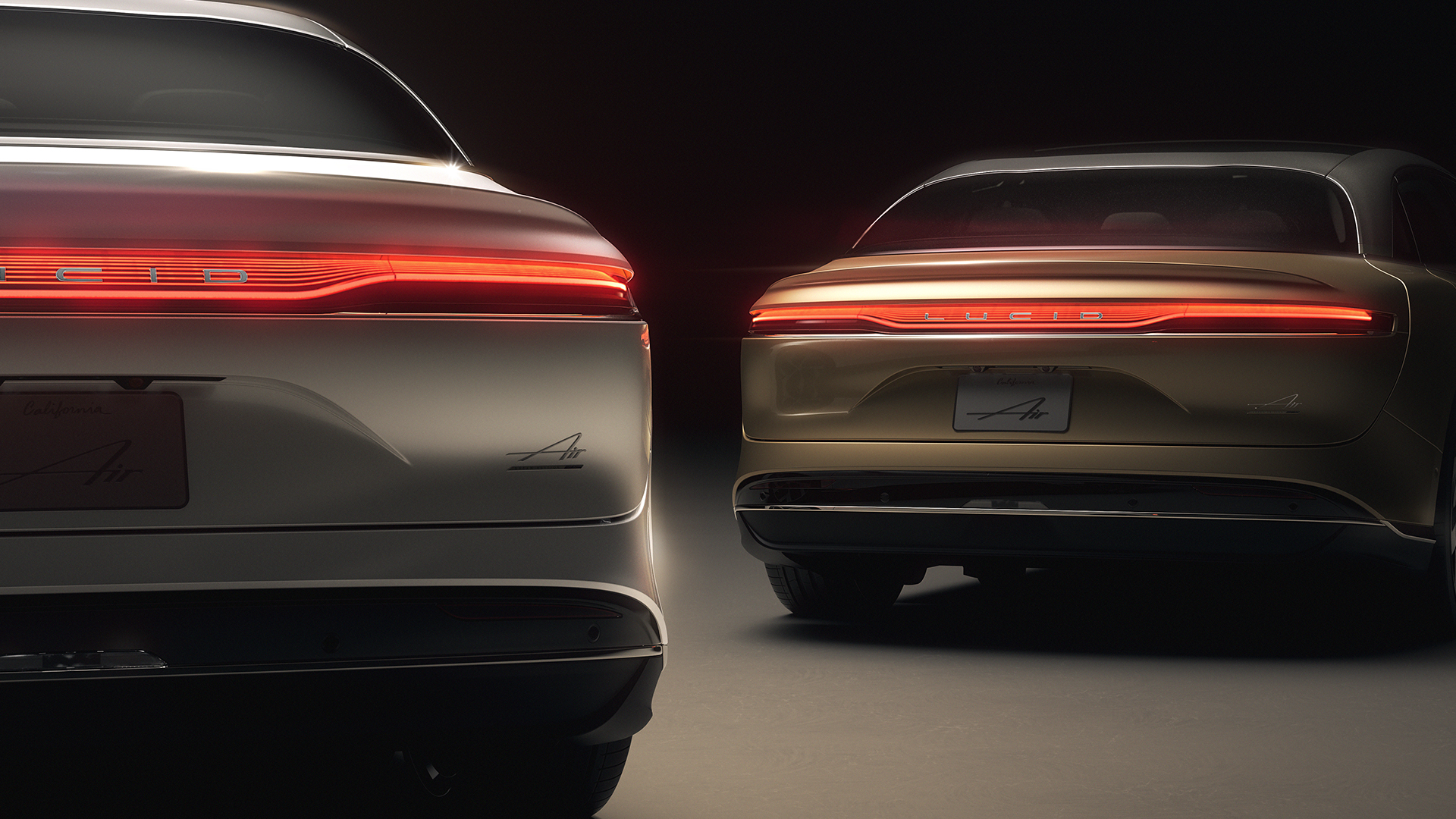
The numbers tell the story—we’ve entered a new stage of long-range electric vehicles. This week the Lucid Air Dream edition had a model officially accredited by the U.S. EPA with a 520-mile range.
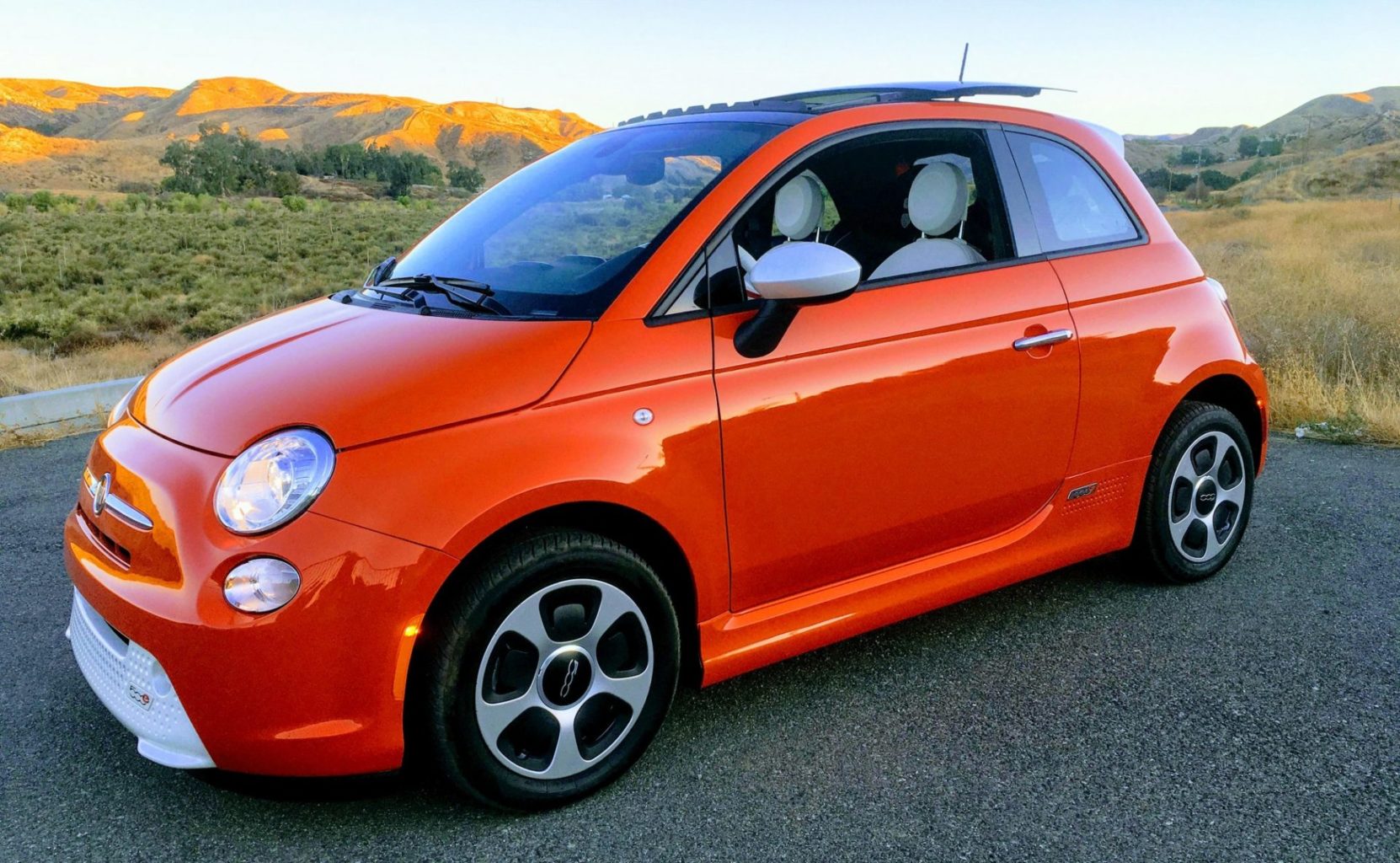
Even if the EV the student gets is used, it’s still a good investment for school.

During the early 1900s, there was a golden age of electric cars, when they made up more than one-third of car sales in the U.S.

Some automakers are exploring different forms of green energy—specifically, wind.