
Road Test: 2014 Toyota Avalon Hybrid XLE Premium
Designed in California and built in Kentucky, the 2014 Toyota Avalon Hybrid XLE Premium is a near-luxury car bumping real close to the luxury car category.

Designed in California and built in Kentucky, the 2014 Toyota Avalon Hybrid XLE Premium is a near-luxury car bumping real close to the luxury car category.
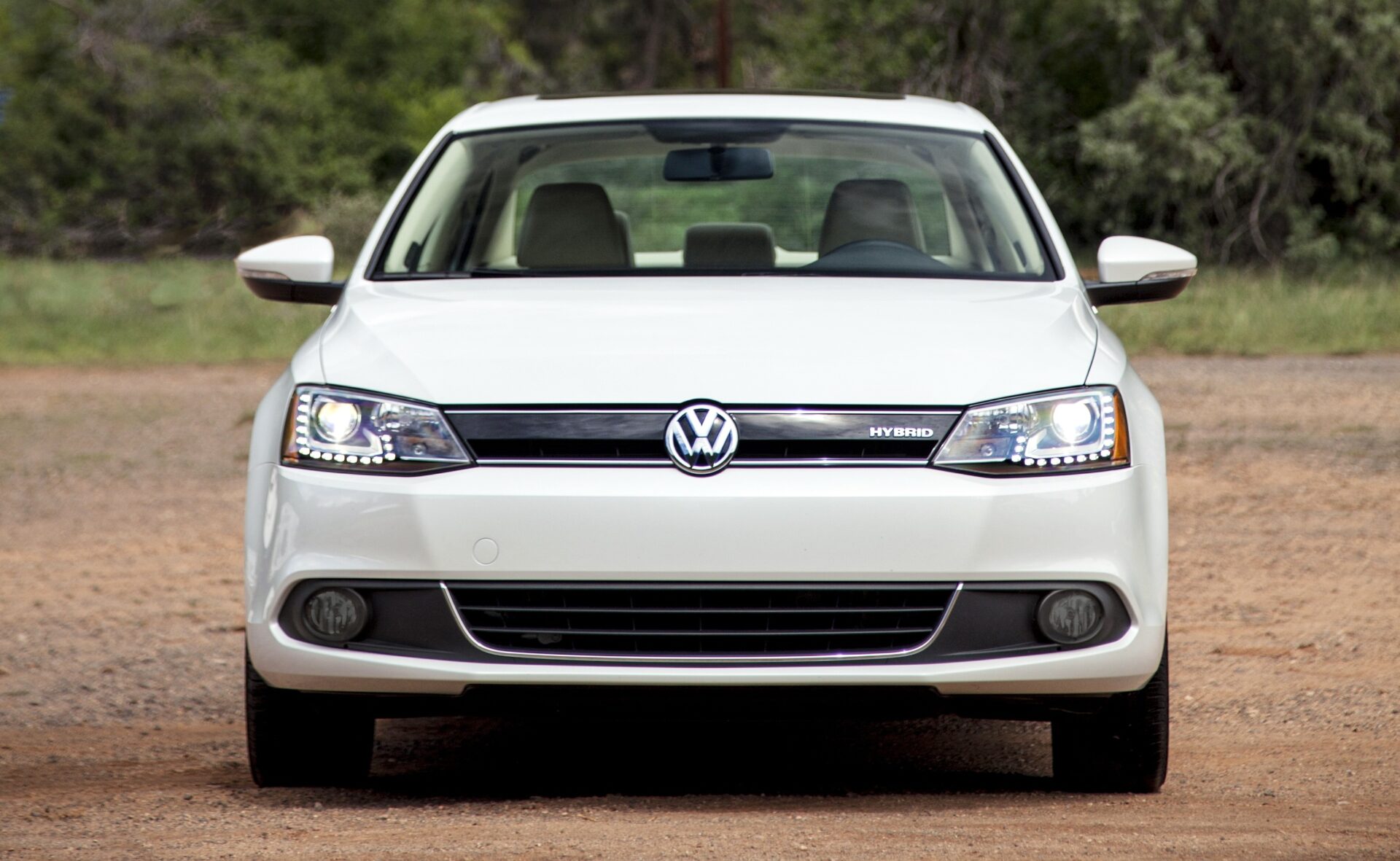
Diesel and hybrid owners have very different reasons for owning each vehicle. After my back-to-back drives, I will suggest that anyone considering a Jetta hybrid for its environmental statement also add the diesel to your shopping list.
The hybrid gets better fuel economy, rides smoother, is quieter and fun to drive, especially when the Boost mode kicks-in. But the diesel engines of 2013 burn clean, are smoke-free, get very good fuel economy and offer a torque/acceleration experience found on more expensive cars.
So which to buy? You will have to run the numbers of an approximate $2,000 base price premium for the hybrid against the number of miles you drive and of course, your personal needs. If you drive mostly in the city or with significant freeway stop-and-go traffic, then making the hybrid investment may well be worth your while. If you do mostly open freeway driving, then the diesel will deliver mpg in the high 40 range, which is oh so great.
If you believe performance, luxury and fuel economy is an oxymoron, then you haven’t driven Infiniti’s 2013 M35h. The h is for hybrid… and horsepower. And it may be the first of many Infiniti hybrids.
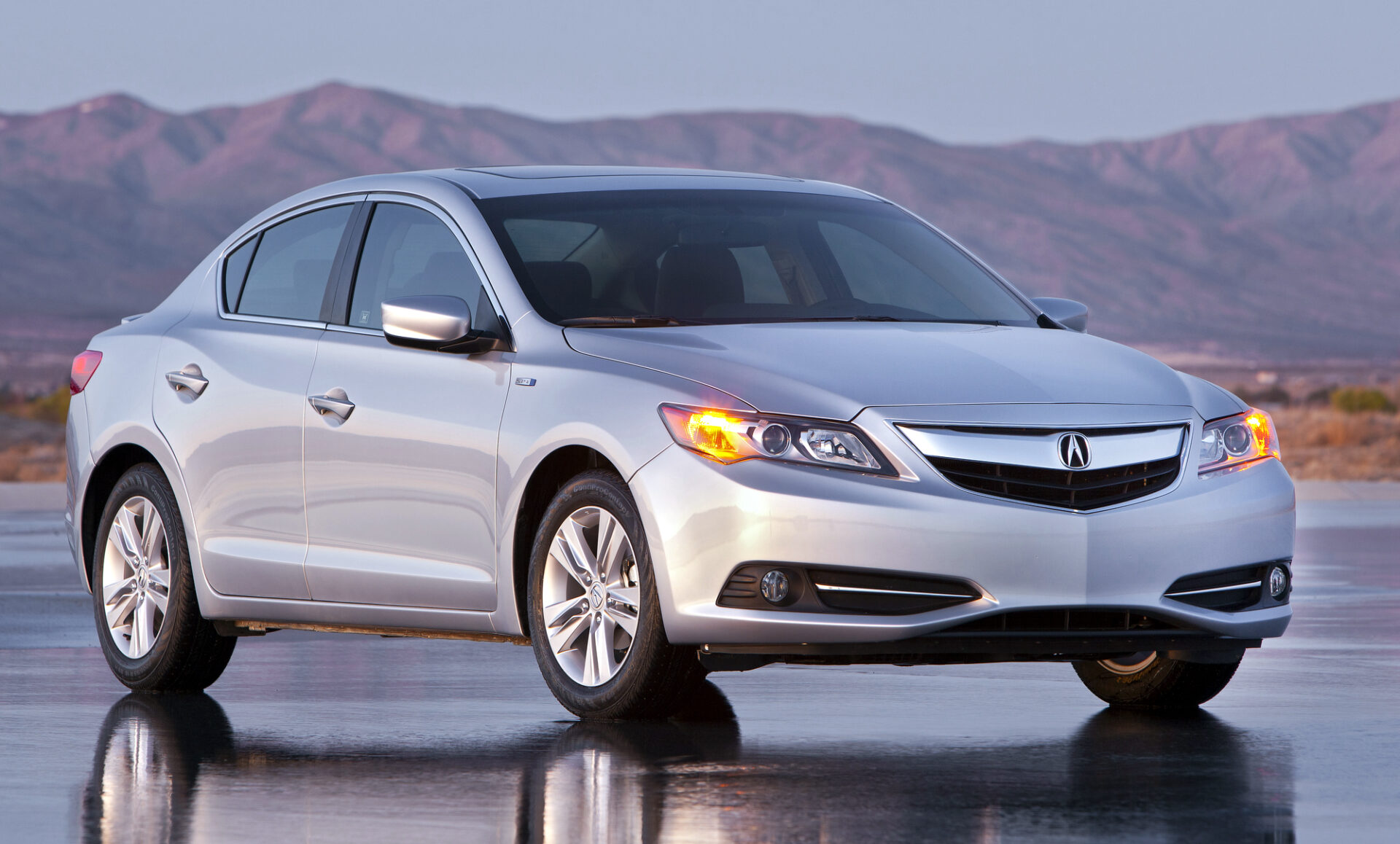
In a step back towards its roots, Acura, Honda’s luxury division, is once again offering a less-is-more entry luxury compact car. Slotted below the TSX, the 2013 Acura ILX is somewhat reminiscent of the 1986-2001 Integra, but outfitted with more luxury. This time around Honda’s entry-level car will come with some environmental credentials and therefore deserves a review in Clean Fleet Report.
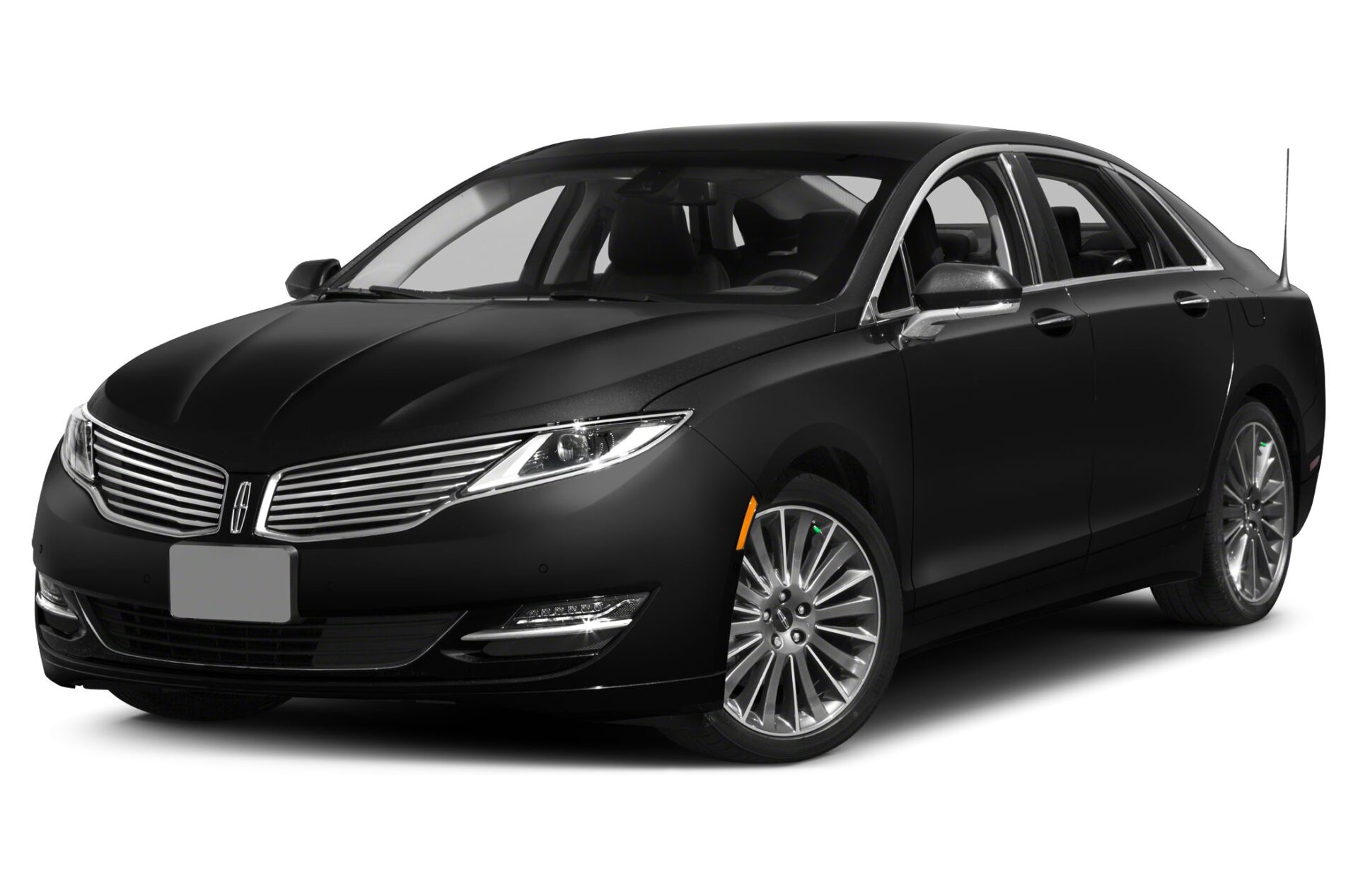
“Hybrid” has become a magic word that’s synonymous with fuel economy for many car buyers, thanks mainly to the Toyota Prius. The common assumption is that the hybrid version of a car will deliver great fuel economy–or at least better mpg than a comparable gas version, resulting in a more economical vehicle to own. While the fuel economy part of that line of thinking is correct, as you probably know, the total cost of owning a vehicle is much more than the cost of the fuel you put in it. In fact, according to some analysts, the fuel portion of vehicle ownership is only about one-fourth to one-fifth of the cost of owning a vehicle. So in spite of being more fuel efficient, not all hybrids save you money in the long run.
May continues the trend of good sales for hybrids, electric cars, plug-in hybrids and clean diesels. Consumers are seeking out these cars and keeping their sales numbers high.
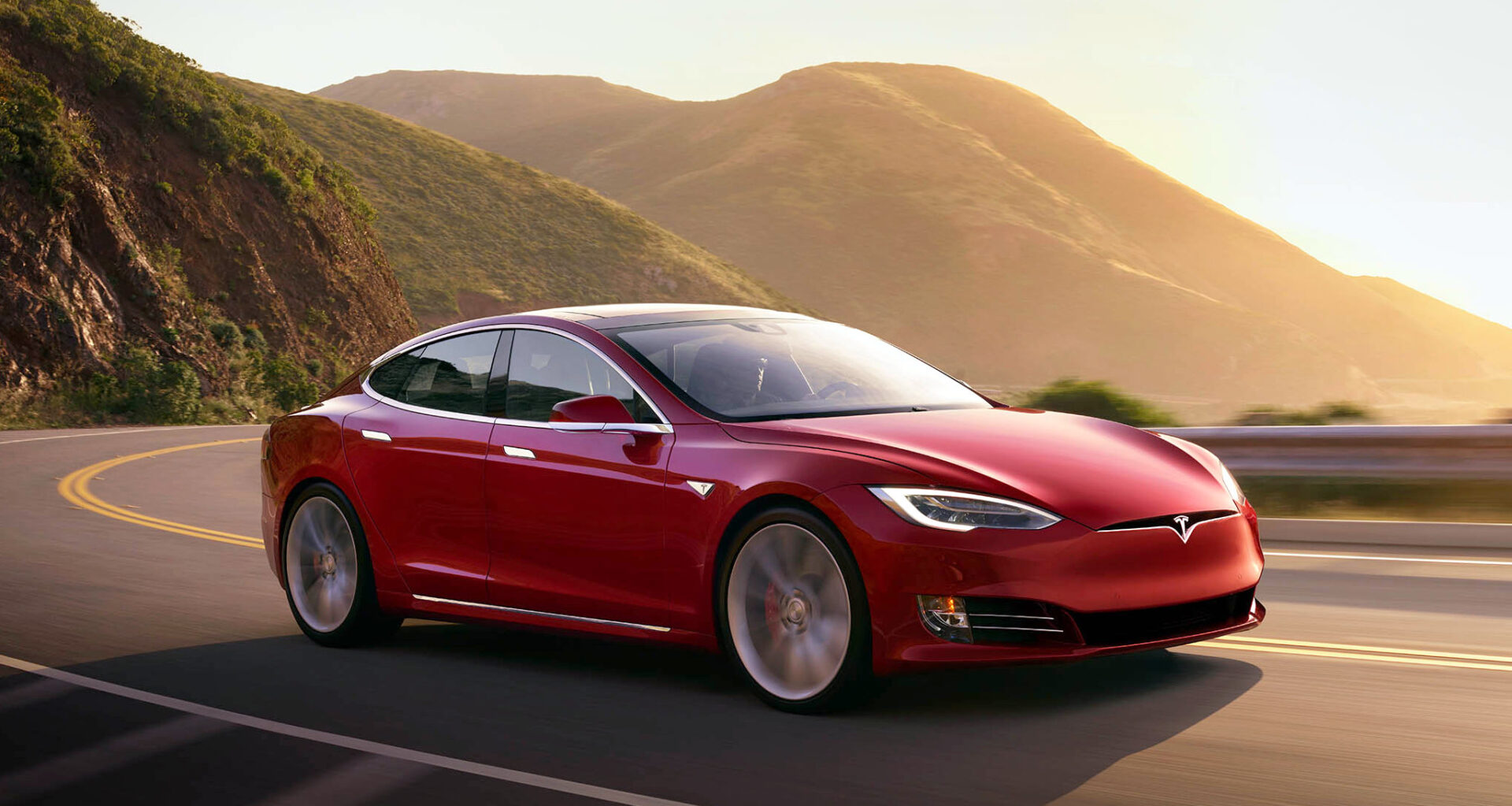
Mercedes, the traditional automaker, offers choice to its customers while the upstart Tesla bets on one power source–electricity. The early returns for the year show the newcomer charging ahead, but this is a long race and one being fought on a worldwide stage.
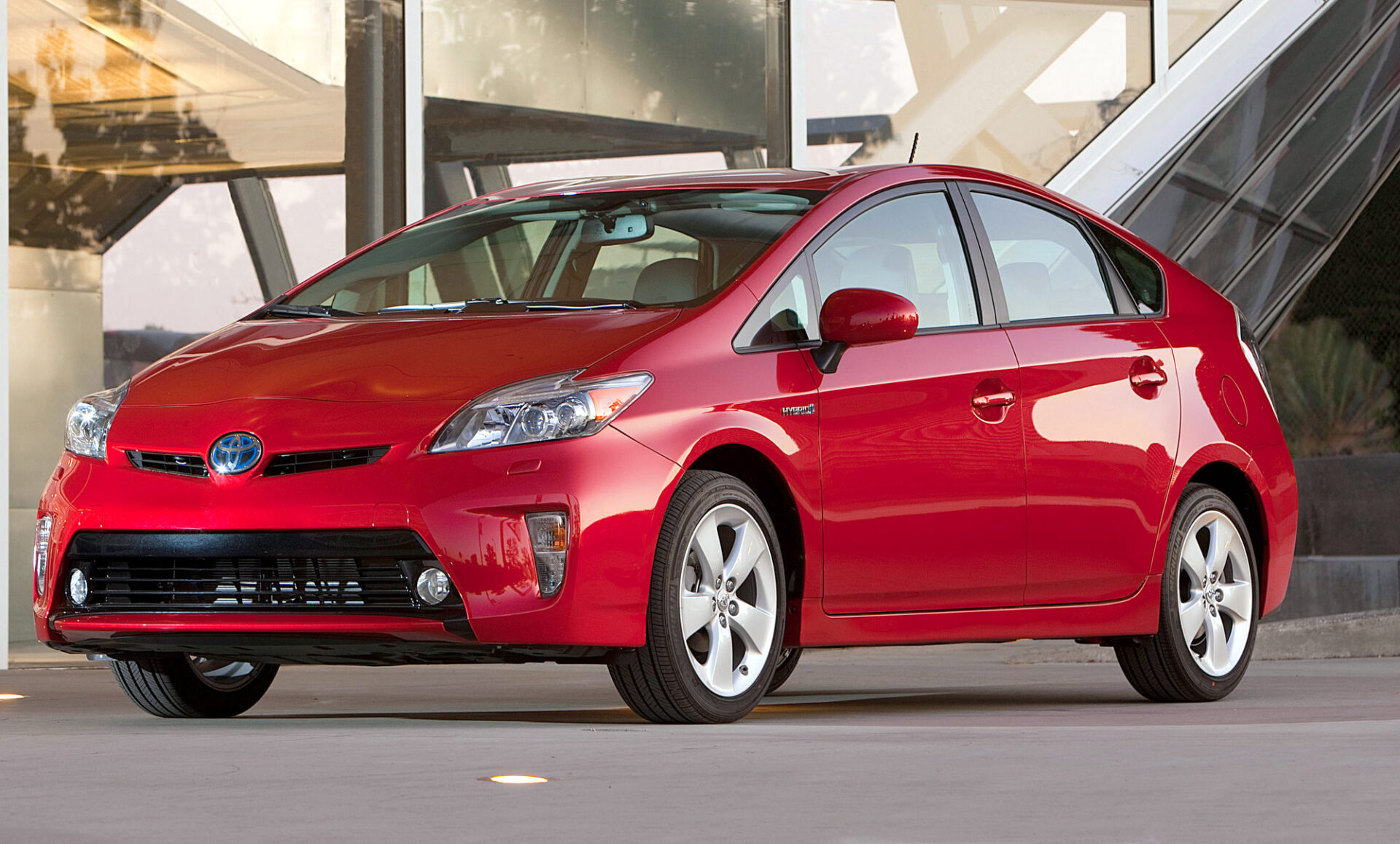
High-mileage cars are off to a great start for the year with sales up 18% in these three categories in for the first three months of the year compared to last year. The monthly sales average continues to creep up so it is conceivable that sales could edge closer to a million units if the trend continues, which would definitely solidify the market for alternatives to conventional gasoline engines. The first quarter indicates it could be a very good year for high-MPG cars.
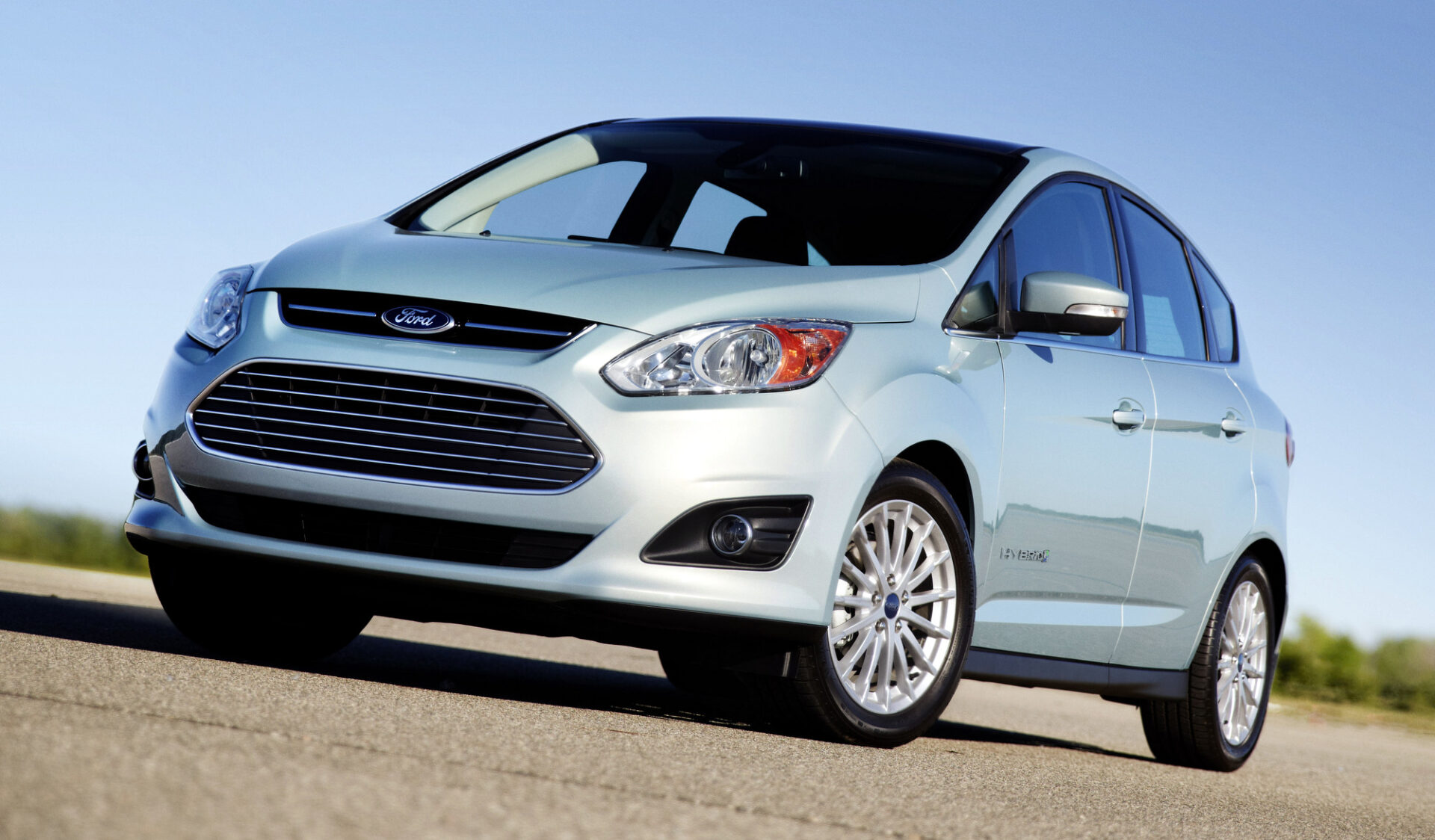
Before stepping inside Ford’s new crossover for an 80-mile test-drive, I can’t help admiring the looks of this 2013 Ford C-MAX. This 5-seater rides tall like an SUV with a height of 63.8-inches. Here you can buy the C-MAX Hybrid starting at $25,200 and get 47-miles per gallon and 570-mile range, or you can buy the C-MAX Energi plug-in hybrid starting at $32,900 and get 100 mpg and 620 mile range.
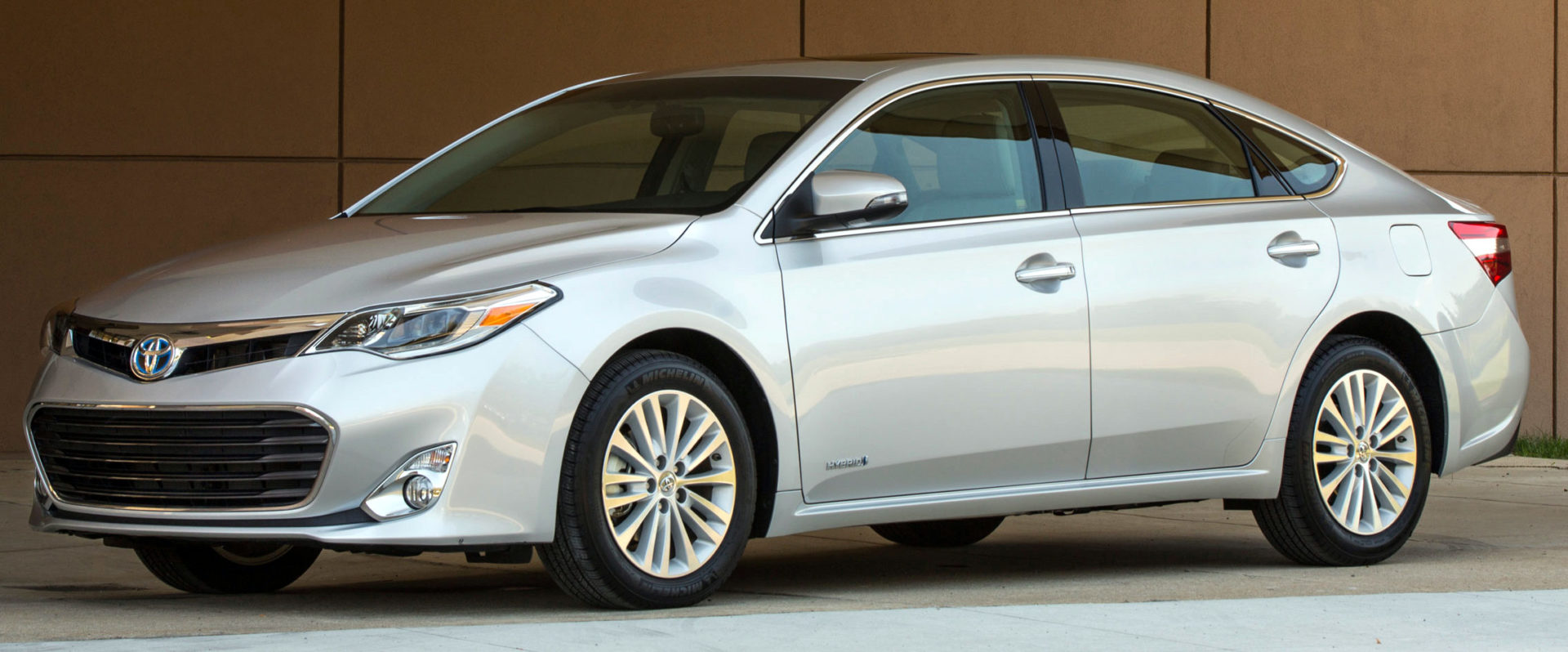
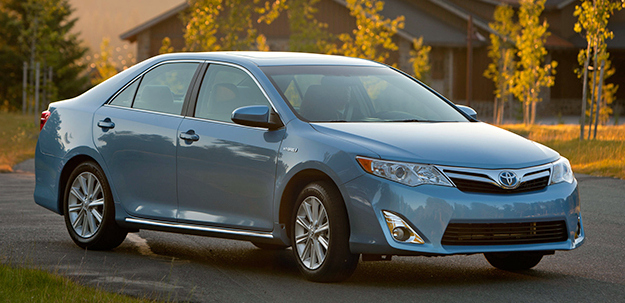
As I approached the new Avalon Hybrid for my test drive, I noticed that Toyota had preserved the subdued elegance of the exterior while making it more aerodynamic with a .28 coefficient of drag. I sat behind the leather steering wheel in the 10-way power driver leather seat to insure my comfort even on a long drive. The 2013 Avalon Hybrid is rated at 40 MPG city, 39 highway, 40 MPG overall. Price starts $35,555.