
Test Drive: 2013 Infiniti M35h Hybrid
If you believe performance, luxury and fuel economy is an oxymoron, then you haven’t driven Infiniti’s 2013 M35h. The h is for hybrid… and horsepower. And it may be the first of many Infiniti hybrids.

If you believe performance, luxury and fuel economy is an oxymoron, then you haven’t driven Infiniti’s 2013 M35h. The h is for hybrid… and horsepower. And it may be the first of many Infiniti hybrids.
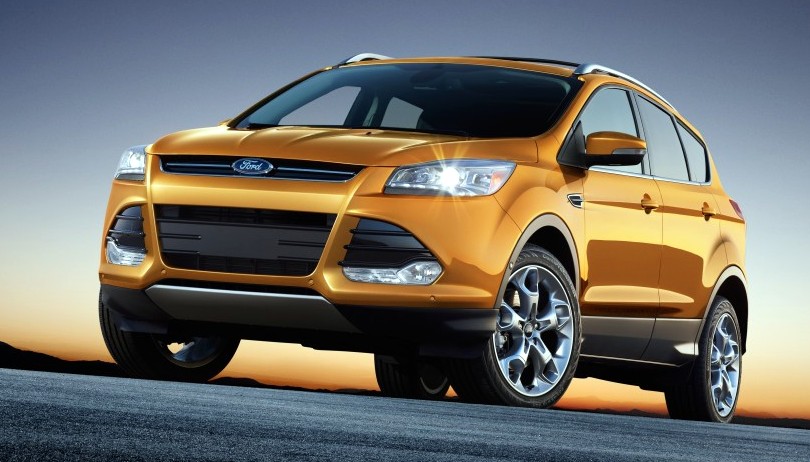
Ford Escape is not the first compact crossover, but it has been a best seller over the last 13 years and leapfrogged the Honda CRV for 2013 compact-crossover sales leadership. There are a lot of reasons for its success and number one is fuel economy.
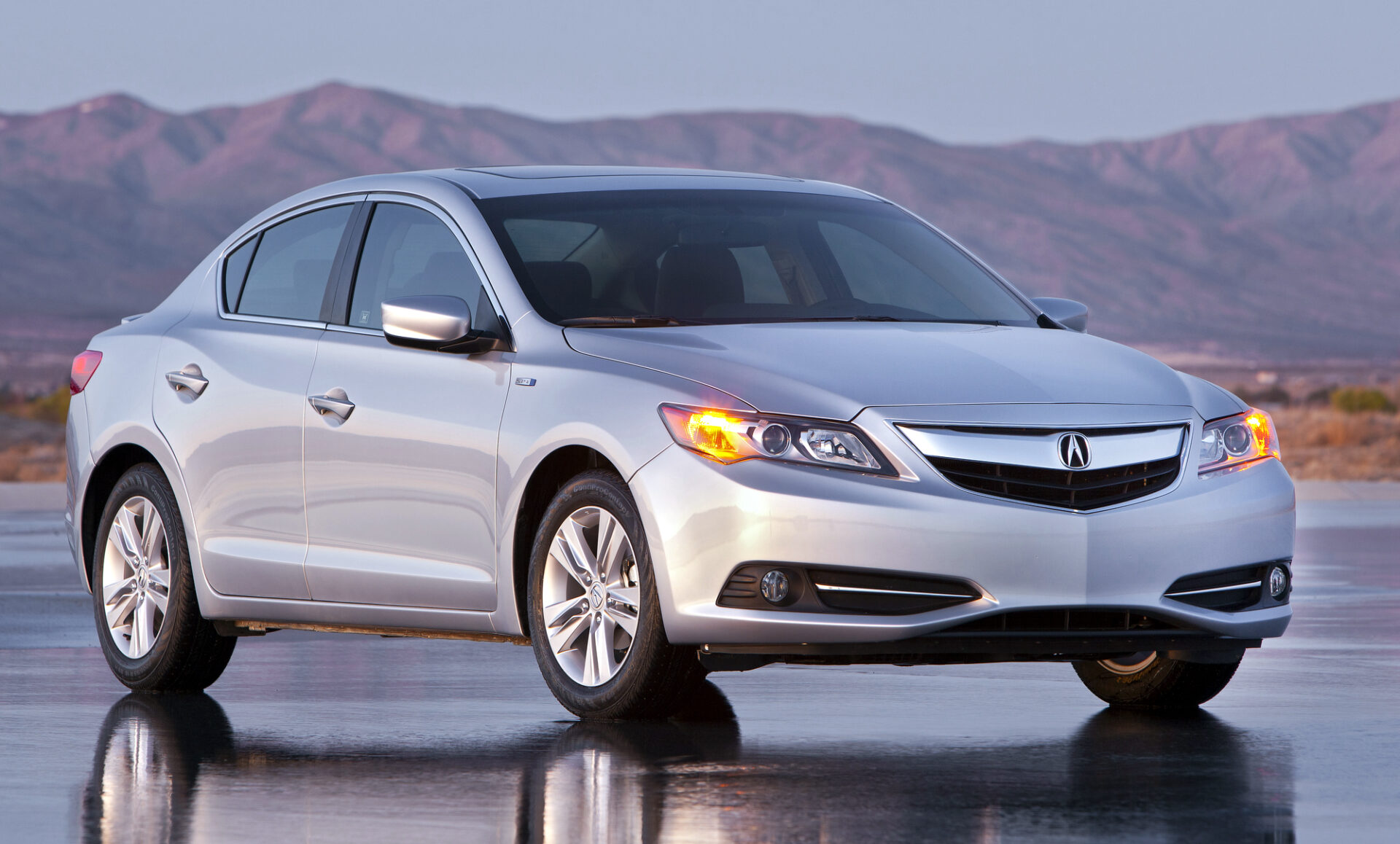
In a step back towards its roots, Acura, Honda’s luxury division, is once again offering a less-is-more entry luxury compact car. Slotted below the TSX, the 2013 Acura ILX is somewhat reminiscent of the 1986-2001 Integra, but outfitted with more luxury. This time around Honda’s entry-level car will come with some environmental credentials and therefore deserves a review in Clean Fleet Report.
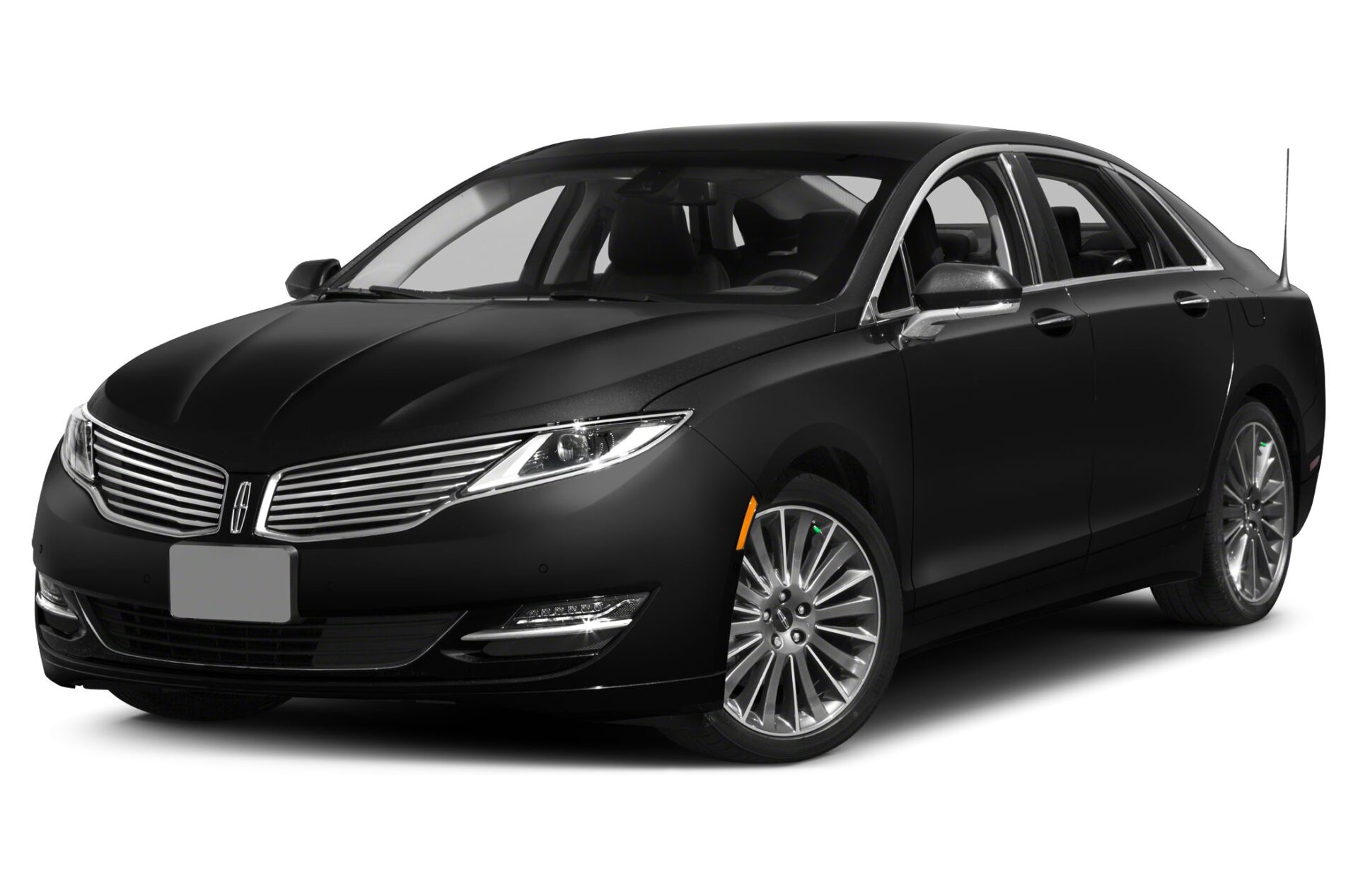
“Hybrid” has become a magic word that’s synonymous with fuel economy for many car buyers, thanks mainly to the Toyota Prius. The common assumption is that the hybrid version of a car will deliver great fuel economy–or at least better mpg than a comparable gas version, resulting in a more economical vehicle to own. While the fuel economy part of that line of thinking is correct, as you probably know, the total cost of owning a vehicle is much more than the cost of the fuel you put in it. In fact, according to some analysts, the fuel portion of vehicle ownership is only about one-fourth to one-fifth of the cost of owning a vehicle. So in spite of being more fuel efficient, not all hybrids save you money in the long run.
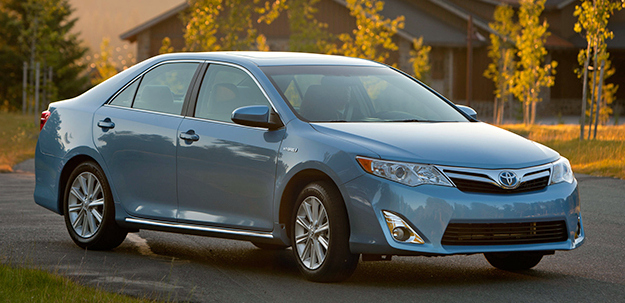
May continues the trend of good sales for hybrids, electric cars, plug-in hybrids and clean diesels. Consumers are seeking out these cars and keeping their sales numbers high.
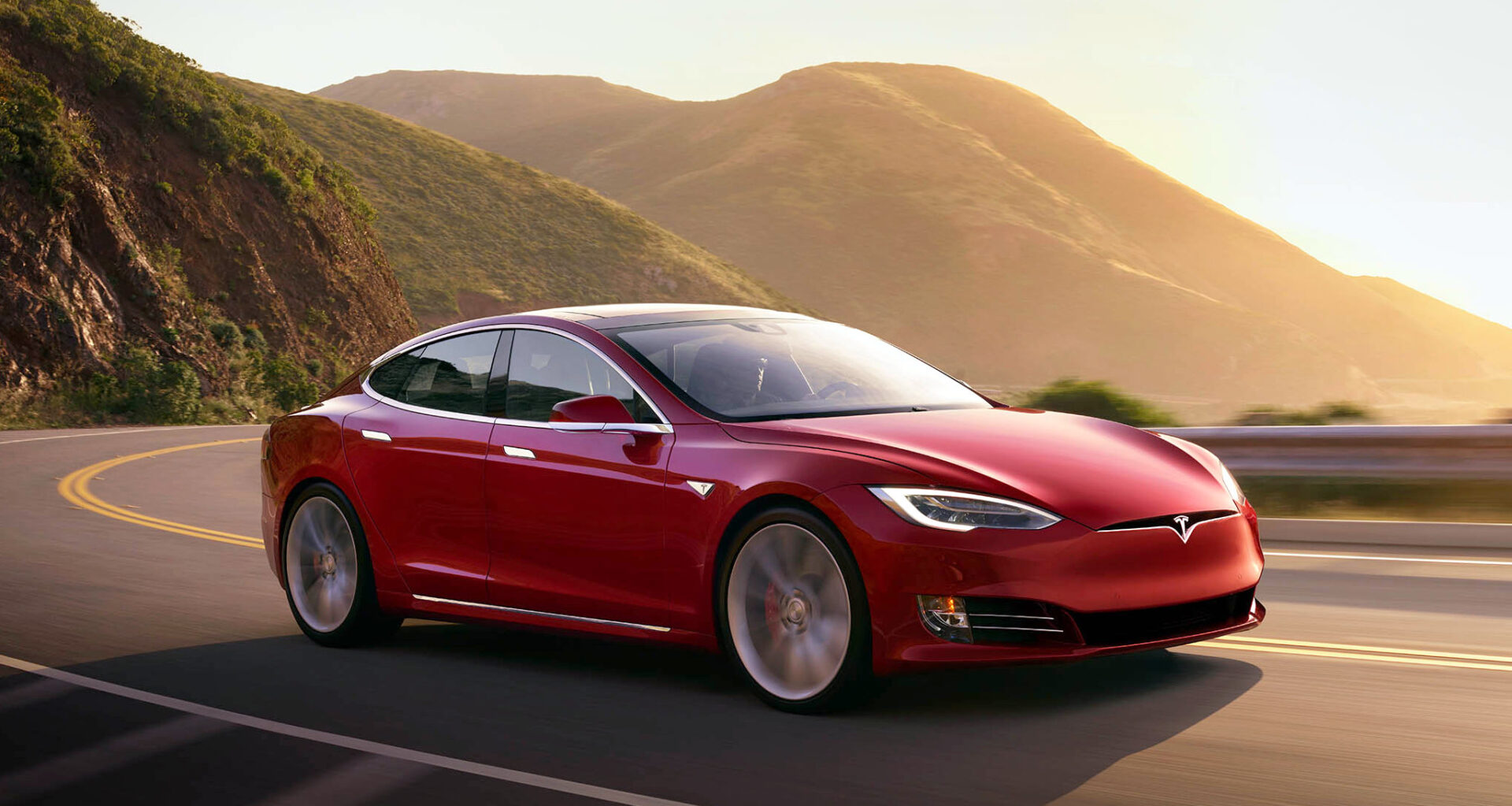
Mercedes, the traditional automaker, offers choice to its customers while the upstart Tesla bets on one power source–electricity. The early returns for the year show the newcomer charging ahead, but this is a long race and one being fought on a worldwide stage.
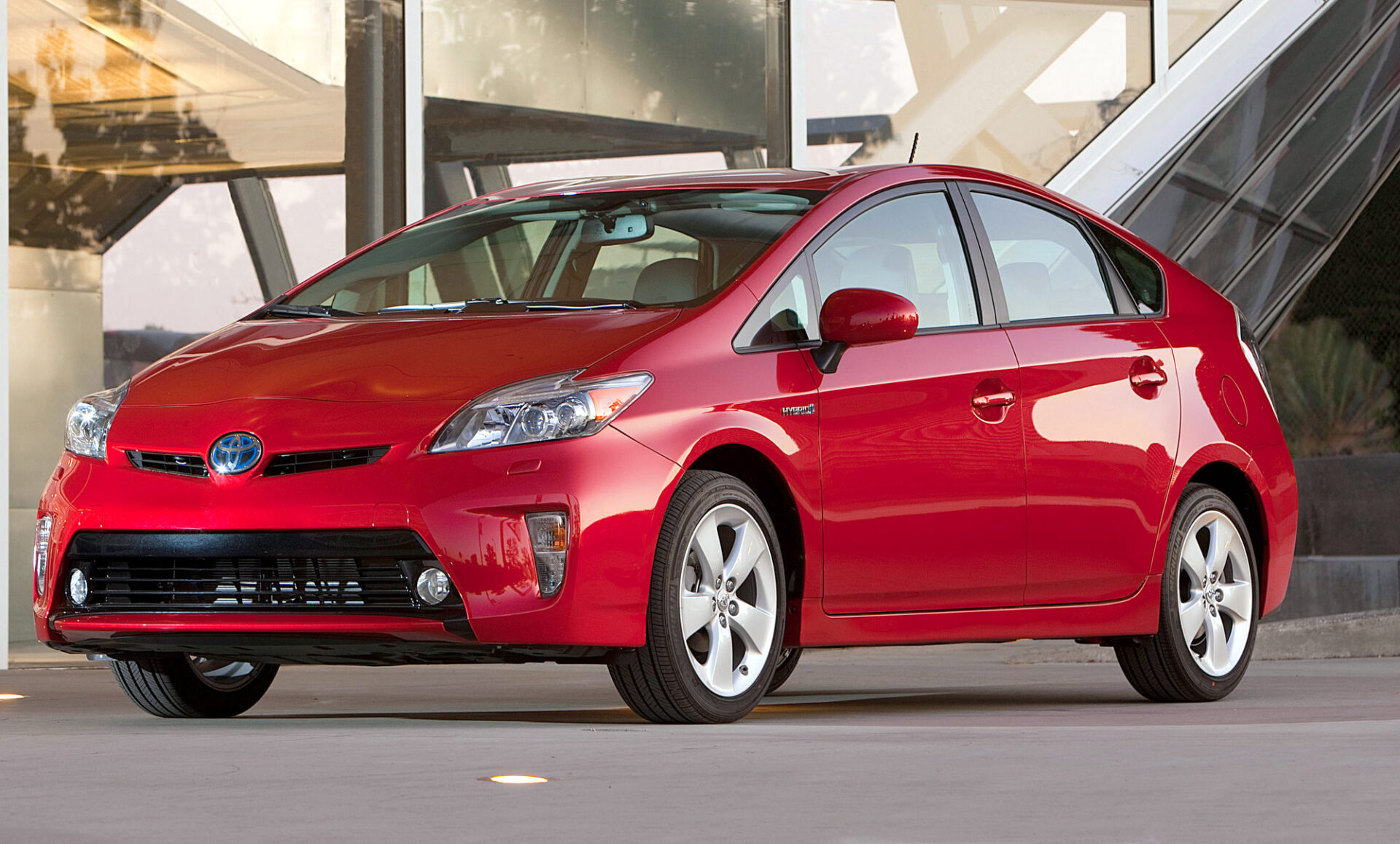
High-mileage cars are off to a great start for the year with sales up 18% in these three categories in for the first three months of the year compared to last year. The monthly sales average continues to creep up so it is conceivable that sales could edge closer to a million units if the trend continues, which would definitely solidify the market for alternatives to conventional gasoline engines. The first quarter indicates it could be a very good year for high-MPG cars.
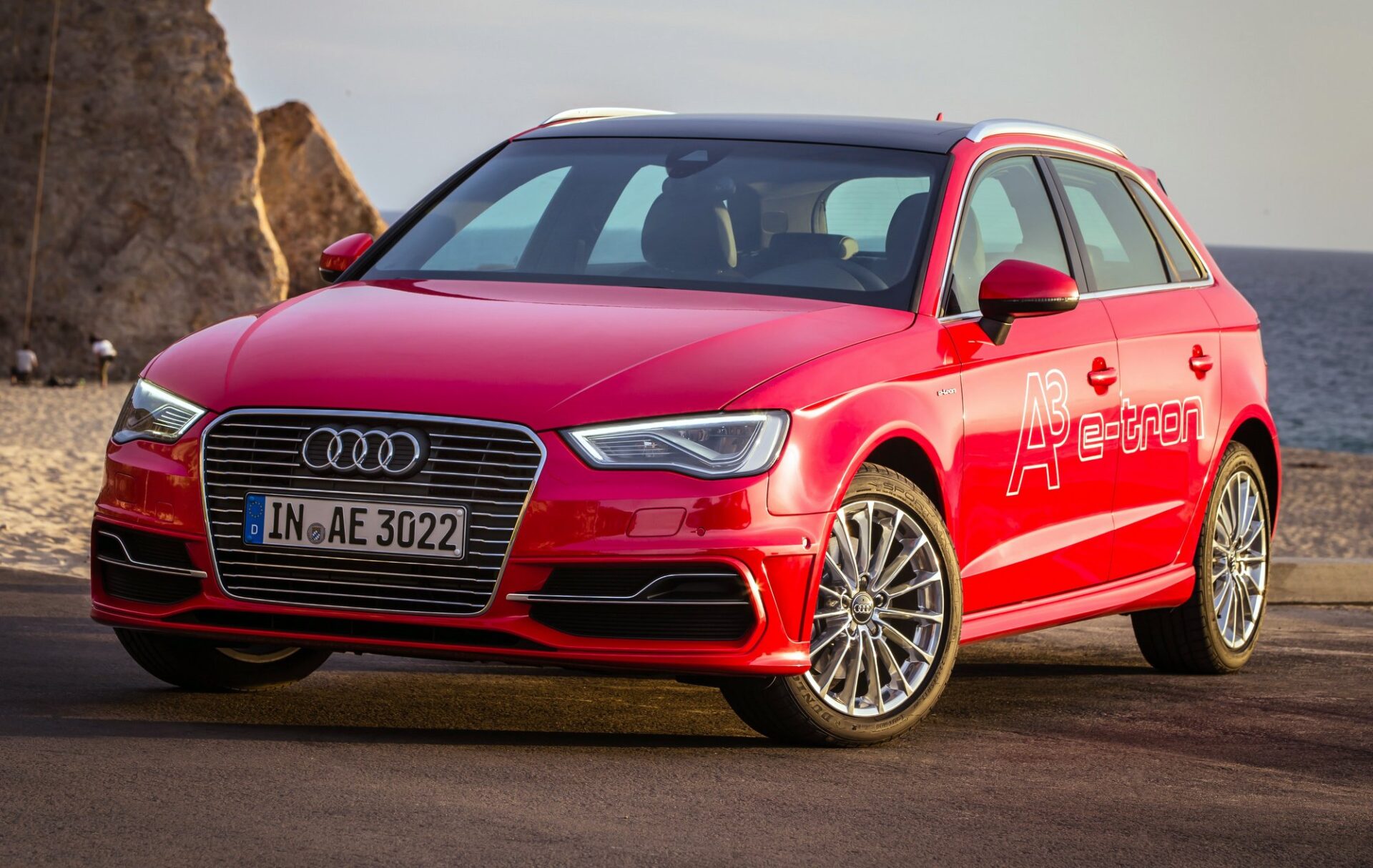
You need look no further than the 2013 New York International Auto Show media preview this last week to see that automakers are aggressively laying out multiple paths to get to the fuel economy goals of the U.S., Europe and Japan. Electric vehicles, plug-in hybrids, hybrids, diesels and advanced gasoline engines (as well as other technologies) point to a diverse future.
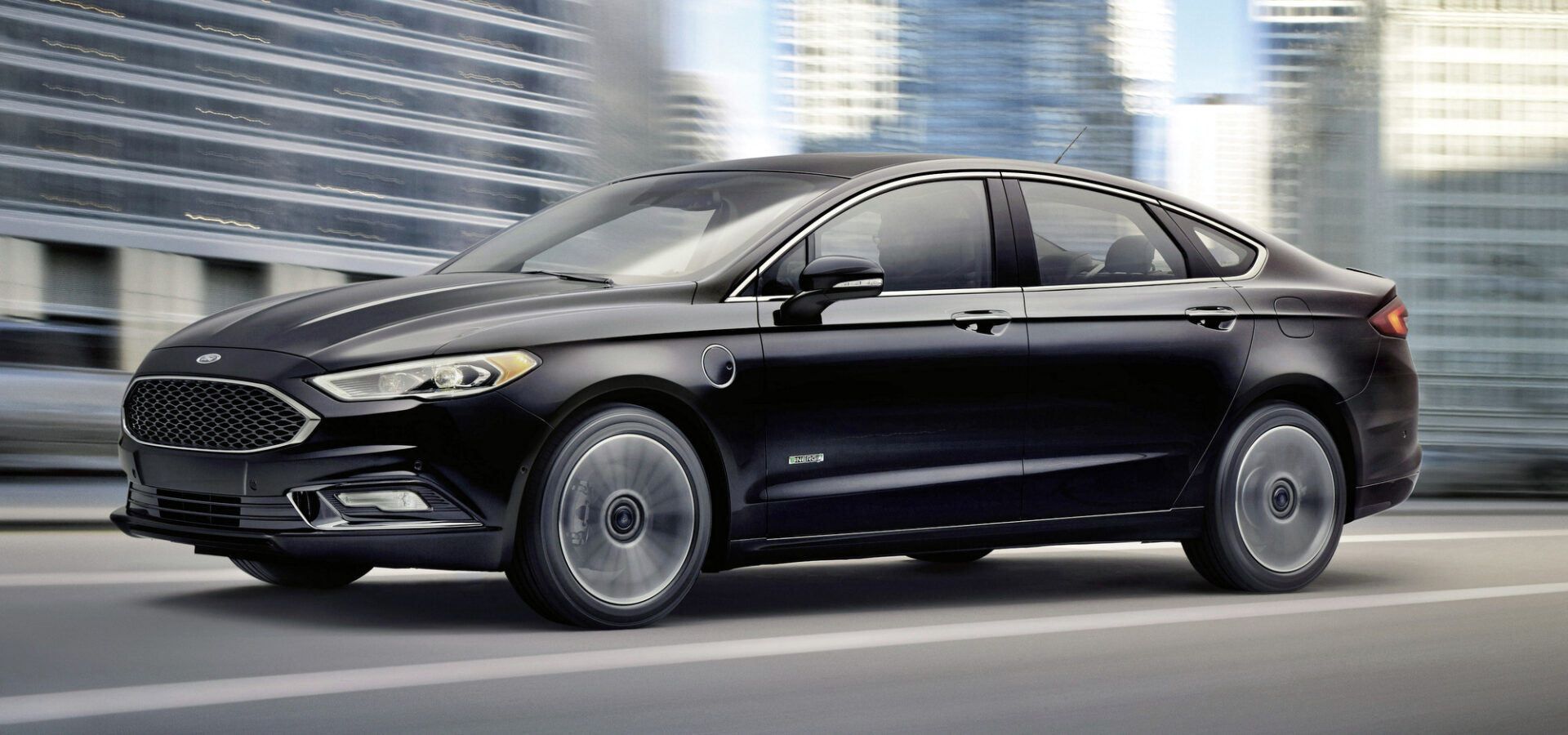
Ford is making a concerted push towards electrification, a key part of its strategy to boost fuel economy across its lineup. The Ford Fusion Energi, which Clean Fleet Report recently had the opportunity to sample for a brief test drive, is the centerpiece of a five-vehicle electrified fleet.
Clean Edge, Inc., in its Clean Energy Trends 2013 report, cites the trend to microhybrids as one of the more positive and lasting movements in the transportation sector. While much attention is focused on electric vehicles and plug-in hybrids, the group sees microhybrids, also known as start-stop, idle-stop-go, idle elimination, mild hybrid or other names, as contributing more to increased fuel efficiency than any other technology.
The technology has been on the market for more than a decade and at least 40 percent of the new cars in Europe and Japan already use it, but it’s on its way to the U.S. as well. The attraction for the auto industry is that this is a relatively cheap technology that delivers tangible fuel economy improvements and helps them along the way to the goal of 54.5 mpg by 2025.