
This article may contain affiliate links.
Quick Answer
Tire repair can be safe—but only under specific conditions. Repairs are generally considered safe when the puncture is located in the tread area, measures no more than 6 mm (¼ inch) in diameter, and hasn’t caused internal structural damage. Industry standards, such as those from the Rubber Manufacturers Association (RMA), require a proper combination of patch and plug methods for a lasting, airtight fix. However, sidewall or shoulder punctures, large gashes or damage from driving on a flat tire often make repairs unsafe or impossible. Always have a qualified technician inspect the tire before deciding to repair or replace it.
Introduction
Few things disrupt your day like hearing that dreaded thump-thump-thump while driving—your tire’s gone flat. Whether it’s a nail picked up on a construction-ridden street or a shard of glass from a broken bottle, sudden tire damage is more common than most drivers expect. The immediate question that follows isn’t just “Can it be fixed?”, but more importantly, “Is it safe to fix?”
In many cases, a professional tire repair can restore your tire to reliable, roadworthy condition–provided the damage meets strict safety criteria. Not all punctures are created equa,, and attempting to patch an unrepairable tire can lead to dangerous failures down the road. That’s why understanding what makes a repair safe matters more than convenience or cost savings.
For North American drivers navigating everything from icy highways to pothole-laden urban streets, knowing when a tire can be trusted after a puncture is essential. This guide breaks down the real safety factors behind tire repairs, so you can make informed decisions without compromising your vehicle’s performance or your peace of mind.
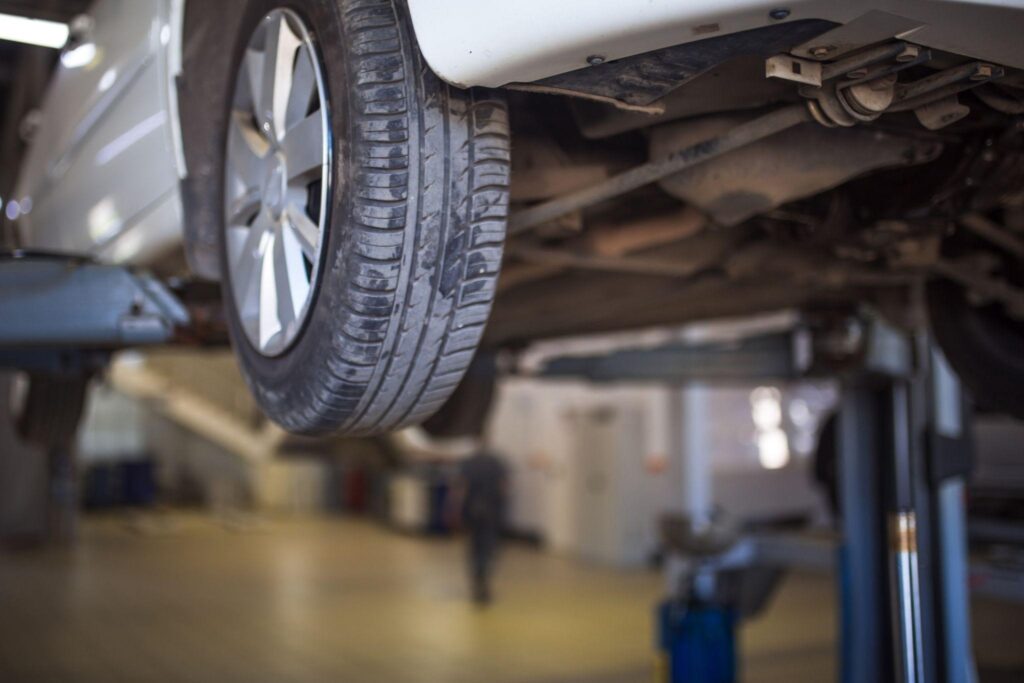
When Is Tire Repair Actually Safe?
Not every flat tire qualifies for a fix. While it might be tempting to slap on a quick plug and call it a day, safety depends on where the damage occurred, how severe it is and what method is used to repair it. Industry guidelines—particularly those from RMA—set clear boundaries for what constitutes a safe, repairable tire.
Key Factors That Determine Repair Safety
1. Location of the Puncture
Only punctures in the center tread area (roughly the middle 70% of the tread) are considered repairable. Damage to the sidewall or shoulder (the curved transition between tread and sidewall) compromises structural integrity and cannot be safely repaired. These areas flex significantly during driving, and patches or plugs won’t hold under stress.
2. Size of the Damage
A puncture larger than 6 mm (1/4 inch) in diameter is generally not repairable. Larger holes often indicate torn cords or internal separation, which can’t be fully restored—even with advanced methods.
3. Type of Damage
- Nail or screw punctures: Often repairable if straight and clean.
- Gashes or cuts: Risk internal belt damage; usually not repairable.
- Run-flat damage: Driving on a deflated run-flat tire—even briefly—can cause hidden internal damage that makes repair unsafe.
4. Previous Repairs
Tires with existing repairs shouldn’t be patched again in the same area. Overlapping repairs weaken the structure and increase blowout risk.
Proper Repair Methods: What’s Acceptable?
The RMA and Transport Canada recognize only one method as fully safe for passenger vehicles: the patch-and-plug combination. Here’s how it works:
| Method | Description | Safety Rating |
| Patch + Plug | Technician removes the tire, seals the inner liner with a patch and fills the puncture channel with a rubber plug from the outside. | Safe & Durable |
| Plug-only | A rubber cord is inserted into the hole without internal inspection or sealing. | Temporary Only |
| Patch-only | Inner liner is patched but the puncture channel isn’t filled. Air can seep through. | Not Recommended |
| Sealant-in-a-can | Emergency fix that coats the inside temporarily; doesn’t address structural issues. | Not a Real Repair |
A proper tire puncture repair requires demounting the tire from the wheel. This allows full inspection of the inner liner for hidden damage—aa step many quick-fix services skip. Skipping this step risks missing bulges, separations or corroded belts that could lead to sudden failure.
Common Misconceptions
- “If it holds air, it’s fine.”
False. A tire can hold air temporarily while still having internal damage that worsens over time.
- “All flat tires can be repaired.”
No. Up to 30% of flats involve unrepairable damage, especially if driven on while deflated.
- “Sidewall punctures are okay if small.”
Never. The sidewall lacks reinforcing belts and can’t support a patch under flexing stress.
What to Do After a Flat: Smart Next Steps
Once you’ve confirmed whether your tire is repairable—or if it’s time for a replacement—your next actions can significantly impact safety, cost and long-term vehicle performance. Many drivers focus solely on getting back on the road, but thoughtful follow-up steps help prevent repeat incidents and ensure your tires remain reliable through diverse driving conditions.
Immediate Actions After a Puncture
If you experience a flat while driving:
- Pull over safely: Avoid braking hard or making sharp turns. Gradually reduce speed and steer to a level, stable surface.
- Don’t drive on the flat: Even “run-flat” tires have distance limits (usually 50 miles at ≤50 mph). Standard tires can suffer irreversible damage within a few hundred meters.
Use proper temporary fixes only: If using a sealant kit, treat it as a last resort to reach a tire repair shop—not a permanent solution.
Choosing the Right Service Provider
Not all service centers follow RMA-recommended procedures. When seeking help, ask:
- Do they remove the tire from the wheel for internal inspection?
- Do they use a patch-and-plug method for punctures in the tread?
- Can they show you the damage and explain why it is (or isn’t) repairable?
A reputable technician like Good Tire will never pressure you into a repair that violates safety standards—and will gladly advise replacement when needed.
Preventing Future Flats: Practical Tips
While no tire is immune to punctures, these habits reduce your risk:
- Maintain proper inflation: Underinflated tires flex more, increasing vulnerability to sidewall damage and heat buildup.
- Rotate tires regularly: Ensures even wear and helps spot embedded debris early.
- Inspect after rough roads: Check for nails, screws or cuts after driving on construction zones or gravel.
- Avoid potholes and curbs: Common causes of sidewall impacts that lead to slow leaks or blowouts.
When Replacement Is the Better Choice
Sometimes, replacing a tire is smarter—even if a repair is technically possible. Consider replacement if:
- The tire is older than six years (check the DOT date code).
- Tread depth is near or below 4 mm/.15 inch (the legal minimum in most provinces is 1.6 mm or 2/32 inch in the states, but safety drops sharply below 4 mm).
- You’ve had multiple repairs on the same tire.
- It’s a high-performance or winter tire where structural integrity is critical.
For example, a successful flat tire repair on a worn all-season tire might hold air, but the compromised casing could affect handling in wet or snowy conditions—especially on the highway during shoulder seasons.
Final Thoughts: Safety First, Every Time
Tire repair isn’t inherently risky, but it becomes risky when done incorrectly, rushed or applied to damage that’s beyond saving. The difference between a safe fix and a hidden hazard often comes down to one thing: whether the repair follows established safety protocols and respects the physical limits of tire construction.
For most drivers, the goal isn’t just to get back on the road—it’s to stay there safely, mile after mile. That means resisting the urge to accept a “good enough” patch from a gas station kiosk or relying on aerosol sealants as anything more than a temporary bridge to professional help. Real tire repair should always involve a full inspection, proper tools and adherence to industry standards, not just a quick plug and a hopeful send-off.
