
The roar of gasoline engines has defined personal transportation since the Model T. However, electric vehicles (EVs) are slowly taking over worldwide in the modern automotive revolution.
As the world moves toward a greener future, it’s essential to gauge how much longer internal combustion engine (ICE) vehicles will remain relevant.
The Outlook for ICE Cars
The next decade will include a shift away from gas-powered cars, depending on where you live. Some states are planning to ban the sale of ICE vehicles starting in 2035. California, New York and Oregon are only some states with such initiatives, which are currently under challenge by the federal government.
Similar policies exist in the European Union (EU) and other governing bodies worldwide. The EU will require automakers to make zero-emission vehicles 90% of their production, starting in 2035. The other 10% of vehicles may include conventional gas, diesel or hybrid cars.
ICE cars will remain relevant for the foreseeable future, though they’re losing traction each year. A 2025 report said the nation has 285 million vehicles on the road, most of which use gas or diesel.
However, over 99% of cars permanently exiting the market have fossil-fuel-powered motors. Once EV sales reach 4 million annually, cumulative ICE vehicles will begin fading.
The Pros of Gas-Powered Cars
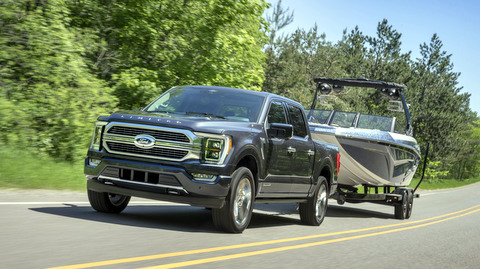
While the world is moving toward EVs, it’s important to recognize the current landscape. Some drivers trust ICE engines for their daily drivers due to these pros.
1. Established Infrastructure
Gas cars are more convenient for the typical driver, especially in rural towns. Industry experts say these vehicles may remain relevant among rural drivers and classic car owners.
2. Refueling Speed
When running low on fuel, drivers can pull into a gas station. Once they find an open pump, they can refuel within a few minutes.
3. Advancements in Efficiency
Modern ICE engines are more efficient than they used to be. The Environmental Protection Agency says the average fuel economy was 27.1 mpg in 2023 — up from 13.1 mpg in 1975.
Sedans used to be the standard for high gas mileage. Nowadays, you can find SUVs exceeding 40 mpg or higher, thanks to hybrid powertrains.
The Cons of Gas-Powered Cars
ICE engines have been in high demand for over a century. However, the new era of environmental awareness has introduced critical re-evaluation.
1. Declining Resale Value
Automakers are slowly but steadily prioritizing EVs over their gas-powered counterparts. As electric cars rise, the demand for ICE vehicles will decline and harm resale value.
2. Rising Operational Costs
ICE vehicles require regular maintenance, thus increasing their operational costs. Additionally, drivers are subject to significant price swings due to the volatile global petroleum market.
International conflicts — such as the 2026 Iran War — demonstrate the effects of price hikes. Regular gasoline has increased from $2.94 per gallon prior to active fighting to over $3.50 per gallon nationally.
3. Green Demand
The modern consumer is becoming more environmentally conscious and mindful of their purchases. A 2025 study found that 68% of American consumers would be willing to pay more for sustainable products.
4. Environmental Damage
The environmental damage of ICE vehicles is difficult to ignore. Fossil fuels account for 90% of human-caused CO2 emissions, which cause climate change.
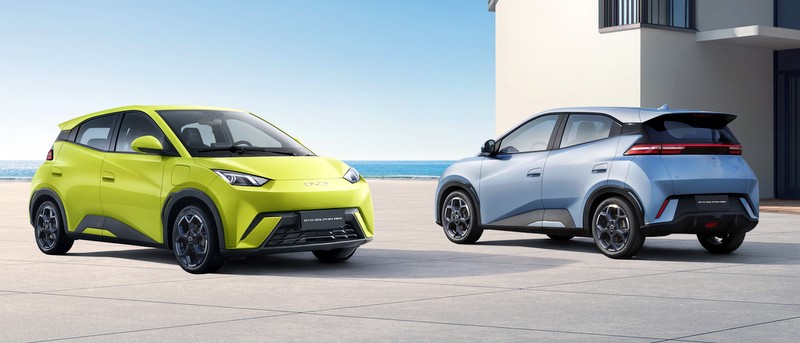
Navigating the Transition from ICE to EV
The automotive industry is transforming to fuel a quieter and cleaner future. However, it’s unlikely that ICE cars will disappear into the night. Communities worldwide will slowly transition to EVs due to emissions regulations and their long-term advantages.
