
This article may contain affiliate links.
A persuasive car accident claim often begins at the crash site, long before an insurer reviews medical bills or repair estimates. Road marks, scattered debris, vehicle damage, camera footage and witness accounts can reveal how the impact occurred. A lawyer preserves those details, tests each explanation and connects physical findings with injury records. That process gives an injured person a fact-based case, rather than one built on assumptions or fading memories.
The First Review Starts at the Roadway
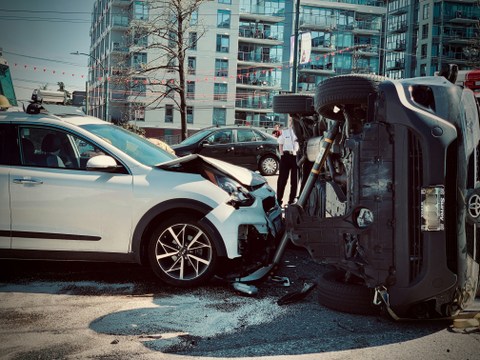
As an example, a Scranton, PA, car accident lawyer might examine traffic signals, lane markings, weather, lighting, vehicle positions and sight distances. Those details can indicate speeding, distraction, an unsafe turn or a failure to yield. Early inspection also protects evidence that disappears quickly. Skid marks fade, debris gets cleared, damaged vehicles move, and temporary traffic controls change after the collision.
Photographs Preserve Critical Details
Photographs create a visual record of conditions that may look different within a few hours. Counsel documents the full intersection, approach lanes, nearby signs, obstructions, impact areas, tire marks and broken components. Close-up shots show texture and depth, while wider views establish location. Several angles often answer questions that one photograph leaves unresolved.
Vehicle Damage Can Show Impact Forces
Damage patterns can indicate where contact occurred and how force moved through each vehicle. Investigators examine bumper deformation, hood displacement, crushed doors, broken glass, airbag deployment and interior contact points. Repair estimates help establish monetary loss. Physical damage does not resolve every dispute, so attorneys compare those findings with statements, diagrams, medical records and electronic information.
Electronic Data Adds Precision
Many vehicles record speed, braking, steering, seatbelt use and airbag activity shortly before a crash. Event data recorder results can support or challenge a driver’s description. Lawyers may also seek cellphone records, navigation history, delivery schedules, dash camera files and nearby security video. Prompt preservation requests reduce the risk that routine deletion removes valuable data.
Witness Statements Support the Timeline
Independent observers can describe vehicle movement, driver conduct, traffic flow, lighting, sounds and post-impact behavior. Attorneys record names, contact information, written accounts and interviews when appropriate. A reliable statement becomes stronger when it matches roadway photographs, vehicle locations, police findings and recorded data. Inconsistencies deserve review, not automatic dismissal.
Road Conditions May Affect Responsibility
Poor lighting, faded lane markings, standing water, construction equipment, blocked signs or damaged pavement can influence driver response. Responsibility may extend beyond the motorists involved. A contractor, property owner, maintenance company or public agency could have relevant duties. Lawyers review work orders, inspection records, prior complaints and warning practices. Public-entity claims may carry shorter notice periods.
Medical Evidence Helps Connect Crash and Injury
Scene findings must fit the medical record. Attorneys examine emergency notes, diagnostic scans, physician assessments, therapy records, prescriptions and continuing-care recommendations. Symptoms can appear hours or days after impact, especially with soft-tissue or neurological injuries. Physicians may explain how collision forces caused harm, why treatment remains necessary and how limitations affect work, movement, sleep and household tasks.
Experts Test Competing Explanations
Accident reconstruction specialists calculate speed, braking distance, impact angles, visibility and vehicle movement to explain how the accident occurred. Their analysis can clarify disputed fault when drivers provide conflicting accounts. Biomechanical professionals may explain how force affected the body. Medical or economic specialists can address long-term care, lost income, reduced earning capacity and other consequences supported by reliable records.
Insurance Review Requires Complete Proof
Adjusters often assess photographs, statements, treatment bills, employment records, repair documents and policy information before making an offer. A lawyer arranges those materials into a coherent liability and damages presentation. Missing documentation can weaken negotiations. Coverage review also includes policy limits, uninsured motorist benefits, commercial policies and claims involving several potentially responsible parties.
Preservation Protects the Claim
Evidence can disappear through towing, repairs, roadway maintenance, data deletion or ordinary business practices. Counsel sends preservation notices to drivers, insurers, employers, fleet operators, repair facilities and public agencies when relevant. Each notice identifies the materials involved and requests that they be retained. Prompt action helps protect photographs, vehicle parts, electronic records, video, logs and communications.
A Clear File Supports Negotiation
After collecting evidence, lawyers build a timeline from the moments before impact through treatment and recovery. The file may contain photographs, diagrams, witness accounts, police materials, expert opinions, invoices, wage records and insurance details. A chronological presentation makes disputed facts easier to test. It also gives the insurer a clear basis for evaluating liability and the extent of loss.
Conclusion
Scene evidence gives a car accident claim its factual foundation, but its value depends on timely collection and careful interpretation. Photographs, vehicle data, witness accounts, police records, medical findings and expert opinions can explain both responsibility and harm. A lawyer connects those materials into one defensible account. For an injured person, that work supports compensation based on verified facts, documented losses and credible medical proof.
