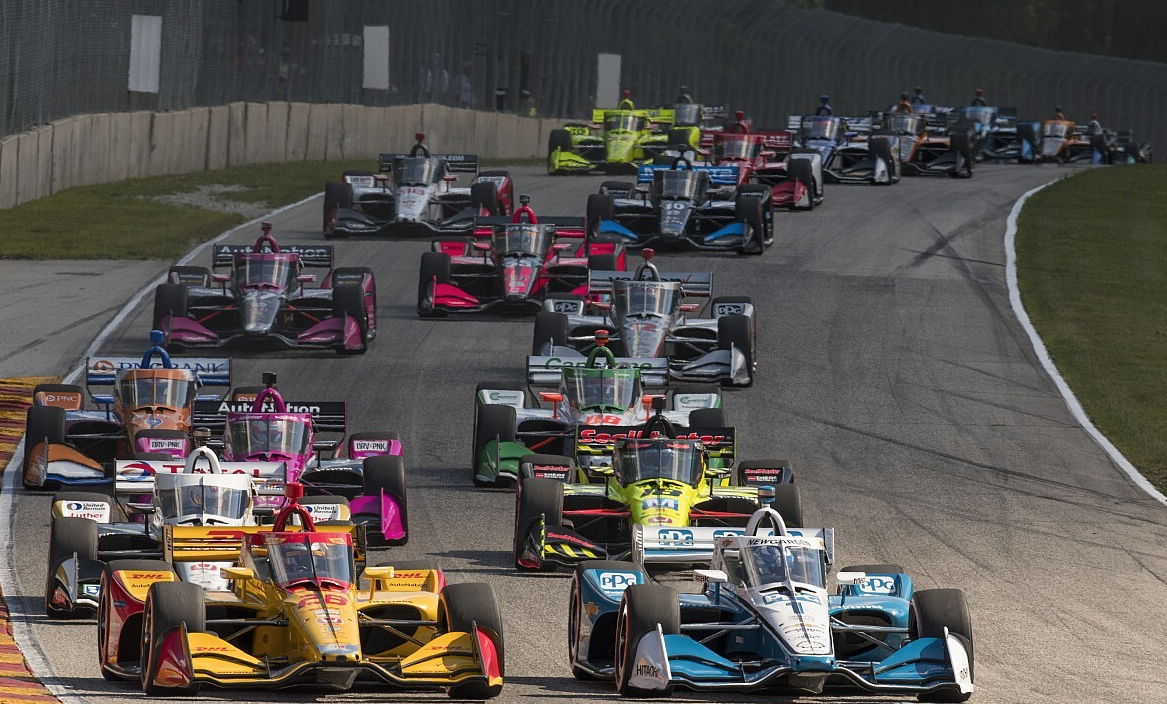
Green Motorsports: IndyCar Switches to Cleaner Cars & Fuel
Environmentally friendly car racing: an oxymoron? At Indycar not so much as you would think.

Environmentally friendly car racing: an oxymoron? At Indycar not so much as you would think.
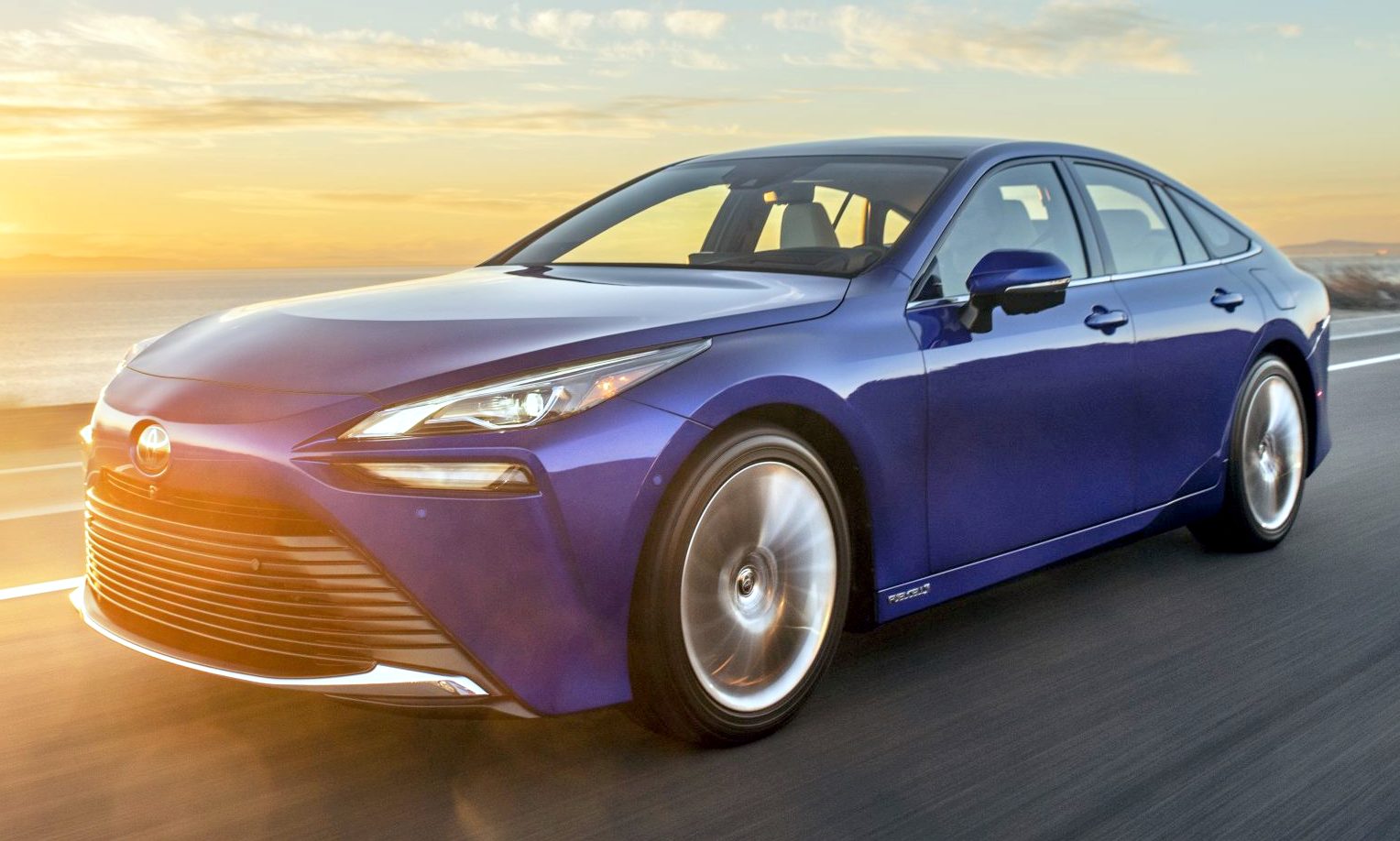
There is another option, though, in hydrogen fuel cell vehicles. Are they the future of motoring?

The 10th annual Green Transportation Summit & Expo (GTSE) returns to Tacoma, Wash., April 13-15, and will offer attendees opportunities to learn more about subjects ranging from alternative fuels like renewable hydrogen to DERA grants.
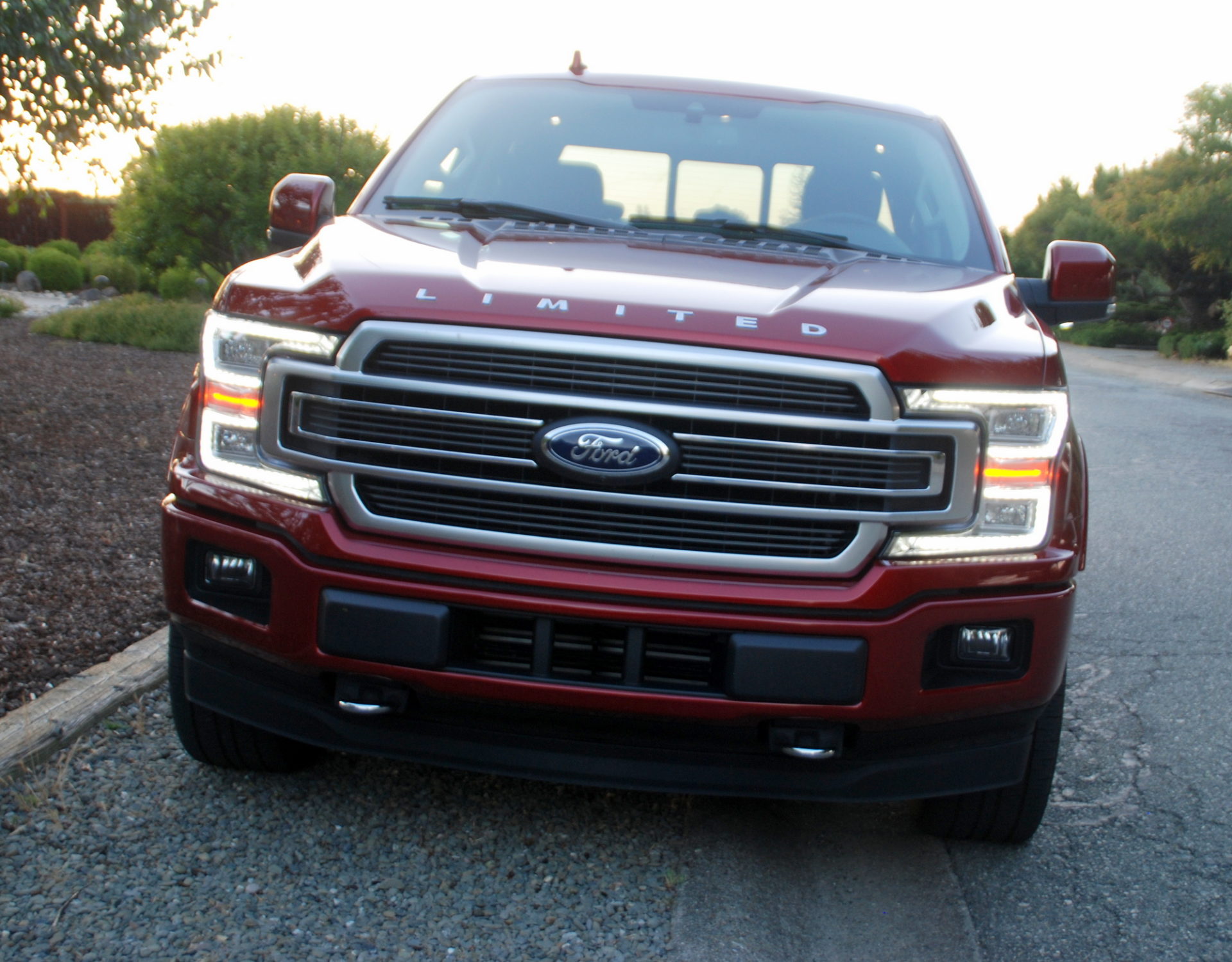
This is what you can get right now to solve that pickup-shaped hole in your life. The choices have never been broader or more rewarding.

In the U.S., around 480,000 yellow buses drive nearly 3.5 billion miles each year transporting school students. These buses, along with students driving personal vehicles, emit tons of greenhouse gases into the environment, which contribute to global warming and impact health.
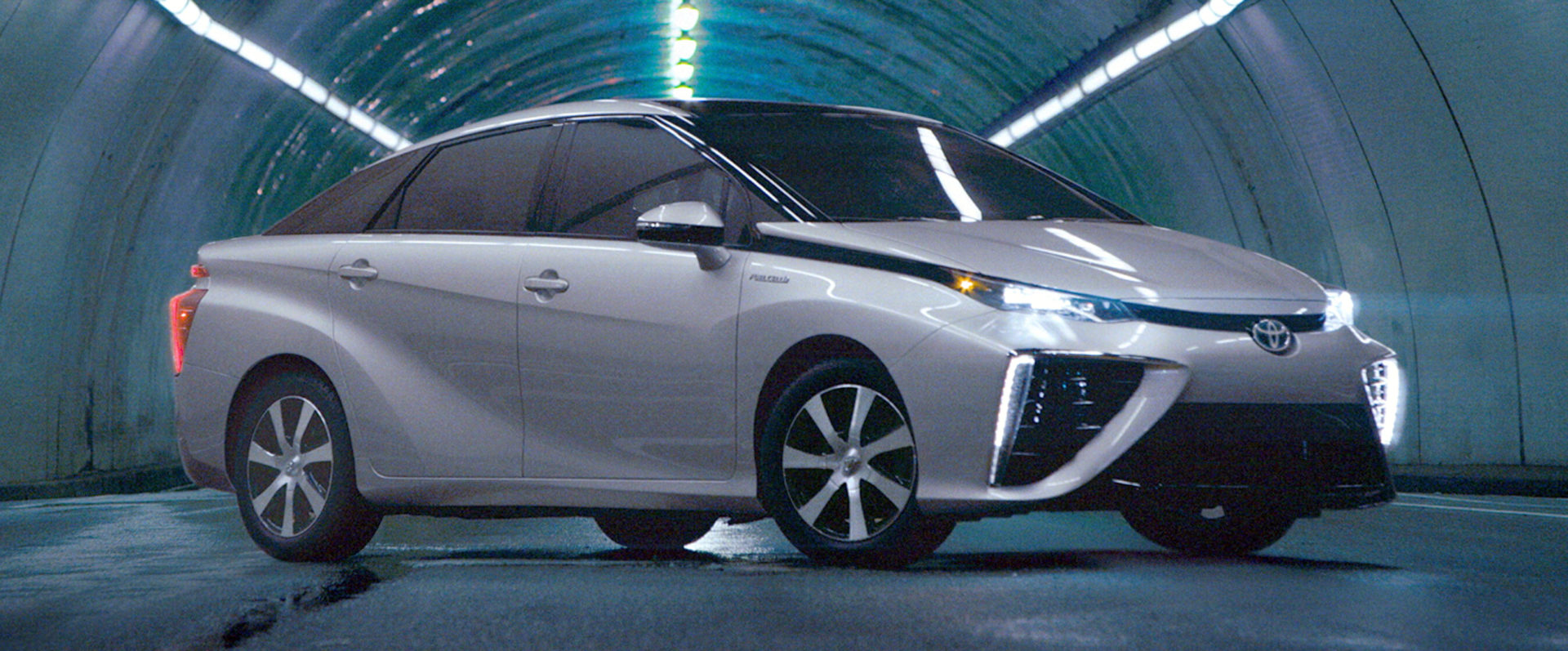
The 2019 Toyota Mirai uses a fuel cell with a battery. You can view on a screen where the energy comes from and where it’s going as it switches back and forth between them.

Propane autogas (the term for propane or liquified petroleum gas when used in vehicle transportation) vehicles have been on the scene for over 100 years. During the past decade, advancements have been made to liquid propane systems. New calibration and catalyst innovations are taking these propane vehicles to near-zero emissions levels, making a strong case for adoption.
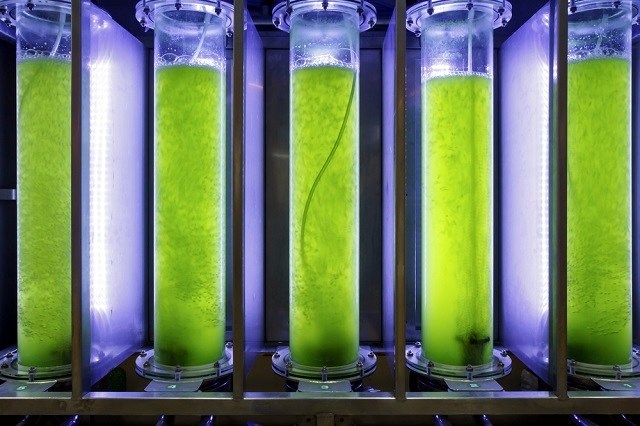
Although these are clearly some commercial and technical issues with algae-based biofuels, many of these will be remedied by their benefits.

We have driven the future—and it feels a lot like today. We recently drove the production version of the 2017 Honda Clarity.
We’re not saying we have reached a tipping point in a shift to heavy-duty EVs, but the movement reached a high water mark at the 2017 ACT Expo.