News: Hydrogen Fuel Cell Market Confused
It’s been a confusing week for hydrogen fuel cell vehicles. Depending on the story you read, one might assume the market for light-duty FCEVs is either dying or booming.
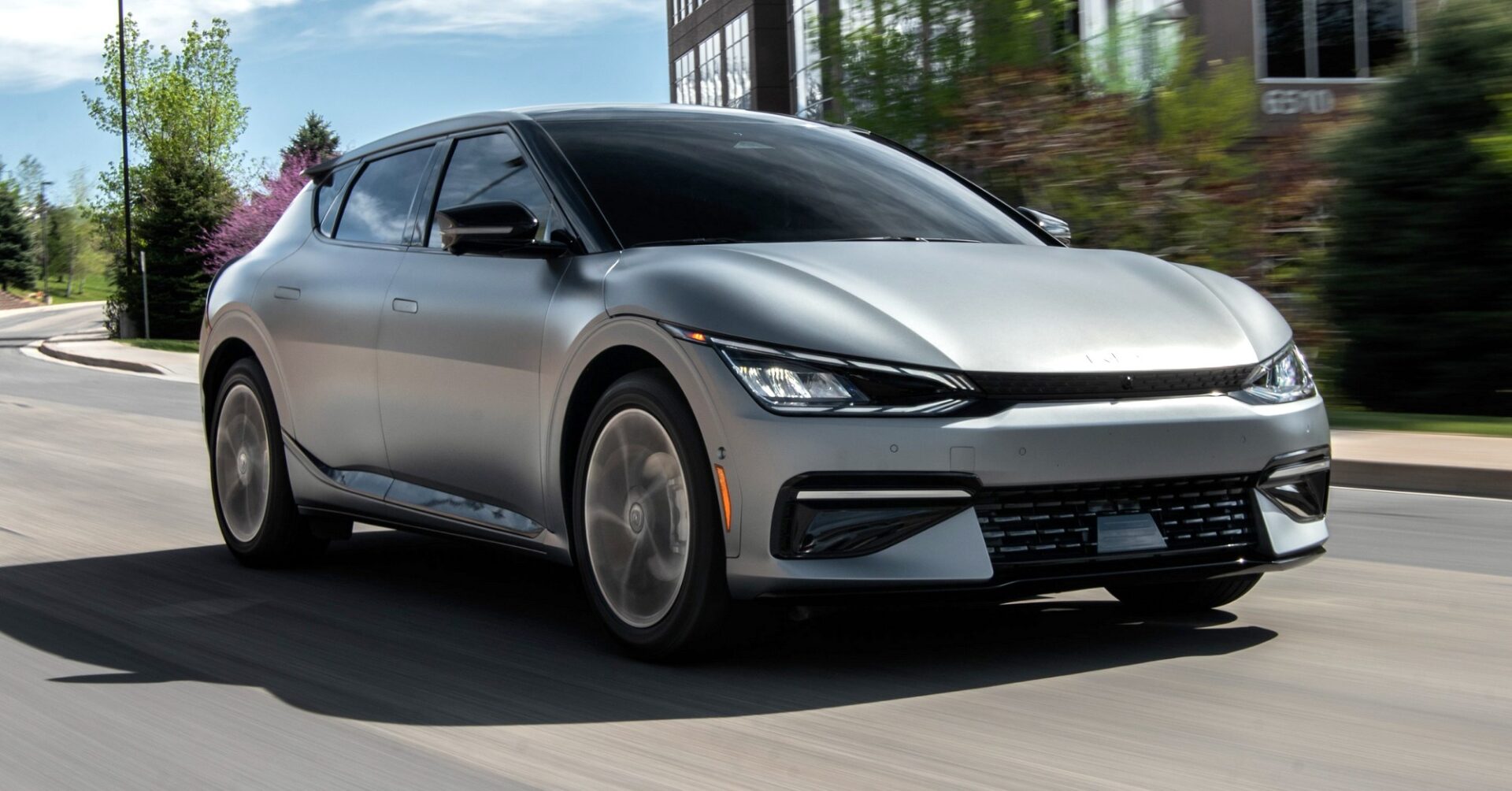
Kia introduces the EV6 as its first battery-only model and Hyundai brings forward the Ioniq 5, part of recasting the Ioniq brand as an EV-only.
All of this made me think about of the differences in the way companies are introducing EVs into their product portfolios.
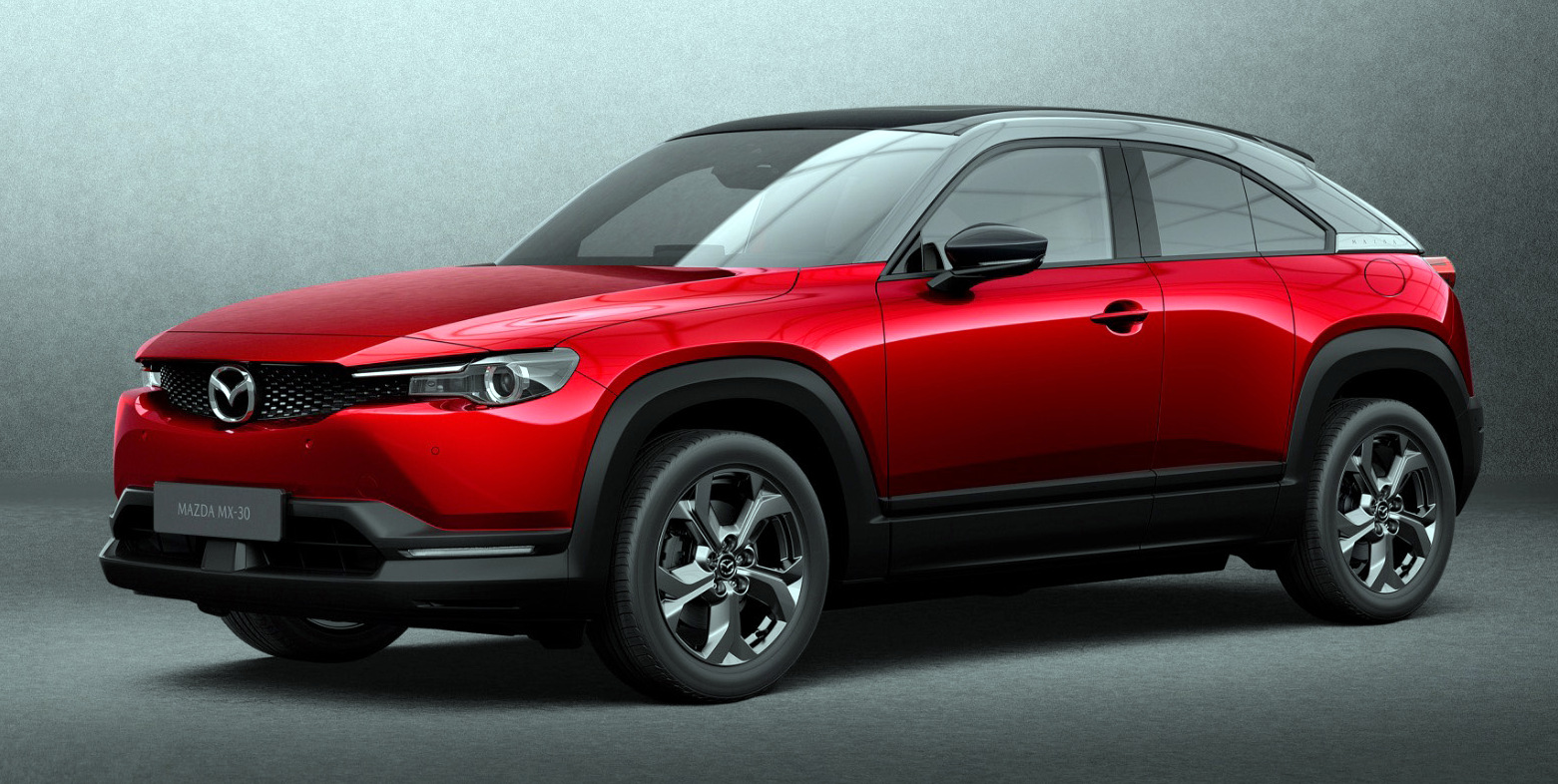
Mazda showed off a new electric version of its small MX-30crossover this week, promising that it would be available in Californiadealerships this fall.
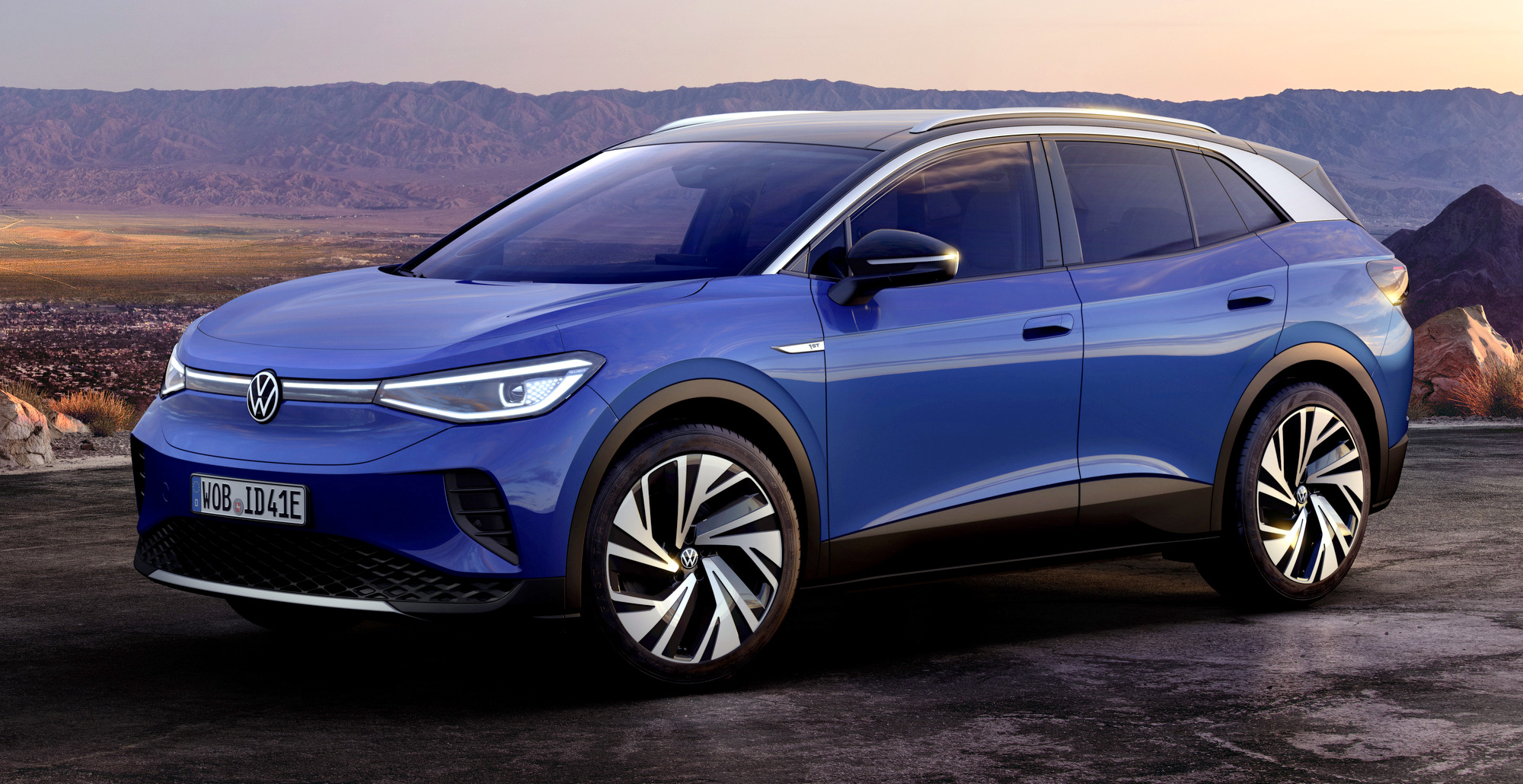
Volkswagen took April fools to a new level this year with a convoluted plan to announce a name change to VOLTSWAGEN to highlight its new ID.4 battery electric crossover and the corporate commitment to EVs.
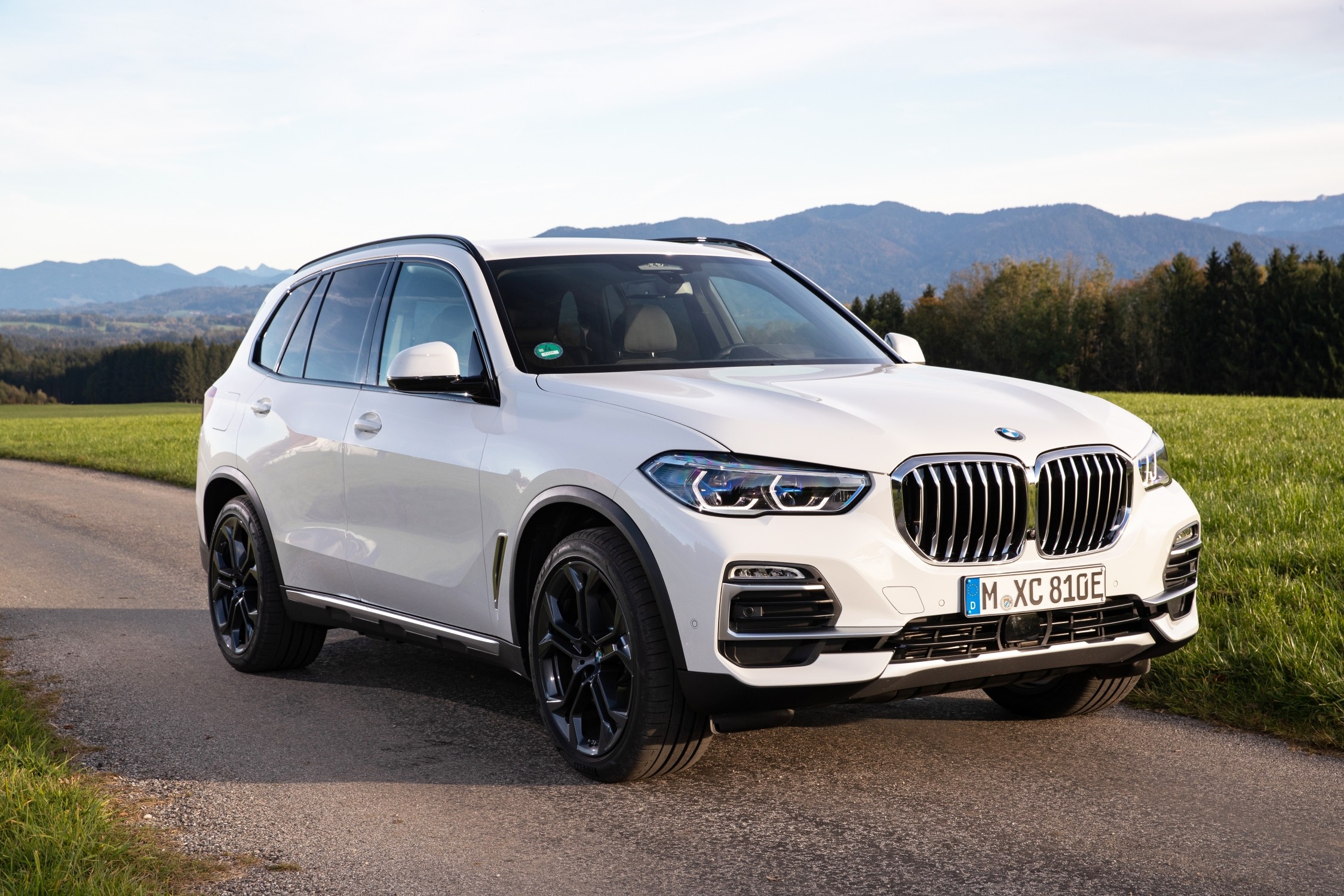
BMW now offers plug-in hybrid options on several popular models, including the midsize 530e sedan and X5 xDrive45e crossover, both of which I recently tested.
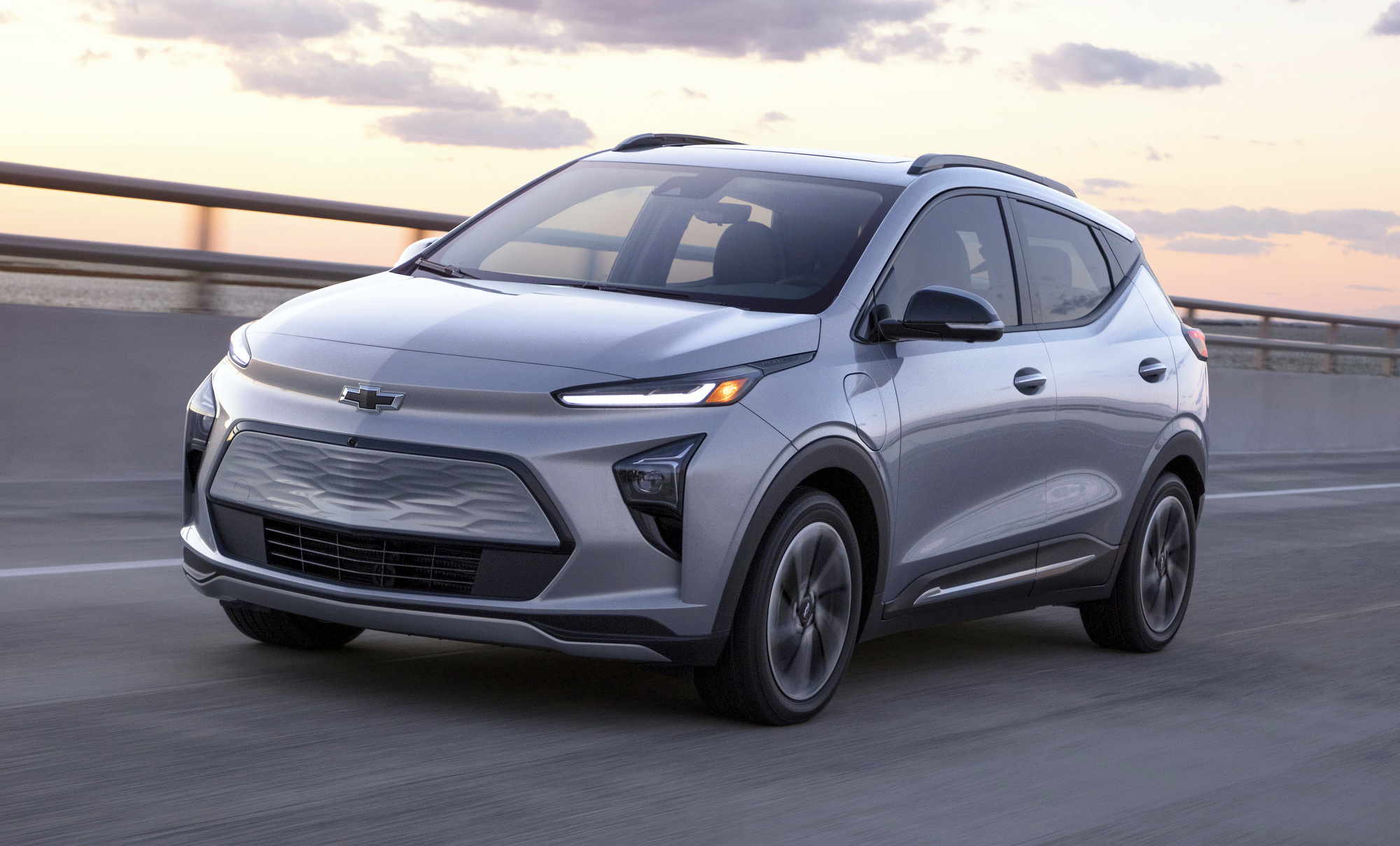
Chevrolet is doubling its EV lineup with a refreshed Bolt EV and new Bolt EUV and trying to push its product into the currently most popular segment—crossovers.
In the growing world of EVs, the Aptera stands out for its unusual design, incredible range and the company’s plucky chutzpah.
General Motors announced a suite of environmental commitments Thursday, including a pledge to eliminate tailpipe emissions from its light-duty vehicles by 2035, be carbon neutral in all global products and operations by 2050 and sign the Business Ambition Pledge to 1.5°C.
It was a week of good news for EVs and climate action, as General Motors and the new U.S. president announced ambitious plans to tackle global warming.