
What Is Start-Stop in a Car?
One of the simplest ways to reduce vehicle fuel consumption is to shut off the engine when it is not being actively used. That’s where stop-start technology comes in, so get ready for its invasion.

One of the simplest ways to reduce vehicle fuel consumption is to shut off the engine when it is not being actively used. That’s where stop-start technology comes in, so get ready for its invasion.
The year 2013 is almost over and the auto industry is moving toward the best sales year in half a decade. High mileage electric cars, plug-in hybrids, hybrids and clean diesels are drafting along with the positive sales year and going beyond, with each segment besting the overall market as new models enter and draw attention. The expectation is for aggressive selling to continue through the rest of the year, but it’s a good time to regroup and declare the Top 10 winners for the year.
To sum up the day-long program and paraphrase the philosopher Heraclitus, the only thing constant about the future will be change. The 100-plus year-old auto industry is heading into uncharted territory as it grapples with change inside and out of the vehicle. Electronic technology promises to radically alter the interaction of the driver and vehicle, even as the propulsion technology and fuel shifts to new ground and, in some cases, necessitating new lifestyles. One thing is clear, “Future Cars, Future Technology” will be an ever-changing topic for years to come.
While price cuts and low lease rates have been moving electric cars like never before, resulting in “sold out” models and tight supplies at some dealerships, there may be a dark side to the deals. When discounts like this happen in the rest of the auto market and residual values drop, the impact on auto companies is clear. Profits on the discounted vehicles drop and the models are often dropped or given a redesign aimed at revitalizing or repositioning them in the eyes of the consumer. For new models, it is often the kiss of death.
To transform the vehicle fleet, you need to work on both ends — accelerating the purchase of cleaner new vehicles and the retirement of old clunkers. The California legislature is sending a package of bills to Governor Brown’s desk that does just that. Taken as a whole, these policies will ensure Californians at all income levels enjoy the environmental, public health, and financial benefits of cleaner, more efficient vehicles.
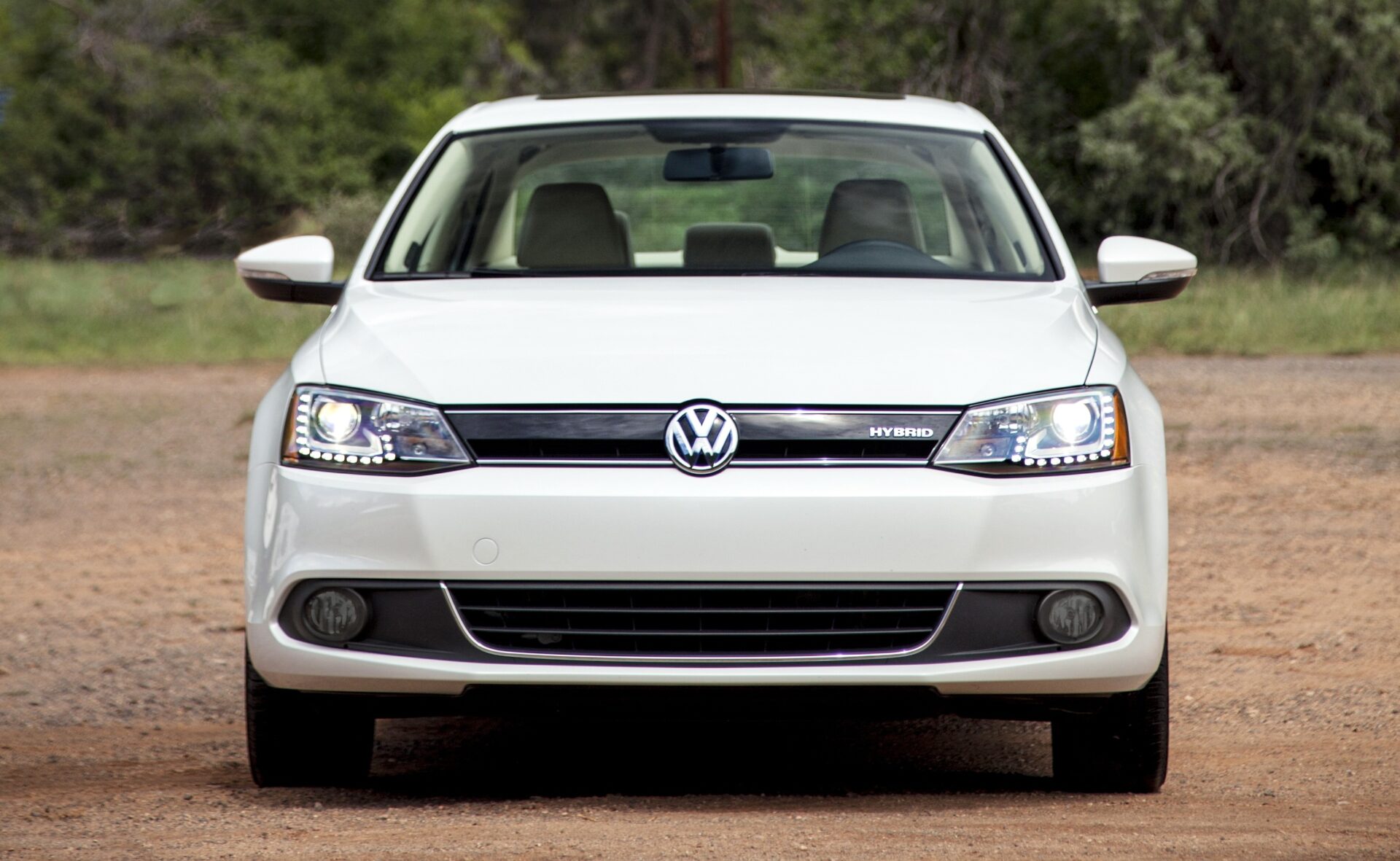
Diesel and hybrid owners have very different reasons for owning each vehicle. After my back-to-back drives, I will suggest that anyone considering a Jetta hybrid for its environmental statement also add the diesel to your shopping list.
The hybrid gets better fuel economy, rides smoother, is quieter and fun to drive, especially when the Boost mode kicks-in. But the diesel engines of 2013 burn clean, are smoke-free, get very good fuel economy and offer a torque/acceleration experience found on more expensive cars.
So which to buy? You will have to run the numbers of an approximate $2,000 base price premium for the hybrid against the number of miles you drive and of course, your personal needs. If you drive mostly in the city or with significant freeway stop-and-go traffic, then making the hybrid investment may well be worth your while. If you do mostly open freeway driving, then the diesel will deliver mpg in the high 40 range, which is oh so great.
August was a high-water mark for some of the pure electric cars and plug-in hybrids, stoking hopes that these alternatives were starting to gain traction in the market. The year 2013 is two-thirds over and auto industry sales overall are doing quite well (up 14 percent compared to July 2013, up 17 percent compared to August 2012 and up 9.6 percent over the year-to-date compared to last year). The record sales this month by the Passat TDI, Chevy Volt and Nissan Leaf show that high mileage vehicles are definitely high on consumers’ shopping lists. More models continue to come onto the market, broadening consumer choices and adding to the ongoing discussion of fuel economy.
If you believe performance, luxury and fuel economy is an oxymoron, then you haven’t driven Infiniti’s 2013 M35h. The h is for hybrid… and horsepower. And it may be the first of many Infiniti hybrids.
After a week with the ILX Hybrid, we swapped it for the ILX Premium—think of it as a more refined and luxurious Honda Civic Si that costs just $300 more than the Hybrid. At Clean Fleet Report we’re about hybrid cars, plug-in cars, pure electric cars and alternative fuel vehicles —mostly. We are also driving enthusiasts, and when the opportunity presents itself, we never say no to test driving a car that dishes out lots of Wahoos!
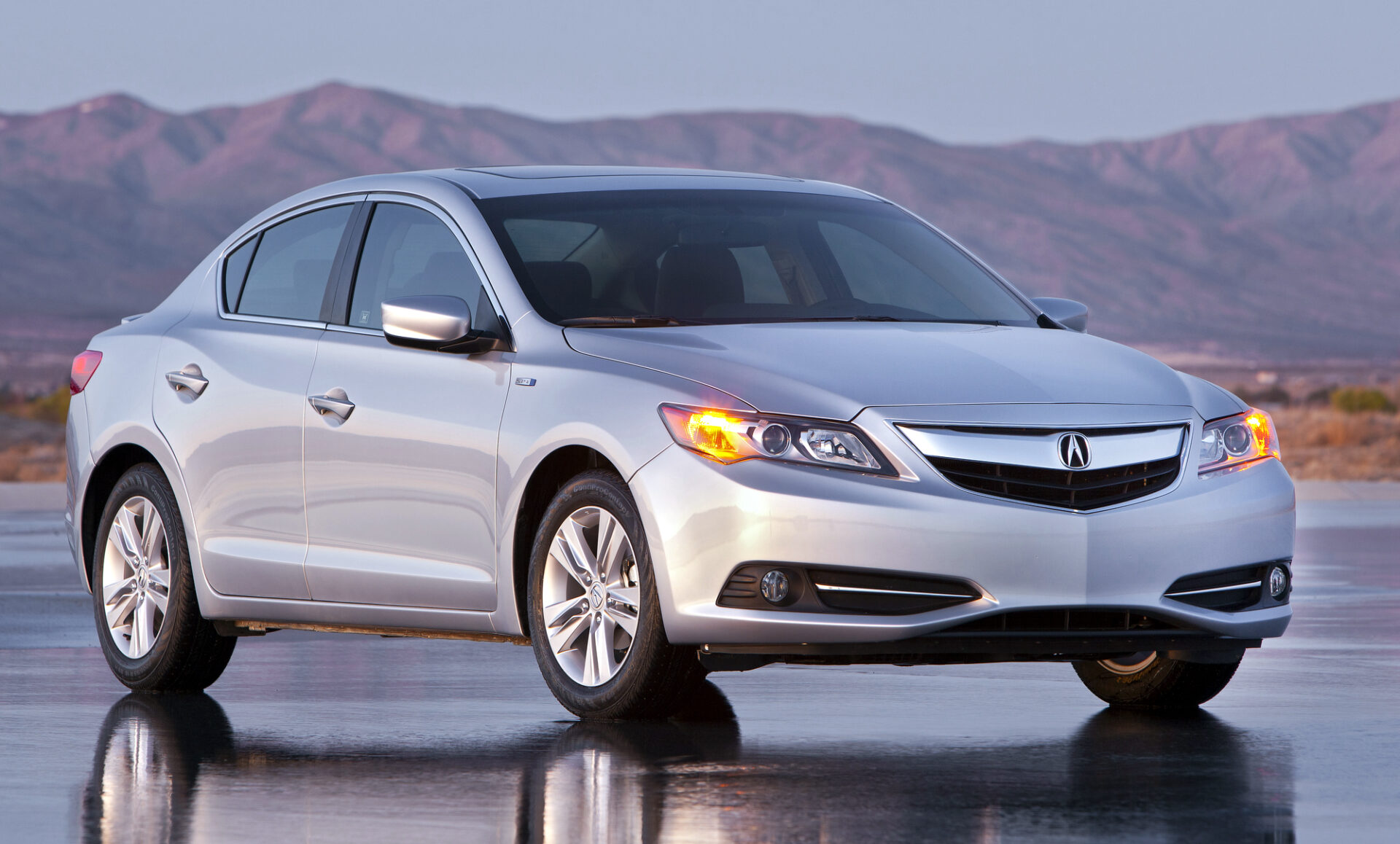
In a step back towards its roots, Acura, Honda’s luxury division, is once again offering a less-is-more entry luxury compact car. Slotted below the TSX, the 2013 Acura ILX is somewhat reminiscent of the 1986-2001 Integra, but outfitted with more luxury. This time around Honda’s entry-level car will come with some environmental credentials and therefore deserves a review in Clean Fleet Report.