
Toyota Invests in Artificial Intelligence as a Road to Autonomous Cars
$50 Million in Programs at Stanford and MIT While Silicon Valley seems awash in autonomous Google cars and Carlos Ghosn says Nissan will have an … Read more

$50 Million in Programs at Stanford and MIT While Silicon Valley seems awash in autonomous Google cars and Carlos Ghosn says Nissan will have an … Read more
This year (2014 LA Auto Show) one was one fuel cell is already on sale (albeit in small numbers), two are about to hit the market and two surprise concepts debuted at the show.
The Toyota U2 (for Urban Utility, of course) looks like a slightly bloated version of a Ford Transit or one of the other Euro-derived truck/vans, so it has the utility nailed pretty well.
It looks like the motorcycle world is following the car market toward electrification, with Harley-Davidson introducing the LiveWire and Energica introducing the Ego.
Toyota, Ford, and Tesla have intensified the battle for electric car leadership. How will U.S. electric buyers vote with their pocketbooks for electric cars? See the list of Best Electric Cars and Plug-in Hybrids for 2014.
Start-stop is only a small part of the 2014 Ram 1500 HFE’s fuel economy story. Another Ram fuel-economy enabler is weight reduction, including an aluminum hood, which weighs 26 pounds less than the previous model.
The global drive to reduce greenhouse gases and increase vehicle fuel efficiency is pushing automakers to reduce the size of their engines – while trying to keep all of attributes consumers expect from their cars. Engineers from GM, Porsche and VW have pushed the limits of technology to produce engines that are more efficient, meet increasingly stringent pollution standard and yet make better horsepower and torque than previous generations.
These things do take time. Wishful thinking won’t get us there. Government money can help, but ultimately it can only play a minor role if the goal is the transformation of a fleet. Cars and trucks that are better alternatives to gasoline ones in every way will be the only way to make it happen. That’s the way gasoline won out over electricity and steam 100 years ago. That’s why diesel won out over gasoline in Europe 15 years ago. That’s why the Toyota Prius is the 10th best-selling car of 2013.
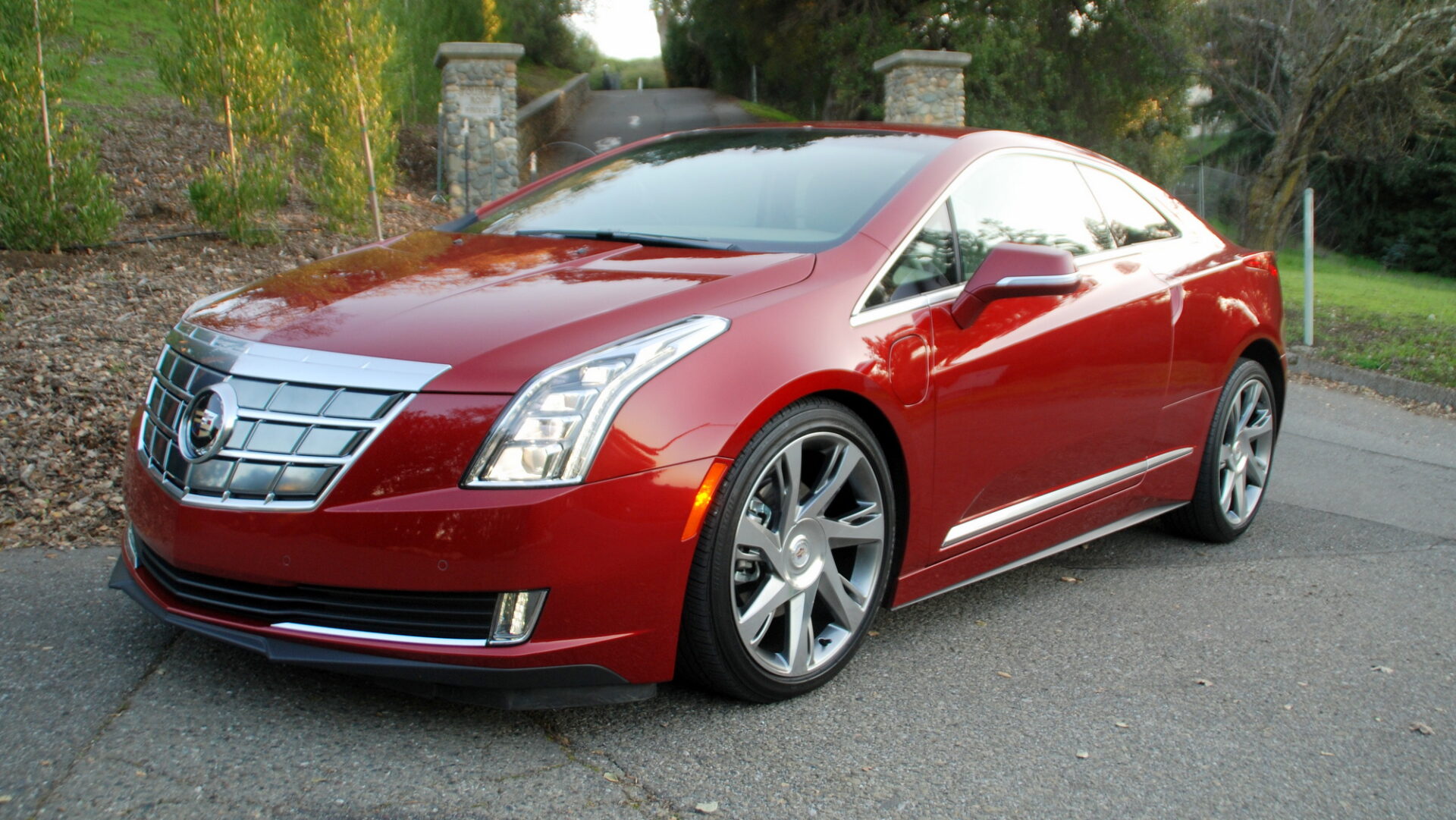
This week saw two of the largest auto companies in the world going two different ways when it comes to pricing their showcase plug-in electric cars. General Motors announced that it would price its extended-range electric Cadillac ELR at $75,995 when it goes on sale in January 2014. In contrast, the same week Toyota announced that it was dropping the price on its 2014 Prius Plug-in, which it considers the epitome of its current offerings. Price drops ranged from $2,000 on the base model to $4,620 on the Advanced version. With the price reduction, the Prius Plug-in now has a starting price before government incentives just north of $30,000.
The Nissan Leaf was the best selling plug-in car in July and has just lost the lead for the year-to-date electric car sales to the hot-selling Tesla Model S, another pure electric. It’s fair to say that where the Leaf is selling well, electric cars are selling well. Here are the Top 10 markets for Nissan Leaf sales.