
Electric vehicles (EVs) are gaining popularity wordwide amid tightening environmental laws, consumer demand and technological developments. Today’s EVs collect many insights, from people’s locations to driving habits and charging trends, increasing data privacy concerns. Although policy frameworks to protect EV data are evolving, information remains at risk of exposure. Viable solutions require a blend of regulation, technology and user awareness.
What Data Do Electric Vehicles Collect?
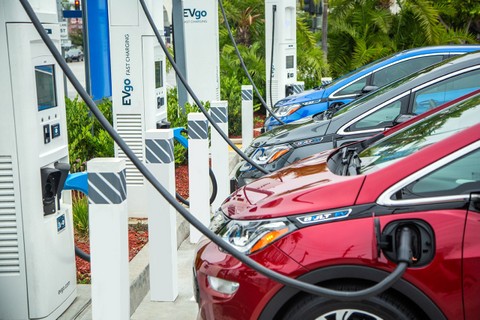
EVs gather insights about how owners drive, weight loads and recharging habits, which auto manufacturers use to improve promotions and their vehicle services, safety and functionality. However, data misuse is a concerning privacy risk. Charging stations also garner data through mobile phone applications and RFID cards. Insights typically include payment information, network use, location data and identifying demographics.
The surge in EV data collection through artificial intelligence (AI) analytics increases the demand for large-scale data centers. Expanding existing and AI-driven data hubs will likely increase electricity demand by 177 terawatt-hours by 2030, doubling 2023 levels and highlighting infrastructure and sustainability needs.
Key Data Privacy Challenges Facing EV Owners
Data breaches and unauthorized vehicle access are significant with EVs. Third-party data sharing with insurers, charging operators and app developers without user consent increases data vulnerabilities. Yet, differing privacy laws between international EV manufacturers may not fully protect EV consumers.
China’s use of cyber espionage makes cars by BYD and XPeng a precarious investment, although no evidence currently suggests that it uses EV data in this manner. This further underscores the lack of control some EV owners have over how their data is viewed and utilized.
The controller area network—which enables various vehicle components to communicate—is a central concern. Poor built-in security allows hackers to tamper with data and alter battery charging, potentially affecting how smoothly the car operates, reducing battery performance and hindering EV safety.
Regulatory Landscape for the U.S. and Canada

U.S. and Canadian regulations regarding EV data privacy are in their infancy. Currently, the California Consumer Privacy Act protects individuals’ information, giving them the right to know and delete what businesses collect from them and stop the sharing or selling of personal details. Without a blanket federal law, though, patchwork regulations at the state level are all consumers can rely on.
Canada’s Personal Information Protection and Electronic Documents Act also aims to protect data privacy, but gaps remain regarding cross-border rules and EVs. Oftentimes, the rapid development and adoption of EVs outpace policy updates.
Solutions and Best Practices for Protecting EV Data
EV manufacturers must prioritize consumer data privacy by employing robust encryption and minimizing collections only for what is necessary. Transparency about data use is also crucial to protecting users, while advancements in blockchain technology present new solutions for enhanced traceability and security.
Vehicle operators must regularly review their EV privacy settings and deliver consent before sharing data. Updating software will add additional safeguards by preventing vulnerabilities.
Finally, policymakers must develop new regulations that address EV data privacy concerns and offer protection through enforced compliance.
The Road Ahead for EV Data Privacy
The future of EV data privacy is as promising as it is challenging. As these networks become more connected, the risk of data exposure increases. Fortunately, new solutions and technologies are enabling safer data management. Collaboration between automakers, regulatory officials and consumers remains of the utmost importance to address issues accordingly.
