
This article may contain affiliate links
The Sweet Spot Between Hybrid and Electric
Almost any car feels great in the daily routine, living in the cycle: home, office, school, supermarket, home again. Twenty miles round trip is an almost ideal schedule, not setting any super tasks for the car. But once you go beyond the usual scenario and add to it, for example, a 400-mile trip to a festival, a trip to freezing weather or towing your favorite boat, everything becomes much more complicated.
Range vs. Flexibility: EV, PHEV or Hybrid?
Today’s eco-friendly commuter car is no longer only low emissions. It is a cool tool that simplifies and improves everyday life. In current realities, an electric car looks like the most obvious choice for the city. If there is home charging, it almost perfectly fits into the modern rhythm of both a resident of a metropolis and an inhabitant of a provincial town. At night the car charges, and in the morning it is fully ready for the trip.
The Hyundai Ioniq 6 is an example of how far technologies have advanced. According to the EPA, it can boast a range without recharging of up to 361 miles and a high-efficiency rating in MPGe. This is more than enough both for daily routes and many trips.
But a long road can sometimes put unpleasant questions before the driver. Where to find a fast charger? How many cars are already waiting in line for it? Will the charge leak out of the battery in winter like water from a leaky bucket?
In such situations, hybrid cars stop being strange centaurs and turn into a very practical solution.
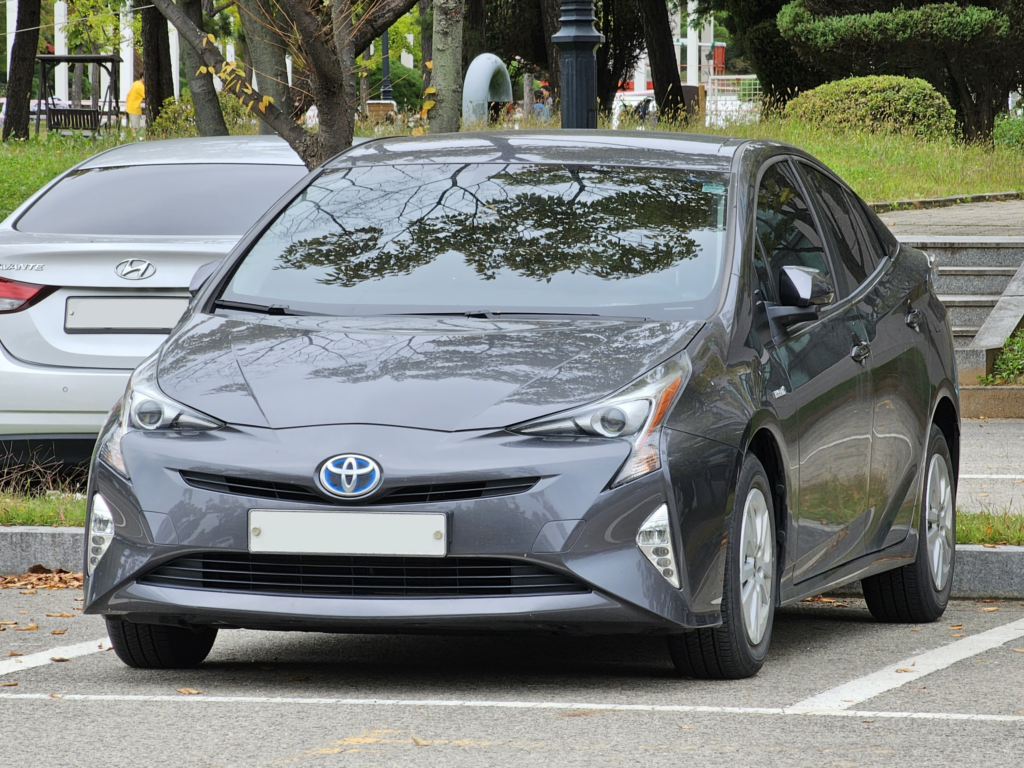
For those who are looking for a reliable hybrid for daily driving, the many-year bestseller Toyota Prius still looks almost like a standard. The car is absolutely honest and without dodging does everything it promises: low fuel consumption, problem-free operation and no dependence on the charging network (unless you get the plug-in hybrid version, although that one can also function without plugging in). According to the EPA, advanced versions of the 2024 Prius are characterized by consumption of up to 57 mpg combined. This is a serious argument not only for the city, but also the highway.
Reliability Factors in Green Cars
The economics of a “green” EV today is different than that of a classic vehicle with only an internal combustion engine. To begin with, it is important to understand that electric cars have fewer classic consumables. It does not need engine oil, spark plugs and filters changed. It has no exhaust system and no traditional gearbox. It sounds wonderful and it is, but with reservations.
The main hitch is hidden in the battery, which remains the number one place of concern. Its price can exceed a third of the total cost of the car, so it must be checked with maximum diligence if you’re looking at a used model.
Navigating the Used Car Market: the “Second Life” of Green Cars
When choosing best used EVs for commuting, it is worth looking not only at mileage, but also at charging history, climate conditions of operation, service book records and the remaining battery resource.
Before buying a used EV, PHEV or hybrid, you should definitely do a VIN check by state lookup. The thing is that the history of a car in the USA can noticeably differ from state to state. For example, California passed its Advanced Clean Cars II rules, whereby by 2035 model year, all new passenger cars must meet zero-emission requirements (the has been revoked by the EPA, but challenges continue in court). In other states, rules, incentives, registration practices and environmental requirements can be different. All this affects what records the car has and how transparent its biography is.
Best Options for 2024-2026
If we talk about options for 2024-2026, check out the following:
- Hyundai Ioniq 6. A successful choice for those who drive mostly in the city, have constant access to charging and want a full EV without experiments and compromises.
- Toyota Prius. A rational hybrid for drivers who need fuel-efficient road trip cars, but are not tied exclusively to electricity.
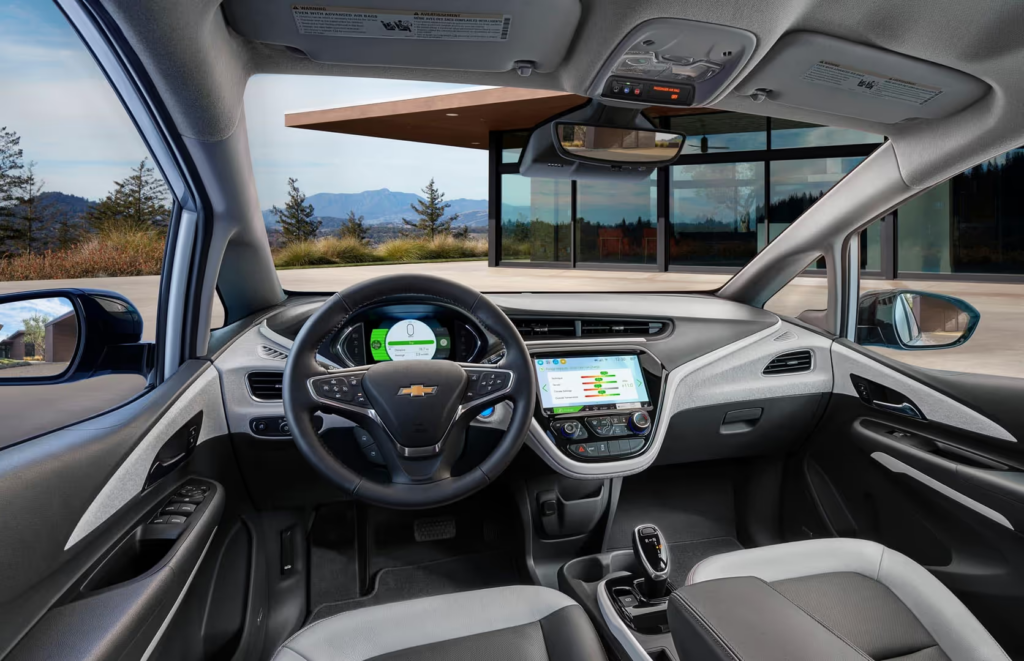
- Chevrolet Bolt EV. On the secondary market it can be a successful city option, if the battery, recall campaigns and service history are carefully checked.
- Toyota RAV4 Hybrid or Honda Accord Hybrid. Suitable for those who need a more universal car: family trips around the city and on the highway, travel with luggage or even with a trailer.
Conclusion: Sustainability Without Sacrifice
The most reasonable sustainable transportation choices are honest hard workers that simply work. Reducing expenses and reducing emissions do not require heroism from the owner. The main thing is to remember that, before buying such a car, you should do three things: check local incentives, evaluate the real charging infrastructure, and carefully study the history of the specific car. This is not the most romantic part of the deal, but later, there are fewer unpleasant surprises.
