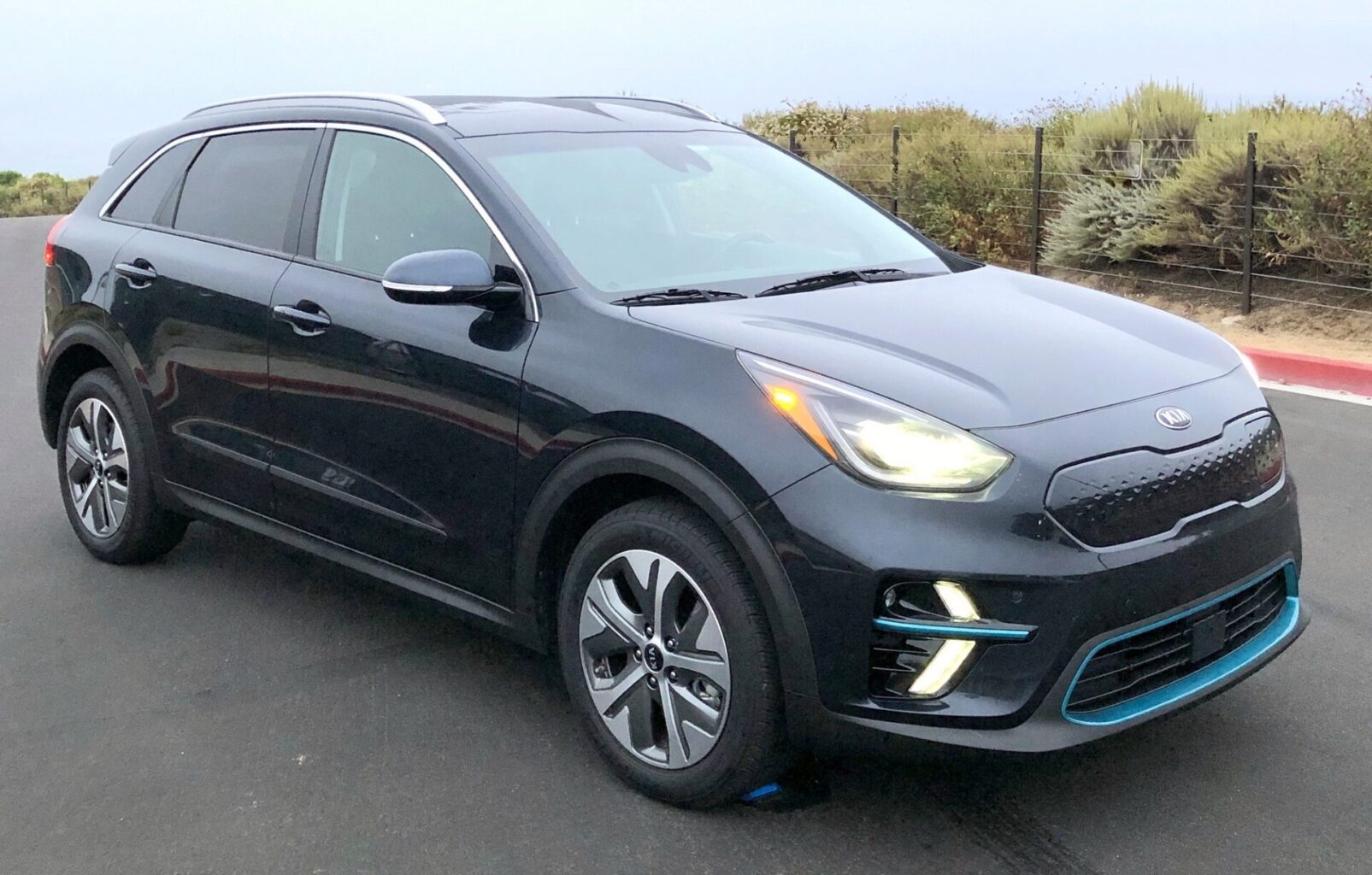
Road Test: 2020 Kia Niro EV EX Premium
Clean Fleet Report went for the completely gasoline-free experience by driving the 2020 Kia Niro EV EX Premium, which we found is a functional crossover that also handles great and is plenty zippy.

Clean Fleet Report went for the completely gasoline-free experience by driving the 2020 Kia Niro EV EX Premium, which we found is a functional crossover that also handles great and is plenty zippy.
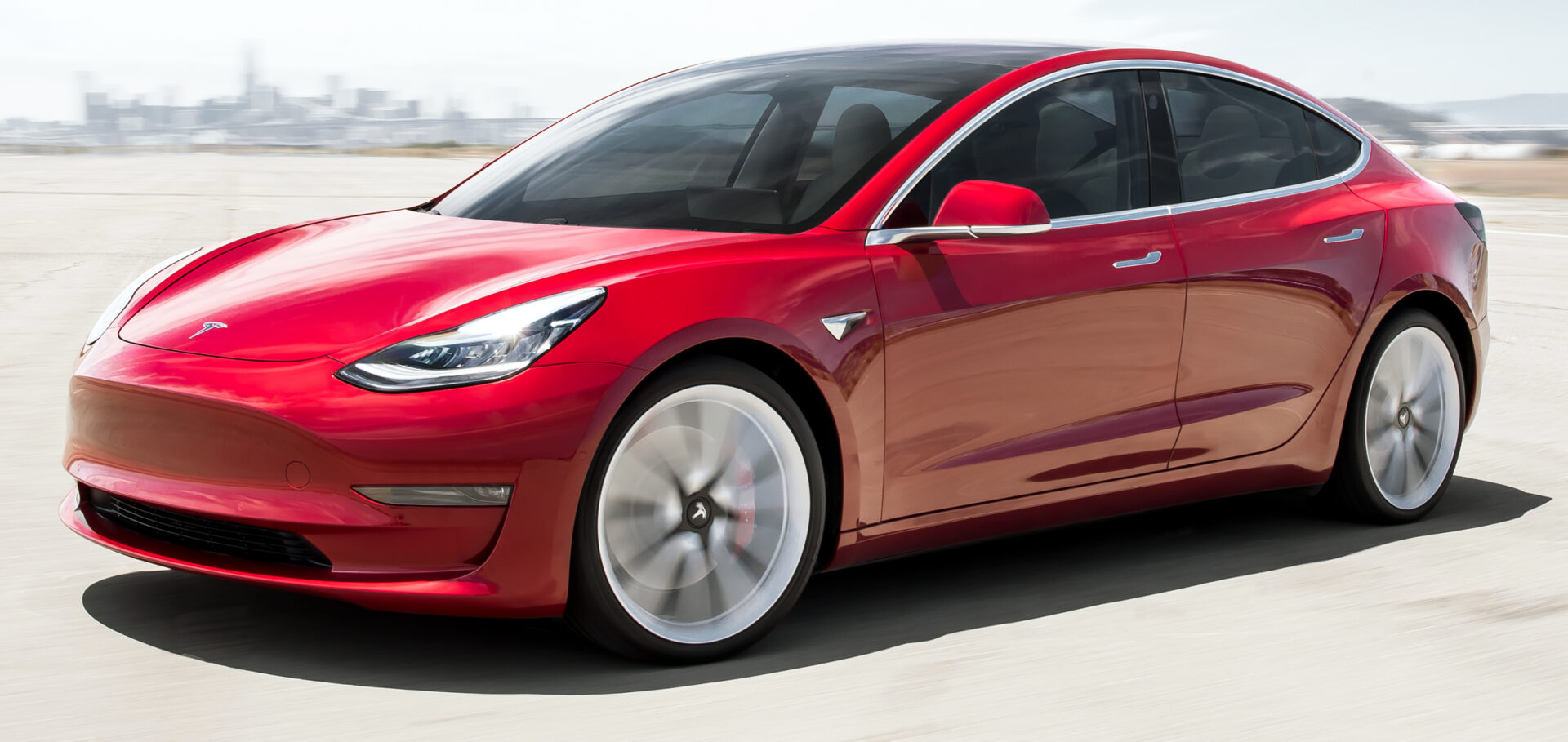
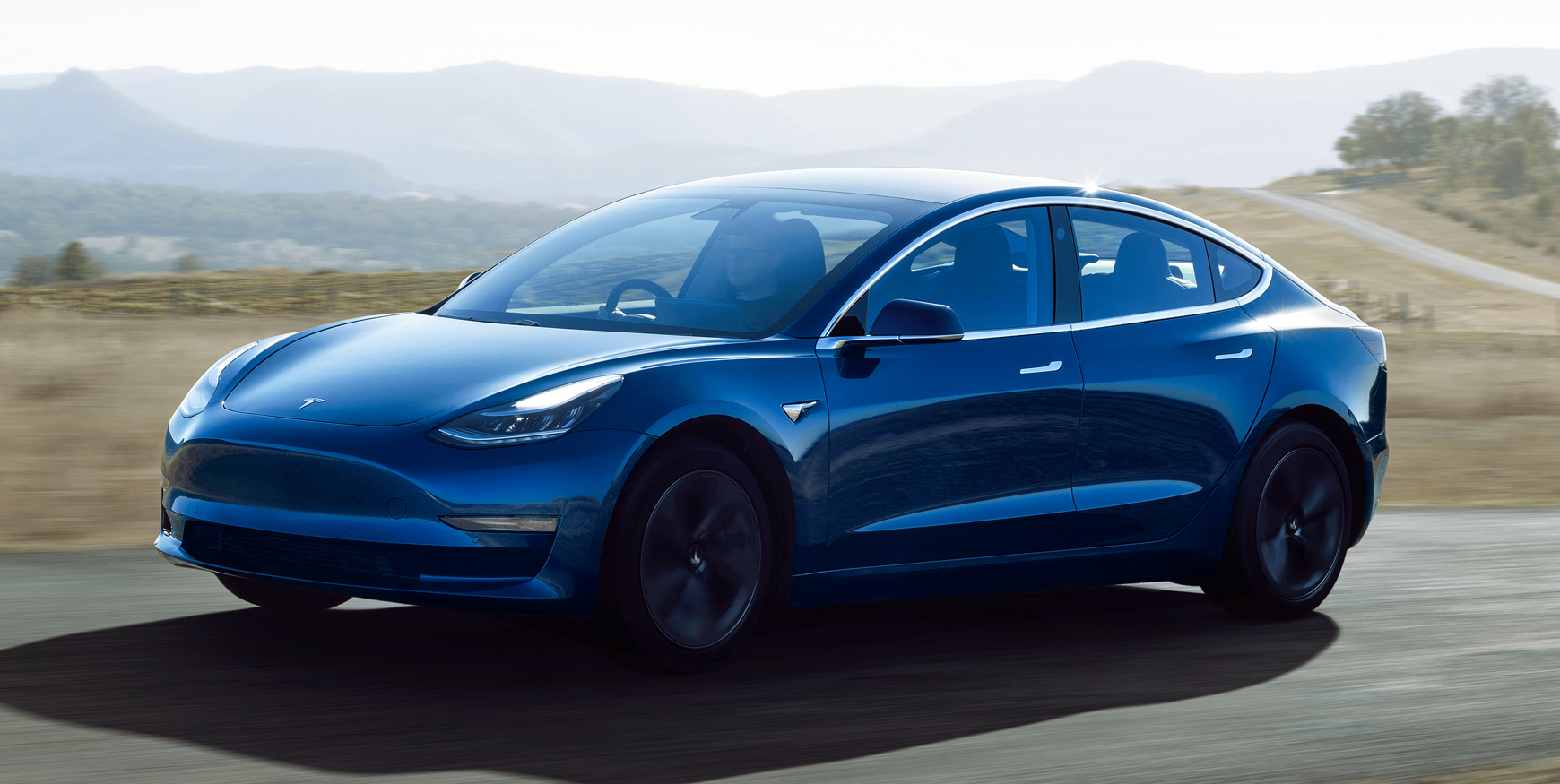
Two recent electric vehicle sales reports tell a similar tale—the Tesla Model 3 is dominating the market worldwide and in its home market of California, and other models and manufacturers have a lot of catching up to make it a competitive situation.
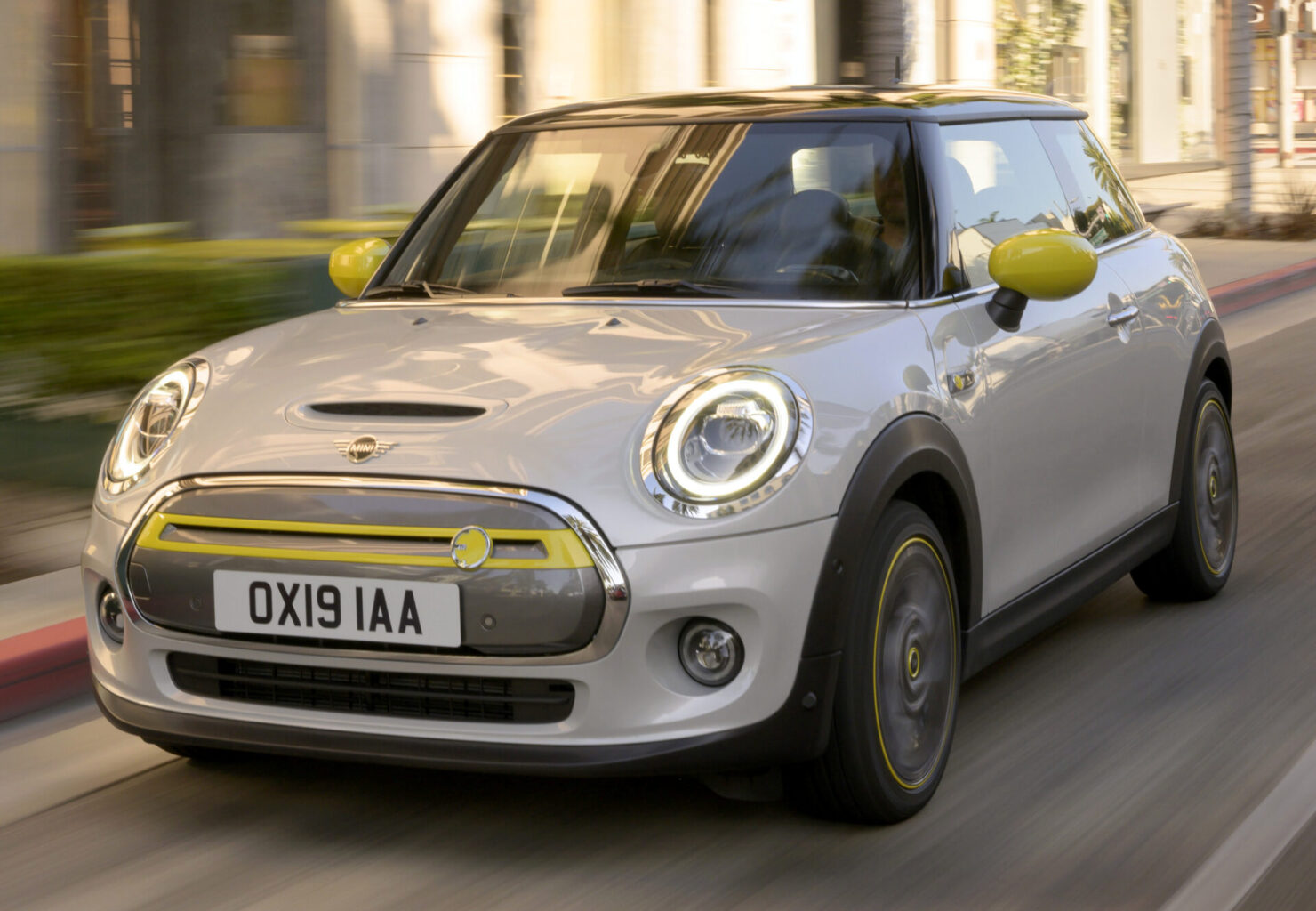
The 2020 Mini Cooper SE is the brand’s first production all-electric vehicle (EV). It delivers all the charm and fun of the premium small hatchback, which has built a following since its debut in 2001—without using a drop of petrol.
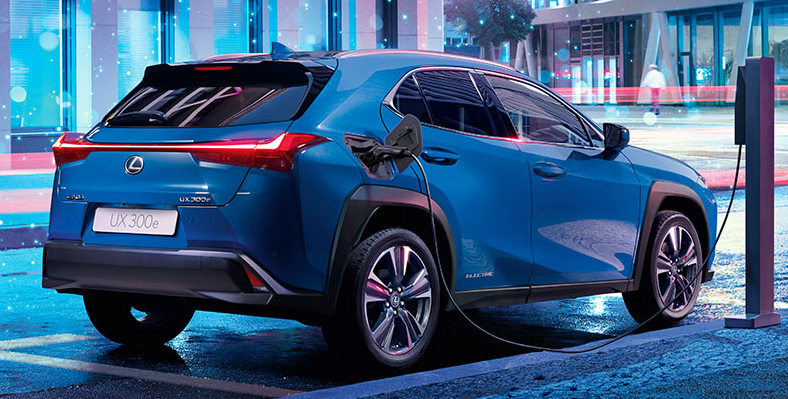
The Lexus UX 300e is a tidily sized crossover in a configuration that pre-COVID-19 was booming, so it should do well in the U.S. if priced right.
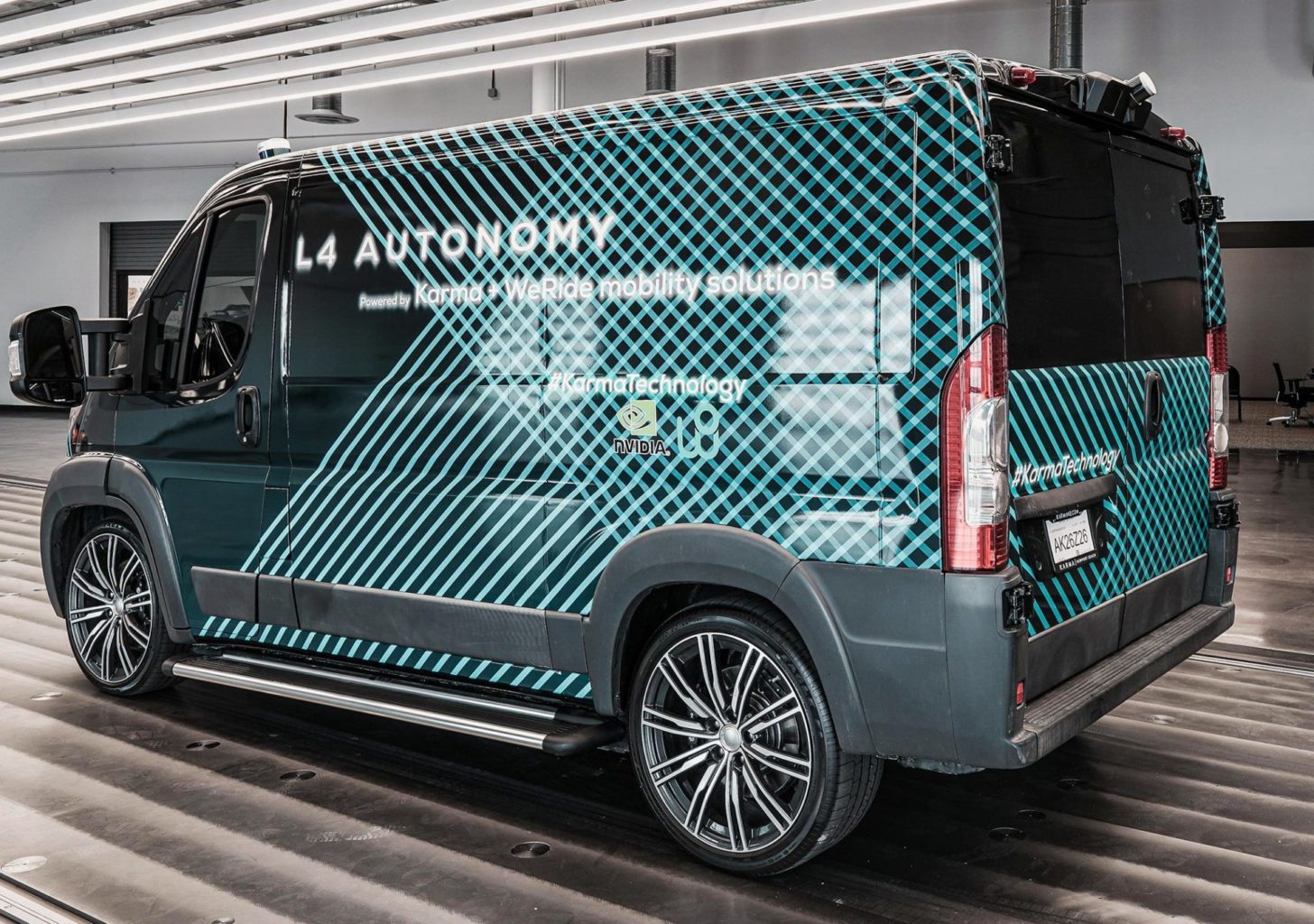
The Karma E-Flex Platform will help vehicle manufacturers to engineer, test, certify and build their EVs more quickly and efficiently–and that’s a good thing.
If you’re planning a road trip in an electric car, you’re going to want to make sure you’ve done plenty of planning and research first.
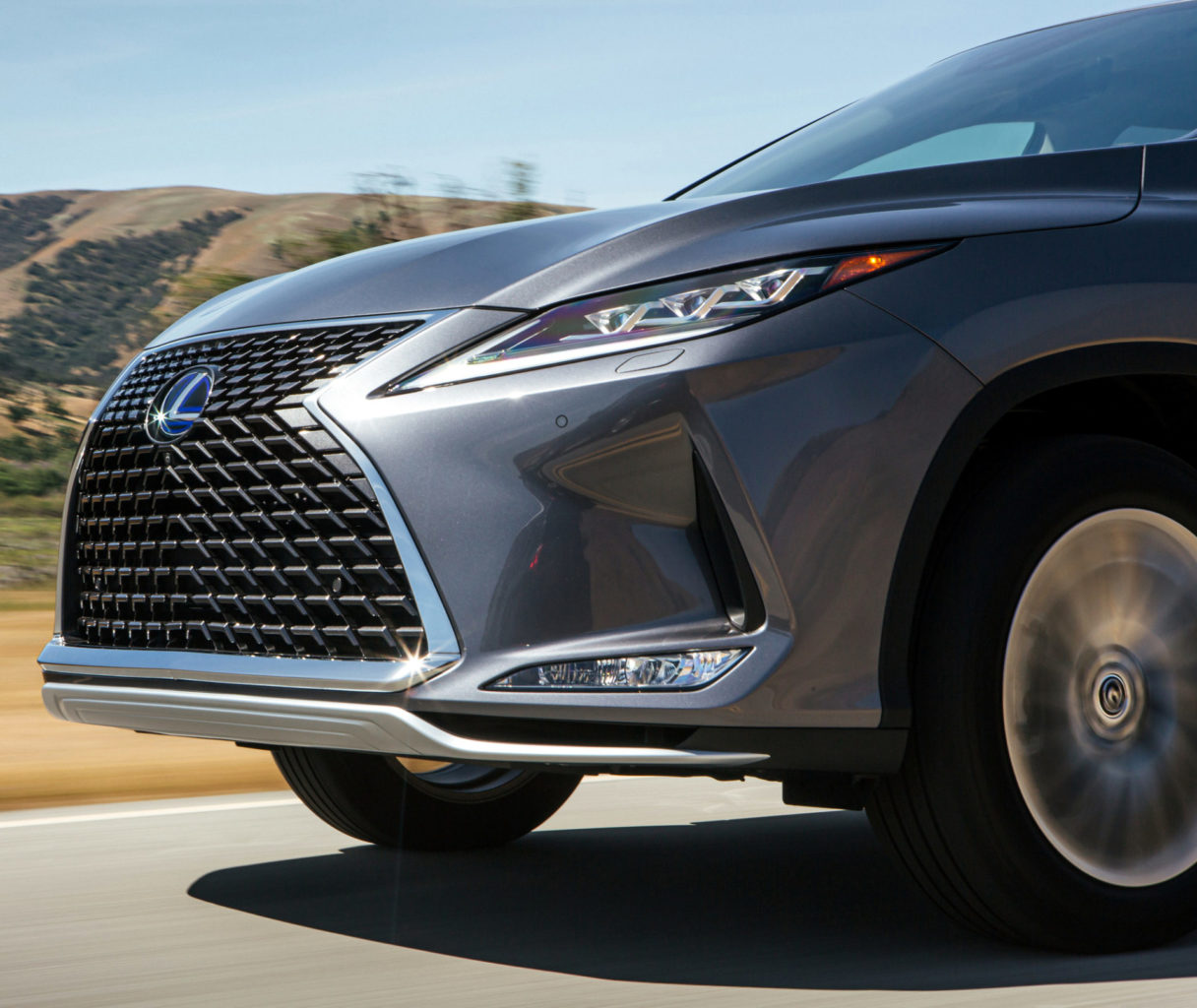
As automakers bring out more pure EVs and the charging infrastructure is built out, we must move away from hybrids and PHEVs entirely.

Electric cars are safer than conventional cars due to the fact they don’t carry highly combustible gasoline.
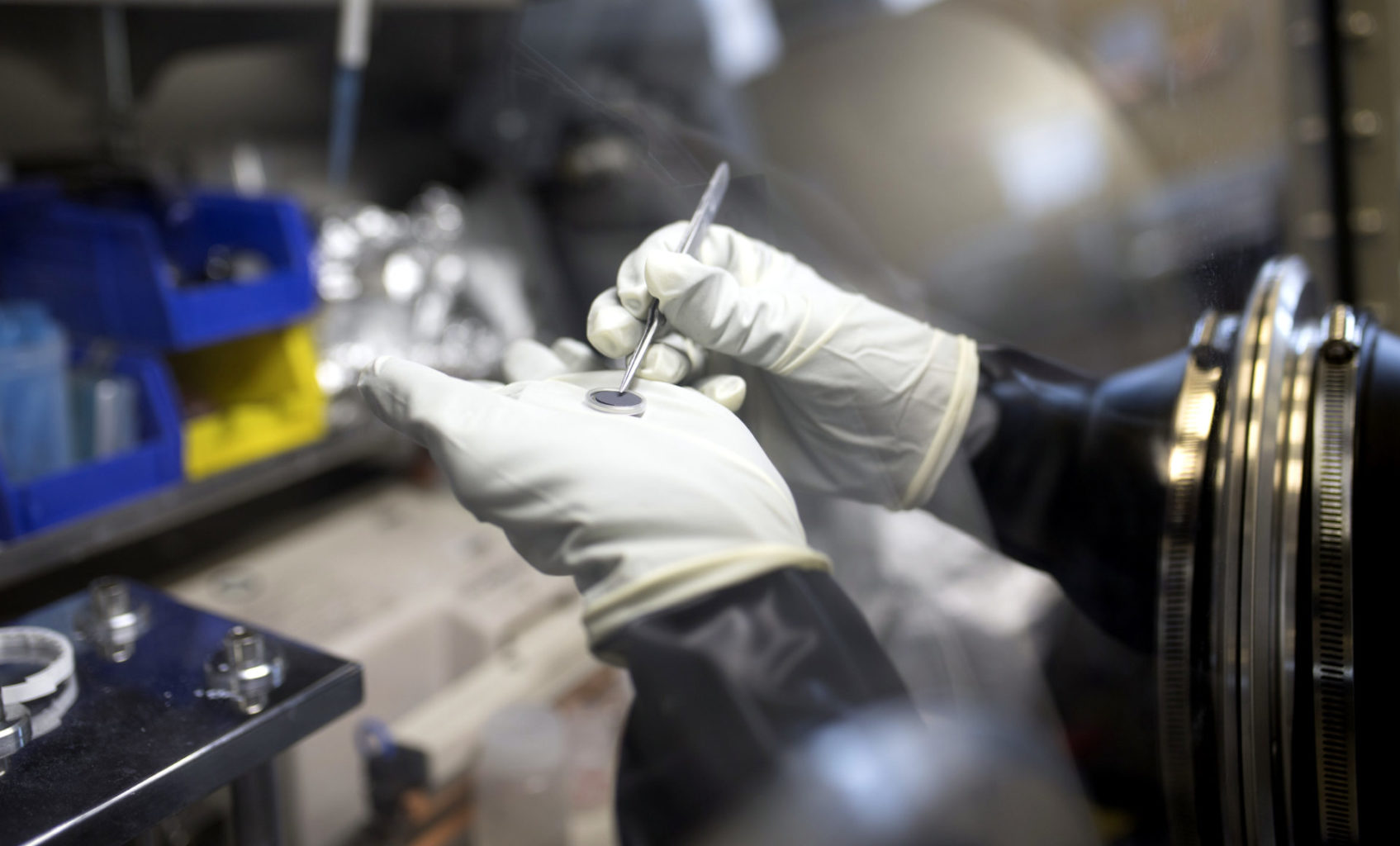
The next decade will bring battery startups into another stage of growth that’s as promising as the one we’ve just passed through.

Competition has always been a hallmark of the auto industry, but the move to embrace electric drive technology has driven even the most competitive companies to seek out partners to share costs and help speed new products to market.