
This article may contain affiliate links.
Electric vehicles (EVs) are rapidly becoming a common sight on roads across the United States. As more drivers transition to electric mobility, safety remains a critical topic. EVs bring advanced technology, instant torque, quiet operation and unique design characteristics that differ from traditional gasoline-powered vehicles. While these features offer many benefits, they also require drivers to adjust their habits and awareness behind the wheel.
Preventing accidents in an EV involves understanding how these vehicles operate and adopting safe driving practices that align with their technology. From managing acceleration to using driver-assistance systems responsibly, EV owners can take proactive steps to reduce risk. Learning these safety strategies helps drivers protect themselves, their passengers and everyone sharing the road.

Understanding the Unique Characteristics of Electric Vehicles
Electric vehicles behave differently from traditional internal combustion engine vehicles. One of the most noticeable differences is the instant torque EVs deliver when the accelerator is pressed. Unlike gasoline vehicles that gradually build power, EVs often respond immediately.
This responsiveness can surprise new drivers. Sudden acceleration may cause drivers to lose control if they are not familiar with how the vehicle behaves. Taking time to become comfortable with EV acceleration helps prevent abrupt movements that could lead to accidents.
Another key difference is regenerative braking. Many EVs slow down automatically when the driver lifts off the accelerator. This feature improves efficiency and extends driving range, but it can also change how drivers approach braking and stopping distances.
Drivers should practice using regenerative braking in safe environments so they understand how quickly their vehicle slows down.
Maintaining Proper Attention While Driving
One of the most important safety practices for EV owners is maintaining full attention while driving. Modern electric vehicles often include large touchscreens, advanced infotainment systems and integrated apps. While these features offer convenience, they can also create opportunities for distraction.
Managing In-Car Technology Responsibly
Many EVs rely on digital controls for climate settings, navigation, entertainment and vehicle configuration. Interacting with these systems while driving can divert attention away from traffic.
Drivers should adjust navigation routes, music selections or climate controls before beginning a trip whenever possible. Voice commands can also help reduce the need to look at screens. Remaining focused on the road significantly reduces accident risks.
Avoiding Mobile Phone Distractions
Smartphones remain one of the most common causes of distracted driving. Even brief glances at messages or notifications can delay reaction times. EV owners should silence notifications or activate “do not disturb” settings while driving. If communication is necessary, it is safer to pull over before responding.
Learning How Driver Assistance Systems Work
Many electric vehicles come equipped with advanced driver assistance systems designed to improve safety. These systems may include adaptive cruise control, lane-keeping assistance, automatic emergency braking and blind spot monitoring. While these technologies provide valuable support, they are not substitutes for attentive driving.
Understanding System Limitations
Driver assistance systems are designed to assist drivers, not replace them. Weather conditions, poor road markings or unexpected obstacles may prevent these systems from functioning perfectly. Drivers should remain prepared to take control of the vehicle at all times.
Keeping Hands on the Wheel
Some EV models include semi-autonomous driving features that allow the vehicle to manage steering or speed temporarily. However, most manufacturers require drivers to keep their hands on or near the wheel and remain alert. Ignoring this responsibility can increase accident risk if the system encounters a situation it cannot handle.
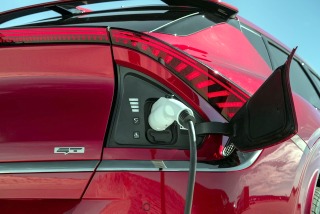
Practicing Safe Charging Habits
Charging is an essential part of EV ownership. While charging itself does not usually present safety concerns, drivers should remain aware of their surroundings when entering or leaving charging locations.
Public charging stations often exist in parking lots, retail centers or roadside areas where pedestrian activity may be high. Drivers should approach charging areas slowly and watch for pedestrians, cyclists, or other vehicles navigating the same space. Being patient while maneuvering around charging stations helps prevent minor collisions and improves safety for everyone.
Monitoring Tire Condition and Vehicle Maintenance
Proper maintenance plays an important role in preventing accidents. EVs are often heavier than comparable gasoline vehicles due to their battery packs. This additional weight can increase tire wear over time.
Drivers should regularly check tire pressure and inspect tires for signs of wear or damage. Maintaining correct tire pressure improves traction and braking performance.
Brake systems should also be inspected periodically, even though regenerative braking may reduce traditional brake use. Routine maintenance ensures that safety systems function properly and reduces the likelihood of mechanical problems while driving.
Staying Aware of Pedestrians and Cyclists
One unique aspect of EV operation is the quiet nature of electric motors. At lower speeds, electric vehicles produce significantly less noise than gasoline-powered vehicles. While this helps reduce noise pollution, it can also make it harder for pedestrians to detect approaching vehicles.
Drivers should remain especially alert in residential areas, parking lots and urban streets where pedestrian traffic is common. Slowing down and scanning surroundings carefully helps drivers notice people who may not hear the vehicle approaching.
Many EVs now include pedestrian warning sounds at low speeds, but driver awareness remains essential.
Adjusting Driving Habits for EV Performance
Electric vehicles provide smooth, powerful acceleration. While this performance can make driving enjoyable, it requires careful control. Sudden acceleration or aggressive driving increases accident risk and may also reduce battery efficiency.
Drivers should adopt smooth acceleration and braking habits. Maintaining consistent speeds and allowing extra stopping distance improves overall safety. These habits also contribute to better energy efficiency and longer battery range.
Preparing for Weather and Road Conditions
Like all vehicles, EVs can be affected by weather conditions such as rain, snow and ice. However, EV drivers may need to consider additional factors when driving in challenging environments.
Cold temperatures can affect battery performance and reduce driving range. Drivers should plan trips accordingly and ensure they have sufficient charge before traveling long distances.
Wet or icy roads require slower speeds and increased following distance. Drivers should rely on traction control systems, but avoid assuming technology can fully compensate for poor road conditions. Maintaining safe speeds and cautious driving habits helps prevent accidents in adverse weather.
Understanding EV Braking and Stopping Distances
One important safety consideration for EV owners involves understanding how braking works in electric vehicles. Many EVs use regenerative braking systems that convert kinetic energy into electricity when the driver releases the accelerator. This system helps recharge the battery and improve efficiency, but it can also change how drivers experience stopping and slowing down.

In some EV models, lifting off the accelerator causes the vehicle to slow more quickly than a traditional car would. This feature, sometimes referred to as “one-pedal driving,” allows drivers to control much of the vehicle’s speed using only the accelerator pedal. While many drivers appreciate the convenience and efficiency of this system, it requires practice to use it smoothly and safely.
Drivers who are new to EVs may initially misjudge how quickly their vehicle slows down. This can affect following distance, especially in heavy traffic. Practicing regenerative braking in a safe area can help drivers understand how the vehicle responds and avoid sudden changes in speed that might surprise drivers behind them.
Maintaining a safe following distance remains essential. Even though regenerative braking can slow a vehicle efficiently, drivers should still be prepared to apply the traditional brake pedal when necessary.
Using EV Driver Alerts and Safety Monitoring Systems
Modern electric vehicles often include driver monitoring technologies designed to improve safety. These systems can detect lane departures, monitor blind spots, and provide alerts when vehicles approach from the side or rear. Driver alert systems are especially helpful during long drives when fatigue may reduce reaction times. Some vehicles monitor steering patterns or driver behavior and provide warnings if they detect signs of drowsiness.
Lane departure warnings notify drivers if their vehicle begins drifting out of its lane without signaling. Blind spot monitoring can alert drivers when another vehicle is traveling in an area that may not be visible through mirrors. These systems provide helpful reminders that support safer driving. However, they work best when drivers treat them as assistance tools rather than substitutes for attention.
Drivers should remain aware of surrounding traffic at all times and avoid relying entirely on electronic alerts. Safety technology performs best when combined with responsible driving habits.
Planning Longer Trips with Safety in Mind
Long-distance travel in an electric vehicle requires additional planning compared with traditional vehicles. While EV charging infrastructure continues to expand, drivers should still plan routes carefully to ensure access to charging stations.
Trip planning apps and built-in navigation systems can help drivers identify charging stops along the route. Planning these stops ahead of time reduces stress and prevents last-minute decisions that could distract drivers while they are on the road. Drivers should also allow sufficient time for charging breaks. Rushing to reach a charging station when battery levels are low can lead to risky driving behavior, such as speeding or aggressive lane changes.
Charging breaks can also serve as valuable rest opportunities during longer trips. Taking time to stretch, hydrate and rest improves driver alertness and reduces fatigue. Fatigue is an often overlooked factor in vehicle accidents. Drivers who remain well rested are better able to respond to sudden traffic changes or hazards.
Safe Parking Practices for Electric Vehicles
Parking safety is another important consideration for EV owners. Because electric vehicles are quiet, pedestrians in parking lots may not notice an approaching vehicle as easily as they would with a gasoline-powered engine. Drivers should approach parking areas slowly and watch carefully for pedestrians walking between vehicles. Extra caution is especially important in crowded retail areas or residential neighborhoods.
When reversing, drivers should check mirrors and use backup cameras if available. Many EVs include sensors that detect nearby obstacles and provide warnings when objects or people are behind the vehicle. Although technology can assist with parking, drivers should still rely on careful observation and slow maneuvering.
Parking in designated charging areas should also be done responsibly. Drivers should ensure their vehicles are positioned correctly within marked spaces to avoid blocking access for others.
Educating New EV Drivers About Safety
As electric vehicles become more common, many households are introducing new drivers to EV technology. Teen drivers or individuals transitioning from gasoline vehicles may require additional guidance to understand the differences in vehicle operation.
Parents and experienced drivers can play an important role in teaching safe EV driving habits. Explaining how regenerative braking works, how quickly the vehicle accelerates, and how driver assistance systems function can help new drivers build confidence.
Practice sessions in low-traffic areas allow new drivers to become comfortable with the vehicle’s controls and responsiveness. Gradual exposure to more complex driving environments helps them develop safe habits before navigating busy roads.
Education also helps drivers understand the importance of minimizing distractions while using in-vehicle technology. Touchscreen controls, navigation systems and mobile connectivity features should be used responsibly. By helping new drivers understand these factors early, families and communities can promote safer driving behavior as EV adoption continues to grow.
The Role of Responsible EV Ownership
Electric vehicles represent an important shift in transportation technology. Their environmental benefits and advanced features make them an appealing option for many drivers.
However, safe operation remains the responsibility of every driver behind the wheel. Understanding the unique characteristics of electric vehicles allows drivers to adjust their habits and make informed decisions on the road. By staying attentive, maintaining vehicles properly, using technology responsibly and practicing thoughtful driving behavior, EV owners can reduce accident risks and contribute to safer roads for everyone.
Knowing What to Do After an Accident
Even the safest drivers may encounter unexpected situations on the road. Understanding how to respond after a collision is important for EV owners.
First, ensure that everyone involved is safe and seek medical assistance if necessary. Contact emergency services if injuries or significant damage occur.
Document the accident scene by taking photographs and collecting contact information from other drivers and witnesses. Reporting the accident to insurance providers as soon as possible is also recommended.
When accidents involve injuries or complex circumstances, drivers may benefit from speaking with experienced legal professionals, such as Naperville car accident lawyers, who can help individuals understand their rights and options following a collision.
Understanding Legal Support After an Accident
Navigating insurance claims and accident investigations can be challenging. Drivers may need guidance on how to protect their interests and pursue compensation for damages. Working with an experienced car accident attorney can help clarify the legal process and ensure that important evidence is preserved. Legal professionals may assist with accident reconstruction, insurance negotiations, and documentation of damages.
Seeking Professional Guidance When Necessary
When injuries or significant property damage occur, consulting experienced legal professionals can provide valuable support. Speaking with skilled auto accident attorneys may help drivers understand claims related to medical costs, lost income, or vehicle repairs. Legal guidance can help ensure that accident victims receive fair treatment during the claims process.
Promoting Responsible Driving in the EV Community
As electric vehicles continue to grow in popularity, responsible driving habits become increasingly important. EV drivers play a role in shaping how these vehicles are perceived on the road.
By staying attentive, respecting traffic laws, and using vehicle technology responsibly, EV owners can help reduce accidents and improve safety for all road users.
Educational outreach and public awareness also contribute to safer driving environments. Manufacturers, safety organizations, and drivers themselves can work together to promote best practices.
As EV adoption expands, combining advanced vehicle technology with thoughtful driving behavior will remain one of the most effective ways to prevent accidents and create safer roads.
