
This article may contain affiliate links.
Driver-assist technology has changed how people drive. Features like adaptive cruise control, lane-keeping and automatic emergency braking make driving easier. However, when a crash occurs and a driver says, “The car was driving,” it complicates matters. Insurers, police and juries want to know who is responsible—the driver, the technology or both?
In most accidents with driver-assist systems, human choices are key: attention, speed, road conditions and proper use of the technology. Some crashes raise concerns about the technology’s limits or design issues. If you are injured and the other party blames the technology, it may be time to consult with an experienced car accident lawyer like those in Deer Park, Texas, to help determine the law’s expectation for drivers and when a manufacturer might also be liable.
Driver Assist vs. Self-Driving: A Critical Difference
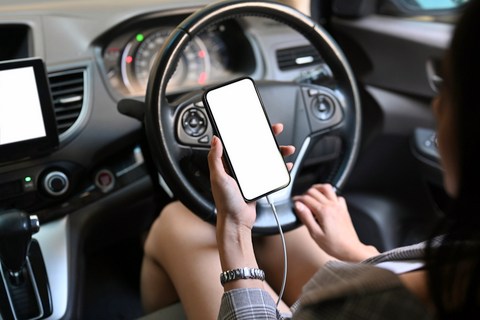
Most vehicles on the road today are not fully self-driving. Many systems are called driver-assist, which means they can help with steering, braking or maintaining speed. However, the driver still needs to watch and be ready to take control at any time. [Ed. note: Autopilot is Tesla’s trademarked advamced driver-assistance system, which is used here generically.]
This is important because drivers often trust these systems too much. Marketing terms can create a false sense of confidence. Legally, the driver is usually responsible for driving safely unless the vehicle is in a recognized autonomous mode with clear rules about responsibility.
The Default Rule: Drivers Usually Remain Responsible
Typically, the driver is considered responsible for controlling the vehicle. If a car hits another from behind while using cruise control or drifts into a different lane with lane assist on, the driver is usually blamed, especially if they weren’t watching the road.
Insurance companies often argue that the driver misused the system or wasn’t attentive, especially in tricky situations like construction zones or heavy rain. Even if the system played a role, the driver’s inattention is usually the main concern.
When Tech Becomes Part of Fault Analysis
Technology becomes important in legal cases when it affects how an accident happened or what the driver thought the system would do. If a driver-assist feature misses a stopped vehicle, brakes too late, or makes an unexpected turn, this behavior can be part of the investigation.
However, this does not automatically mean the driver is not at fault. The key question is whether the driver acted reasonably based on what the system can and cannot do. In this situation, warnings, manuals and on-screen messages can play an important role.
Common Crash Scenarios Involving Driver Assist
Certain patterns show up repeatedly in driver-assist crashes:
- Rear-end impacts where adaptive cruise control fails to slow in time
- Lane departure crashes occur when lane keeping drifts or disengages unexpectedly
- Intersection collisions where drivers assume the system will “see” cross traffic
- Construction zone crashes where lane markings confuse sensors
- Low visibility crashes where rain, fog, sun glare or dirt blocks cameras/radar
- Stopped-object crashes where systems struggle with stationary hazards
What “Misuse” Looks Like in Real Life
Misuse doesn’t always mean reckless behavior. It can mean normal behavior that becomes unsafe when paired with over-reliance on tech, such as:
- Taking your hands off the wheel for extended periods
- Looking at a phone because the car feels “in control.”
- Using assist features on roads they aren’t designed for
- Ignoring repeated prompts to retake control
- Failing to maintain a safe following distance while trusting the system to brake
When the Manufacturer (or Tech) Could Share Fault
There are situations where liability may extend beyond the driver, particularly when there is evidence of a defect, inadequate warnings or misleading design. Examples include:
- A system that behaves unpredictably under normal expected conditions
- A design that encourages over-trust without adequate safeguards
- A failure to warn clearly about known limitations
- A malfunction linked to software updates or sensor defects
- A pattern of similar failures documented in complaints, recalls or investigations
The Role of Maintenance, Calibration and Repairs
Driver-assist systems rely on sensors and cameras that must be properly calibrated. After a windshield replacement, bumper repair, collision or even certain alignments, sensors may need recalibration. If a shop fails to calibrate properly, system performance can be affected.
That means liability could involve a third party, such as a repair facility, if poor work or skipped calibration contributed to the crash. Maintenance records can become important evidence in these disputes.
Evidence That Matters in Autopilot/Assist Crashes
Because these cases involve technology, evidence needs to be preserved quickly. Helpful evidence can include:
- Vehicle event data (speed, braking, steering input)
- Driver-assist status logs (engaged/disengaged, warnings)
- Dashcam footage or onboard camera recordings
- Phone records (to assess distraction allegations)
- Repair/calibration records
- Crash scene photos and roadway conditions
- Witness statements describing driving behavior before impact
Comparative Fault: When More Than One Party Shares Blame
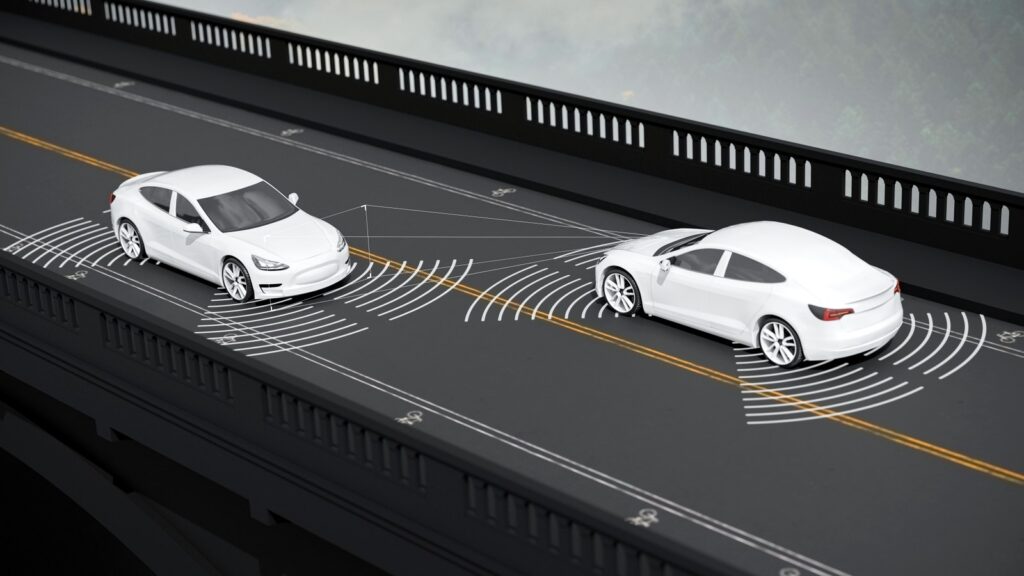
Both the driver and the technology provider can share responsibility. For instance, a driver might rely too much on a system that unexpectedly fails.
In these cases, the focus is on demonstrating each party’s role and maximizing coverage, especially when injuries are serious and damages exceed a single insurance policy’s limits.
What Injured People Should Do After a Driver-Assist Crash
If you were injured in a crash involving driver-assist features, the best steps are similar to any injury case—but with added attention to preserving tech evidence:
- Seek medical care promptly and follow up consistently
- Photograph all vehicles, road markings and visibility conditions
- Request the police report and note any tech-related statements
- Avoid speculation on the scene about what the system “did”
- Preserve your vehicle if you own it and don’t authorize repairs too quickly
- Keep repair estimates, towing records and insurance communications
Tech Changes the Story, Not the Need for Accountability
Driver-assist systems can make driving easier, but they don’t remove your responsibility if something goes wrong. In many accidents, the driver is still at fault because they must supervise, and make safe choices. Sometimes, technology problems or defects can lead to more liability, requiring careful investigation.
If a driver-assist system is involved, the situation isn’t just about “who hit whom.” It’s about the actions of the driver and the vehicle, and whether the technology worked as expected. Gathering the right facts makes it clearer who is responsible and how to seek compensation.
