
This article may contain affiliate links.
You bought a Tesla for the technology. For the safety ratings. Then a battery warning flashed on your dashboard, something started smelling like smoke under the floorboard or you spotted your model on a recall list. Lithium-ion packs store a lot of energy in a tight space. When they fail, the results aren’t minor.
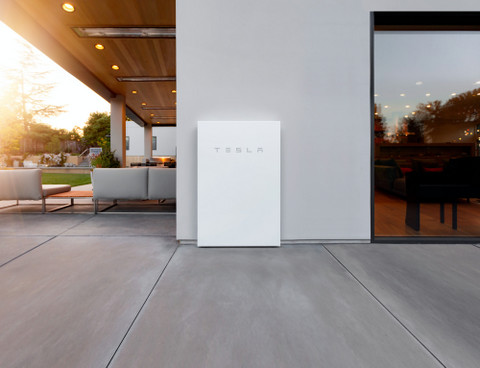
The U.S. federal National Highway Transportation Safety Administration (NHTSA) issued multiple battery-related recalls for Tesla in 2025 and 2026 alone. October 2025: 12,963 vehicles recalled (2025 Model 3 and 2026 Model Y) over a defective battery pack contactor. The InTiCa solenoid could suddenly open while driving, killing the driver’s ability to accelerate. January 2026: another recall covering 2023 through 2025 model years, where high-voltage battery modules could experience thermal propagation (basically a chain heat reaction that can start a fire). The federal Consumer Product Safety Commission also recalled roughly 10,500 Powerwall 2 units in November 2025 after 22 overheating reports, six smoking incidents and five fires.
These are documented recalls with NHTSA campaign numbers. Everyone means someone was driving a car with a potentially dangerous defect. Battery failure cases are, honestly, more complex than a typical crash. You’re dealing with onboard data that needs forensic extraction, battery system experts who can interpret it and product liability law most firms don’t touch. A seasoned Tesla accident lawyer knows how to access that data and build a case against the manufacturer. But before you pick up the phone, it helps to understand how these failures happen, what the warning signs look like, and what to do in those first few minutes when the clock is already running.
How a Tesla Battery Catches Fire
Thousands of individual cells sit sealed under the vehicle floor in a lithium-ion pack. When one cell fails, it heats uncontrollably. It could be a manufacturing defect. It could be something hitting the undercarriage hard enough to crack the casing, a cooling system that quit or just a fault during charging. The result is thermal runaway: the overheated cell vents superheated gases that ignite neighboring cells, and within seconds the chain reaction engulfs the entire pack.
These batteries burn at up to 1,200° C (more than 2,000° F. A gasoline fire sits between 300 and 400° C (750° F). Firefighters need thousands of gallons of water on a single EV battery fire, and even after full suppression the pack can reignite hours later. Sometimes a full day later, which most people don’t expect from a car fire.
Tesla’s global data shows one fire per 135 million miles traveled between 2012 and 2023. The nonprofit National Fire Protection Association (NFPA) and federal DOT put that figure at one per 17 million miles for gasoline vehicles. To be fair, EVs catch fire less often. But when they do, the fire behaves differently.
Warning Signs to Watch For
Batteries rarely ignite without advance warning. Early symptoms just look like glitches, which is why people ignore them. Don’t ignore these:
- Unusual heat from the car during or after charging
- Battery or charging warnings in the Tesla app or dashboard
- Burning smell, smoke, crackling or popping from underneath
- Sudden range loss with no obvious explanation
- Unexpected drop in power or system shutdowns
Even one of these means stop driving. Pull over somewhere safe, get out and call for help.
What to Do If the Battery Catches Fire
Get everyone out of the car and at least 100 feet away. Lithium-ion fires release toxic gases, and cell ruptures can send superheated fragments flying. Call 911 and tell the dispatcher it’s an electric vehicle fire. Fire crews follow different protocols for EVs. A standard extinguisher won’t do anything. Not on lithium-ion.
Once the scene is safe, start preserving evidence. Photograph the car, the fire scene and all visible damage. Don’t let anyone haul the vehicle away or authorize disposal until you’ve talked to an attorney. Keep the fire department report.
Request service logs and software update history from Tesla. The onboard computer records battery health, temperatures and cooling system performance. All of that is evidence in a defect claim.
Tesla controls access to that data, and without legal pressure the company won’t hand it over. That evidence gap is what drags down Tesla crash settlement amounts because your case comes down to what you can actually prove.
Your Legal Rights
A fire caused by a battery defect is a product liability case. You don’t need to prove Tesla knew about the problem. Show the vehicle was defective and the defect caused harm.
Multiple parties can be on the hook. Tesla itself, for design or manufacturing defects in the battery pack. Component suppliers, if someone else manufactured the faulty part (that InTiCa contactor, for instance). And charging equipment manufacturers if the fire traces back to a defective station.
Compensation covers burn treatment, smoke inhalation care, long-term rehab, lost wages, destroyed property (including your home if the car caught fire while charging) and pain and suffering. If evidence shows Tesla knew about the issue and delayed a recall or software fix, a court can award punitive damages on top.
Tesla fights back hard. Unauthorized modifications, third-party charging equipment or damage from a prior wreck could be used to divert attention from a battery defect. They’ll look for any way to shift blame. That’s why preserving the vehicle and its onboard data matters. From what we’ve seen, an independent expert needs to get to the vehicle before Tesla’s legal team controls the narrative.
Don’t Wait Until the Evidence Disappears
Digital logs get overwritten. Physical evidence vanishes once a car is scrapped. Acting promptly with trusted legal advisors who know this territory is critical.
