
This article may contain affiliate links.
Lane-keep assist was supposed to make driving safer.
But what happens when the tech actually fails?
Such systems are appearing in almost every new car these days. Most systems work by using cameras to detect lane markings. When the car begins to drift, the system gently pushes the steering wheel back.
When it works, it can save lives. When it doesn’t? It can cost them.
Lane-keep assist malfunctions: A growing legal & safety nightmare. Victims have one question:
Who pays when the technology fails?
What you’ll discover:
- What Lane-Keep Assist Actually Does
- How Often These Systems Really Fail
- When Drivers Are Held Responsible
- When Manufacturers Are On The Hook
- The Real Reasons Lane-Keep Assist Breaks Down
- Steps To Take After A Malfunction Crash
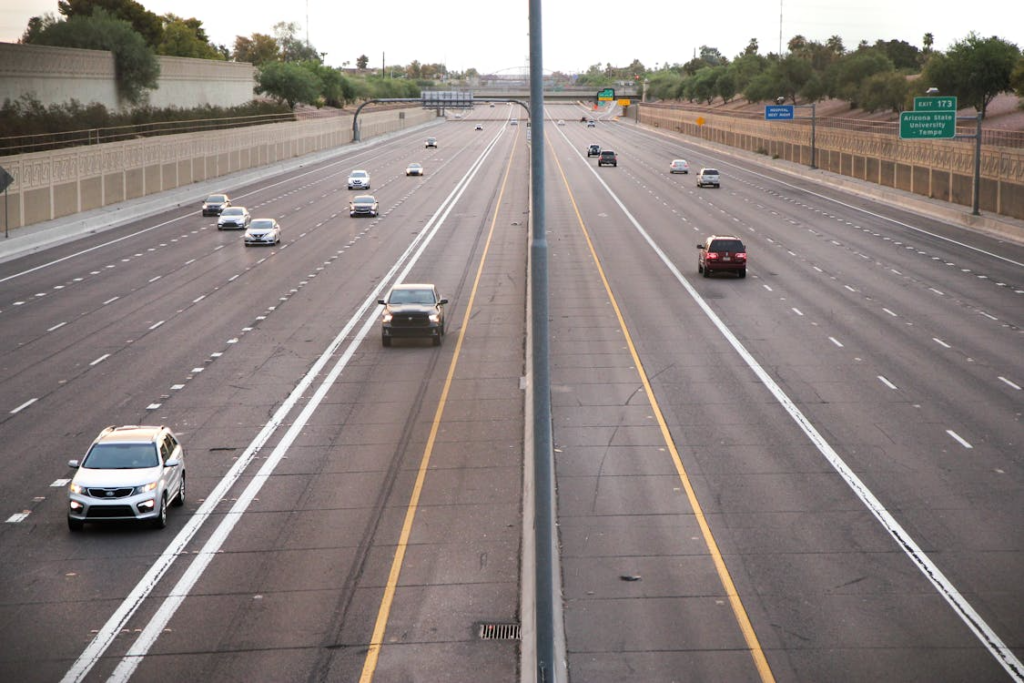
What Lane-Keep Assist Actually Does
Lane-keep assist (LKA) is a part of an advanced driver-assistance system (ADAS). LKA systems use a front-facing camera to monitor lane lines on the road. When the vehicle drifts, the system makes slight steering corrections to keep the vehicle in its lane.
This is not to be confused with lane departure warning. The previous system only warns the driver with a beep or vibration. Lane-keep assist takes corrective action.
Pretty cool in theory, right? But here’s the catch. LKA is NOT an autonomous driving function. It’s an assistant. The driver must remain fully attentive and maintain control of the car at all times.
How Often Does Lane-Keep Assist Actually Fail?
A lot more often than most people realize. A surprising AAA study found that 73% of all reported ADAS performance problems involved lane assistance. That is a staggeringly high percentage for a system designed to prevent accidents.
The same AAA study also found drivers had one negative encounter for every eight miles driven on average. Every. Eight. Miles.
On the other hand, NHTSA data shows vehicles that are equipped with lane keep assist were 24% less likely to be involved in an accident that is related to unintentional lane departure. All good so far. So lane keep assist works when it works. The issue is that it doesn’t work all of the time.
Lane-keep assist is spotty at best. That unreliability is the problem.
When the Driver Is Responsible
Lane-keep assist is intended for the safety of a sober, alert driver. It’s not a safety net for a reckless one.
If a driver crashes while:
- Texting or scrolling on their phone
- Taking their hands off the wheel completely
- Ignoring clear system alerts and warnings
- Driving drunk or impaired by drugs
Responsibility falls squarely on them.
It certainly does ring true with drunk driving. Some people appear to believe that technologies like lane-keep assist will “catch” them if they get behind the wheel after a few too many drinks. It’s a dangerous, and deadly, belief. Drunk driving killed 12,429 people on U.S. roads in 2023. No amount of tech can replace common sense if someone is intoxicated. A qualified drunk driving accident attorney can help victims prove fault when an impaired driver causes an accident, especially when the at-fault driver is pointing fingers at their vehicle’s tech. As an example, in Minnesota, a Minneapolis auto accident attorney team has experience handling cases when both impairment and faulty tech play a role.
Drivers have a responsibility to remain in control. Technology does not absolve that responsibility. Not even close.
When the Manufacturer Is Responsible
Sometimes the driver does everything right and the system still fails. That is when manufacturer responsibility kicks in.
There are also lawsuits being filed over lane-keep assist problems against major automakers. The reported problems are:
- Sudden steering corrections that pushed drivers straight into danger
- False activations that made the car swerve without reason
- Systems shutting down completely without any warning
- Failure to engage when the feature should have worked
When a product is defective and people are injured, the manufacturer can be held responsible. This is known as product liability. It includes design defects, manufacturing errors and inadequate warnings.
Automakers sell these features as safety nets. They need to take responsibility when they don’t work.
The Real Reasons Lane-Keep Assist Breaks Down
So why do these systems fail so often?
A new empirical study into real world incidents with production cars classified LKA failures into three major categories:
- Perception errors: the camera cannot see the lane properly
- Planning errors: the computer misjudges the whole situation
- Control errors: the steering input is flat-out wrong
Road conditions make these errors way more likely. Common triggers include:
- Faded or missing lane markings
- Snow, rain or heavy fog covering the lines
- Sharp curves in the road
- Low contrast between pavement and paint
- Construction zones with shifted or temporary lanes
Fresh paint under the sun? The system works, most of the time, just fine. Try real roads, and real life conditions, and it starts to get a bit messy.
It also discovered that LKA consistently follows a fixed lane-centering path, a trait that makes the car tend to drift outward on curves. In contrast, human drivers naturally steer slightly inward on the same curves. The software does not.
Steps To Take After a Malfunction Crash
If a lane-keep assist failure caused a crash, what happens next really matters.
Here is what victims should do right away:
- Get medical help immediately, even for minor injuries
- Take lots of photos of the scene, the vehicle and the lane markings
- Do NOT scrap or repair the vehicle—it holds key evidence
- Request the onboard computer and dashcam data
- Speak with an experienced attorney who understands ADAS claims
Today’s cars are data-rich environments. This data can reconstruct, with precision, the actions of the vehicle in the seconds leading up to the collision. It can make the difference between a denied claim and a multimillion-dollar settlement.
Time matters too. Evidence disappears. Witnesses forget. Statutes of limitation run out. The sooner a victim acts, the stronger their case will be.
Final Takeaways
Lane-keep assist is intended to help drivers travel safely. If it functions correctly, it can unequivocally avert serious accidents. It malfunctions far more frequently than automakers readily acknowledge.
The truth is this:
- Drivers are responsible for driving
- Manufacturers are responsible for building tech that actually works
- Victims are responsible for protecting their own rights after a crash
The driver and the automaker can both be at fault for a crash. Figuring all of that out takes experience with crash investigations, vehicle data and product liability law.
If a lane-keep assist failure contributed to an injury or fatality, the victim need not sort it out alone. A seasoned drunk driving accident lawyer or auto accident attorney can examine the facts, extract the data and hold the appropriate party accountable—whether that be a reckless or impaired driver, a negligent manufacturer or all three.
Technology should protect people. When it fails them, the law should step in.
