
This article may contain affiliate links.
Floods anywhere do not ask permission, but Houston is a dramatic case. When the water drops, you may find your truck with a brown ring around the doors and a smell you cannot shake. Getting quotes feels like the obvious next step, but each offer will only be as good as the information you hand over. A little preparation before the first call keeps you from leaving money on the table or wasting days on back-and-forth questions. This guide walks you through what to record, photograph and gather so every quote reflects the truck you actually have.
Why Buyers Price a Flood Truck from Your Paperwork
A buyer looking at a flood-damaged truck has almost nothing to go on except what you can show them. They cannot start it, test the electronics or trust the odometer the way they would with a normal used truck. Services that promise you can sell your truck fast in Houston or elsewhere still ask for the same core facts as a salvage yard or a private buyer, so having them ready turns a week of calls into one conversation.
Think of your documents as the inspection the buyer cannot do in person. Clear records of how deep the water got, how long it stayed, and what you did afterward let a buyer price the truck with confidence instead of padding the offer for risk. Gaps in your story get filled with a worst-case guess that comes out of your pocket.
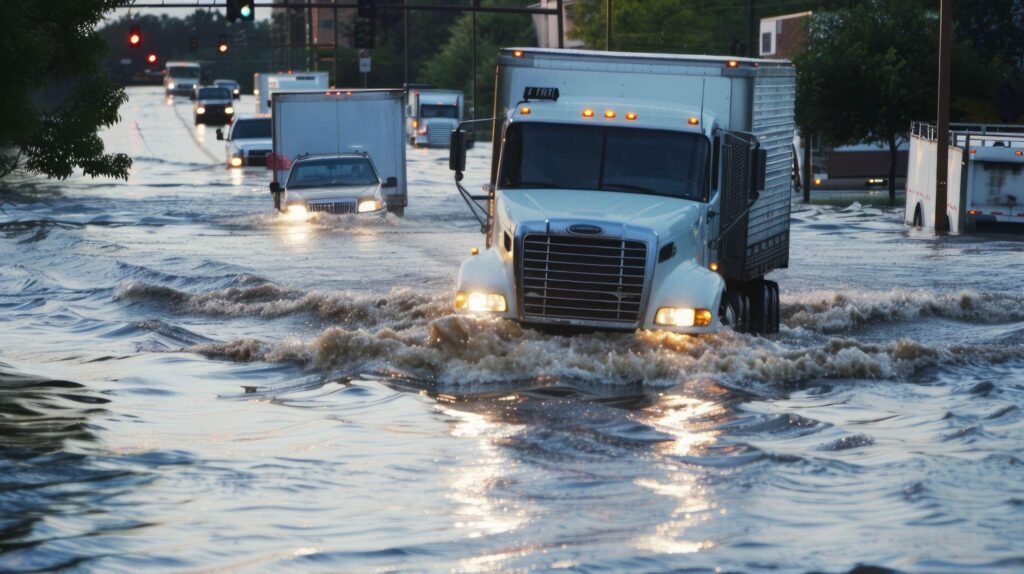
Record the Water Line and the Timeline
Before you clean anything, mark where the water reached and when it got there. Floodwater leaves a tide line on the doors, seats, and dash, and that line tells a buyer whether the damage stopped at the carpet or climbed into the wiring and the engine’s air intake. Write the details down in plain terms rather than trusting your memory:
- Water height – measure from the ground to the tide line and note which panels it crossed
- Time submerged – estimate how long the water stayed above the floorboards
- Water type – fresh rain runoff, bayou overflow or anything that could have carried salt or fuel
- What happened next – whether you tried to start it, moved it or left it alone
Photograph Everything Before You Touch It
Pictures taken before cleanup carry more weight than any description you write later. Shoot the outside from all four corners, then open every door and photograph the seats, carpet, pedals, and dash with the tide line visible. Pull back a corner of the carpet and photograph the padding and floor pan, since that is where silt and rust hide.
Move to the engine bay and the bed next. Take close shots of the air filter box, the fuse panel, the battery area and any standing water or mud inside those spaces. If the truck has a backup camera screen, infotainment system or power seats, photograph each one, because electronics are where buyers expect the most expensive problems.
Gather the Title, Claim and Repair Records
Buyers want to see who owns the truck and what the insurance company has already said about it. Pull the title, any lien release, and every letter from your insurer, including the adjuster’s estimate if you have one. Keep receipts for towing, storage and any drying or cleanup work so you can show what you spent and what was done.
If you’re in Texas, that state treats serious flood damage as a title matter, and that affects how you sell. Under the Texas Transportation Code, a truck damaged badly enough to count as salvage or non-repairable needs a title with a flood notation before ownership can change hands. If your insurer paid a total loss claim, they usually handle this step; if you kept the truck or had no coverage, you may need to apply for that title yourself through the Texas DMV. Other states have similar regulations.
Put It All in One Clear Summary
Once you have the photos and records, boil them down to a single page you can send to any buyer in one message. List the year, make, model, mileage and VIN at the top, then the flood details, then the title status, then a link to your photo folder. State plainly whether the truck starts, whether it has been moved, and what the insurer decided, because a short, honest summary does three jobs at once:
- Speeds up quotes – buyers can price the truck without a dozen follow-up questions
- Protects you later – a written disclosure makes it hard for anyone to claim you hid the damage
- Keeps offers comparable – every buyer works from the same facts so that you can judge the numbers side-by-side
What to Have Ready Before the First Call
Selling a flood-damaged truck in Houston or elsewhere goes smoother when the buyer never has to guess. Mark the water line and timeline, photograph the truck before cleanup, collect the title and insurance paperwork, confirm whether a flood-branded title applies, and pack it all into one plain summary. With that folder in hand, you can request several quotes in an afternoon, compare them fairly, and close the sale knowing you gave an honest picture of the truck.
