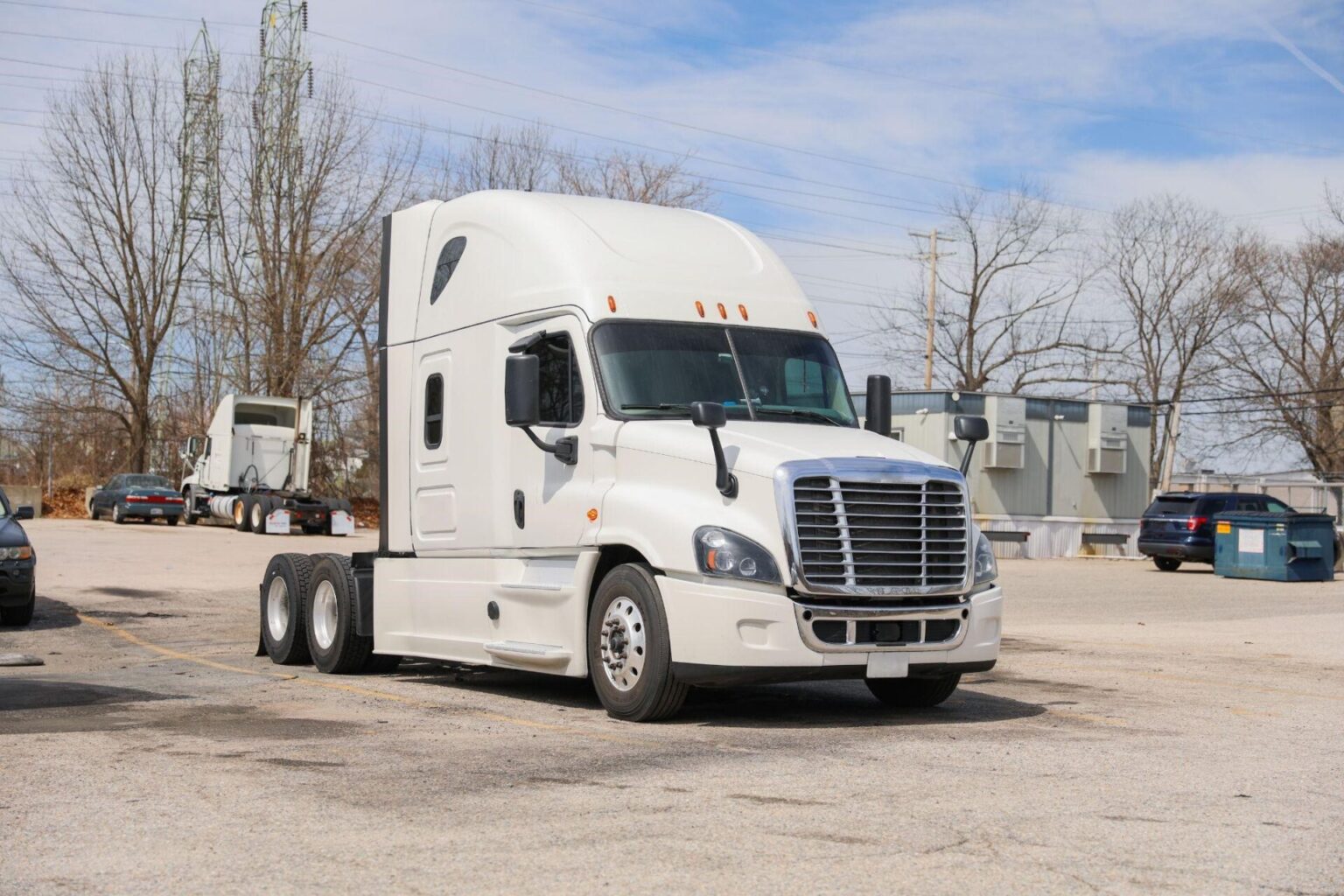
Ready to Part Ways with Your Truck? Start Here
Whether your truck still runs well, needs expensive repairs or has become more trouble than it is worth, the selling process starts with knowing what you want out of the next step.

Whether your truck still runs well, needs expensive repairs or has become more trouble than it is worth, the selling process starts with knowing what you want out of the next step.

Companies find success by updating their old methods with modern technology.. Success starts with a clear plan and the right equipment for the job.

A +20% ROI improvement is achievable for commercial EV fleets when route planning, energy management, charging orchestration and asset monetization operate as a connected system.

Understanding the full cost picture is not an academic exercise. It is the difference between treating safety as a line-item expense and recognizing it as a revenue-protection strategy.

Safety compliance is not an empty document for fleets. It is an ongoing process and preserves lives, fulfills responsibilities and shields the company reputation.

Transitioning to a full electric fleet takes strategy. However, fleets with the right routes, infrastructure and incentives make it easier to justify the investment in the long term.

The same principles that are teaching the next generation how to drive are what fleet managers can use to improve their own safety.

Modern hardware solutions offer a way to mitigate high insurance expenses by providing a clear view of road events.

Driver wellness programs play a vital role in supporting both the well-being of professional drivers and the overall safety of road operations.

A critical component of the “clean fleet” philosophy is the physical preservation and aerodynamic optimization of the vehicles themselves.