
Opinion: Are Electric Cars Safer Than Conventional Cars?
Electric cars are safer than conventional cars due to the fact they don’t carry highly combustible gasoline.

Electric cars are safer than conventional cars due to the fact they don’t carry highly combustible gasoline.

The next decade will bring battery startups into another stage of growth that’s as promising as the one we’ve just passed through.

Competition has always been a hallmark of the auto industry, but the move to embrace electric drive technology has driven even the most competitive companies to seek out partners to share costs and help speed new products to market.
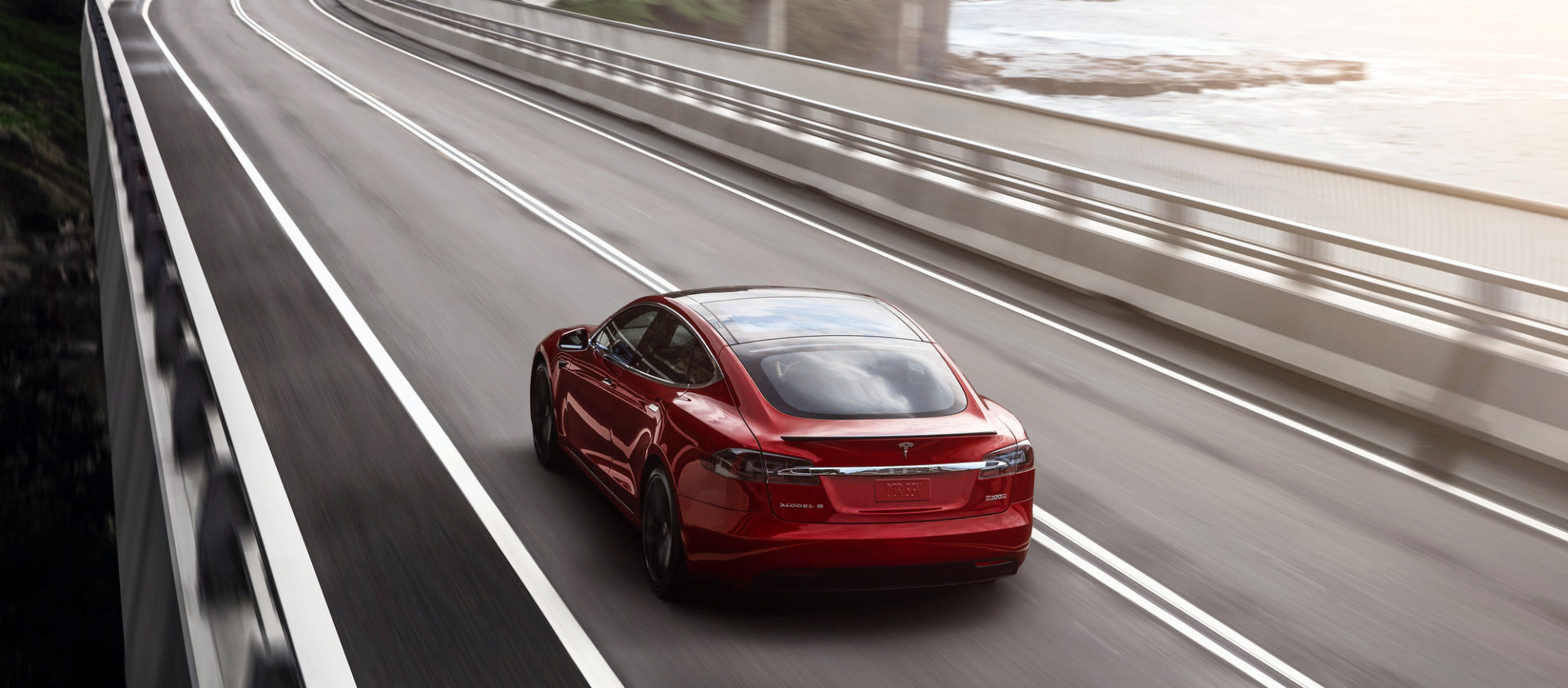
As many people embrace the financial and environmental benefits of electric vehicles, there are increasing numbers of non-gas powered cars in use. To ensure enjoy a stress-free journey, take a look at these top tips now.
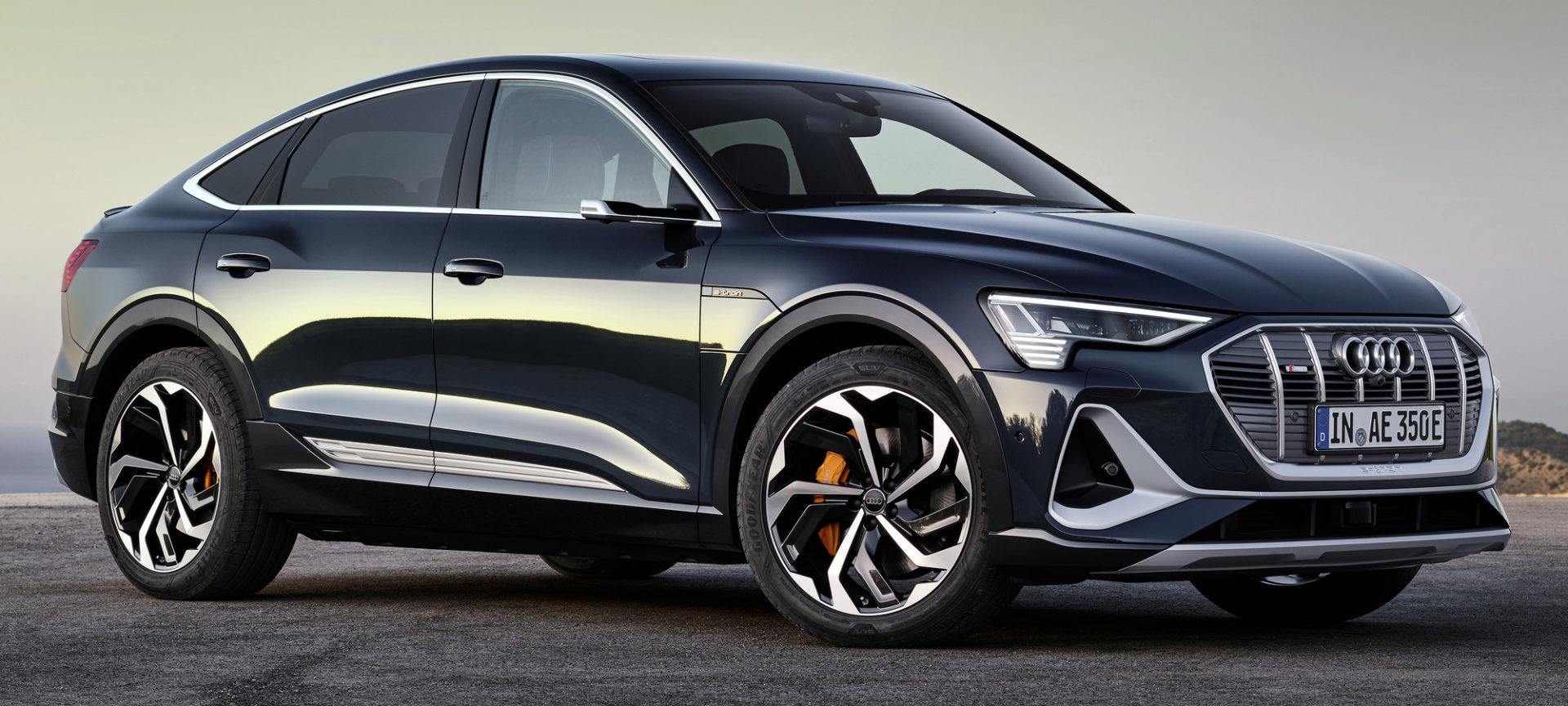
In the U.S. it looks like Audi has work to do to make a mark in the emerging electric vehicle market. The gang from Ingolstadt does have a plan.
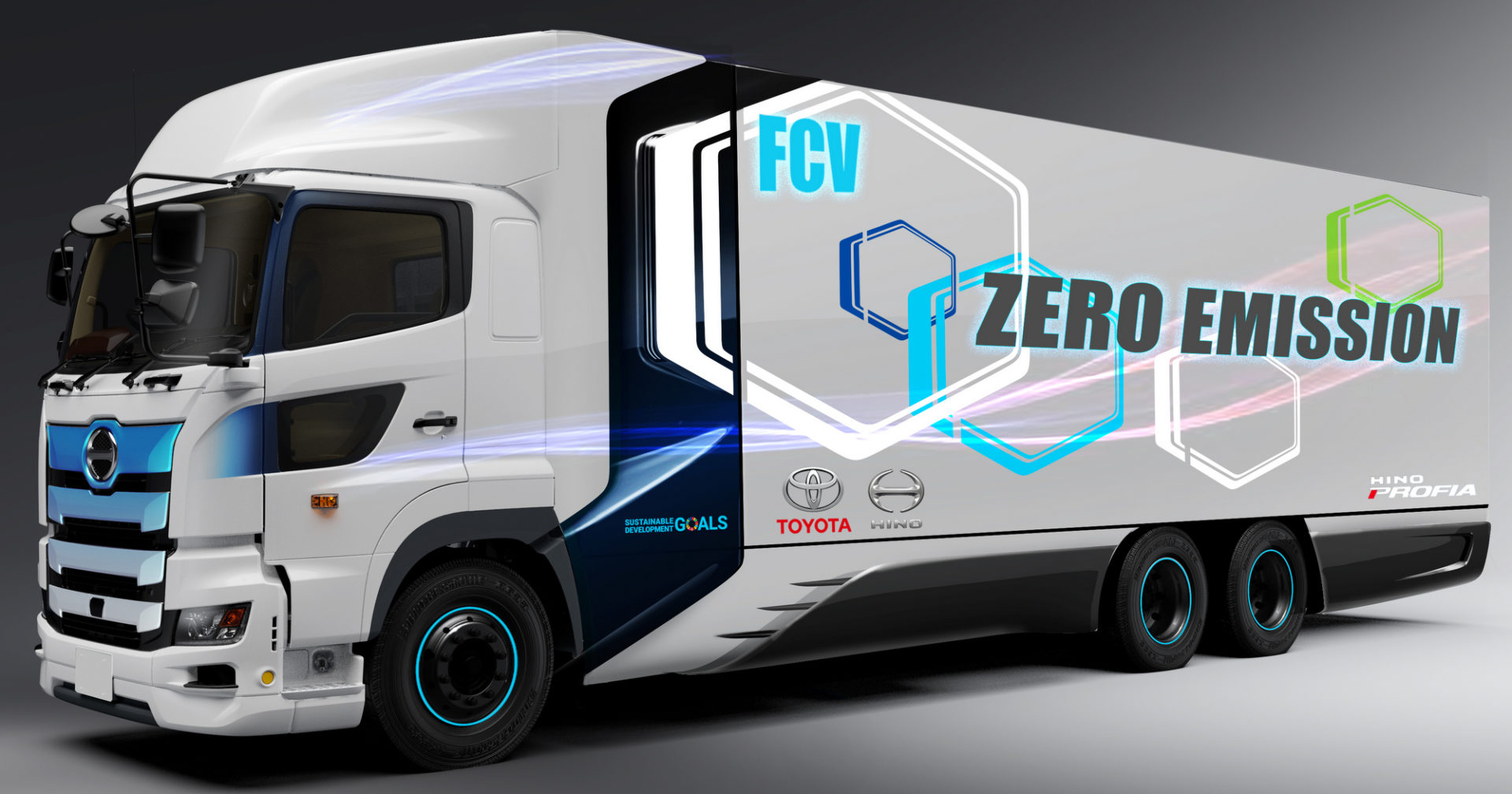
Toyota has developed strong links with two partners—Hino, a medium- and heavy-duty truck manufacture that is a part of the Toyota automotive orbit; and BYD, the leading Chinese battery-car maker.
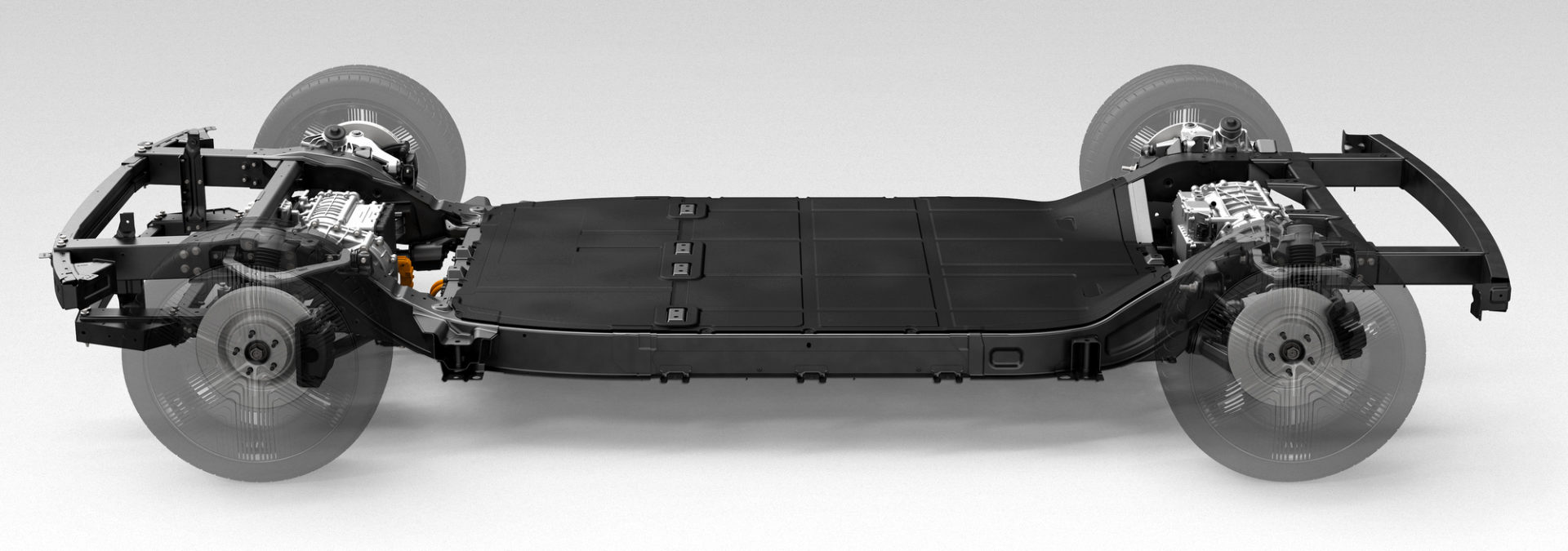
The most recent hook-up is Hyundai Motor Group and Canoo, a Los Angeles-based company that recently showed a proof-of-concept of its autonomous shuttle van-like vehicle.
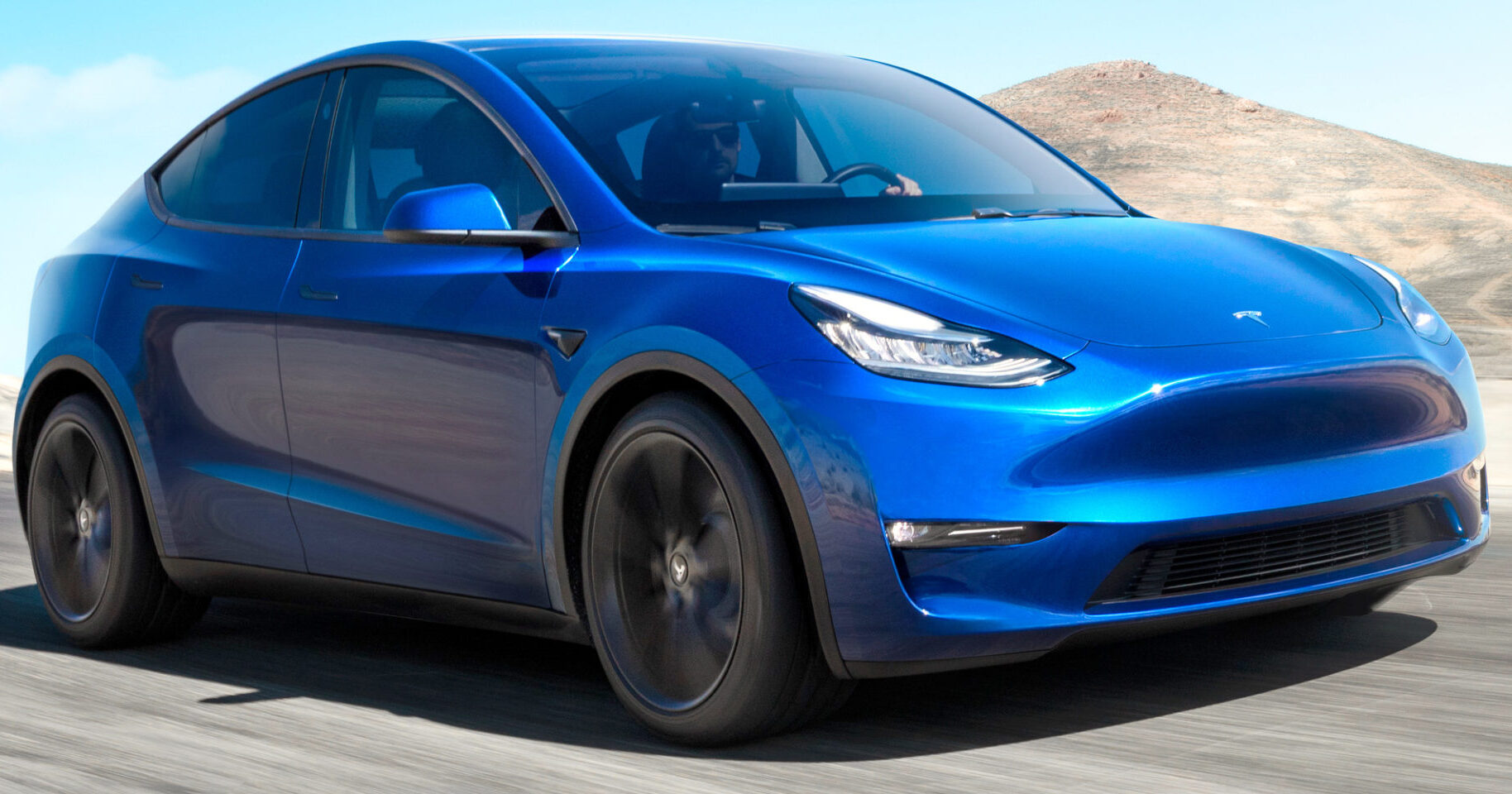
Two major, much-anticipated models arrive this year—the Tesla Model Y and the Ford Mustang Mach-E.
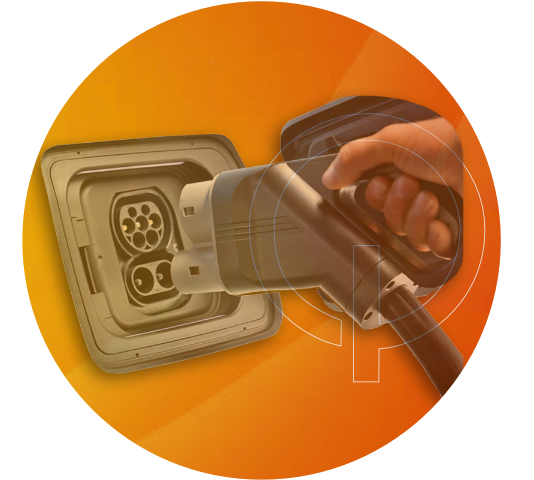
As we increase our reliance on lithium-ion batteries to power our devices and vehicles, we must also ensure diagnostic standards are in place to give us a peek under the hood (or phone case).
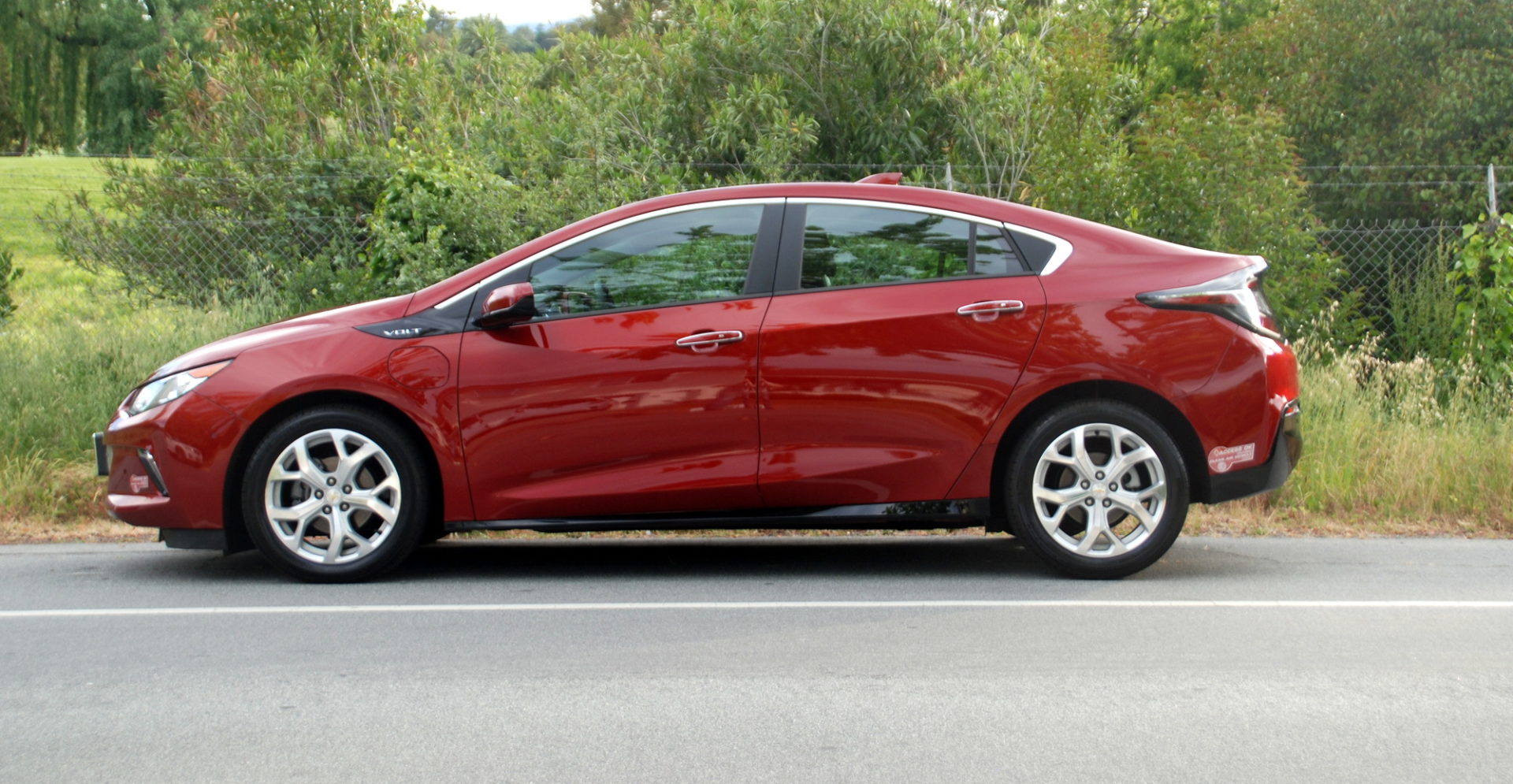
Plug-in vehicles sales (pure battery electrics and plug-in hybrids) hit a speed bump after a meteoric rise in 2018, dropping from 361,300 to 325,800.