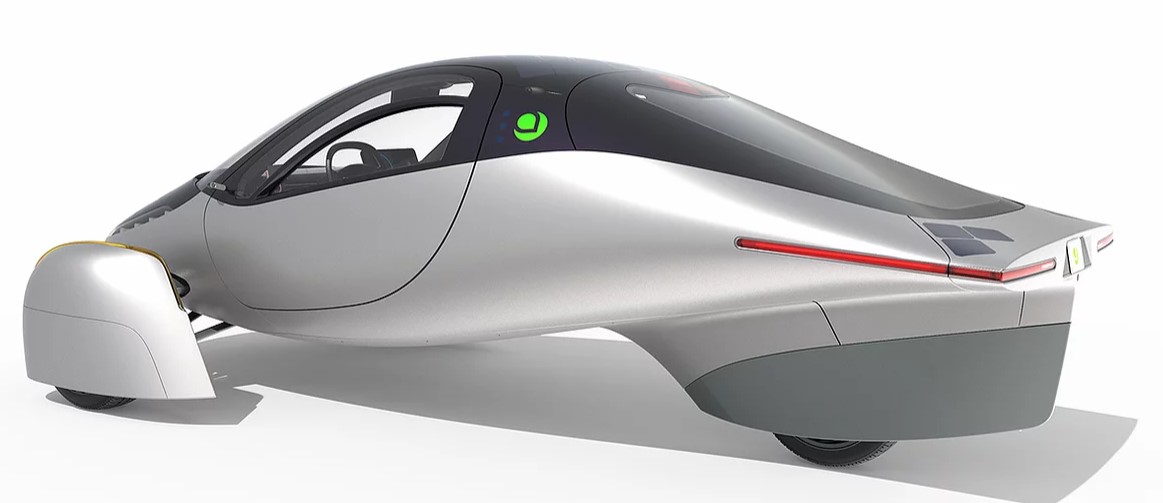
Interview: Aptera–Wingless Design, Incredible Efficiency
In the growing world of EVs, the Aptera stands out for its unusual design, incredible range and the company’s plucky chutzpah.

In the growing world of EVs, the Aptera stands out for its unusual design, incredible range and the company’s plucky chutzpah.
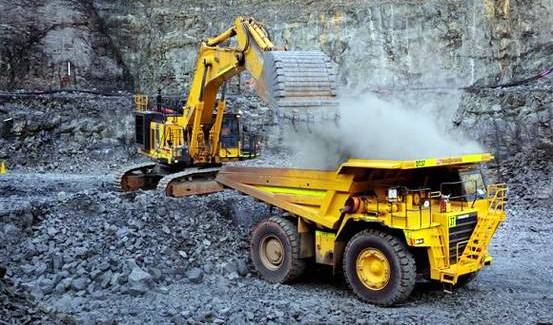
There is one big issue—the mining of battery components—that has been EVs’ dirty little secret.
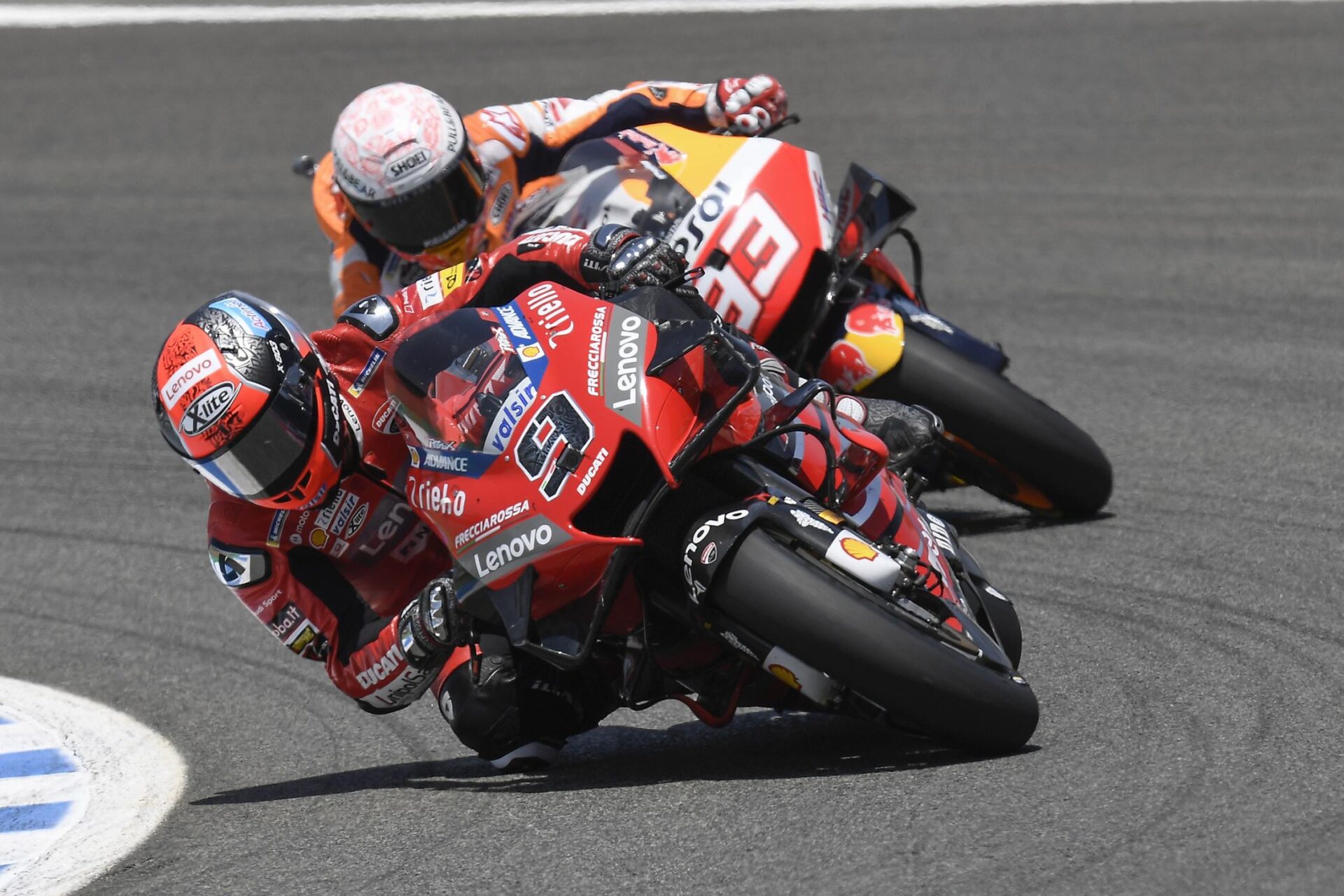
Modern motorcycle racing, like much of motorsports, has evolved into a sophisticated technology platform. Last month that led to the announcement of a multi-year technical partnership between Ducati and Altair, a technology company known for high-performance computing and data analytics.
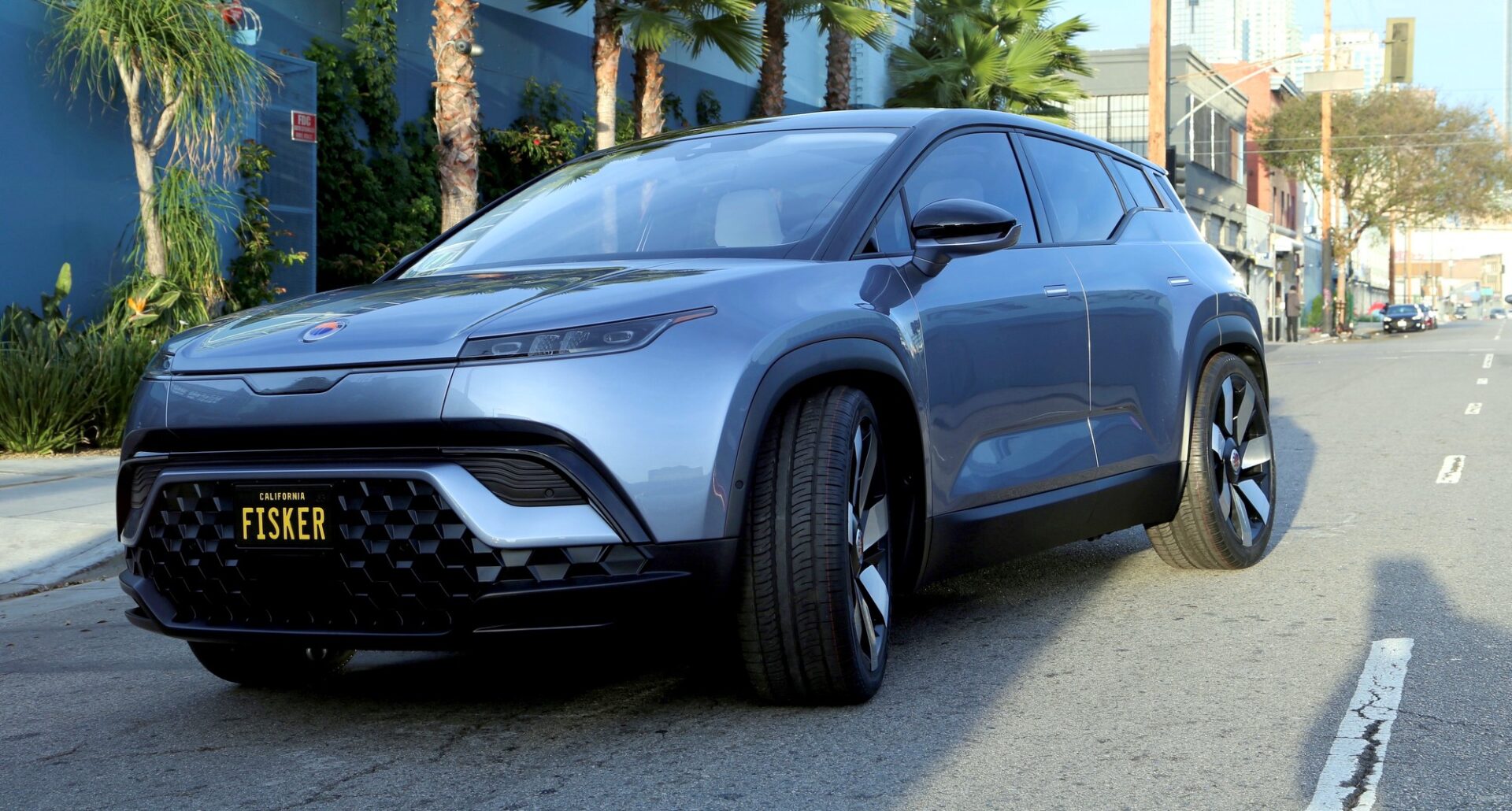
Interview: Henrik Fisker Talks About the World’s Most Sustainable Vehicle
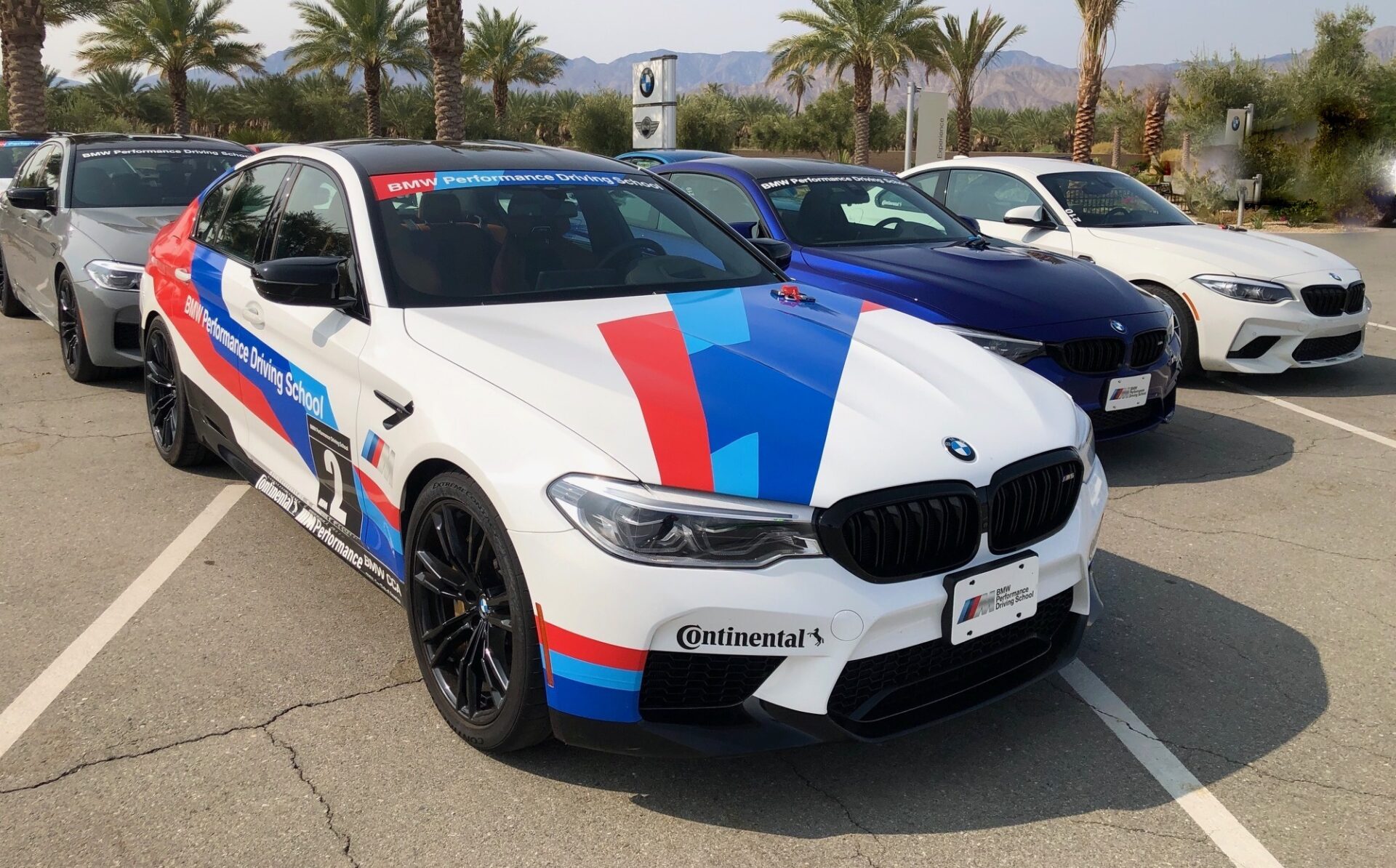
Clean Fleet Report recently spent a day at the BMW Performance Center in Thermal, California (there is also a center in Spartanburg, South Carolina) and were treated to a day of fast acceleration, hard stopping, and aggressive cornering, with the overall goal of improving our ability to control a car.
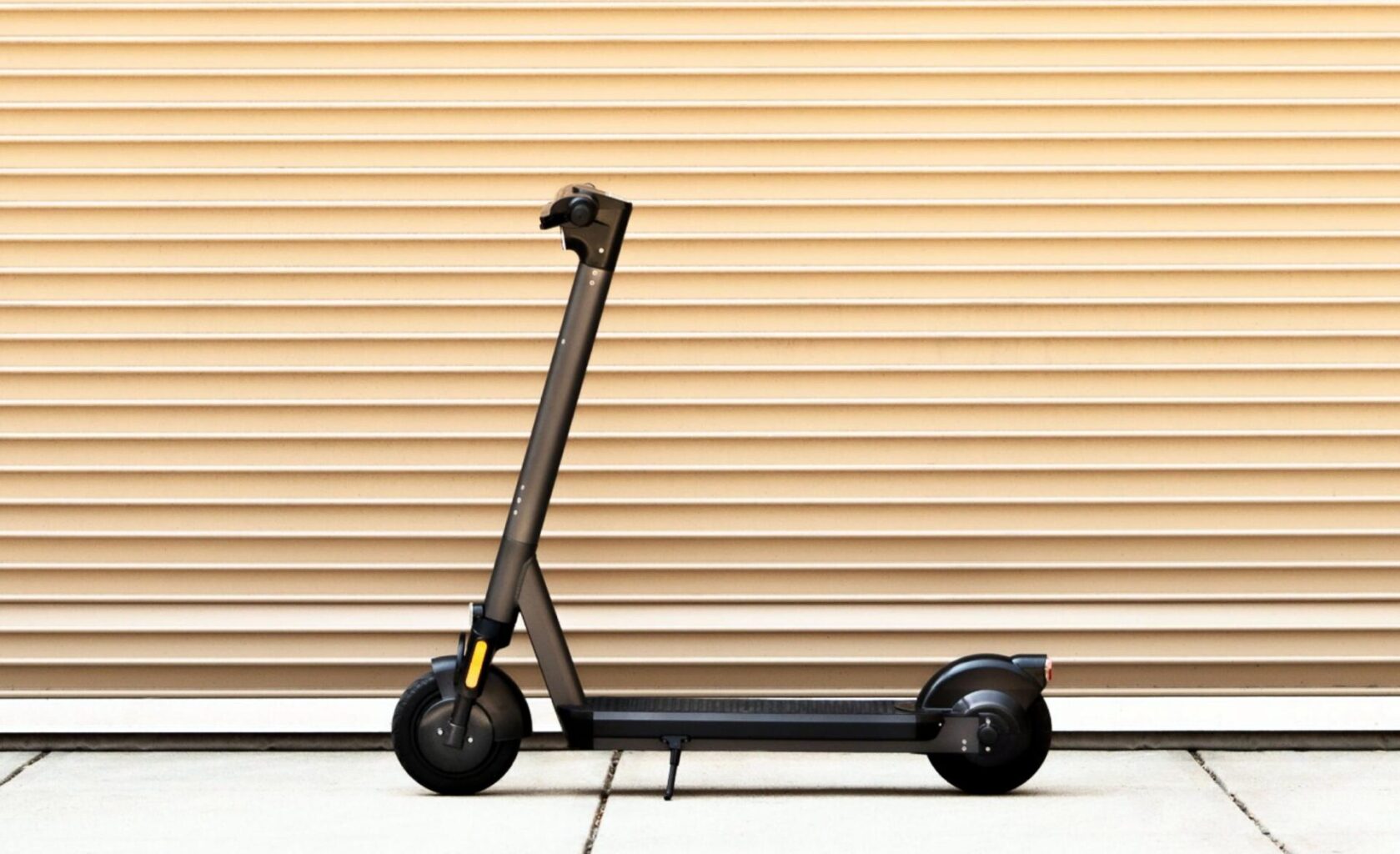
The weaknesses of scooters are well known—they’re easily damaged and maintenance is expensive and time consuming. What was needed was a better scooter, so Superpedestrian developed one.
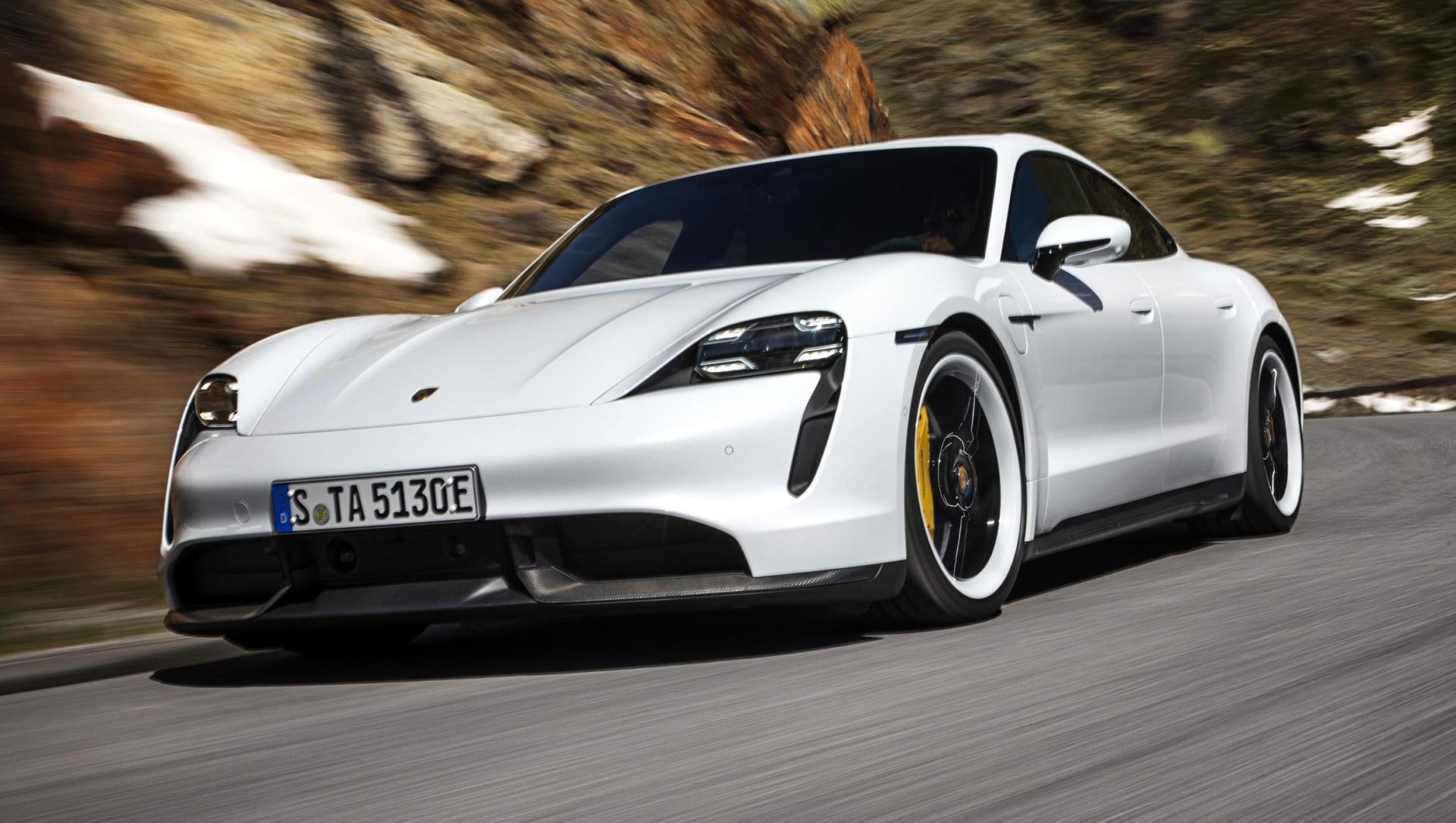
Batteries are where the discussion starts—and often ends–whenever the future of electric cars is the subject.
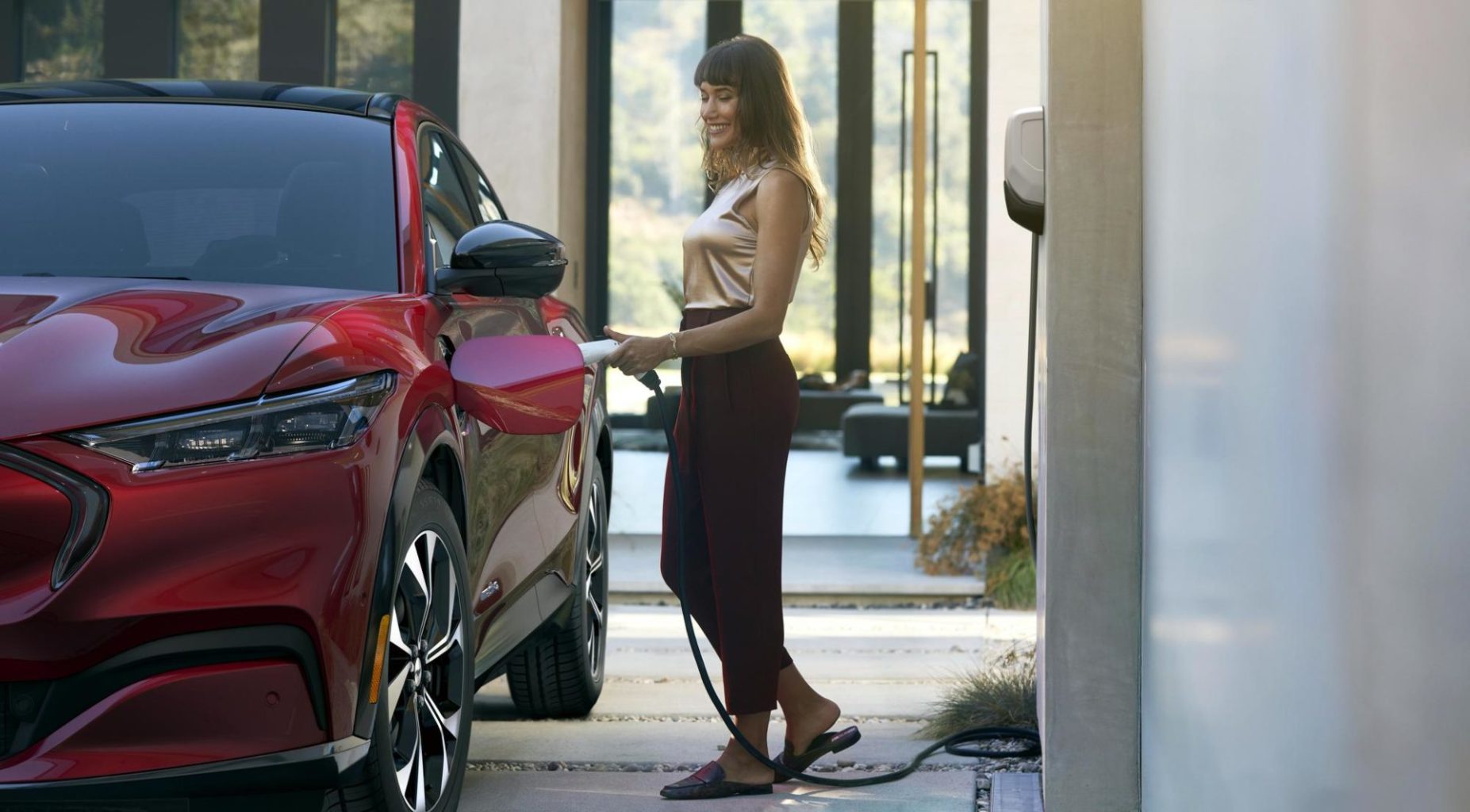
The next electrification wave will be when passenger EVs take off. This will happen as people understand that with larger batteries and a built-out charging infrastructure, range anxiety isn’t really an issue.

We had the special opportunity to get a behind-the-scenes look at one company’s progress when we sat down with Nathan Kokus, mobility and technology communications manager at Toyota.
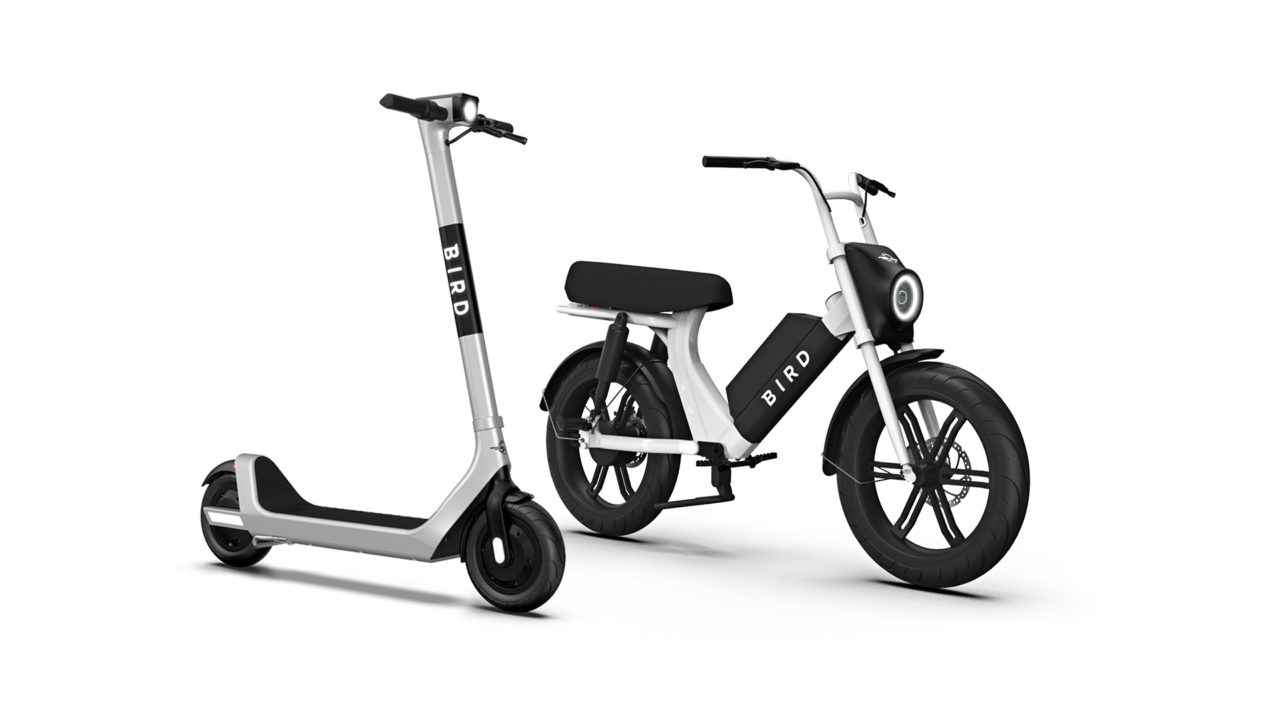
Bird, the two-year-old, Santa-Monica-based scooter-sharing company, has been growing and developing its trademark electric scooters since it was founded in September 2017.