
This article may contain affiliate links.
Finding a rare muscle car or pristine vintage truck often requires looking beyond national borders. North American car collectors regularly trade rare models across the 49th parallel. Hauling a valuable automobile between the United States and Canada presents unique logistics. Crossing international lines requires correct paperwork, border compliance and dedicated transport methods. Here is how vintage automobile lovers manage cross-border transport without damaging their investments.
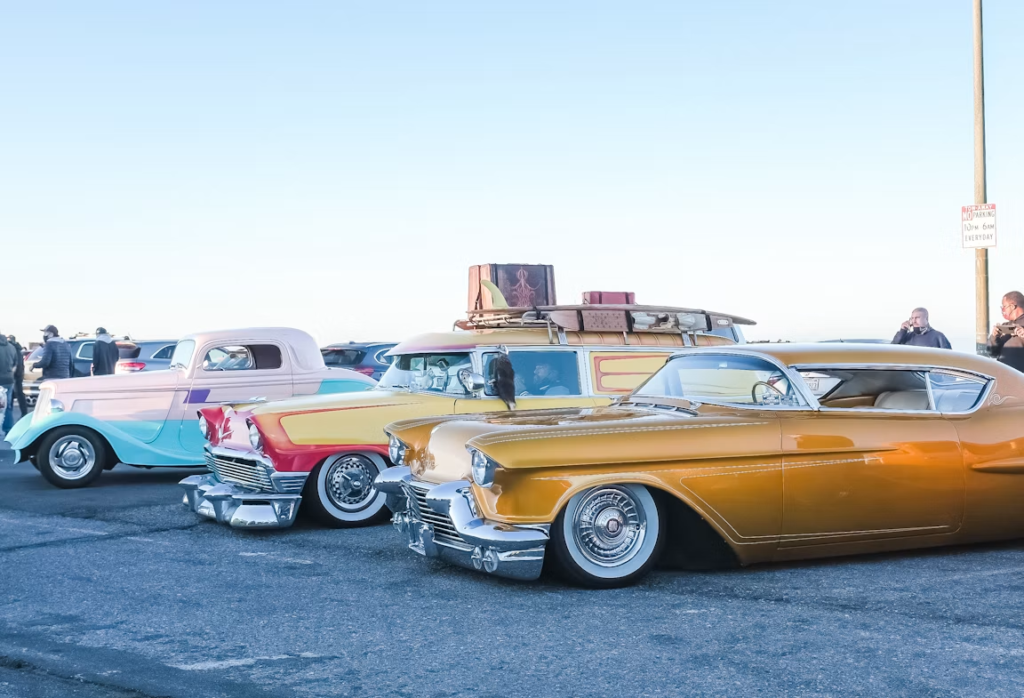
Sourcing Rare Barn Finds and Project Cars Across Borders
Car builders search everywhere to locate rust-free chassis and original parts. Many classic models were produced in lower quantities for Canadian or American markets, making cross-border buying common. Finding an unmolested vehicle across the border expands your search pool significantly.
Transporting a freshly purchased project car across international boundaries requires proper carrier selection. When it comes to shipping vehicles between the US and Canada, working with an established logistics provider like US Canada Auto Transport guarantees your vehicle moves safely through customs without unexpected border delays. Experienced haulers clear regulatory hurdles so your restoration project arrives at your shop intact.
Shipping a non-running project vehicle demands specialized winch trucks and lowboy trailers designed for immobile vehicles. Professional haulers secure rolling chassis safely to prevent frame damage during transit.
Navigating Cross-Border Auto Auctions
Auction houses in Scottsdale, Toronto and Monterey attract collectors from both sides of the border. Winning a bid on a classic car requires quick payment and rapid removal from the auction site. Professional auto haulers pick up auction wins directly from the floor and manage exit paperwork.
Bidders must prepare export documentation before the gavel falls. Auction clearance paperwork must match border entry forms to avoid vehicle impoundment. Transport teams handle trailer loading and border paperwork coordination directly with port authorities.
Bidding at high-end vehicle auctions involves tight deadlines and strict vehicle release schedules. Transport dispatchers sync delivery windows with auction management teams to load vehicles immediately after sale clearance. This coordination keeps rare classic cars moving straight from the auction stage to your garage.
Transporting Show Vehicles and Restorations to Concours Events
Taking a pristine restoration to events like Pebble Beach or Cobble Beach requires total vehicle protection. Concours vehicles feature delicate lacquer finishes, rare trim and zero-mile restorations. Exposing custom paint to highway gravel or salt spray can ruin months of tedious labor.
Enclosed vehicle trailers shield show cars from road debris, weather and grime. Specialized haulers use hydraulic liftgates to keep low-clearance sports cars level during loading. Your vintage showstopper arrives detailed and ready for judging without extra prep work.
Show car owners spend hundreds of hours prepping surfaces for competitive events. Dust and moisture inside an improper trailer can ruin engine bay detailing before judging begins. Enclosed car haulers maintain clean, dry environments to keep show cars flawless throughout long road trips.

Estate Vehicle Transfers, Inheritance and Family Gifts
Inheriting a family classic car located in another country involves specific tax rules. Relatives gifting vintage vehicles across borders must submit valid proof of ownership and clear bill-of-sale forms. Tax exemptions exist for family transfers, but customs officials demand exact documentation.
Navigating these family inheritance rules prevents surprise duty charges at the border. Transport drivers present original titles and notarized gift letters directly to border officials. Proper paperwork processing keeps your family heirloom moving smoothly to its new home.
Passing down a vintage sports car or family pickup truck across national borders requires careful administrative steps. Customs officers verify estate probate records and death certificates when non-titled transfers occur. Professional auto transport specialists assist families by reviewing required gift declarations before border dispatch.
Required Customs Documentation for Classic Cars
Crossing the U.S.-Canada border with a vehicle built over 25 years ago offers regulatory perks. Older vehicles qualify for exemptions under EPA and DOT rules in the U.S., plus RIV exemptions in Canada. You still must supply complete legal proof of ownership before shipping your car.
- Original vehicle title stamped by local registration authorities
- Bill of sale with matching vehicle identification numbers
- Automated Export System submission confirmation filed 72 hours before export
- Completed DOT Form HS-7 and EPA Form 3520-1 for U.S. entry
Customs brokers verify all identification numbers against factory tags before border crossing. Discrepancies between stamped frame numbers and title documents stop shipment instantly. Professional transporters audit paperwork beforehand to avoid port delays.
Filing U.S. Customs export documentation requires submitting vehicle titles at least 72 hours in advance. Port authorities review vehicle history and stolen vehicle databases during this mandatory waiting window. Skipping this step leads to heavy fines or temporary vehicle seizure at border checkpoints.
Choosing Enclosed Transport Versus Open Car Hauling
High-value classic cars require maximum protection during long cross-country hauls. Open car carriers fit up to 10 vehicles, offering a cost-effective option for daily drivers. Restored muscle cars and delicate brass-era antiques benefit from enclosed trailers.
Enclosed trailers protect custom bodywork from flying gravel, rain and road salt. Soft tie-down straps attached to axle points protect suspension components without marring powder-coated surfaces. Choosing enclosed transport guards your monetary investment across thousands of miles.
Open trailers expose vehicles to flying pebbles, tree branches and changing weather conditions along interstate routes. High-value custom builds and delicate vintage convertibles require insulated side panels to block wind friction. Choosing enclosed shipping eliminates potential body shop repair costs after transit.
Transit Times and Port Operations Across the Border
Cross-border vehicle transit typically takes 5 to 10 business days depending on distance. Border clearance at busy crossings like Windsor-Detroit or Peace Arch can add hours during peak traffic. Haulers schedule border arrivals carefully to match federal customs working hours.
- Port clearance window: 72-hour mandatory wait for U.S. export approval
- Customs inspection time: Two to four hours at main commercial ports
- Total transit duration: Five to 10 days for cross-continent routes
- Off-peak border processing: Reduces terminal wait times significantly
Weather conditions along northern transit routes can impact delivery schedules during winter months. Carriers track weather patterns to select safer alternative highways around severe mountain passes. Drivers communicate directly with owners to provide real-time location updates.
Why Driving Classic Cars Long Distances Is Risky
Driving a newly purchased vintage car thousands of miles home poses severe mechanical risks. Old cooling systems, bias-ply tires and drum brakes struggle under modern highway speeds and heavy traffic. A single mechanical failure on a remote stretch of highway leaves owners stranded without specialized repair parts.
Long road trips in vintage automobiles put excessive stress on original mechanical components. Overheating, vapor lock and electrical glitches occur frequently in vintage engines unaccustomed to modern highway speeds. Transporting your classic inside a trailer guarantees safe delivery without adding unnecessary miles to original odometers.
Preserving vintage automotive history requires reliable logistics when buying or selling across borders. Professional cross-border shipping eliminates stress, protects rare machinery and maintains complete legal compliance with border authorities. Whether you are moving a barn-find project or a concours trophy winner, dedicated transport keeps classic cars safe. Partnering with experienced car haulers lets you focus on enjoying your automotive passion.
