
This article may contain affiliate links.
Have you ever watched another fleet stay ahead of breakdowns and wondered how they manage it so consistently? The surprising truth is that digital dispatch has become one of the most effective ways to boost maintenance efficiency and keep vehicles running longer with fewer interruptions.
Fleet teams using digital tools often communicate more clearly, schedule repairs with greater accuracy and avoid the chaos that leads to unnecessary downtime. If you’re aiming to streamline your maintenance process and make daily operations smoother, you’re in the right place.
Why Fleets Rely on Digital Dispatch Tools
Digital dispatch systems are transforming how maintenance teams organize their days. Instead of bouncing between calls, spreadsheets and sticky notes, dispatchers use a single platform to assign tasks and monitor progress in real time. A unified approach creates a smoother workflow that helps technicians stay focused and productive.
Many fleet operators notice immediate improvements when they shift to centralized scheduling. When every technician can see their upcoming jobs, delays shrink, and routine tasks become easier to manage. There are a few consistent benefits teams rely on:
- Faster job assignments
- Fewer communication bottlenecks
- Clearer job statuses
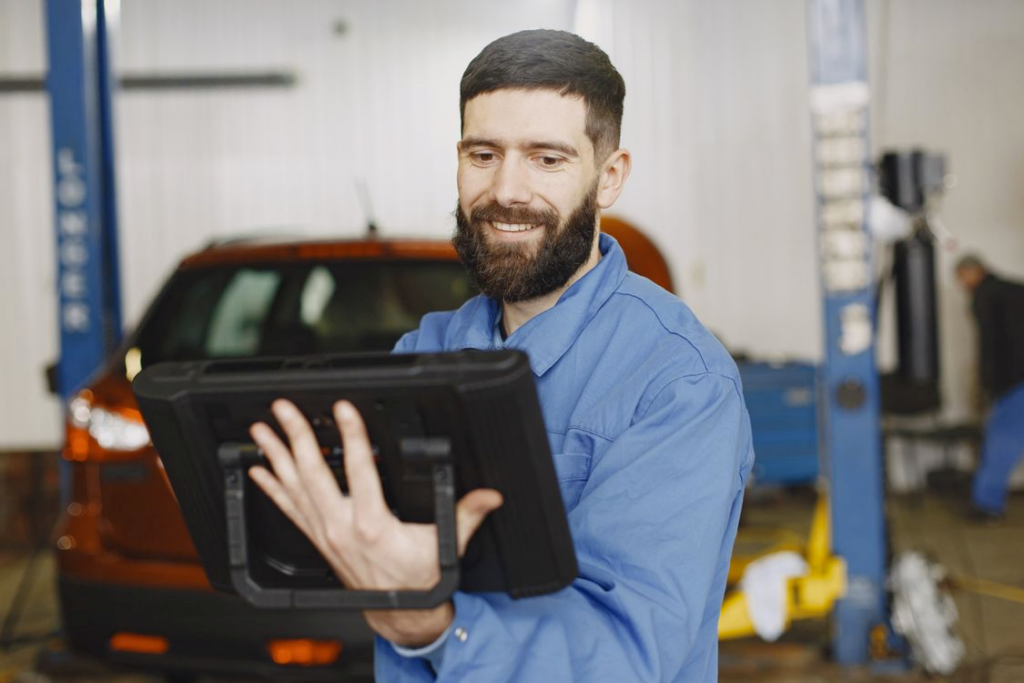
Smarter Technician Scheduling Reduces Downtime
One of the biggest challenges in fleet maintenance is assigning the right technician to the right task without wasting time. Digital scheduling tools make this easier by giving dispatchers a clear view of technician availability, skill sets and current workloads. Repairs get completed faster, and unexpected delays are less likely to derail the day.
These tools also help teams that rely heavily on dispatch and scheduling for service teams. Many fleets use platforms like Service Fusion to coordinate tasks more smoothly, keep everyone updated, and create a predictable daily workflow.
How Digital Workflows Improve Preventive Maintenance
Preventive maintenance only works when tasks are tracked consistently. Digital dispatch platforms simplify this by automatically organizing upcoming services and alerting teams when vehicles are due. As a result, fleets transition from chasing breakdowns to preventing them altogether.
When technicians know exactly which services are coming up, they can prepare parts and tools in advance. This leads to fewer stalls once repairs begin and helps create steady maintenance routines. It also reduces the chance that recurring tasks get skipped or delayed.
You’ll often see benefits like:
- Better alignment between schedules and service needs
- Fewer unexpected breakdowns
- More accurate maintenance planning
Real-Time Work Order Management Keeps Teams Connected
Work orders are the heartbeat of fleet maintenance. When they’re digital, everyone from dispatchers to technicians can see exactly what needs attention. Real-time updates improve transparency, reduce guesswork and shorten repair cycles with far more reliable coordination.
Technicians can document their progress as they work, helping managers track productivity and repair quality. Organized repair histories also make it easier to diagnose recurring issues and plan future maintenance. Clearer visibility into every task creates a smoother workflow for the entire team.
How Digital Dispatch Enhances Parts and Inventory Management
Many fleets struggle not because repairs take too long, but because the right parts aren’t available when technicians need them. Digital dispatch platforms can integrate with inventory systems to display real-time part availability and send alerts when stock levels start to drop.
Technicians gain a clearer understanding of what’s ready to use, allowing them to plan repairs more accurately and avoid unnecessary delays. Managers also benefit from improved forecasting, smarter purchasing decisions and fewer last-minute orders that drive up costs. Better parts visibility leads to more predictable maintenance schedules.
Better Communication Leads to Better Repairs
Clear communication is one of the biggest drivers of maintenance efficiency. Digital dispatch tools give teams a shared space for updates, questions and job notes. Preventing misunderstandings that would otherwise delay repairs becomes much easier when everyone can see accurate information at the same time.
Dispatchers send updates instantly, and technicians can respond or escalate issues without leaving their workspace. When communication becomes this smooth, fleets see improvements in workflow consistency and technician confidence, as well as greater clarity during complex repairs that require quick coordination among multiple team members.
Why Digital Dispatch Is Becoming a Must-Have
Fleet maintenance is moving quickly toward more connected systems, and digital dispatch sits at the center of that shift. When teams have real-time access to their jobs, schedules and vehicle information, they can make repairs with fewer interruptions. The result is a more predictable and efficient environment where downtime shrinks and planning becomes easier.
These improvements aren’t just for large fleets. Smaller teams also benefit from the visibility and coordination digital tools offer. As technology continues to evolve, digital dispatch will play an even bigger role in keeping vehicles on the road.
Where Digital Dispatch Can Take Your Fleet Next
Digital dispatch has proven to be a dependable way for fleets to stay organized, reduce downtime and keep maintenance running smoothly. Clear communication, smarter scheduling and stronger visibility all contribute to a workflow that teams can trust every day.
For operators looking to strengthen their maintenance processes, exploring digital dispatch tools is a practical next step. A more predictable, streamlined approach to fleet maintenance ultimately supports better performance and a smoother day for everyone involved.
