
This article may contain affiliate links.
Fleet vehicle maintenance increasingly focuses on reducing downtime, keeping vehicles presentable and controlling operating costs. For businesses that rely on cars, vans or other vehicles every day, even minor cosmetic damage can create unnecessary disruption if repairs require a trip to a workshop.
Mobile scratch repair services offer an alternative by bringing technicians and specialized equipment directly to the vehicle. For suitable cosmetic damage, this can allow businesses to organize repairs around normal operations rather than removing vehicles from service for extended periods.
This approach is changing how some fleet managers handle routine cosmetic maintenance. Mobile repairs can help reduce downtime, simplify scheduling and maintain vehicle appearance while complementing traditional workshop services for larger or more complex repairs.
Why Fleet Operators Are Considering Mobile Repairs
For fleet operators, convenience is only part of the appeal. The larger advantage is the ability to organize suitable repairs with less disruption to day-to-day operations.
Vehicles used for deliveries, field services, trades, sales or customer transport often need to remain available throughout the working week. Sending one to a workshop may involve arranging drop-offs, collecting the vehicle later and adjusting schedules while it is unavailable.
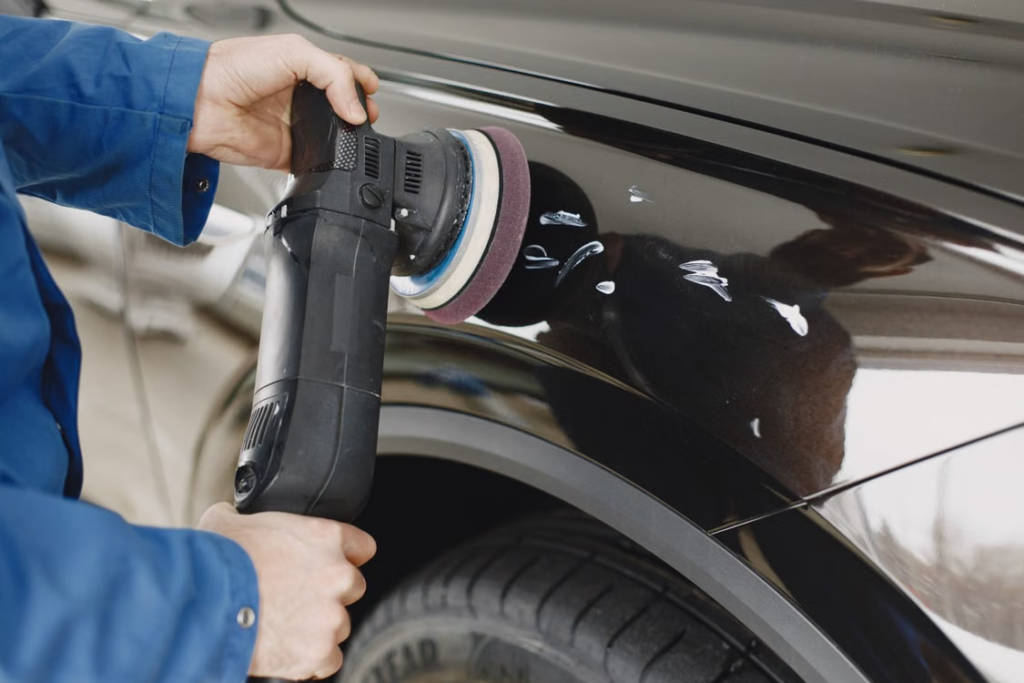
Mobile services can reduce some of that administrative work by carrying out repairs at a depot, workplace or another suitable location.
This is particularly useful in busy urban areas where traveling to and from a repair facility can add more time to the process. For fleet managers arranging car scratch repairs in Brisbane, Australia, for example, a mobile service may allow suitable cosmetic damage to be addressed at the vehicle’s location rather than requiring a separate workshop visit.
Repairs may also be scheduled during quieter periods or between shifts, depending on technician availability. This gives fleet managers more flexibility when planning routine cosmetic maintenance.
Reducing the Operational Impact of Vehicle Downtime
Every hour a fleet vehicle spends off the road can reduce operational capacity and, for some businesses, affect revenue.
The repair itself is not always the only cost. Businesses may also need to consider replacement or hire vehicles, insurance excesses, staff time and the logistics of operating with fewer vehicles available.
Mobile scratch repair services can reduce some of this disruption by bringing the technician to the vehicle. Minor cosmetic repairs may be completed without the vehicle spending additional time traveling to, waiting at or being collected from a workshop.
The actual repair time will depend on the type and extent of damage, but the ability to complete suitable work on site can make maintenance easier to fit around normal fleet operations.
The Technology behind Modern Mobile Repairs
Modern mobile repair units can use specialized equipment and color-matching systems to carry out a range of localized cosmetic repairs.
Technicians can work with vehicle color codes and paint-matching processes to produce a close match with the existing finish. This is particularly useful when repairing scratches, scuffs and other small areas of paint damage.
Small to Medium Area Repair Technology (SMART) repair techniques are designed to focus on the damaged area rather than automatically refinishing or replacing an entire panel. When appropriate for the damage, this approach can reduce the amount of labor and materials required.
Depending on the provider and the condition of the vehicle, mobile technicians may be able to address scratches, bumper scuffs, stone chips and some minor dents.
However, mobile repair is not appropriate for every problem. Significant body damage, structural issues or repairs requiring extensive refinishing may still need to be handled in a conventional workshop.
Maintaining Fleet Appearance and Brand Image
Fleet vehicles are often visible to customers, clients and the general public. Their condition can therefore contribute to how a business is perceived.
This is especially relevant for trades, delivery companies, healthcare providers, service businesses and other organizations that use branded vehicles as part of their everyday operations.
A scratched or damaged vehicle does not automatically harm a company’s reputation, but allowing visible cosmetic damage to build up across a fleet can make vehicles appear poorly maintained.
Regular mobile repairs give fleet managers another way to address minor damage before it becomes more noticeable. Instead of waiting until several issues require a larger repair visit, suitable cosmetic damage can be handled as part of routine fleet maintenance.
This can help businesses keep vehicles presentable without unnecessarily disrupting their working schedules.
Sustainability Advantages of Localized Repairs
Mobile repair can also support broader sustainability efforts when it reduces unnecessary material use and vehicle travel.
Localized repair methods focus on the damaged area rather than automatically refinishing a full panel. For appropriate repairs, this can reduce the amount of paint and other materials required.
Completing work at the vehicle’s location may also avoid some trips between a depot, workplace and repair facility. Across a larger fleet, reducing unnecessary journeys can contribute to lower fuel use and more efficient maintenance planning.
The environmental impact of any repair will depend on the techniques, products and equipment used, so mobile repair should not automatically be considered a low-impact option in every case. Its main sustainability advantage is the potential to avoid unnecessary work, materials and transport when a localized repair is sufficient.
A More Flexible Approach to Fleet Maintenance
Mobile scratch repair services provide fleet managers with another option for handling minor cosmetic damage.
For suitable repairs, bringing the technician to the vehicle can reduce disruption, simplify scheduling and help businesses maintain the appearance of their fleets. Localized techniques may also reduce unnecessary material use compared with more extensive repairs.
Traditional workshops remain essential for larger, structural or more complex damage. Mobile services are best viewed as a complementary option for cosmetic work that can be completed safely and effectively on site.
For fleet operators, the benefit is not simply convenience. It is having greater flexibility to choose the repair method that best fits the damage, the vehicle and the demands of day-to-day operations.
