
This article may contain affiliate links.
City driving can be cleaner, calmer and more convenient when you treat the car as one part of a wider transportation plan, a concept explored in the Jude Cole song “Start the Car.” Electric and hybrid vehicles can reduce local emissions, while smart route planning, public transit and walking help limit unnecessary miles.
That approach works especially well when visiting dense urban destinations. Instead of circling unfamiliar blocks or carrying everything throughout the day, you can decide in advance where to park, what to leave behind and how to cover the last few miles. The result is a trip that uses less energy and leaves more time for the city itself.
Start with the City, Not the Car
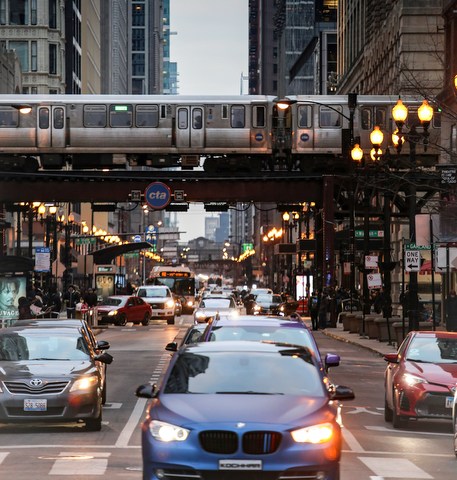
A sustainable urban trip begins with understanding how your destination is laid out. Compact neighborhoods with connected streets, mixed-use development and reliable public transit generally make it easier to park once and continue on foot. Georgetown University’s overview of a green city highlights features such as energy-efficient infrastructure, accessible transportation and green space. These details matter to visitors because they affect how many short car trips a day requires.
Before leaving home, locate the places you expect to visit and check the distance between them. A museum, restaurant and waterfront park that look scattered on a regional map may sit within a 20-minute walk of one another. Grouping nearby stops helps you avoid repeatedly moving the car, finding another space and waiting in traffic.
Pay attention to the city’s transportation patterns too. A downtown area may have good rail service but limited parking, while an outer district could offer lower-cost parking near a frequent transit line. Official municipal transportation websites often publish park-and-ride locations, charging stations, construction notices and street restrictions.
Build some flexibility into the schedule. Traffic conditions change quickly around business districts, stadiums and event venues. If you leave a 20- or 30-minute cushion, you’re less likely to make an inefficient detour or rush between stops.
Lighten the Load Before Exploring
Travel bags can make a car-free afternoon feel impractical, particularly between hotel checkout and an evening flight or train. Leaving valuables visible in a parked vehicle also creates an avoidable security concern. A planned storage stop can solve both problems and make it easier to walk, board transit or use a shared bike.
In central Sydney, Australia, for example, travelers can reserve luggage storage Sydney CBD through a platform that works with verified local partners and offers flexible hours. That option suits a common travel gap: checkout may be at 10 a.m., while your departure isn’t until late afternoon. Storing bags near the day’s planned activities allows you to leave the car parked or return a rental vehicle earlier.
Pack a small day bag with water, sun protection, medication, a charging cable and any transit cards you’ll need. Keep important documents and high-value items with you. If you’re using a storage service, confirm its closing time and allow enough time to retrieve your belongings before departure.
This simple decision can also expand your choice of transportation. Stairs, crowded buses and longer walks become far more manageable without a suitcase. You’ll be able to choose the most efficient route for each part of the day instead of letting baggage dictate every move.
Park Once and Connect the Last Mile
Parking once is one of the most useful strategies for sustainable city driving. Choose a garage, hotel lot or park-and-ride facility near several planned stops, then cover the remaining distance by walking, transit or another low-emission option. This reduces cold starts, low-speed searching and repeated parking transactions.
The wider benefits connect to the UN Sustainable Cities Goals, which address transportation access, air quality and inclusive urban planning. For an individual driver, the practical version is straightforward: fewer vehicle miles in crowded areas can reduce energy use and save time.
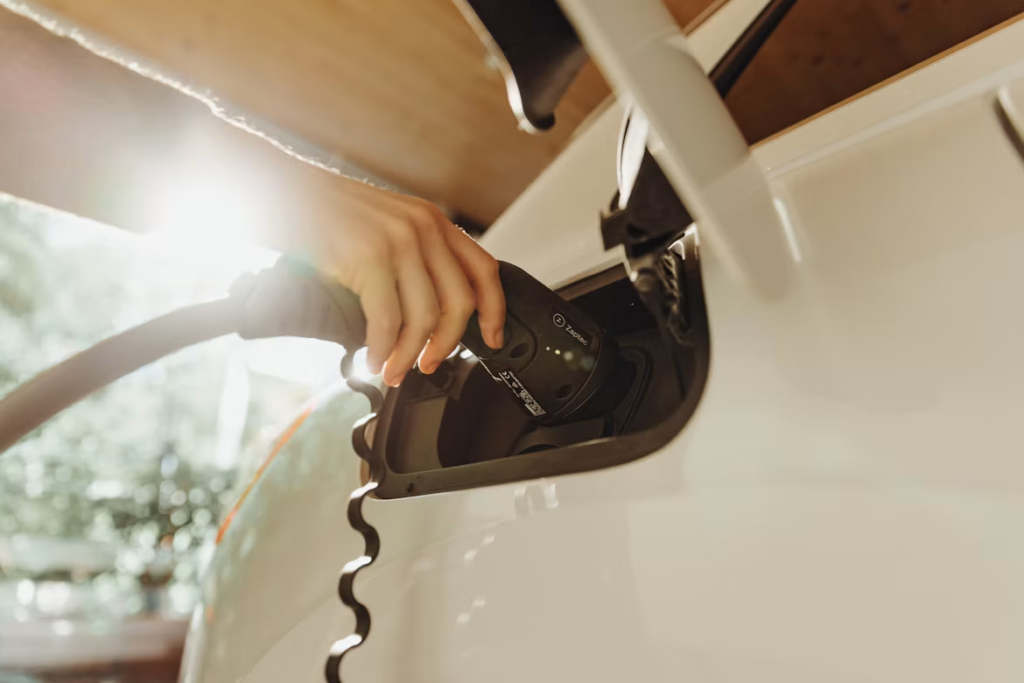
Compare parking based on the total day, not only the hourly price. A garage that costs a few dollars more but sits beside a rail station may be better value than a cheaper lot that requires several extra drives. Check height limits if you have a taller vehicle and verify whether the facility allows reentry. Electric vehicle drivers should also confirm whether a listed charger is public, operational and compatible with their connector.
For a simple example, imagine that three attractions sit along the same subway line. Parking near the outermost station lets you enter the district without facing downtown congestion. You can visit each location in sequence and return to the car at the end. That plan replaces multiple short drives with one arrival and one departure, which also makes the day easier to predict.
Get More Efficiency from Every Urban Mile
Vehicle choice matters, but driving habits still affect energy use. Rapid acceleration followed by hard braking wastes energy and reduces passenger comfort. Look farther ahead, maintain a steady speed when conditions permit and leave enough room to slow gradually. Regenerative braking can recover some energy in an electric or hybrid model, though smooth anticipation remains more efficient than repeated speed changes.
Climate control deserves attention as well. Precondition an electric vehicle while it’s connected to a charger when the model and charging location support that feature. On mild days, choose a moderate cabin setting instead of demanding maximum heating or cooling. Remove roof boxes and external carriers after the trip since added aerodynamic drag can lower efficiency at higher speeds.
Route selection can produce measurable gains. The shortest path may include steep grades, frequent stoplights or chronic congestion. A slightly longer route on a steadily moving road may require less energy and take less time. Check live conditions before departure, then avoid interacting with a phone while moving. Set the route, audio and cabin temperature while parked.
The broader principles behind these choices are covered in this accessible lesson on sustainable urban transportation. At street level, the lesson is practical: efficient city travel depends on vehicles, infrastructure and personal choices working together.
Build a Flexible, Low-Impact Itinerary
A workable itinerary sets clear anchors without scheduling every minute. Start with fixed commitments such as a timed museum entry, hotel checkout or train departure. Place flexible activities around them based on neighborhood, opening hours and transportation options. This keeps you from crossing the city several times in one day.
A useful plan might look like this:
- Arrive before the main traffic peak and park near a transit connection
- Store bulky bags if checkout and departure times leave a gap
- Walk between two or three nearby destinations
- Use transit for one longer cross-city segment
- Return to the vehicle after the busiest traffic period
Weather can change the plan, so identify one indoor alternative near each outdoor stop. Check accessibility details if anyone in your group has limited mobility, since an apparently short walking route may include steep slopes, stairs or uneven surfaces. Families may also benefit from choosing one central base where they can take breaks without returning to the car.
Keep charging needs realistic. If the vehicle has enough range for the day and the return trip, you may not need to seek a busy downtown charger. If charging is necessary, use the session during a meal or scheduled visit and move the vehicle when charging finishes. That gives another driver access and prevents idle fees where they apply.
The best urban driving day often includes long stretches when the vehicle stays parked. Once your bags are stored, the route is grouped by neighborhood and the return time is clear, the car becomes a useful connection to the city instead of something you have to manage at every stop.
