
This article may contain affiliate links.
Work vehicles rarely leave the dealer finished. Fleets add ladder racks, toolboxes, utility bodies and light bars. In dry or fire country, a growing number of owners add one more item: a water tank with a pump.
That upfit is now available in an electric form. Skid units from makers such as BLZ Fire Skids drop into a utility task vehicle (UTV) bed or pickup box. A 24-volt battery runs the pump, and the host vehicle can recharge it while running. The result is a vehicle story as much as a fire story.
Payload, range, mounting and handling all change once several hundred pounds of water ride in the back.
What Does a Full Water Tank Do to a Vehicle’s Ratings?
Two numbers on the door-jamb sticker matter most. Gross vehicle weight rating (GVWR) is the most the loaded vehicle may weigh. Payload is what you can add on top of the empty vehicle, people included.
Water is the heavy part of any skid. Each gallon you add puts about 8.3 pounds in the bed. BLZ lists its Ranger 60 at roughly 300 pounds dry. Fill its 60-gallon baffled tank and you add close to 500 pounds more. That puts the working load near 800 pounds before anyone climbs in.
A simple way to check the math on your own rig:
- Read the sticker. Note the payload figure for your exact trim.
- Subtract the crew. Count every rider at a realistic weight.
- Subtract the wet skid. Use dry weight plus water, never dry weight alone.
- Check what is left. Tools, hose and fuel cans all draw from the remainder.
EV pickups make this step more important, not less. Their battery packs are heavy, so payload varies widely between models and trims. Never assume a figure from a brochure. The sticker on the truck in front of you is the one that counts.
Which Platform Suits a Water Upfit?
The right vehicle depends on where the fire is likely to be. BLZ sizes its range across three broad platforms:
- Compact UTV. The 45-gallon Scout is built for UTVs, small trucks or trailers. It suits tight trails and fence lines.
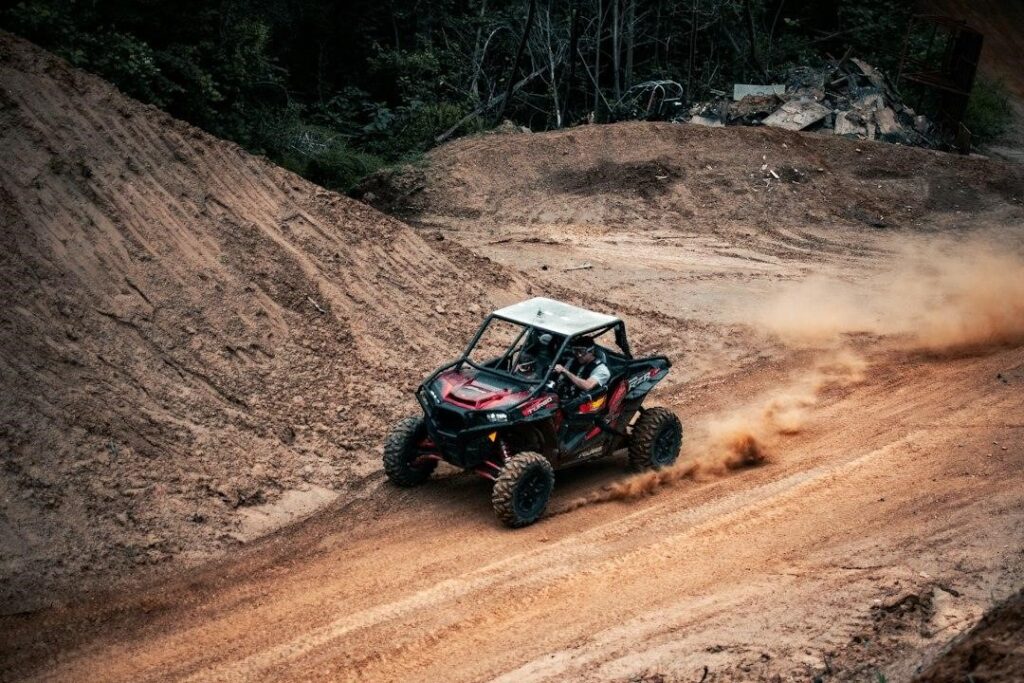
- Full-size UTV or half-ton pickup. BLZ says fire departments have mounted the Ranger 60 in chief trucks and F-150 beds. Burn crews run them in Can-Am side-by-sides.
- Flatbed or utility body. The Defender 200 is a slide-in unit with a 200-gallon tank, foam capability and up to 1,200 psi.
A UTV reaches places a pickup cannot. A pickup covers road miles faster and carries more. Many rural fleets end up running one of each.
Why Pair an Electric Pump With the Host Vehicle?
Portable fire pumps have long used small gas engines. California’s Air Resources Board classes small off-road engines as spark-ignition units of 25 horsepower or less. Those engines face tighter rules every few years.
A gas pump also adds chores that fleet managers know well:
- A second fuel to buy, store and rotate before it goes stale.
- A pull start that may balk on a cold morning.
- Exhaust and noise right beside the operator.
BLZ’s electric design removes the separate pump engine. Its Redline pump delivers up to 16 gallons per minute (GPM, the flow rate) and up to 175 psi on the Ranger 60. The onboard battery runs it for up to four hours on its own.
The vehicle link is the clever part. BLZ’s Fight-Finity system replenishes the skid battery from the host UTV while the engine runs. The company describes the result as effectively unlimited runtime. EV owners will recognize the idea as a managed power share.
How Do Electric UTVs and EV Pickups Change the Plan?
Battery-electric work vehicles raise a fair question. Can the whole rig run without fuel?
Big fleets have already tested the idea. Several cities have trialed electric fire trucks with hybrid range extenders. They keep a fuel backup because a fire call cannot wait for a charger.
Smaller rigs face the same limits. Heavy loads, steep grades and summer heat all cut EV range. A full water tank brings all three at once. Plan range for the loaded trip out and the trip back.
But, there is an upside. Some electric pickups can act as mobile power stations for tools and battery chargers. Utilities sometimes cut grid power during high fire danger. A truck with exportable power can keep other batteries topped up when the shop has none.
Will the Truck Corner and Brake Differently?
Yes, and drivers feel it on the first slope. Water shifts as you turn and brake. Internal baffles slow that surge, which is why BLZ builds them into its tanks.
Height matters as well. The Ranger 60 stands about 37 inches tall at the hose reel. Every inch of mass above the bed floor raises the center of gravity. EV engineers place battery packs low for the same reason.
A few habits help the rig stay planted:
- Use the factory tie-down cleats or through-bolts, not plastic trim.
- Keep the heavy end close to the cab and centered side to side.
- Slow down on side slopes, especially with a half-full tank.
How Can a Work Vehicle Avoid Starting a Fire?
A clean drivetrain still runs hot underneath. Smokey Bear’s vehicle fire prevention advice notes that a hot exhaust or undercarriage can ignite dry grass. Loose safety chains and bare wheel rims can also throw sparks onto the roadside.
Electric drive removes the exhaust pipe, but brakes and bearings still heat up. Stick to established tracks in cured grass. Park on gravel or bare dirt, and check chains before every tow.
Frequently Asked Questions
What Payload Should I Budget for a Ranger 60?
BLZ lists the Ranger 60 at about 300 pounds dry. Water adds close to 500 pounds when full. Plan for roughly 800 pounds against your payload.
Will It Fit in a Half-Ton Truck Bed?
Many can, depending on trim and payload. BLZ notes Ranger 60 units mounted in F-150 beds. Check the door-jamb sticker before you buy.
Does the Skid Battery Drain the Vehicle?
The skid carries its own battery for the pump. BLZ’s charging system feeds that battery from the host while it runs. Confirm the wiring with both makers first.
Is a Water Upfit a Substitute for 911?
No. A skid helps owners and crews reach small fires sooner, but call 911 first whenever a fire starts or spreads.
