
This article may contain affiliate links.
The global automotive aftermarket is undergoing a structural shift, entering a new stage of development that is creating significant growth opportunities for brake pad distributors, importers and aftermarket brands worldwide. According to industry estimates from Statista, Grand View Research and other automotive research organizations, the global automotive aftermarket is expected to continue expanding toward $600–700 billion by 2030, driven by the increasing global vehicle population, aging vehicle fleets, longer vehicle ownership cycles and rising demand for replacement components across both developed and emerging markets.
Within this expanding aftermarket ecosystem, brake components represent one of the most attractive and resilient product categories. Brake pads, brake shoes and brake linings are essential maintenance products directly related to vehicle safety and replacement frequency, creating continuous demand throughout the vehicle lifecycle. Unlike many automotive components that may experience demand fluctuations due to technology changes, friction products maintain broad market potential across passenger vehicles, commercial vehicles, fleet applications and hybrid platforms because mechanical braking systems remain fundamental to vehicle operation.
For distributors and aftermarket brands, this market evolution represents more than simply an increase in product demand—it creates opportunities to build stronger market positions through product differentiation and brand development. As vehicle ownership continues to expand and replacement demand increases globally, companies that can provide reliable, differentiated and application-specific brake solutions are better positioned to capture market share, improve customer loyalty and establish long-term competitiveness.
However, market growth alone does not guarantee success. As global sourcing networks mature and product information becomes increasingly transparent, brake pad buyers are becoming more selective. They are no longer evaluating suppliers only based on price and production capacity, but increasingly focusing on technical capability, product consistency, certification compliance, application coverage and long-term supply reliability.
At the same time, brake pad requirements are becoming increasingly diversified. Differences in vehicle types, driving conditions, climate environments, road infrastructure and regional regulations are creating significant variations in friction material requirements. A brake pad designed for European passenger vehicles may prioritize low noise, low dust and OE-level driving comfort, while products for North American pickups, fleets and heavy-duty vehicles may require higher thermal stability, longer service life and stronger load resistance.
This market diversification is creating new opportunities for distributors and regional brands to move beyond traditional product resale models. Instead of competing only through pricing, leading aftermarket companies are increasingly developing private label programs, customized brake pad ranges and market-specific product strategies to strengthen brand recognition and increase profitability.
As a result, competition in the brake pad industry is shifting from simple manufacturing capability toward integrated engineering and supply chain capability. Successful suppliers are no longer defined only by production scale or cost advantages, but by their ability to support customers through friction material development, vehicle application knowledge, testing validation, manufacturing consistency, packaging customization and continuous product improvement.
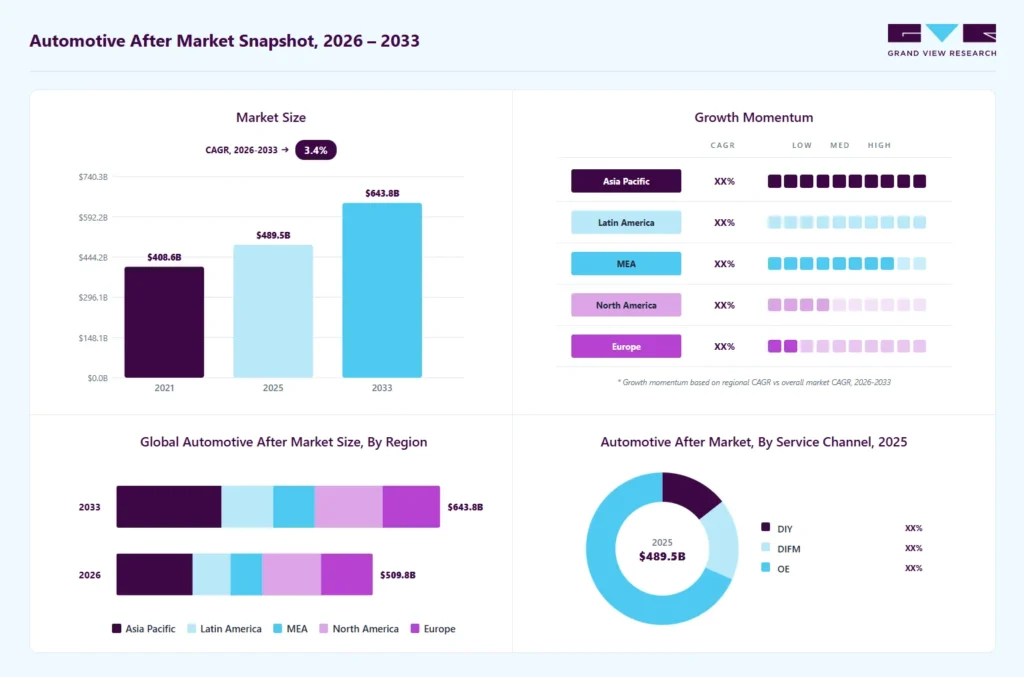
For aftermarket companies seeking sustainable growth, custom brake pad development and private label manufacturing provide an effective pathway to transform market opportunities into competitive advantages. By working with capable brake pad manufacturers, distributors can develop differentiated product portfolios, respond faster to regional market demands and build stronger positions in an increasingly competitive global aftermarket.
Professional brake pad OEM solution providers like Tuoba Brake Pad Manufacturer help global distributors, importers and aftermarket brands turn market opportunities into competitive products through customized friction formulations, application-specific development, strict quality control and reliable mass production capabilities. From product development and performance validation to private label manufacturing and global supply support, Tuoba provides a complete solution to help partners build differentiated brake pad portfolios and achieve long-term growth in their target markets.
Why Brake Pad Distributors Are Moving Toward Custom and Private Label Solutions
While the global automotive aftermarket continues to expand, the traditional brake pad supply model based on standardized products and price competition is becoming increasingly difficult to sustain. For distributors, importers and aftermarket brands, simply sourcing identical replacement products from multiple suppliers is no longer enough to create long-term market advantages.
Several key market changes are accelerating the shift toward customized brake pad solutions.
First, generic brake pads are becoming increasingly commoditized. As global manufacturing capacity continues to expand across major production regions including China, Southeast Asia and Eastern Europe, the availability of similar aftermarket products has increased significantly. Many suppliers can now provide comparable specifications, certifications and basic product coverage, making it increasingly difficult for distributors to differentiate themselves through standard products alone.
Second, global supply chain transparency has fundamentally changed purchasing behavior. Digital procurement platforms, cross-border sourcing channels and supplier comparison tools allow buyers to evaluate multiple manufacturers based on pricing, certifications, production capability and technical information within a short period of time. This increased transparency has compressed margins for suppliers and distributors relying only on price-based competition.
Third, private label development is becoming an increasingly important growth strategy for aftermarket companies. Instead of depending entirely on manufacturer brands, distributors and regional importers are increasingly building their own brake pad brands to strengthen customer relationships, improve profit margins and create greater control over market positioning. This trend is particularly evident in Europe, the Middle East, Latin America and other regions where local distribution networks play a critical role in aftermarket sales.
At the same time, professional buyers—especially fleet operators and commercial vehicle users—are placing greater emphasis on total cost of ownership (TCO) rather than initial purchase price. Factors such as brake pad service life, braking consistency, noise control, dust generation, maintenance intervals and vehicle downtime are becoming increasingly important in supplier selection. As a result, demand is growing for suppliers capable of providing validated performance data, standardized testing support such as ECE R90 and SAE testing and stable batch-to-batch production quality.
These market changes are redefining competition within the brake pad industry. Success is no longer determined only by manufacturing scale or low-cost supply, but by the ability to develop differentiated products, support regional market requirements, and provide consistent engineering performance under a recognizable brand system.
For this reason, custom brake pad development and private label manufacturing are becoming strategic tools for distributors and aftermarket brands seeking to capture new market opportunities, increase customer loyalty and build sustainable competitive advantages.
Regional Market Requirements Define Product Reality: Why Global Brake Pad Markets Require Customization
The transition toward custom brake pad solutions is driven by one fundamental market reality: brake pad requirements are not universal across global markets.
Although brake pads perform the same basic function—converting kinetic energy into controlled friction force—the actual performance expectations vary significantly depending on vehicle population structure, driving behavior, climate conditions, road infrastructure, regulatory requirements and purchasing preferences.
For aftermarket distributors and regional brands, this means that simply importing standardized brake pads and competing through price is becoming increasingly challenging. A product that performs successfully in one market may not achieve the same acceptance in another market because friction materials must be engineered around specific operating environments and customer expectations.
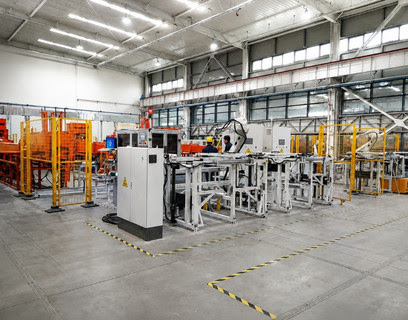
For example, European passenger vehicle markets often emphasize OE-level braking performance, low noise, low dust generation and strict regulatory compliance. North American markets typically place greater importance on durability, towing capability, fleet operation and long service intervals. Meanwhile, emerging markets may prioritize wear resistance, broad vehicle coverage, cost-performance balance and adaptability to variable road conditions.
Therefore, successful custom brake pad programs require a market-driven development approach. Instead of designing products based only on vehicle specifications, manufacturers and brands must consider the complete application environment, including how vehicles are used, where they operate and what performance characteristics local customers value most.
This market-specific development capability allows distributors and aftermarket brands to create differentiated product portfolios, avoid direct price competition and build stronger market positions through products that are better aligned with local demand.
Germany: Precision-Oriented Market with Strong Technical Validation Culture
For distributors targeting the German aftermarket, product competitiveness is strongly linked to technical credibility, OE-level performance, and consistent quality.
Germany represents one of the most demanding passenger vehicle aftermarket environments in Europe, supported by a premium vehicle price, high-speed highway driving conditions and a mature independent aftermarket with strict quality expectations. Vehicles from brands such as BMW, Mercedes-Benz Audi, and Volkswagen have created strong demand for replacement brake pads that closely match original equipment performance characteristics.
Brake pads developed for this market must provide stable friction behavior under high-speed braking conditions, precise pedal response, low NVH characteristics, and consistent performance across different temperature ranges.
Key market requirements include:
- Strong compatibility with premium vehicle platforms
- Stable friction output during high-energy braking cycles
- Tight control of brake noise and vibration characteristics
- High consistency between production batches
- Compliance with ECE R90 requirements and additional technical validation expectations
In the German market, purchasing decisions are often influenced more by technical confidence and reliability than by the lowest price. Therefore, suppliers supporting this market must provide not only manufacturing capability, but also engineering expertise and validation support.
United States: High-Mileage Market Driven by Fleet and Heavy-Duty Applications
The U.S. brake aftermarket represents one of the largest and most diverse markets globally, characterized by a high penetration of pickup trucks, SUVs, light trucks and commercial fleet vehicles.
For distributors serving North America, brake pad performance is strongly connected to vehicle usage conditions. Long-distance highway driving, towing applications, logistics operations and frequent heavy-load braking create higher demands for durability, thermal stability and lifecycle performance.
Compared with markets where comfort features dominate purchasing decisions, many U.S. buyers place greater emphasis on total cost of ownership, including service intervals, wear life, maintenance frequency and operational reliability.
Products targeting this market typically require:
- Extended wear resistance under high-mileage operation
- Stable braking performance during towing and heavy-load conditions
- Controlled pad wear to protect rotor life
- Low-copper or copper-free friction formulations aligned with environmental regulations
- Performance validation based on SAE testing standards
For aftermarket brands and fleet suppliers, developing durable and application-specific brake solutions provides an opportunity to differentiate beyond price competition.
Brazil: High-Wear Environment with Strong Demand for Durable Solutions
Brazil represents an important Latin American aftermarket market with a large vehicle population, aging fleets and strong replacement demand. However, the market environment presents unique challenges due to mixed road conditions, urban congestion and diverse vehicle usage patterns.
Vehicles operating in Brazil may experience frequent stop-and-go traffic, uneven road surfaces and extended driving conditions, creating higher wear requirements for friction materials.
For distributors entering this market, product success depends on balancing durability, compatibility coverage and cost efficiency.
Typical product requirements include:
- Strong wear resistance under variable road conditions
- Stable braking performance during frequent urban braking cycles
- Broad vehicle application coverage
- Cost-effective friction material solutions
- Reliable performance for commercial vehicles and passenger cars
In Brazil, durability and reliability are often prioritized over premium comfort characteristics, making reinforced semi-metallic formulations a common choice for many applications.
Saudi Arabia: Extreme Heat Environment Requiring Thermal Stability
Saudi Arabia represents one of the most demanding thermal environments for brake systems due to extreme temperatures, long-distance highway operation, heavy SUV and pickup usage and significant logistics and construction activity.
For distributors operating in Middle Eastern markets, thermal performance is often one of the most important product selection factors. Brake pads must maintain stable friction performance under repeated high-temperature braking conditions while resisting wear caused by dust and harsh operating environments.
Key product requirements include:
- Strong resistance to friction fade at elevated temperatures
- Stable braking response after repeated high-speed deceleration
- Reinforced formulations for heavy-load vehicles
- Resistance to abrasive dust contamination
- Long service life under severe operating conditions
In this environment, high-temperature resistant and heavy-duty friction solutions provide distributors with stronger opportunities to serve fleet, commercial and industrial vehicle customers.
Cross-Country Insight: Turning Market Differences into Product Opportunities
Across different regions, brake pad requirements are shaped by four major factors: vehicle population structure, operating environment, customer purchasing behavior and regulatory expectations. Together, these factors determine how friction products are evaluated in terms of wear resistance, thermal stability, braking consistency, noise control and overall service life.
These regional differences demonstrate one fundamental reality of the global brake pad aftermarket: there is no universal product solution that can achieve the same level of market acceptance across all countries. A brake pad formulation that performs well in one market may require significant adjustments before entering another market due to differences in vehicle types, driving habits, climate conditions, road environments and customer expectations.
For example, passenger vehicle markets with strong OE-oriented purchasing behavior may prioritize low noise, low dust and refined braking comfort, while fleet-dominated markets may place greater emphasis on durability, thermal resistance, maintenance intervals and total cost of ownership. In regions with extreme temperatures or challenging road conditions, brake pads must be further optimized for heat resistance, wear control and long-term performance stability.
These market differences create both challenges and opportunities for aftermarket distributors and brands. Traditional supply models based on standardized products often lead to increasing price competition, as similar products become easier to source from multiple suppliers. In contrast, companies that develop market-specific brake pad portfolios can create stronger differentiation, improve customer loyalty and capture greater value within their target markets.
This is why custom brake pad development is becoming an increasingly important competitive strategy. By adapting friction formulations, product specifications and application coverage to regional requirements, distributors and aftermarket brands can move beyond simple product resale and build their own market positioning through differentiated solutions.
Working with an experienced OEM partner enables companies to transform market insights into commercially successful brake pad products. Through customized friction material development, application engineering, testing validation, packaging support and stable mass production capabilities, a capable manufacturer can help distributors develop solutions that better match local demand while maintaining consistent quality and reliability.
For companies seeking long-term growth in the global automotive aftermarket, custom brake pads are no longer simply a product customization option. They represent a strategic approach to building stronger brands, expanding market coverage, improving profitability and establishing sustainable competitive advantages.
The next stage of this development process focuses on translating market requirements into engineering solutions. By understanding how operating conditions influence friction material performance, manufacturers can design brake pad formulations that achieve the right balance between braking effectiveness, durability, comfort and cost across different vehicle applications.
Custom Friction Engineering: Developing Brake Pad Solutions for Different Markets
Once regional requirements are translated into engineering targets, brake pad development moves into a structured friction engineering process. At this stage, product performance is no longer optimized around a single specification, but through a carefully controlled balance between multiple functional requirements determined by vehicle type, operating conditions, customer expectations and market positioning.
For aftermarket distributors and brands, this engineering capability is one of the most important differences between generic product sourcing and strategic product development. A successful brake pad solution is not simply defined by whether it fits a specific vehicle model. It must also deliver the expected braking characteristics, service life, comfort level and operating stability required by the target market.
A brake pad is a complex friction system that simultaneously manages energy conversion, surface interaction, thermal transfer and material wear behavior. During braking, kinetic energy is converted into heat through controlled friction between the brake pad and rotor surface. The friction material must maintain stable performance across different temperature ranges while minimizing unwanted effects such as excessive wear, noise generation, vibration, and inconsistent braking response.
Because these requirements often conflict with each other, brake pad formulation development is fundamentally a process of engineering balance rather than maximizing a single performance parameter.
One of the most critical challenges is balancing high-temperature resistance with noise performance. Increasing metallic reinforcement within a friction formulation can improve heat dissipation capability and enhance fade resistance during repeated high-energy braking. This makes such formulations suitable for heavy-duty vehicles, fleet applications and demanding operating environments. However, higher metallic content may also increase vibrationtransmission and noise potential if the formulation is not properly balanced with damping materials, fillers and friction modifiers.
Similarly, achieving low-dust performance requires careful control of material composition. Ceramic-based formulations and advanced non-metallic fiber systems can reduce particulate generation and provide cleaner wheel appearance, making them attractive for passenger vehicles where comfort and aesthetics influence purchasing decisions. However, reducing dust generation must be achieved without compromising friction stability, braking response or temperature performance.
Noise and vibration control represents another major engineering challenge in modern brake pad development. Low NVH performance requires precise interaction between friction modifiers, resin systems, reinforcing fibers and damping structures. The objective is not simply to eliminate noise, but to create a stable friction interface that maintains quiet operation without reducing braking effectiveness or durability.
Durability is particularly important for commercial vehicles, fleet applications and high-mileage markets where maintenance intervals directly influence operating costs. Long-life brake pads rely on optimized resin systems, wear-resistant fillers and controlled material degradation characteristics to maintain consistent friction performance throughout extended service cycles.
Through this engineering process, market expectations are converted into measurable technical targets. These targets typically include friction coefficient stability, μ-curve consistency across different temperature ranges, fade resistance under continuous and peak braking conditions, wear rate evaluation under laboratory and real-world testing cycles, and NVH performance assessment including noise frequency and vibration intensity.
Advanced brake pad development therefore requires a combination of material science, application engineering and performance validation. The objective is not to create a universally optimized friction material, but to develop the right formulation for a specific application environment, vehicle category and market requirement.
For distributors and aftermarket brands, partnering with an experienced OEM manufacturer provides access to this engineering capability. Through customized formulation development, application matching and technical validation support, companies can transform market requirements into differentiated brake pad products that deliver stronger customer value and long-term competitive advantages.
From Testing to Trust: How Validation Builds Stronger Brake Pad Brands
A brake pad formulation cannot achieve commercial success through laboratory development alone. In the global aftermarket, product performance must be proven through a structured validation process that connects engineering design with real-world driving conditions, regulatory requirements and long-term application reliability.
For distributors, importers, and aftermarket brands, validation is more than a technical procedure—it is a foundation of commercial trust. When launching a new brake pad product, buyers need confidence that the product can deliver consistent braking performance, meet regional compliance requirements and maintain reliability throughout its service life. Without sufficient validation data, even a technically promising formulation may face challenges during market introduction.
Modern brake pad validation is therefore built around multiple testing layers, combining laboratory evaluation, vehicle-level testing and long-term application feedback. This approach ensures that friction materials are not only optimized under controlled conditions, but also perform reliably in actual operating environments.
The first stage is laboratory testing, where engineers evaluate fundamental friction characteristics and material behavior under controlled conditions. Key performance indicators include friction coefficient stability, fade resistance, recovery performance after high-temperature exposure, wear rate and mechanical strength. These tests help establish the basic performance profile of a formulation and identify whether it meets the requirements of a specific vehicle application or market condition.
Industry-standard testing frameworks such as SAE J2521 for noise, vibration, and harshness (NVH) evaluation, SAE J2522 for dynamometer-based friction performance analysis, ISO 6312 for shear strength evaluation and ECE R90 certification requirements provide important benchmarks for assessing brake pad safety, stability and repeatability in global markets.
However, laboratory results represent only one part of the validation process. Real-world driving conditions introduce additional variables, including different road surfaces, temperature fluctuations, driving habits, vehicle loads and braking frequencies. Therefore, road testing is essential to evaluate practical performance characteristics such as pedal feel, braking comfort, noise behavior and overall driving experience.
For commercial vehicles and fleet applications, validation must extend beyond laboratory testing and include long-term operational evaluation under real working conditions. Fleet users typically assess brake pad performance based on total cost of ownership (TCO), including service intervals, replacement frequency, maintenance efficiency and potential downtime risks. A brake pad solution that maintains consistent performance throughout extended mileage can significantly improve operational efficiency for fleet operators while strengthening the market competitiveness of aftermarket brands.
A comprehensive validation system therefore requires a progressive evaluation approach that connects laboratory analysis, real-world vehicle testing and long-term field application feedback. Laboratory validation establishes the technical foundation by evaluating key performance characteristics such as friction behavior, thermal resistance, wear performance and material stability under controlled conditions. Vehicle and road validation then confirms whether the brake pad can maintain consistent braking performance across different speeds, loads, temperatures and driving environments. Finally, field and fleet validation evaluates long-term durability, production consistency and customer acceptance through actual market application, ensuring that the product can deliver reliable performance throughout its commercial lifecycle.
Only through this complete validation process can a brake pad move from a development concept into a reliable commercial product. For global distributors and private label brands, validation capability reduces market entry risks, supports customer confidence and provides stronger evidence when competing in demanding aftermarket environments.
This is why selecting the right OEM partner is critical. A capable brake pad manufacturer not only provides production capacity, but also supports customers with engineering validation, certification experience, quality control systems and continuous improvement capabilities.
By combining customized formulation development with comprehensive testing and validation, OEM partners help distributors transform technical solutions into market-ready brake pad products that build trust, strengthen brand reputation and create long-term business opportunities.
Manufacturing Excellence: Turning Brake Pad Engineering into Scalable Market Success
Successful brake pad development does not end when a formulation passes validation testing. For distributors, importers and aftermarket brands, the real commercial challenge begins when a product moves from small-scale development into long-term mass production.
A brake pad brand is not built on the performance of a single sample. It is built on the ability to deliver thousands or even millions of units with consistent braking characteristics, stable quality and predictable performance throughout the product lifecycle.
This is why manufacturing consistency has become one of the most important evaluation criteria when selecting a brake pad OEM partner. A supplier’s capability is not only measured by whether it can develop a high-performance formulation, but also by whether it can reproduce that performance accurately across different production batches and long-term supply cycles.
Brake pad manufacturing involves multiple variables that can influence final product performance, including raw material properties, formulation accuracy, mixing uniformity, pressing conditions, curing parameters, surface treatment processes and final inspection standards. Without strict process control, even small variations can affect friction coefficient stability, wear behavior, noise performance and overall product reliability.
To achieve consistent production quality, professional brake pad manufacturers rely on structured quality management systems and manufacturing control processes. Raw materials are managed through strict supplier qualification and batch-level traceability systems, ensuring that every component used in production meets defined technical requirements.
During the manufacturing process, critical parameters such as material mixing ratios, pressing pressure, curing temperature, curing time and surface finishing conditions are carefully controlled. These processes ensure that friction materials maintain stable physical and chemical characteristics from one production batch to another.
Advanced manufacturing systems also incorporate continuous quality monitoring and data-based process management. Through automated production controls, barcode traceability, inspection procedures and performance sampling systems, manufacturers can quickly identify potential variations and maintain stable product output.
For global aftermarket brands and distributors, this manufacturing discipline creates significant commercial value. Consistent production quality helps reduce warranty risks, improve customer satisfaction, maintain brand reputation and support long-term market expansion. A brake pad product that performs reliably across different markets strengthens customer trust and creates repeat purchasing opportunities.
In addition to production stability, packaging flexibility and supply chain support are becoming increasingly important for private label customers. Distributors often require customized packaging, product labeling, application-specific catalogs and coordinated supply solutions to build their own aftermarket brands.
Therefore, a capable OEM partner should provide more than manufacturing capacity. The ideal partner should combine engineering expertise, quality management systems, production flexibility and supply chain reliability to support customers throughout the entire product lifecycle.
For aftermarket companies seeking to establish a competitive brake pad brand, manufacturing consistency is the bridge between technical innovation and commercial success. By working with an experienced OEM manufacturer, distributors can ensure that every product delivered to the market represents the same level of performance, reliability, and brand value.
Beyond Product Launch: Building Long-Term Competitive Advantage Through Continuous Innovation
Launching a successful brake pad product is only the beginning of long-term market competition. In the global aftermarket, product performance expectations continue to evolve as vehicle technologies change, regulations become stricter, and customer requirements become more sophisticated.
Unlike many automotive components that remain relatively stable after introduction, friction materials operate in a constantly changing environment. Brake pad performance is influenced by vehicle platform updates, driving patterns, environmental conditions, regulatory requirements and feedback from real-world applications. Therefore, successful brake pad brands must continuously optimize their products rather than treating them as fixed solutions.
For distributors and aftermarket brands, this creates an important strategic opportunity. Companies that establish a continuous product development process can respond faster to market changes, expand application coverage and build stronger relationships with customers. In contrast, businesses relying only on standard replacement products may gradually lose competitiveness as market expectations continue to rise.
One of the most significant factors influencing future brake pad development is vehicle electrification. Although electric vehicles and hybrid vehicles use regenerative braking systems to reduce mechanical brake usage, friction materials remain essential for safety-critical braking situations. At the same time, electrification introduces new technical requirements, including increased sensitivity to noise and vibration, longer periods of brake inactivity, higher corrosion risks and different wear patterns caused by changed braking frequency.
These changes are driving brake pad manufacturers to focus on broader performance solutions rather than traditional friction optimization alone. Future-oriented friction materials must provide stable braking performance under low-usage conditions, improved corrosion resistance, enhanced NVH control and compatibility with new vehicle platforms.
Regulatory trends are also reshaping product development strategies. Environmental requirements, including copper reduction initiatives and low-emission material standards, are encouraging manufacturers to develop more advanced friction formulations while maintaining safety, durability and performance expectations.
For commercial vehicles and fleet applications, lifecycle management is equally important. Fleet operators continuously evaluate products based on operational efficiency, maintenance frequency, downtime reduction and total cost of ownership. Brake pad suppliers that can provide reliable performance data, application support and continuous improvement programs are better positioned to become long-term partners rather than simple component suppliers.
A strong aftermarket product strategy therefore requires continuous collaboration between brands and OEM manufacturers. Through field performance feedback, application expansion, formulation optimization and technical improvement, suppliers can help customers maintain product competitiveness throughout the entire market lifecycle.
For distributors building their own brake pad brands, partnering with an experienced OEM manufacturer provides the flexibility and technical capability needed for long-term growth. From initial product development to future platform expansion, a reliable OEM partner can support continuous innovation, quality improvement and market adaptation.
In an increasingly competitive global brake pad market, long-term success is not determined only by launching a product. It depends on the ability to continuously improve, respond to market changes and provide customers with reliable friction solutions throughout the product lifecycle.
Building the Future of Brake Pad Brands Through Custom Solutions
The future of the global brake pad aftermarket will not be defined only by manufacturing capacity or product availability. As competition continues to increase and customer expectations become more sophisticated, successful brake pad brands will be built on the ability to combine market understanding, engineering capability, manufacturing consistency and long-term product development.
Custom brake pad development should therefore be viewed as a complete business system rather than a simple product customization process. From identifying regional market requirements to developing friction formulations, validating performance, maintaining production consistency and continuously improving products after launch, every stage influences the final market success of a brake pad brand.
For distributors, importers and aftermarket companies, this transformation creates new opportunities. Instead of competing only through price with standardized replacement products, companies can build stronger market positions by developing differentiated brake pad portfolios that match local vehicle conditions, customer expectations and application requirements.
A successful custom brake pad strategy enables businesses to achieve several long-term advantages, including stronger brand recognition, improved customer loyalty, better control over product positioning and greater flexibility to respond to changing market demands. By offering solutions designed specifically for their target markets, distributors can move from being simple product buyers to becoming competitive aftermarket brands.
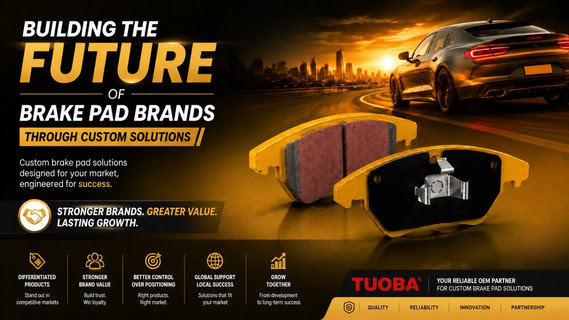
However, achieving this goal requires more than a manufacturing supplier. It requires an OEM partner with the ability to integrate friction material engineering, application knowledge, testing capability, quality control systems, and scalable production resources into a complete development process. Professional brake pad OEM solution providers like Tuoba support global distributors, importers and aftermarket brands in developing competitive friction solutions through customized formulation development, application engineering, performance validation and reliable mass production.
With advanced manufacturing capabilities, strict quality management systems and experience supporting global aftermarket applications, Tuoba helps partners transform market opportunities into differentiated brake pad products that meet regional requirements and long-term customer expectations.
From private label brake pad programs and customized friction formulations to large-scale production support, Tuoba is among the companies that provide a complete OEM partnership solution designed to help customers expand product coverage, strengthen brand competitiveness and capture growth opportunities in the global automotive aftermarket.
In an increasingly competitive industry, the future belongs to companies that can combine market insight with engineering capability. Custom brake pads are no longer simply replacement components—they are strategic products that help aftermarket brands build value, differentiate themselves and achieve sustainable growth.
