
This article may contain affiliate links.
Electric vehicles promise lower emissions. But regulatory compliance requires more than just swapping out gas-powered vehicles.
Climate disclosure regimes, clean transportation mandates and anti-greenwashing enforcement are raising the bar for how companies document environmental performance. So, fleet electrification is no longer just a simple operational upgrade.
Sustainability rules increasingly demand measurable proof. For companies with fleets, that means showing how EV adoption changes emissions totals, reporting controls and governance structures in ways that stand up to scrutiny.
Emissions Reporting Alignment
Climate disclosure rules in the U.S. and abroad now require companies to quantify greenhouse gas emissions with far greater rigor. For fleet-heavy businesses, vehicle fuel use often represents a material share of Scope 1 emissions.
Therefore, that makes electrification of fleets directly relevant to compliance. Most organizations operate both internal combustion and electric vehicles during transition periods. Sustainability rules do not allow companies to spotlight EV gains while overlooking legacy emissions.
Fleets meet new sustainability rules when going EV by implementing unified accounting systems that track fuel consumption, electricity use and consistent emissions factors across the entire fleet.
Phased electrification requires long-term modeling of cost and vehicle mix. Structured transition plans support credible climate disclosures by linking EV procurement decisions to stated reduction targets.
Charging Data Compliance
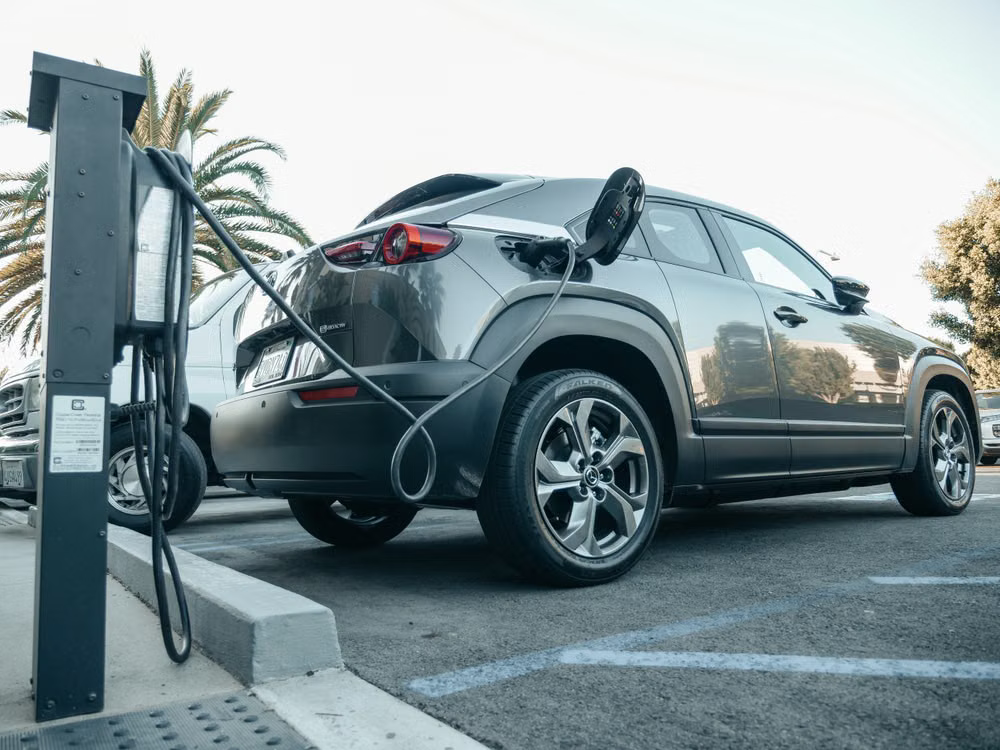
Switching to EVs shifts regulatory attention from tailpipe emissions to electricity sourcing. Under evolving climate disclosure frameworks, companies must explain how Scope 2 emissions are calculated and how EV data is verified.
For fleets, integrated utility data provides defensible documentation of kilowatt-hours consumed and the emissions intensity of that electricity. When sustainability reports are reviewed by auditors, that level of detail becomes critical.
Technology providers are responding directly to these compliance pressures. EV charge monitoring tools now deliver near real-time greenhouse gas reporting aligned with disclosure frameworks.
So, fleets can meet new sustainability rules when going EV by automating charging data capture and reducing reliance on manual estimates.
Meeting Clean Fleet Mandates
In addition to disclosure regimes, some jurisdictions impose direct zero-emission vehicle requirements on certain fleet categories. State-level clean fleet mandates in parts of the U.S. require phased adoption of electric vehicles, particularly for public or commercial operators.
Compliance under these mandates is operational, not just administrative. Fleets must align procurement cycles, infrastructure deployment, and vehicle retirement schedules with regulatory timelines.
Clear transition roadmaps demonstrate that EV adoption is structured and measurable rather than reactive.
Integrated planning also reduces risk. Coordinated forecasting of capital expenditures, charging infrastructure build-out and workforce training supports both regulatory compliance and long-term business continuity.
Electrification becomes a managed transition tied directly to rule-based obligations.
Supply Chain Due Diligence
As sustainability rules expand to cover supply chain impacts, EV procurement introduces new disclosure considerations. Battery production, mineral sourcing and manufacturing emissions can become relevant under broader Scope 3 or product sustainability reporting frameworks.
Fleets increasing EV purchases may need documentation from suppliers to support lifecycle emissions reporting and responsible sourcing claims. Vague sustainability statements increase greenwashing exposure.
Fleets can meet new sustainability rules when going EV by:
- Formalizing supplier questionnaires
- Requesting verified emissions data
- Maintaining documentation that can withstand regulatory inquiry
Contract language is evolving alongside disclosure expectations. Purchase agreements increasingly include audit rights, data-sharing obligations, and commitments tied to environmental performance metrics.
Procurement teams that embed compliance requirements into supplier contracts create enforceable standards rather than informal expectations. Also, strong documentation practices streamline external assurance processes and reduce friction during sustainability audits.
Governance and Disclosure Controls
Sustainability reporting is moving from voluntary narrative to regulated disclosure in many jurisdictions. Electrification targets, transition timelines and emissions reductions are often highlighted in annual reports and investor communications, which brings legal accountability.
There is increasing enforcement around sustainability reporting in Europe. Similar scrutiny is emerging in the U.S. as climate disclosures gain regulatory weight.
Fleets will meet new sustainability rules by ensuring that public claims about electrification progress are backed by verifiable data. Effective oversight typically includes:
- Executive-level accountability for EV transition disclosures
- Documented methodologies for fleet emissions calculations
- Periodic internal audits of sustainability metrics
Organizations navigating complex reporting expectations often seek external legal support within the environmental, social and governance (ESG) field to review governance structures and disclosure controls.
The top ESG legal talents for hire can help companies navigate complex requirements with practical solutions that balance compliance, transparency and strategic value creation.
Aligning EV Fleets with Regulatory Expectations
Sustainability regulation is reshaping fleet strategy. Fleets can meet new sustainability rules when going EV by strengthening emissions accounting, integrating charging data, planning for clean fleet mandates, conducting supplier due diligence and formalizing governance controls.
Electrification alone does not guarantee compliance. Documented processes, consistent methodologies and defensible disclosures turn EV adoption into a rule-aligned strategy rather than a symbolic gesture.
Hopefully this article has been helpful. If it has been, take a moment to explore some of our other informative content.
