
This article may contain affiliate links.
Driver tiredness is among the most common safety problems affecting trucks on the roads. The National Highway Traffic Safety Administration estimates that fatigue-related crashes cost society $109 billion each year, with drowsiness accounting for 40% of cases. Hour-of-service rules have helped. However, they cannot account for everything that happens inside the vehicle during a long haul; here is how AI driver monitoring systems are reducing that gap.
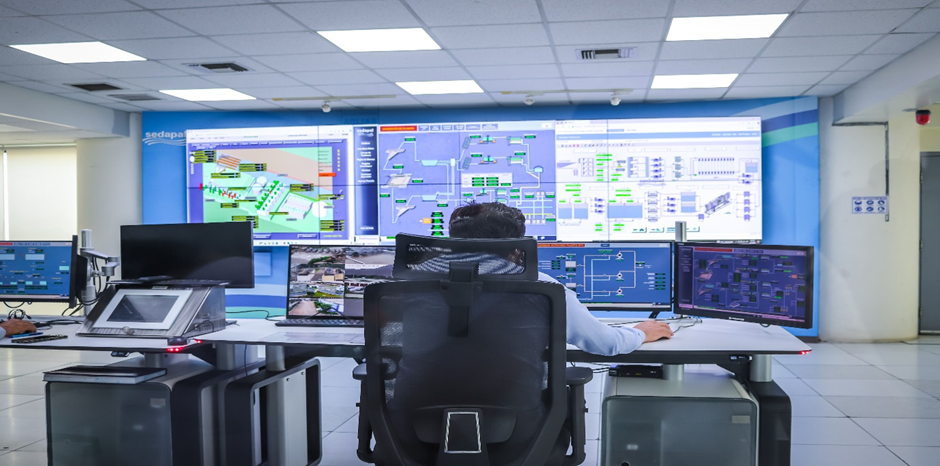
1. Detecting Early Signs of Fatigue Before They Worsen
The problem with fatigue is that a driver does not go from alert to sleep in an instant. There are warning signs, and AI systems are built to catch them early. These modern units use computer vision and validated scientific measures to analyze 100% of drive time and detect dangerous patterns invisible to the human eye. This means they can track the percentage of eye closure (PERCLOS) over time, blink patterns and head position.
The critical advantage is that AI-driven detection systems can work in darkness, early morning and through most eye protection gear. These are the common areas where traditional telematics fails. Timing also plays an important role, where AI systems can catch drowsiness indicators 30 to 60 seconds before a serious event occurs. That window is enough to wake a driver, prompt a rest stop or notify dispatch.
According to the Sleep Foundation, a few seconds of microsleep episodes can cause a vehicle to travel at highway speed without driver input. For a truck traveling at 55 mph, that gap is too large for the driver to blink back to awareness.
2. Reducing Distracted Driving That Accompanies Fatigue
When a driver is tired, their attention drifts. They reach for their phone, miss a lane change or lose track of the road. Distraction or inattention was among the most common factors in fatal large truck crashes involving driver-related factors, accounting for 278 fatal crashes in the most recent NHTSA reporting period. That number reflects that a fatigued driver is also a distracted driver.
Driver monitoring units use AI-enabled cameras and edge computing to detect distracted driving patterns such as phone use, eating and preoccupation. They then help stop unsafe driving habits from growing into accidents. This marks a meaningful shift from traditional tools that only answered the question of what happened after a crash.
Legal professionals familiar with commercial trucking cases, such as those at the Graham Firm truck accident lawyers, also understand that documentation of driver behavior and fleet monitoring data often plays a central role in determining liability. That documentation now exists in far greater detail than it did even five years ago, and AI systems are the reason why.
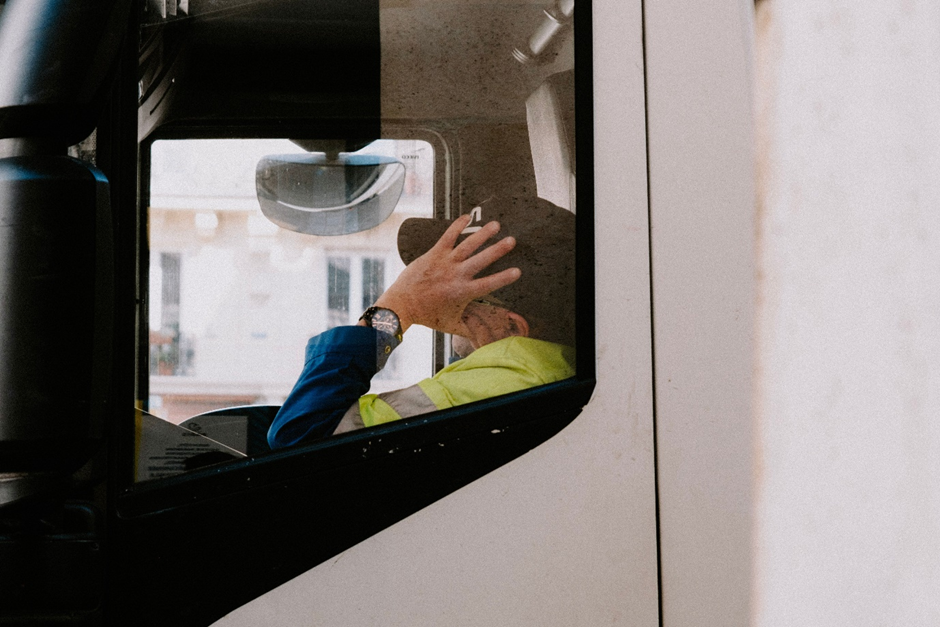
3. Giving Fleet Managers Actionable Safety Insights
The broader value of AI monitoring shows up in what it gives fleet managers to work with. AI systems capture video clips before and after the event, providing the management with critical context. They also generate driver safety scores based on individual behavior. This allows fleet managers to view trends and focus coaching efforts where they matter most.
The insights shift safety management from reactive to predictive. Instead of checking what went wrong after a crash, managers can see which drivers are trending toward risk before anything happens. Industry data shows that 47% of fleets see a positive return on investment from advanced tracking within a year. Cost savings related to accidents also average over 20%, while insurance premiums drop around 13%.
That data supports the idea that integrating AI-driven driver monitoring systems can lead to the development of targeted safety coaching programs, the recognition of safe routes for drivers and improved scheduling to reduce fatigue. Over time, these actionable steps create a stronger safety culture while reducing accident-related costs.
Endnote
AI-powered driver monitoring systems create a prevention culture that human supervision cannot match. They enable fleet managers to identify fatigue patterns, adjust schedules to reduce tiredness and implement road safety training measures. They also alert drivers before accidents occur, which prevents or reduces the degree of damage. However, these systems should not be treated as a replacement for driver accountability. Instead, they should serve only as a foundation for smarter, faster intervention.
