A Great Electric Vehicle…But Get It While You Can!
Politics are ending production of the 2027 Chevrolet Bolt. A combination of the federal $7,500 tax credit being eliminated, relaxed fuel and pollution regulations and tariffs are forcing auto manufacturers to onshore their production and allowing them to shift to more profitable combustion models. Consumers are the losers.
The Chevrolet Bolt is a very fine all-electric automobile that even without the tax credit is the lowest priced EV on the market at $27,600. Chevrolet is not abandoning the EV market as it offers larger and more profitable all-electric SUVs—the Blazer EV , Equinox EV and the Silverado EV.
Bolt Powertrain and Efficiency
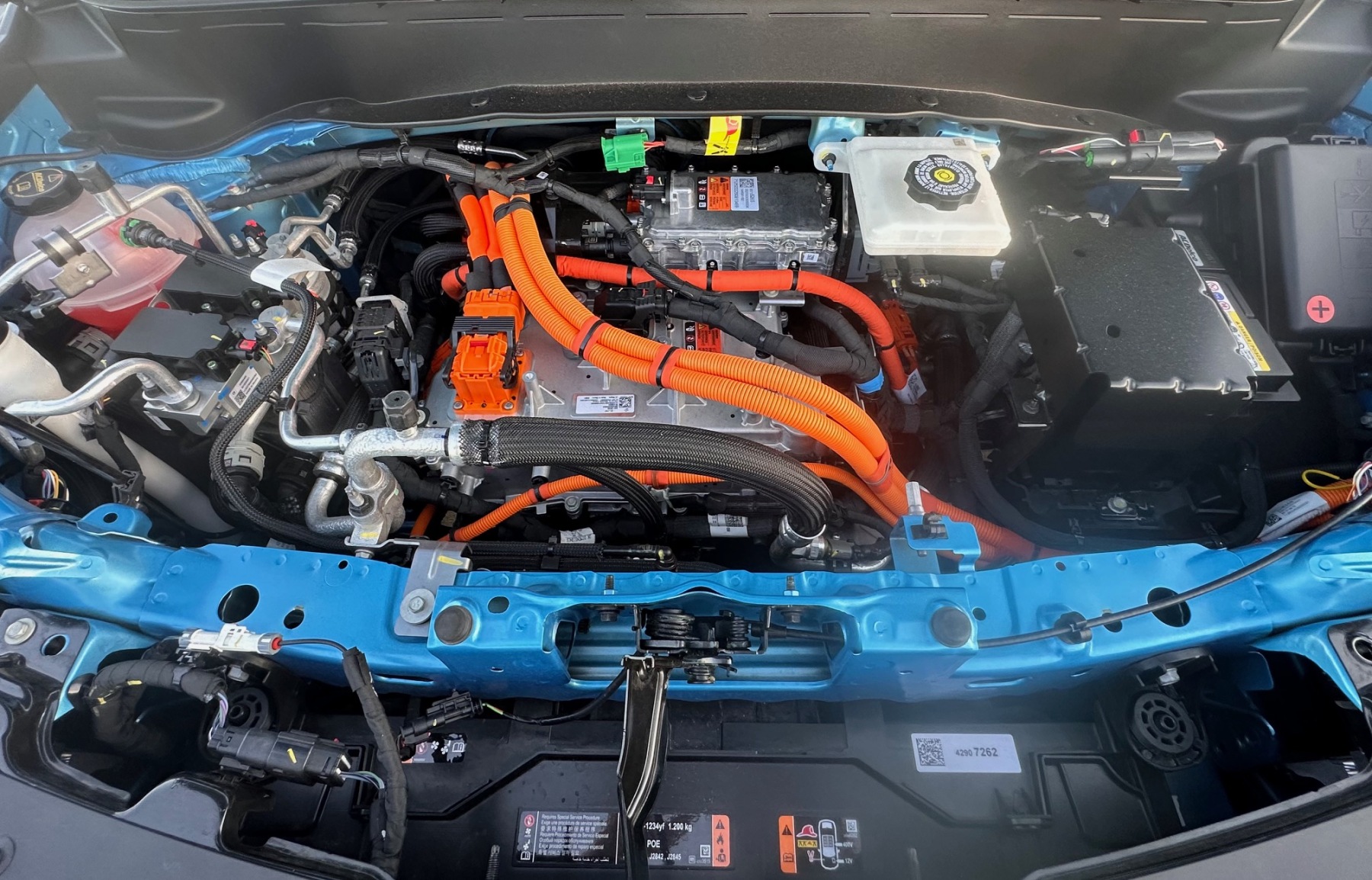
The 2027 Bolt has a 65 kWh lithium-iron phosphate (LFP) battery powering a single 150 kW motor, producing 210 horsepower and 169 pound-feet of torque through a one-speed automatic transmission driving the front wheels. The EPA estimates the all-electric driving range at 262 miles. Clean Fleet Report drove the Bolt 201 miles through Southern California on a mix of freeway and city streets and got 4.0 miles per kWh, which is very efficient.
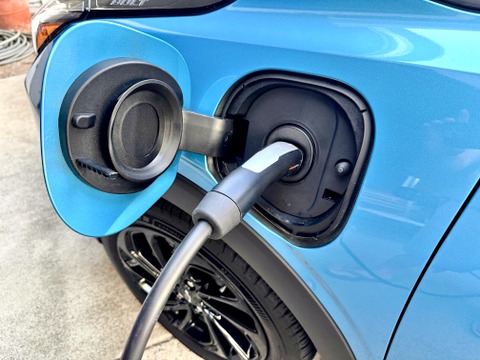
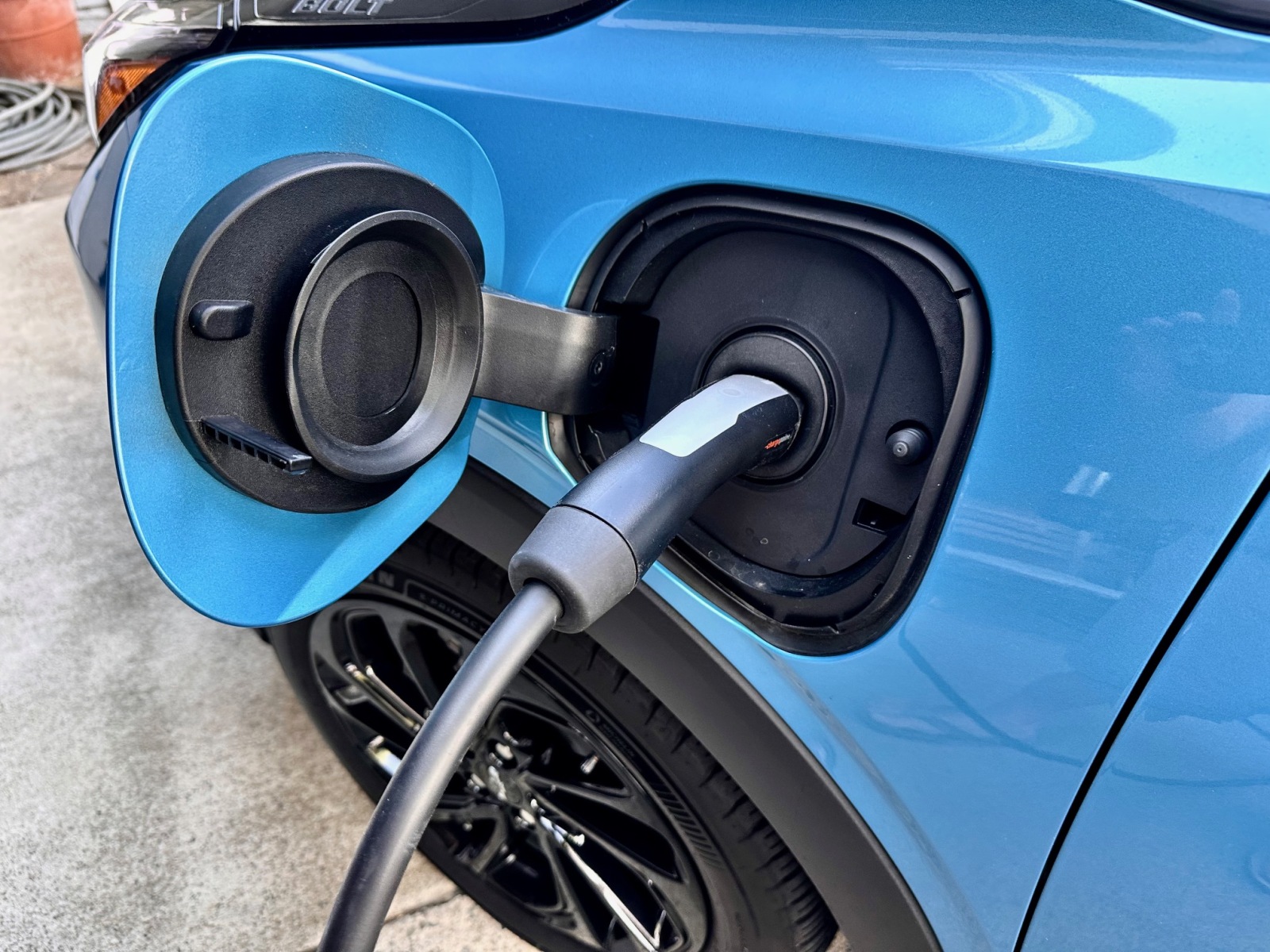
We didn’t need to charge, but topped off the battery anyway using the Level 2, 240-volt ChargePoint Home Flex charger mounted in our garage. The 11.5 kWh onboard charger delivered about 40 miles of range per hour. Had we opted for a public DC Fast Charger, the charging would have been 10-80% in 25 minutes.
Chevrolet also makes charging more convenient with a new Dual Level Charge Cord, which could eliminate the need to purchase a separate home charger. The cord has a changeable plug that allows owners to plug into a standard 120-volt three-prong outlet for Level 1 charging or a 240-volt outlet for Level 2 charging. The Bolt comes with a North American Charge Standard (NACS) charge port, located on the driver side front fender.
The range for the Bolt means most owner’s driving needs will be met for several days or even a full week without needing to charge. When they do, their grin comes from knowing watts cost way less that gasoline per mile.
Driving Experience: EV Fun
The Bolt zips around with great fun, with 0-60 mph runs taking about 6.5 seconds. On an open section of freeway we hit 80 mph with ease, feeling solid and confident cruising at highway speeds. If driving an electric car is new to you, then the instant torque at any speed will be an eye opener. Any speed means exactly that–one mph or 60 mph, just tromp on the accelerator pedal (it may take new owners a while to not say “gas pedal”) and off you go.
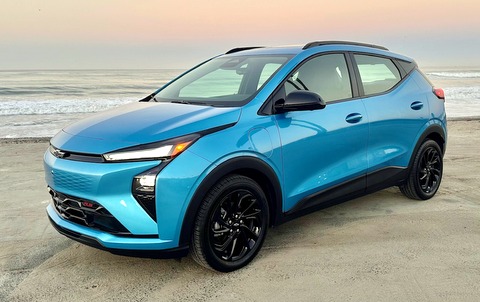
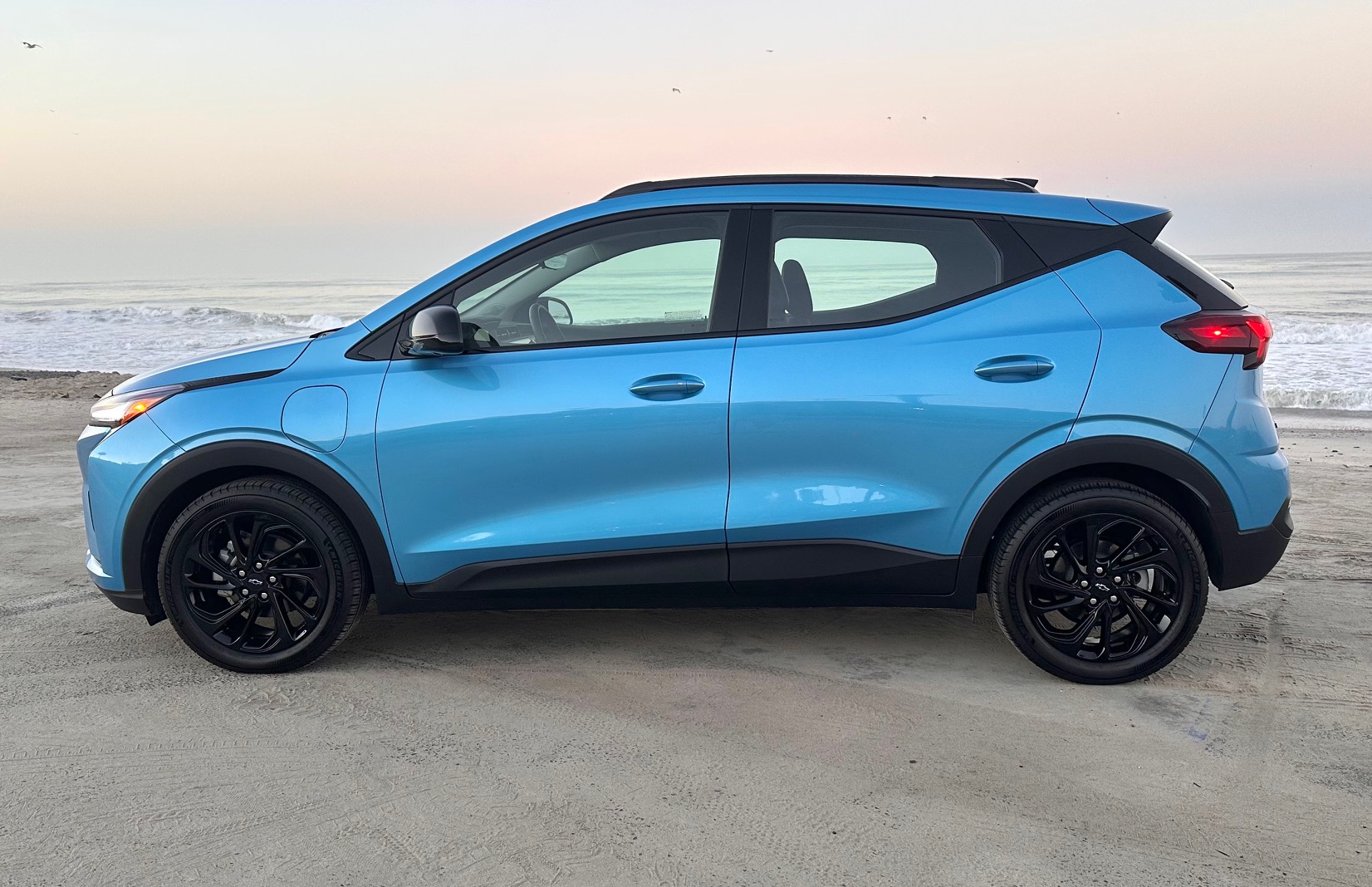
The batteries located under the floor dropped the center of gravity and made for a sure-footed driving experience. The Bolt shines in city maneuvers (parking especially) and staying steady with crosswinds or buffeting by a big rig. The 3,776-pound curb weight handled respectfully with all-season 215/50 Michelin Primacy tires on 17-inch gloss black-painted aluminum wheels. The electric power steering was not too light. Body roll, even when pushed above recommended corner speed limits, was manageable.
Recharging the batteries when driving is through regenerative braking. This is when coasting or coming to a stop, kinetic energy is converted into electric energy and then is stored in the battery. For even more efficiency, the Bolt has One Pedal Driving and Regen On Demand, where the car is slowed or even brought to a complete stop by the motor. While one pedal driving does not eliminate the need to use the brakes, especially in an emergency, it will become your preferred way to drive the Bolt.
New Design
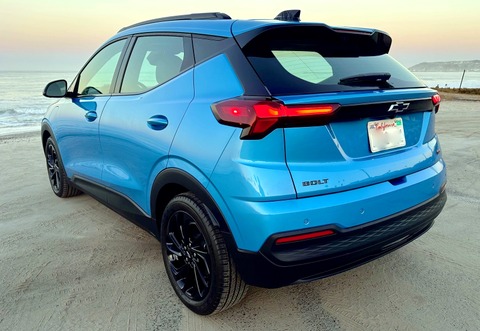
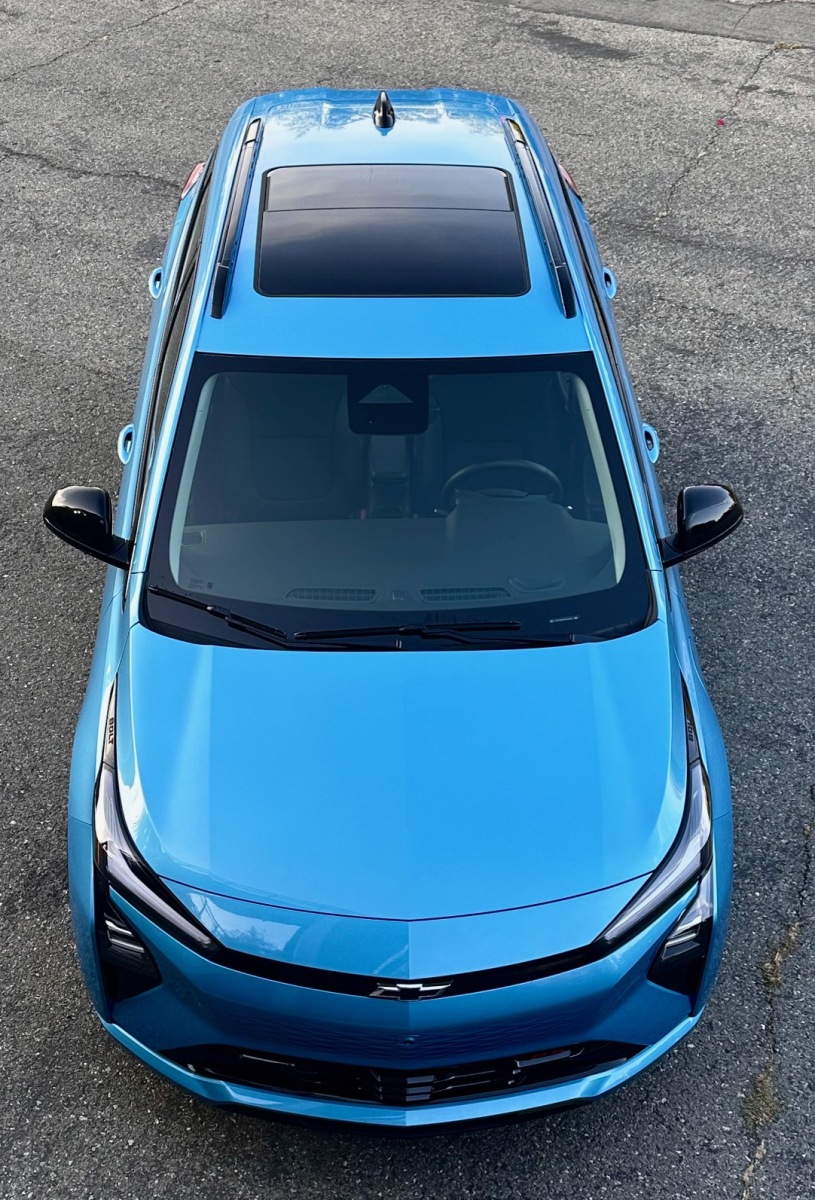
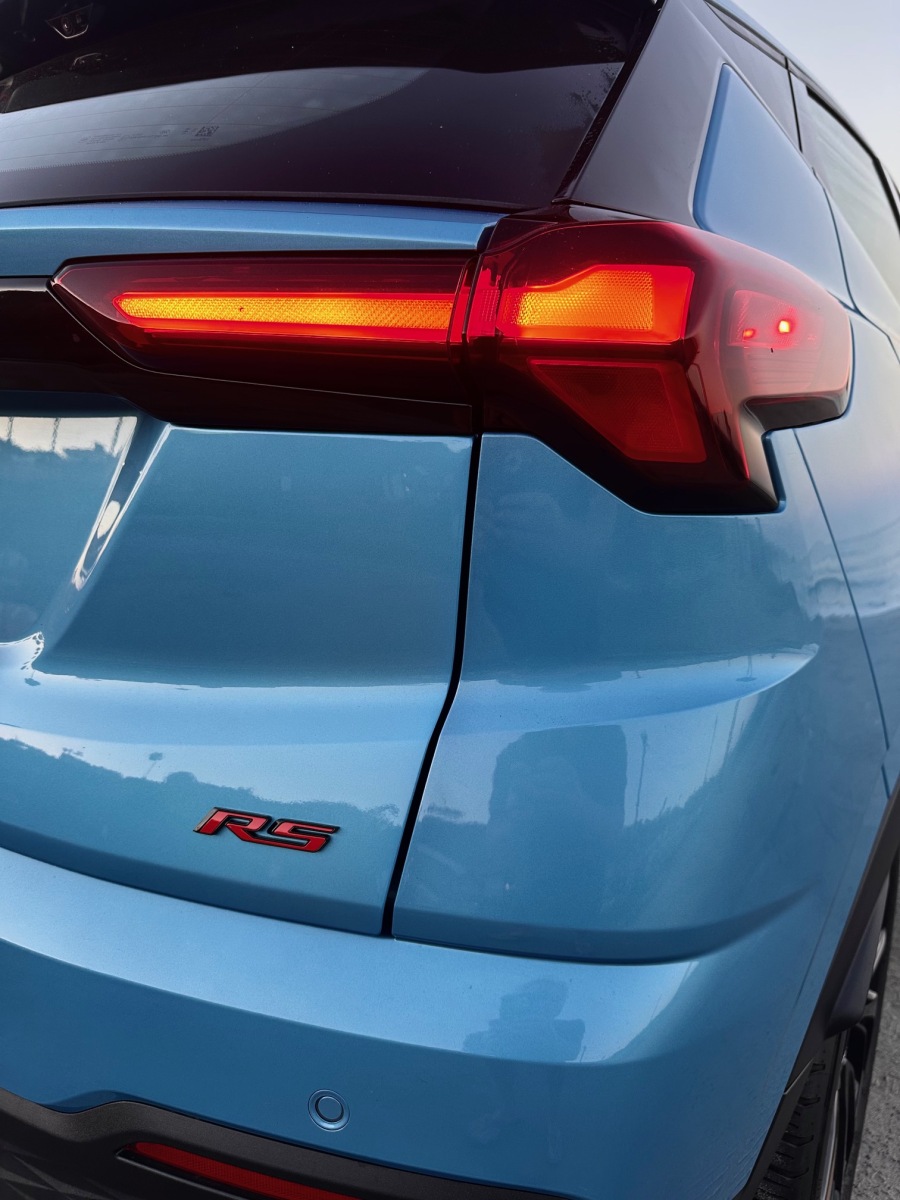
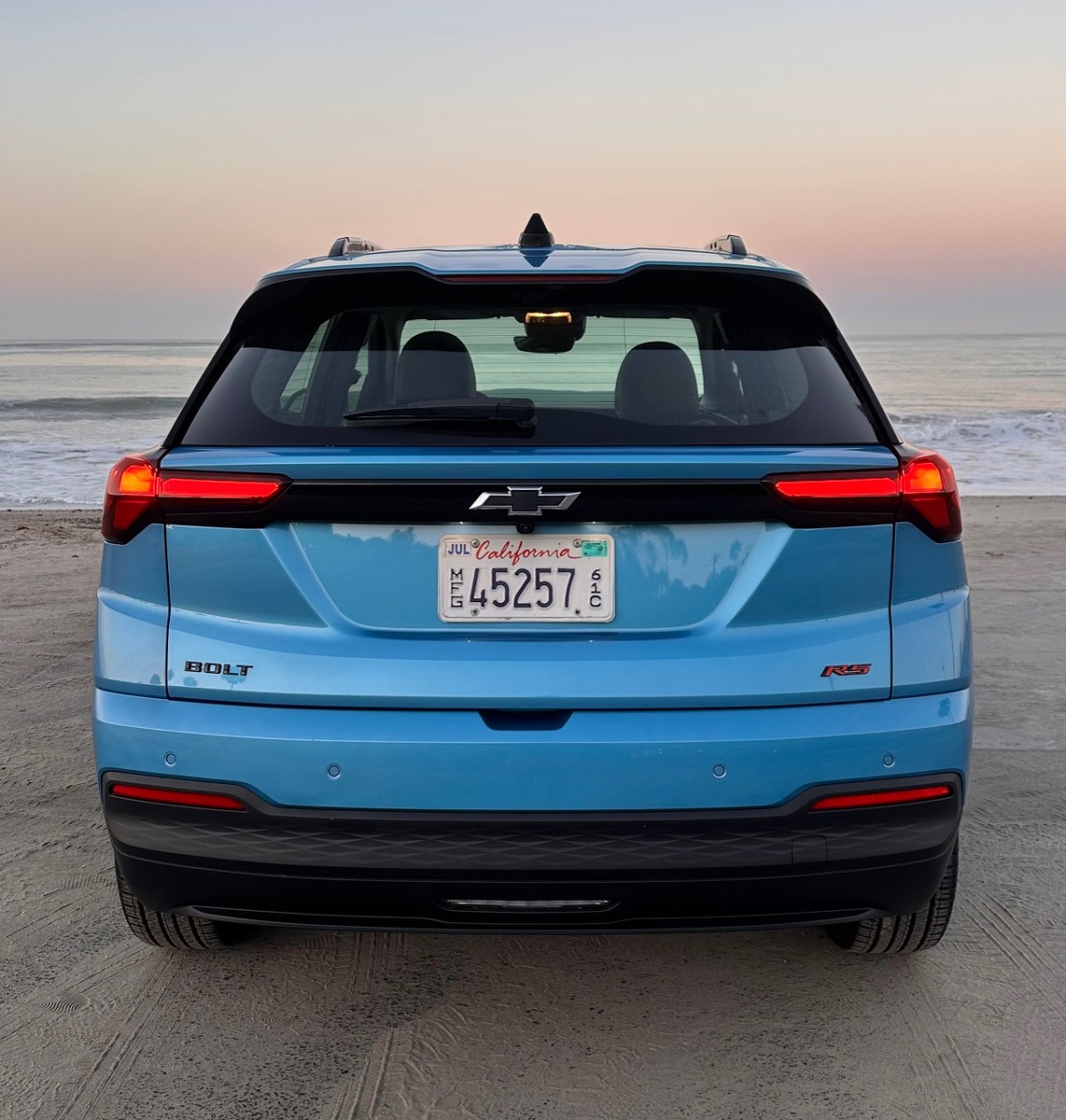
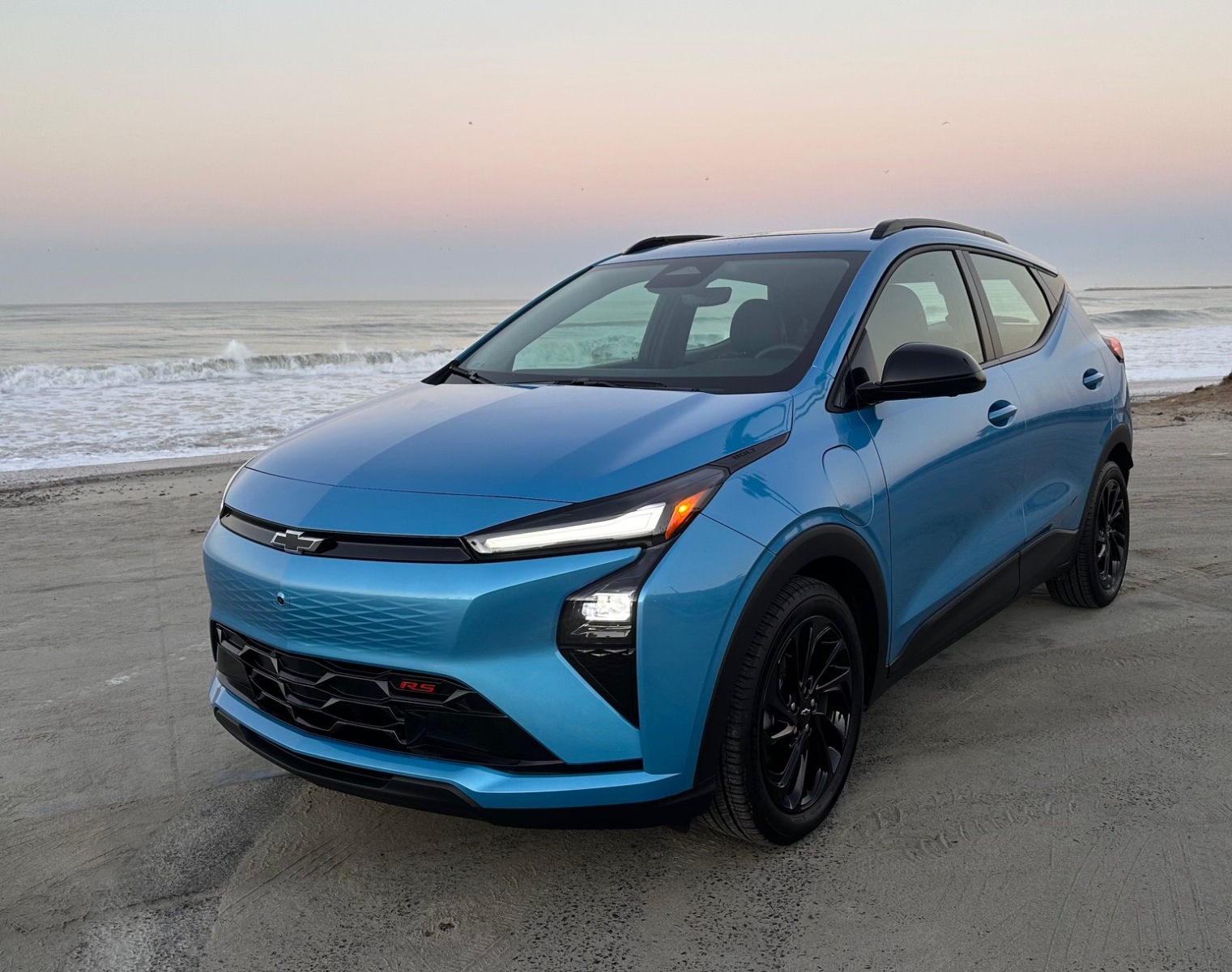
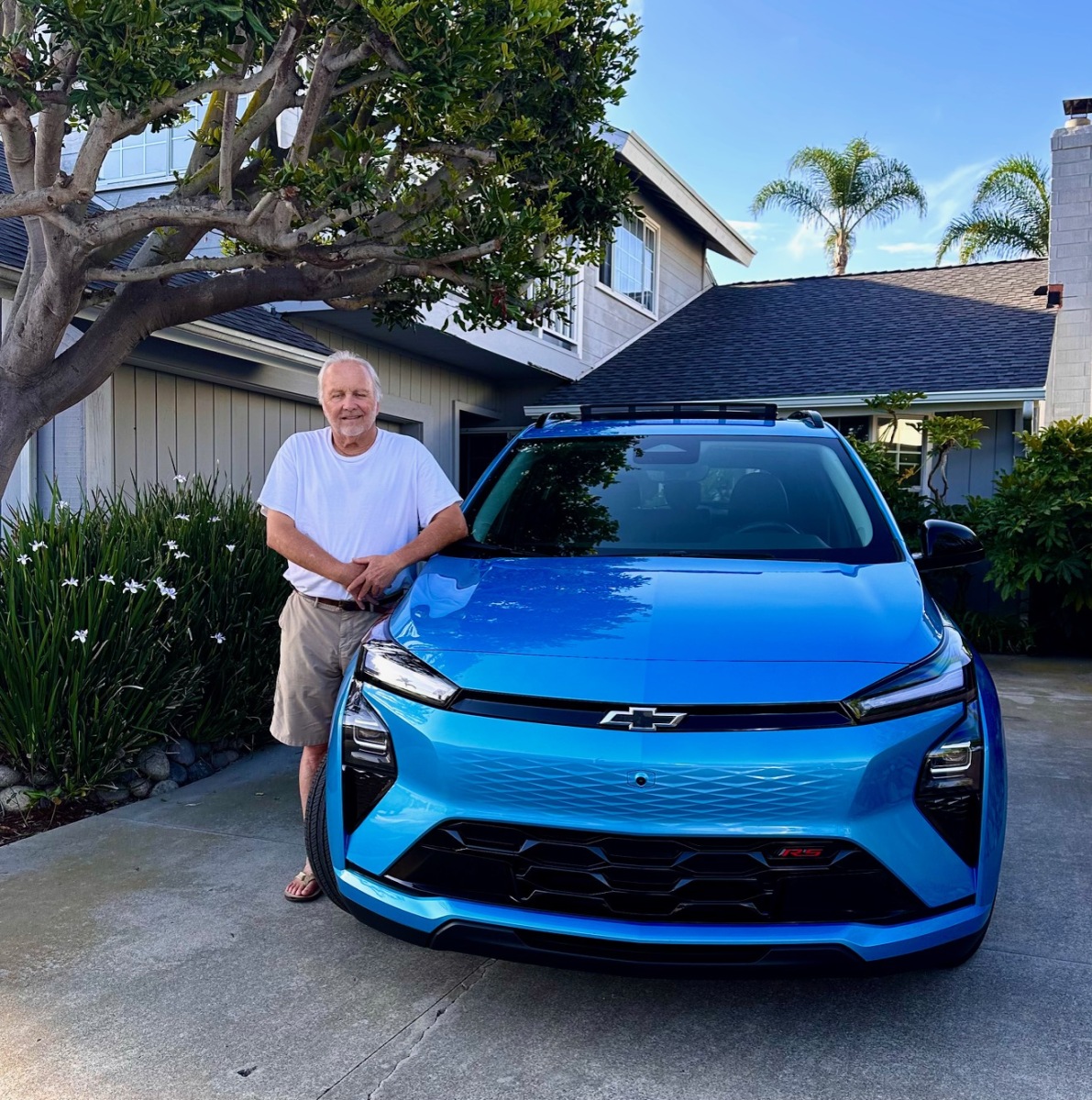
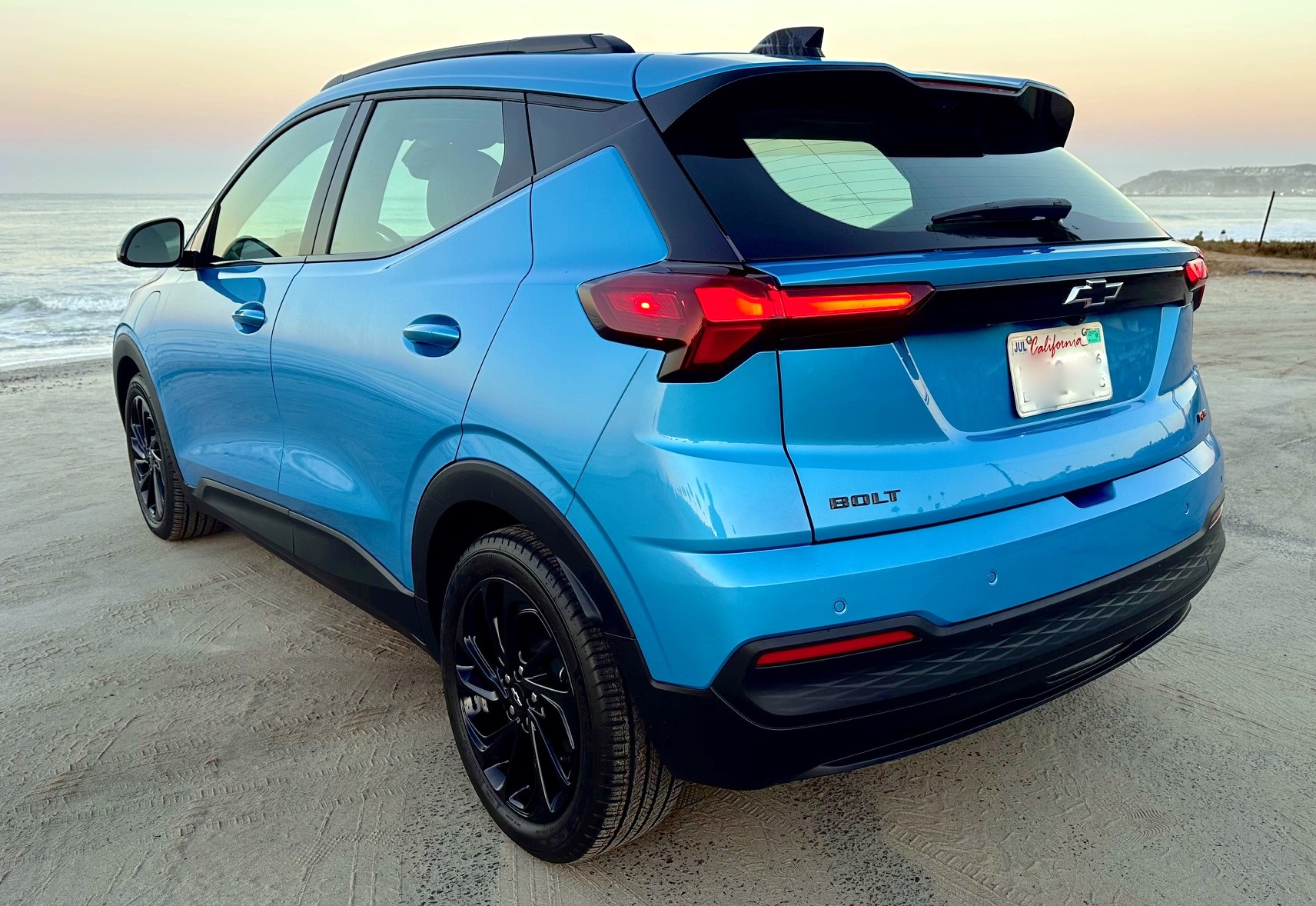
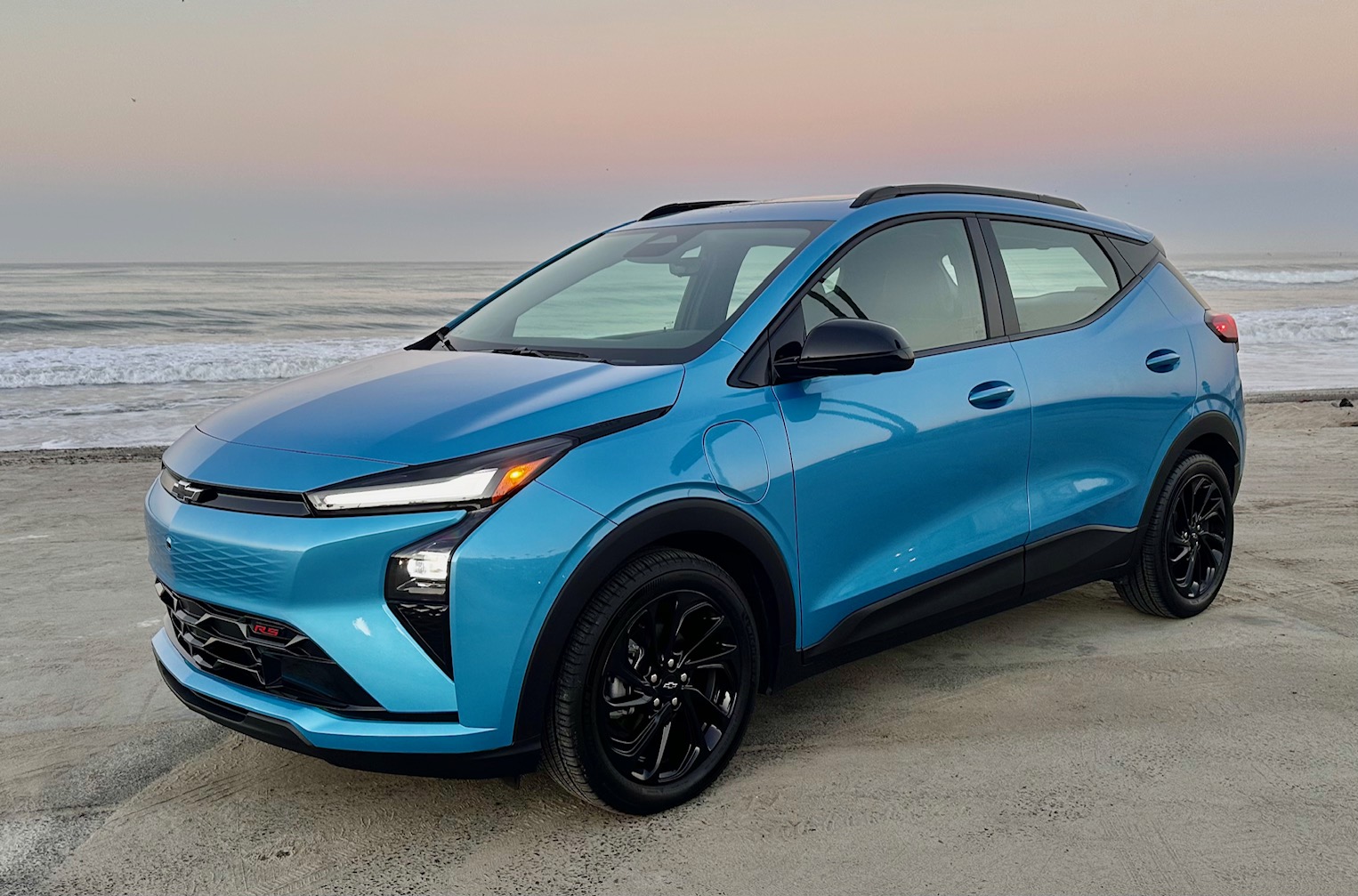
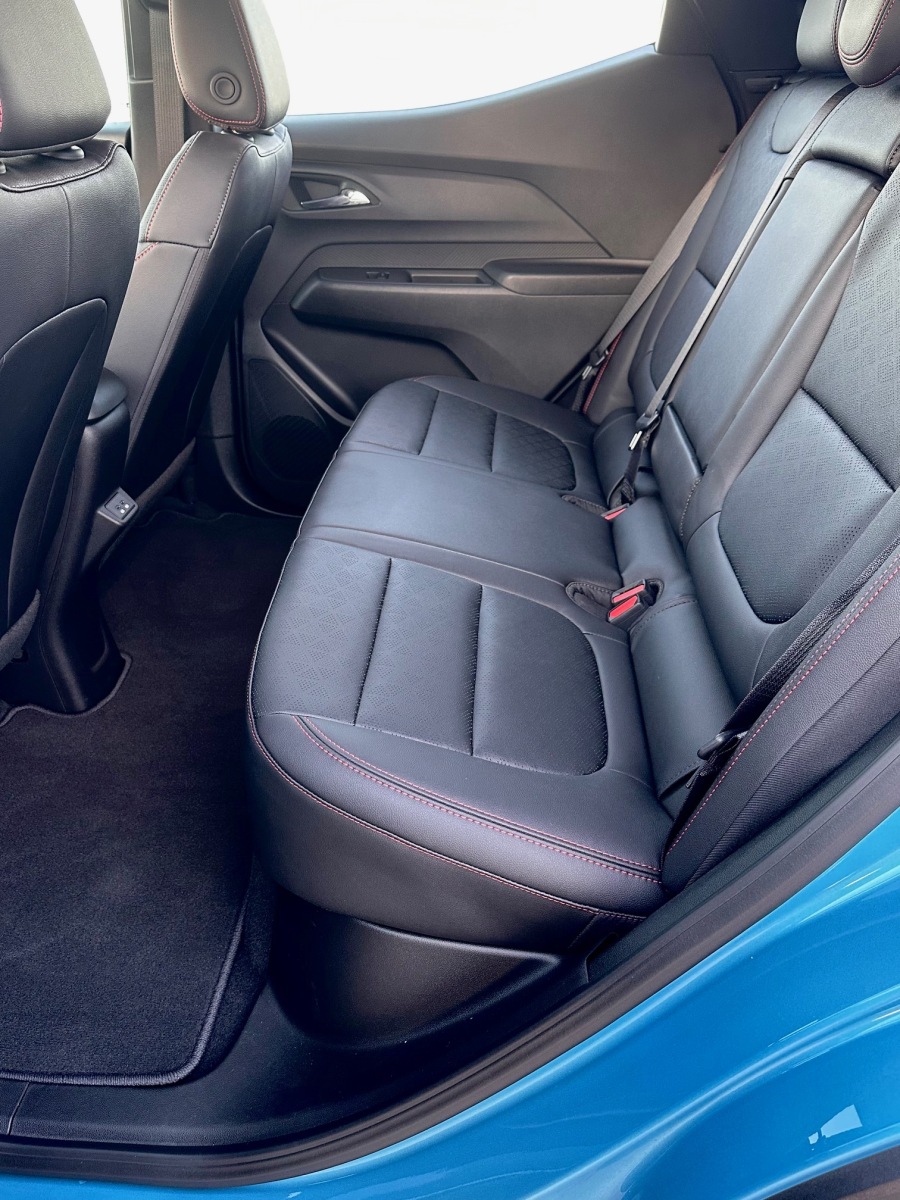
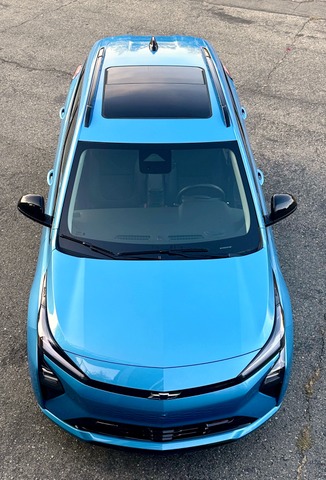
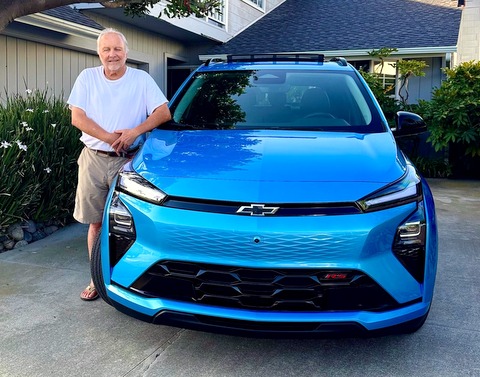
The 2027 Bolt is similar to the last generation, but has newly designed front and rear fascia and new lighting elements. The Bolt sits tall, providing exceptional head and leg room for front and rear passengers. Looking like a crossover, but acting more like a tall hatchback, the updated contemporary design solicited positive comments from neighbors when parked in our driveway.
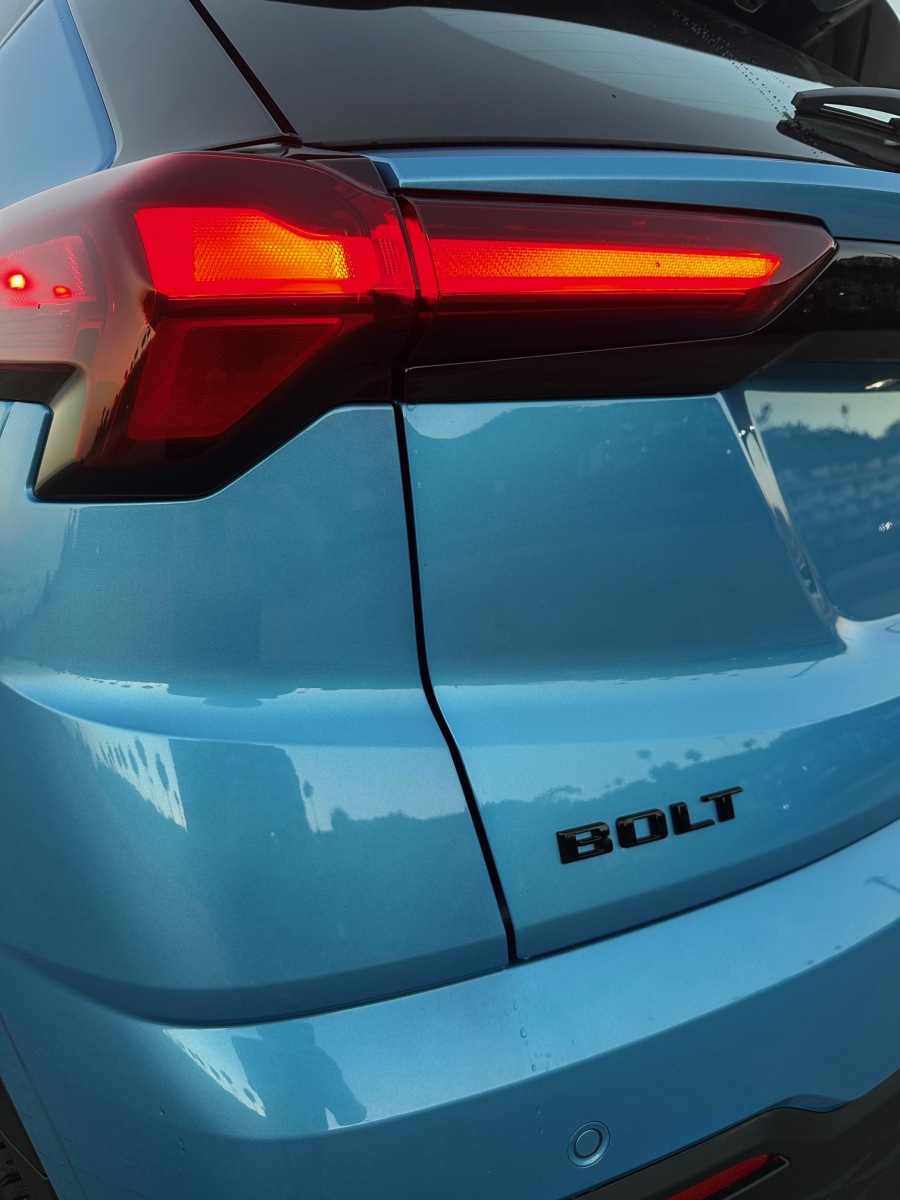
Exterior features include LED head lamps and daytime running lights, automatic high beam sensors, LED brake and tail lights, rain sensitive wipers and power adjustable outside mirrors.
The roof rails, shark fin antenna, lower fascia, mirror caps, wheels and the trim pieces connecting the head lights and tail lights are all in gloss black. This looks sharp in any of the seven Bolt colors of Atomic Yellow (exclusive to the RS trim and Relic Green Metallic exclusive to the LT trim) with Habanero Orange, Mosaic Black Metallic, Sterling Gray Metallic, Summit White or, like ours, Marina Blue Metallic.
Interior Upgraded
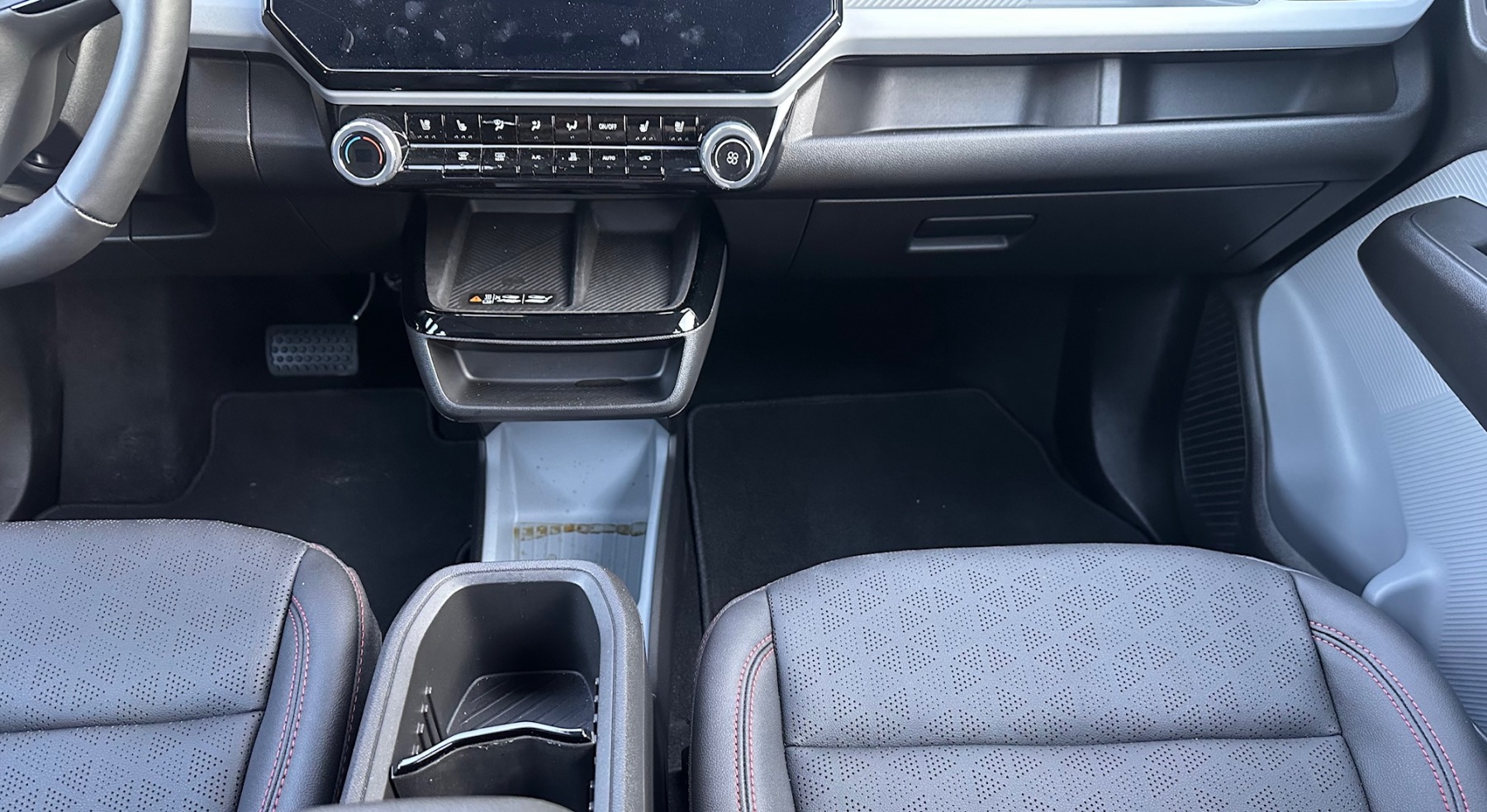
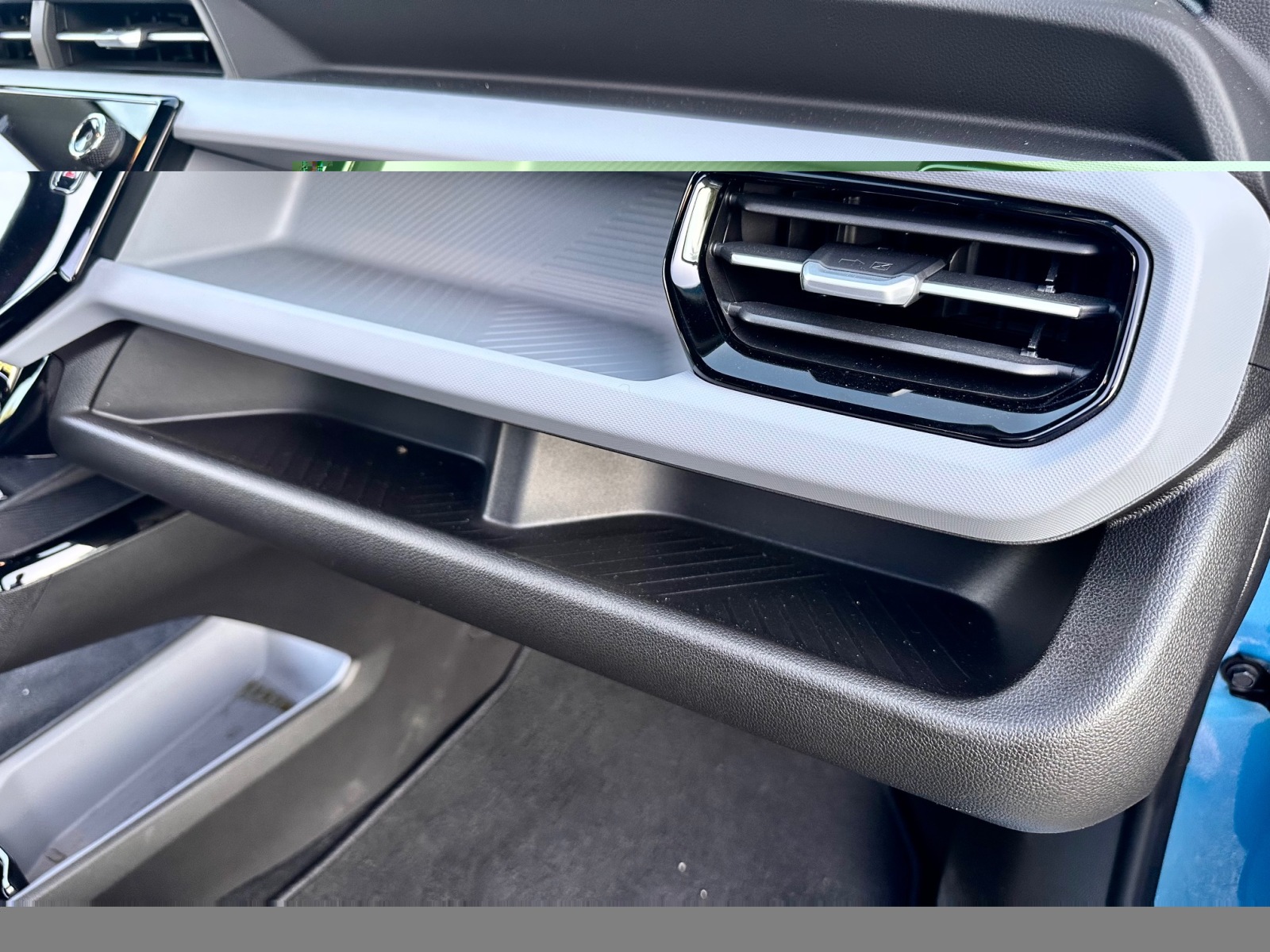
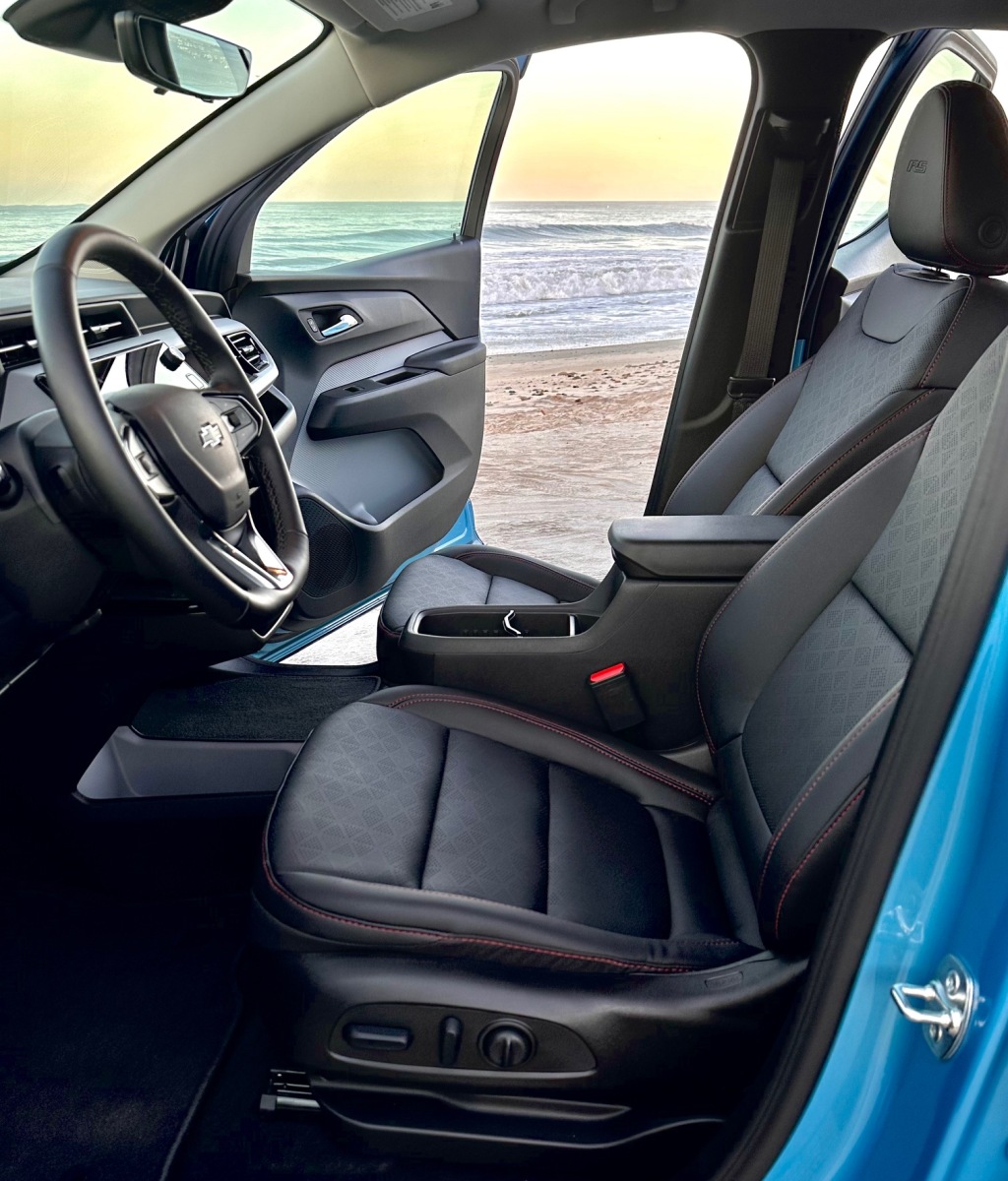
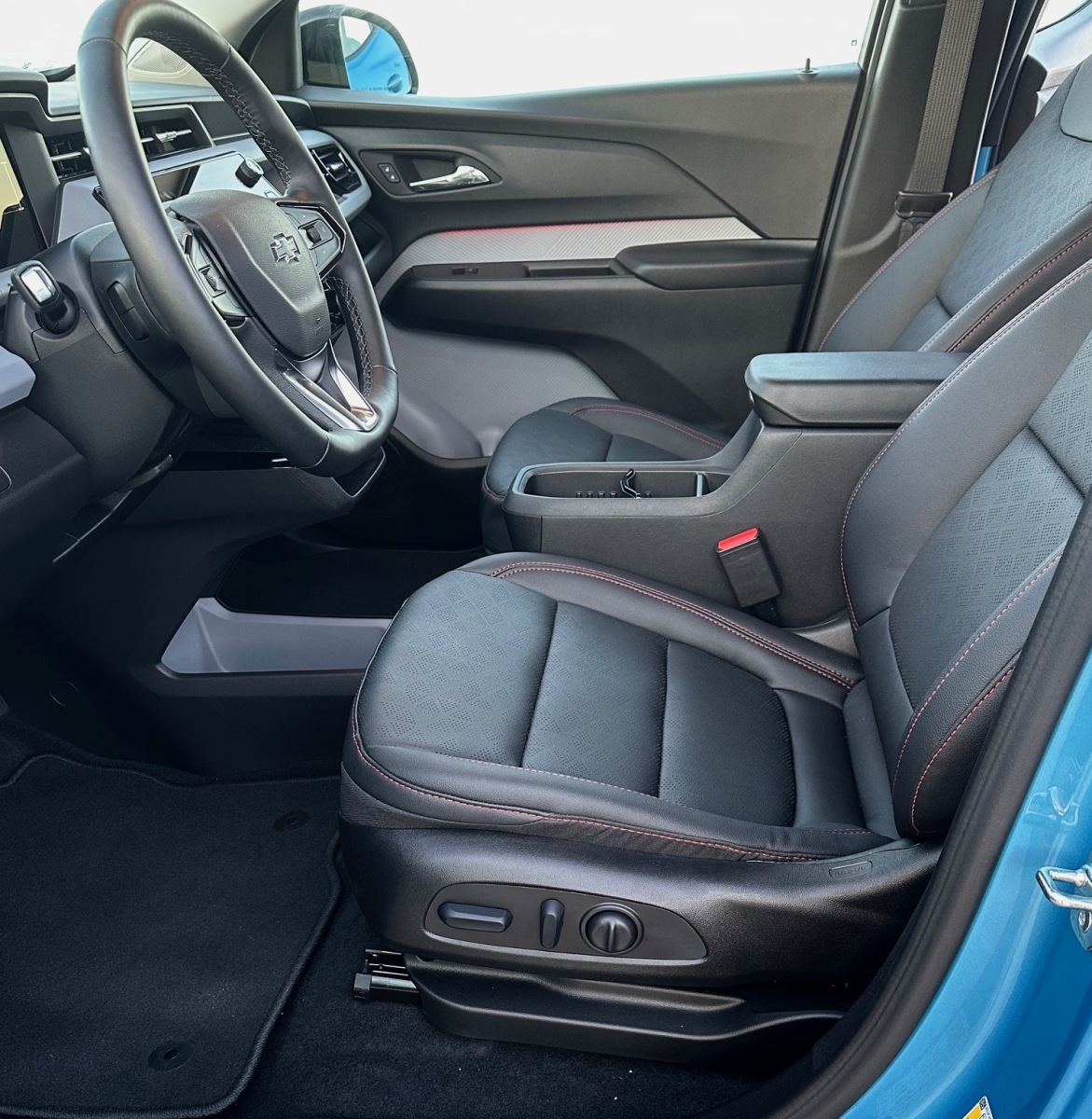
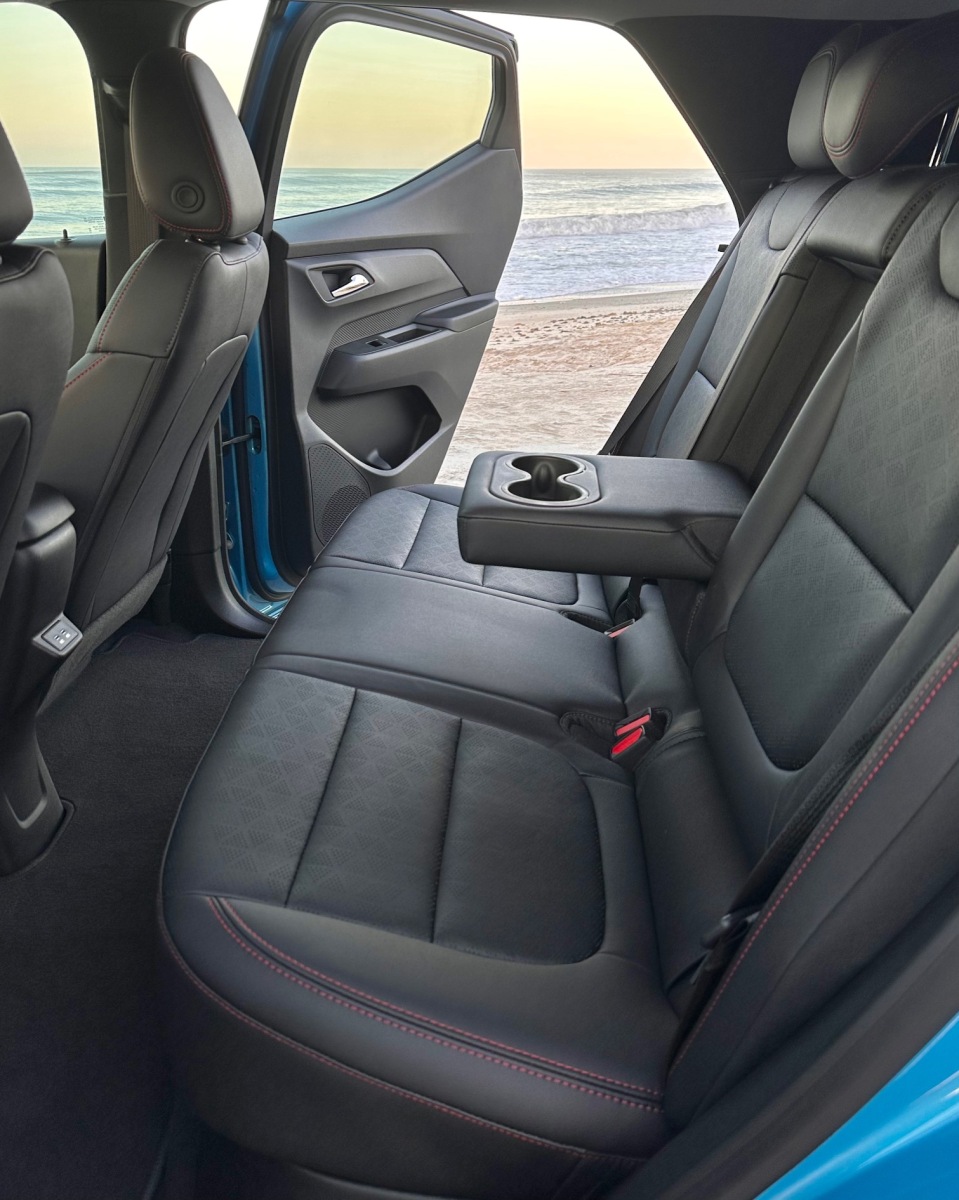
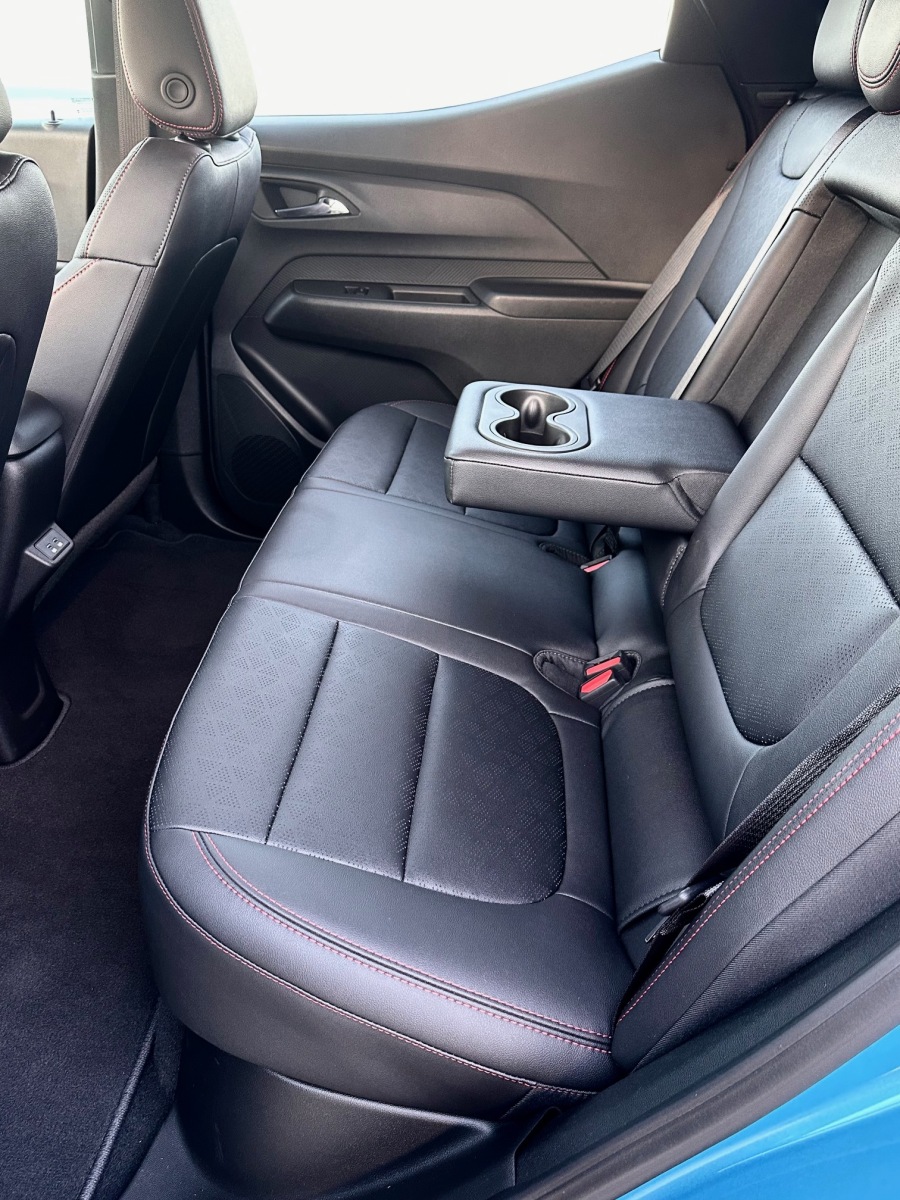
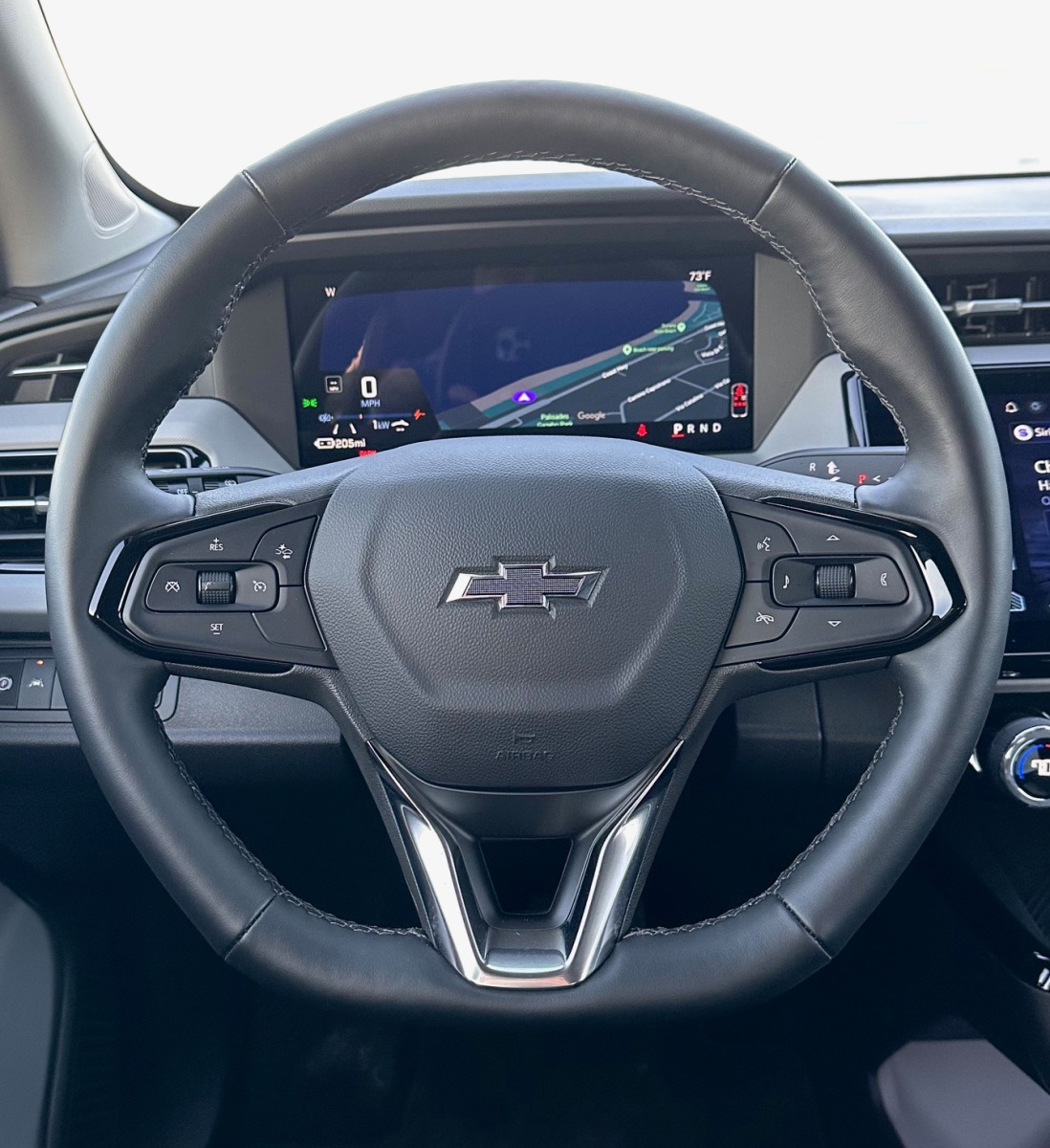
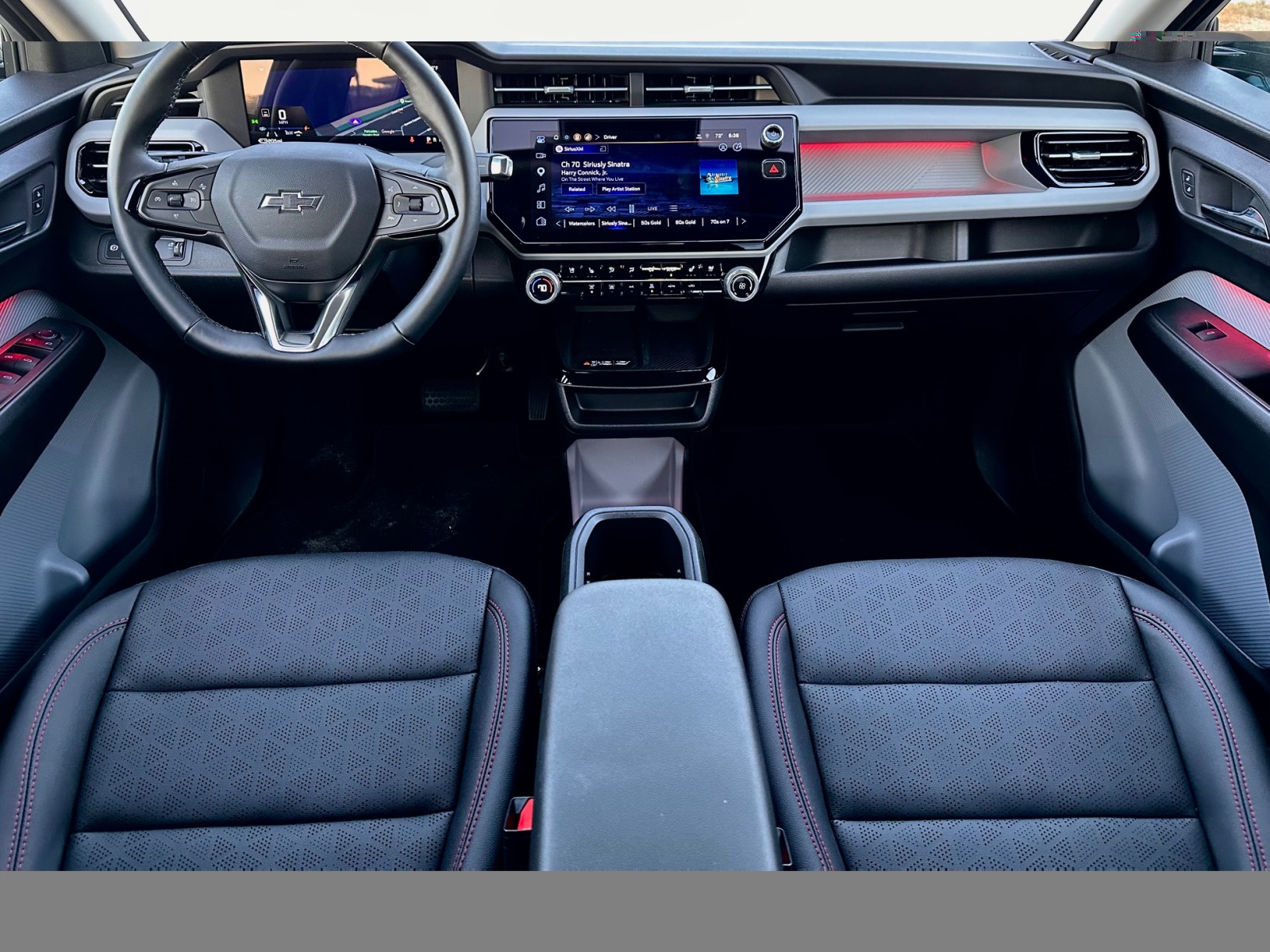
Chevrolet’s designers made significant upgrades in the interior, including a new 11-inch instrument panel, an 11.3-inch color touchscreen, new seat designs and a noticeable upgrade of the materials found throughout the cabin.
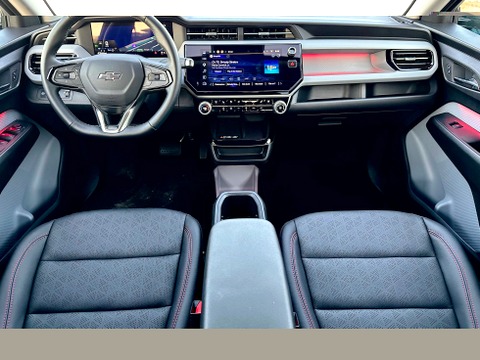
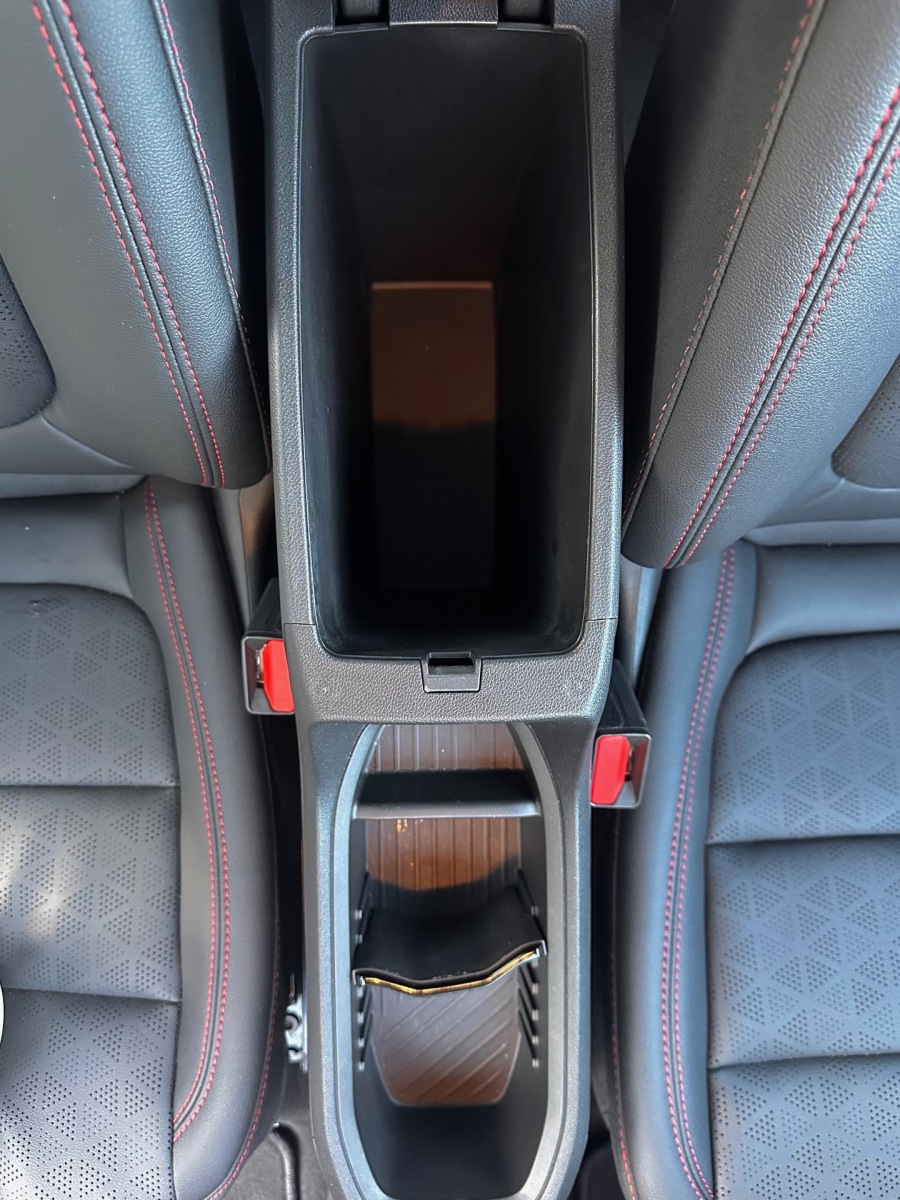
Standard interior features on the Bolt RS Clean Fleet Report drove for a week included red top stitching on the Evotex-covered (a durable and stain-resistant material) 8-way heated and ventilated power driver seat with lumbar, a heated and ventilated adjustable manual front passenger seat, LED multi-colored ambient lighting and a heated and leather-wrapped steering wheel with audio, telephone, Bluetooth and cruise controls.
The 7-speaker Bose sound system has AM/FM/SiriusXM and USB-C ports. The lack of Apple CarPlay or Android Auto could tick-off some owners, or even be the pacing item for not getting a Bolt? It just depends how much you use those streaming services.
Activating the handy and helpful OnStar system is as simple as pushing a button. This connects you with a friendly General Motors representative to make your driving experience safer and more enjoyable.
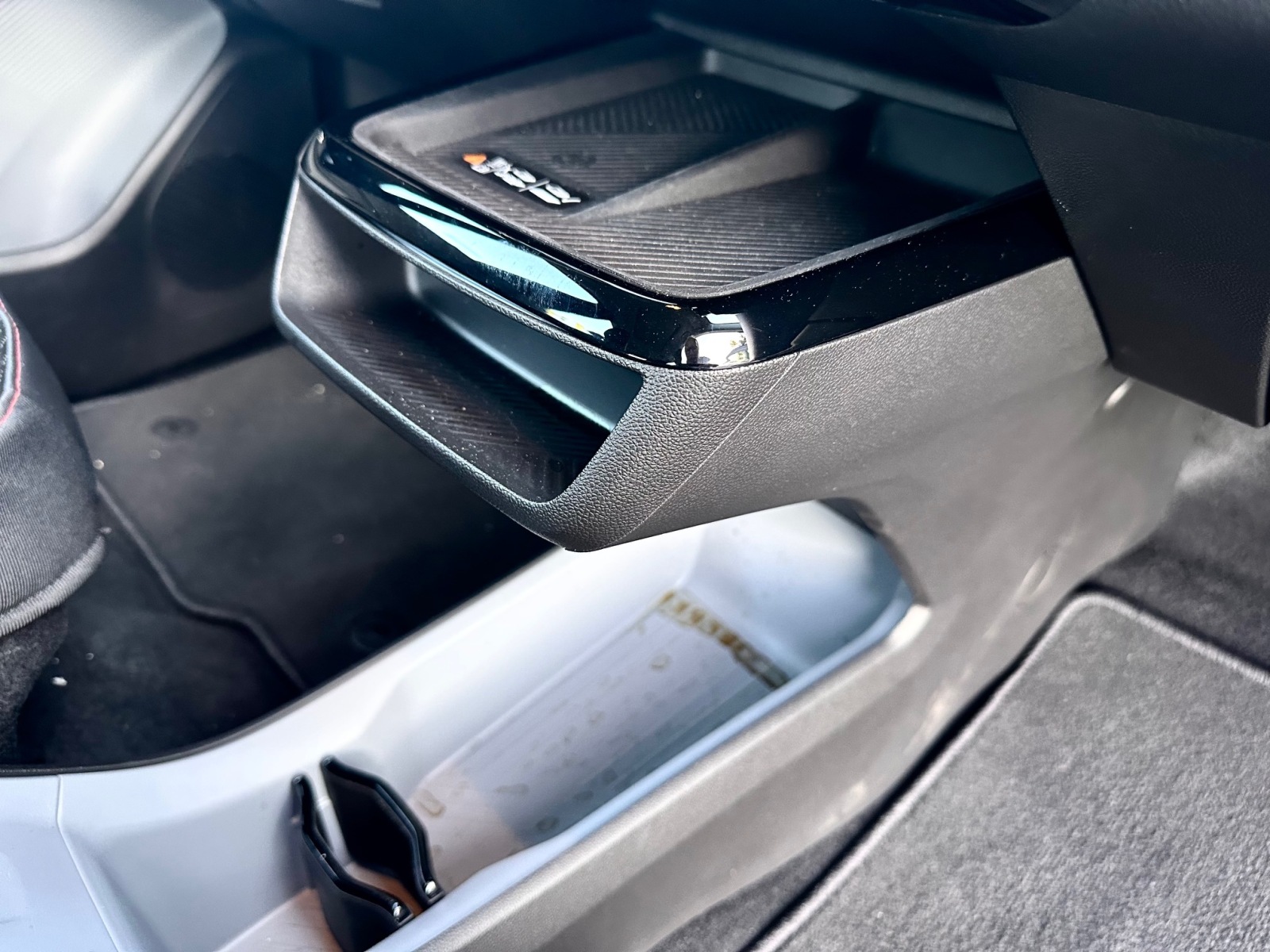
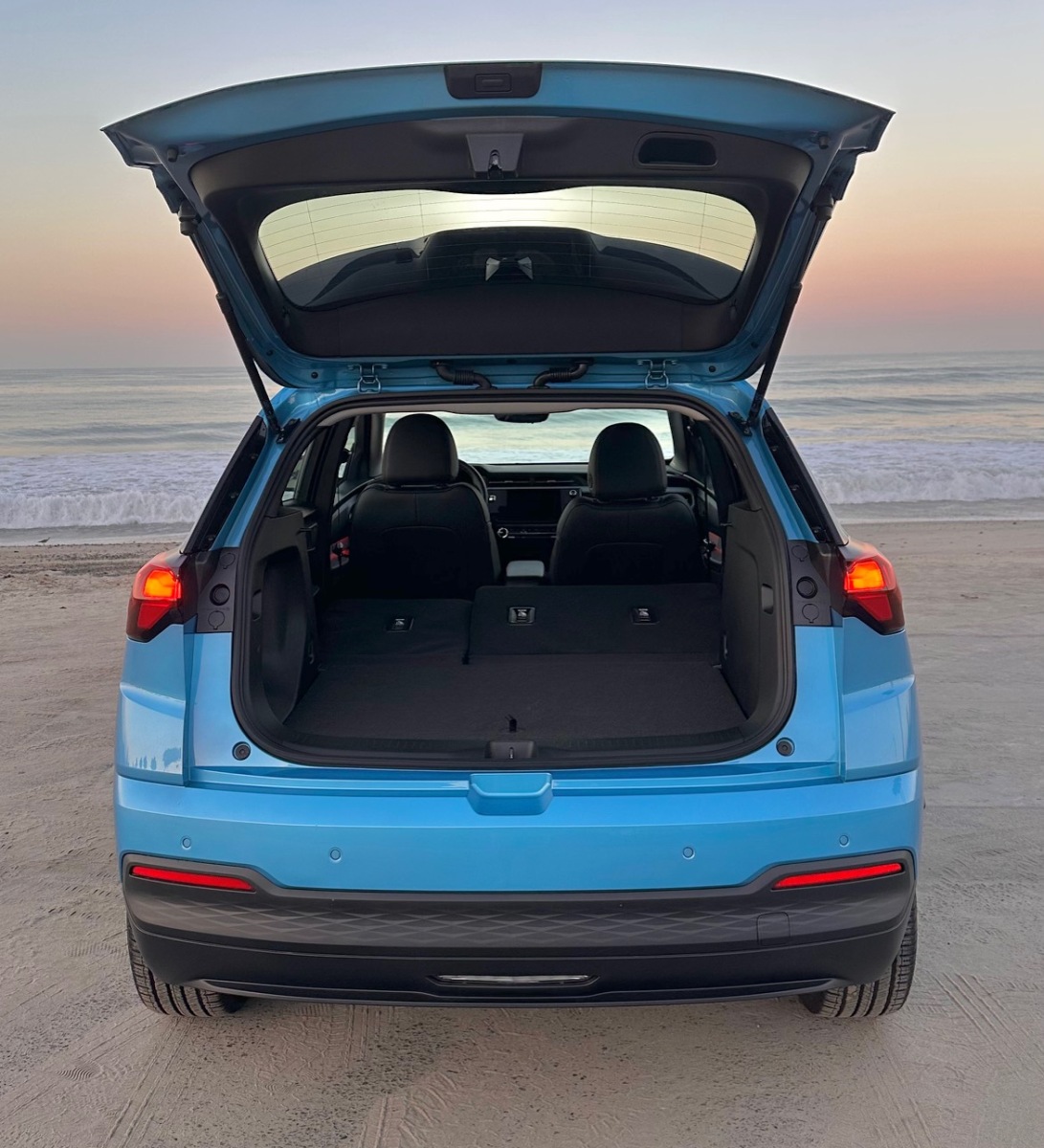
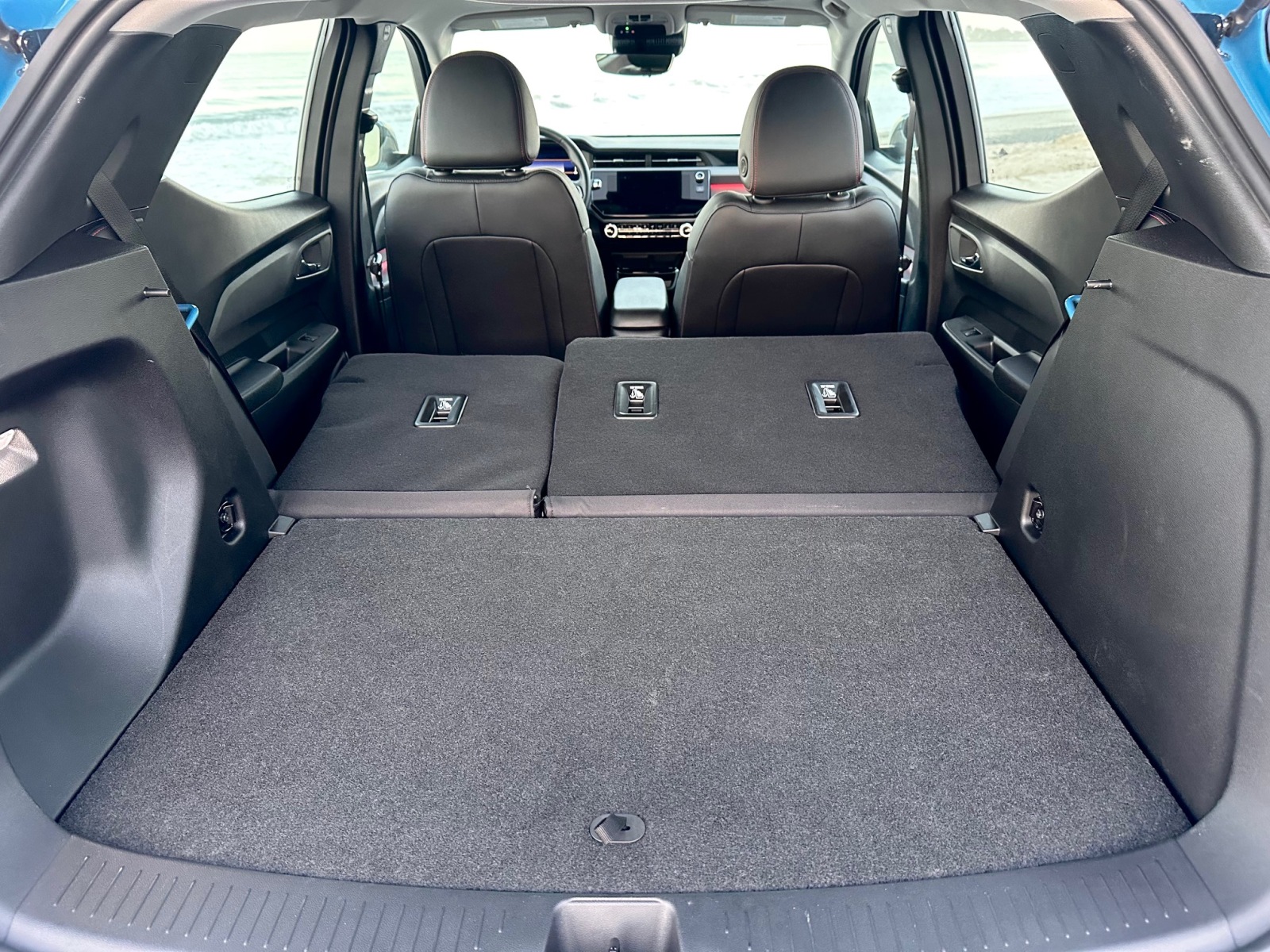
The Bolt RS is well-equipped with convenience features, including remote keyless entry with remote start, power door locks, power ports, tilt and telescoping steering column, heated exterior mirrors, 60:40 split folding rear seat, rear cargo under floor storage, single zone automatic climate control, tire pressure monitor and keyless push button on and off.
Safety and Pricing
The 2027 Bolt has passive and active safety systems. These advanced driver-assistance systems (ADAS) include lane change and blind spot alert, rear park assist with cross traffic alert, forward collision alert, automatic emergency braking and front pedestrian braking. Additional safety features include high-definition surround vision cameras, rear view monitor, tire pressure alert and padded sliding driver and passenger visors with the passenger getting illumination.
There are two 2027 Bolt trims. These base prices including the $1,395 destination charge.
- Bolt LT – $28,995
- Bolt RS – $32,995
The Bolt RS Clean Fleet Report drove with $2,690 in options and the destination charge had an MSRP of $35,685.
Summary: 2027 Chevrolet Bolt RS
First introduced as a 2017 model, more than 100,000 Bolt EVs have been sold worldwide, demonstrating there is a place and need for a lower-priced EV.
The 2027 Bolt is a budget-minded EV with good all-electric range that is perfect for urban life, commuting, running errands and getting the kids to wherever kids need to go. The 2027 Bolt isn’t a premium EV masquerading as affordable because it really is affordable.
The Bolt can’t command a price to be a profitable car for Chevrolet and General Motors, which is too bad, as there is a place and a buyer for it. As the lowest priced EV on the market, the Bolt gives consumers a true option versus a gasoline-powered car or SUV.
So get on down to your local Chevrolet dealer. Maybe silent, emission-free driving is ahead for you.
Make sure to opt-in to the Clean Fleet Report newsletter (top right of page) to be notified of all new stories and vehicle reviews.
Story and photos by John Faulkner.